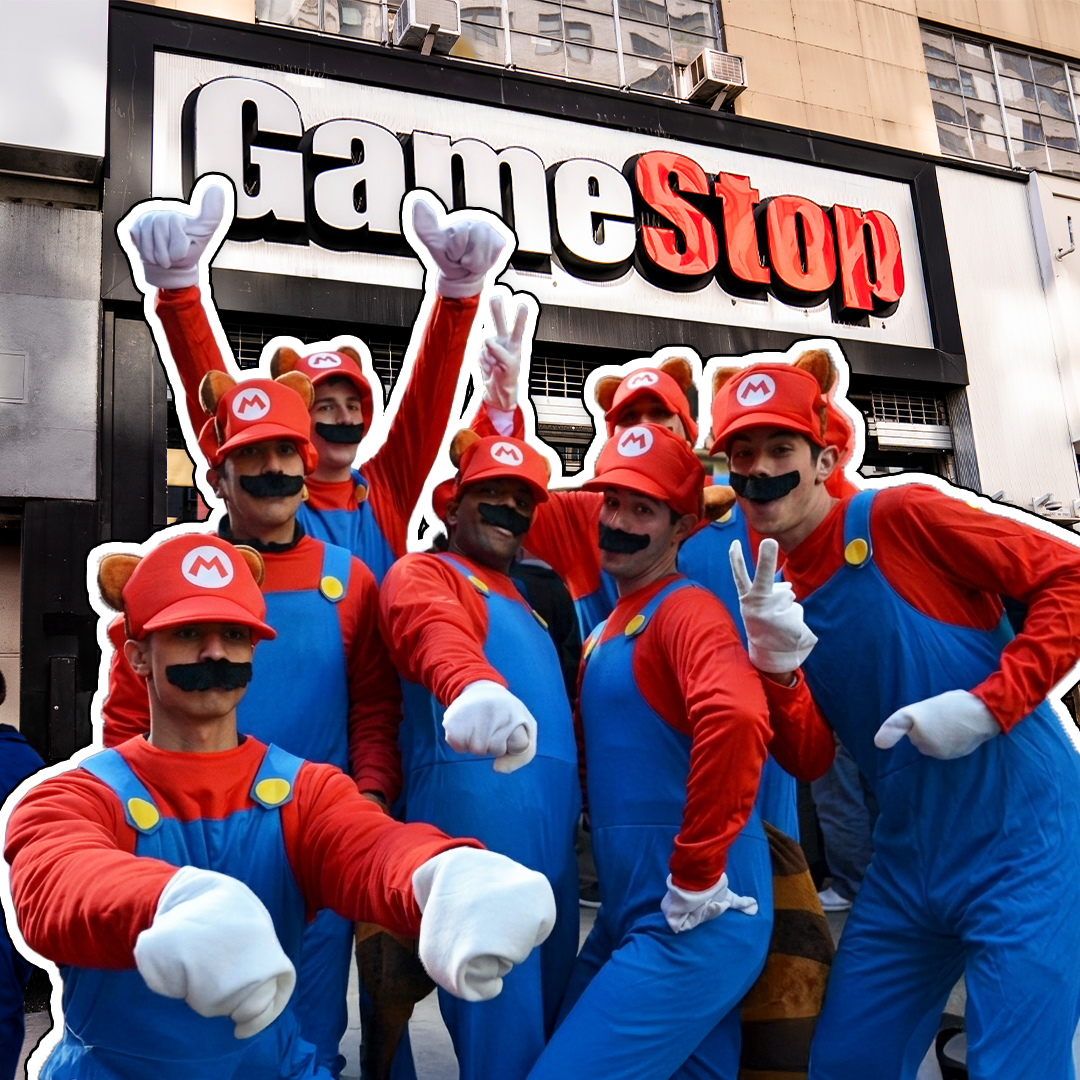
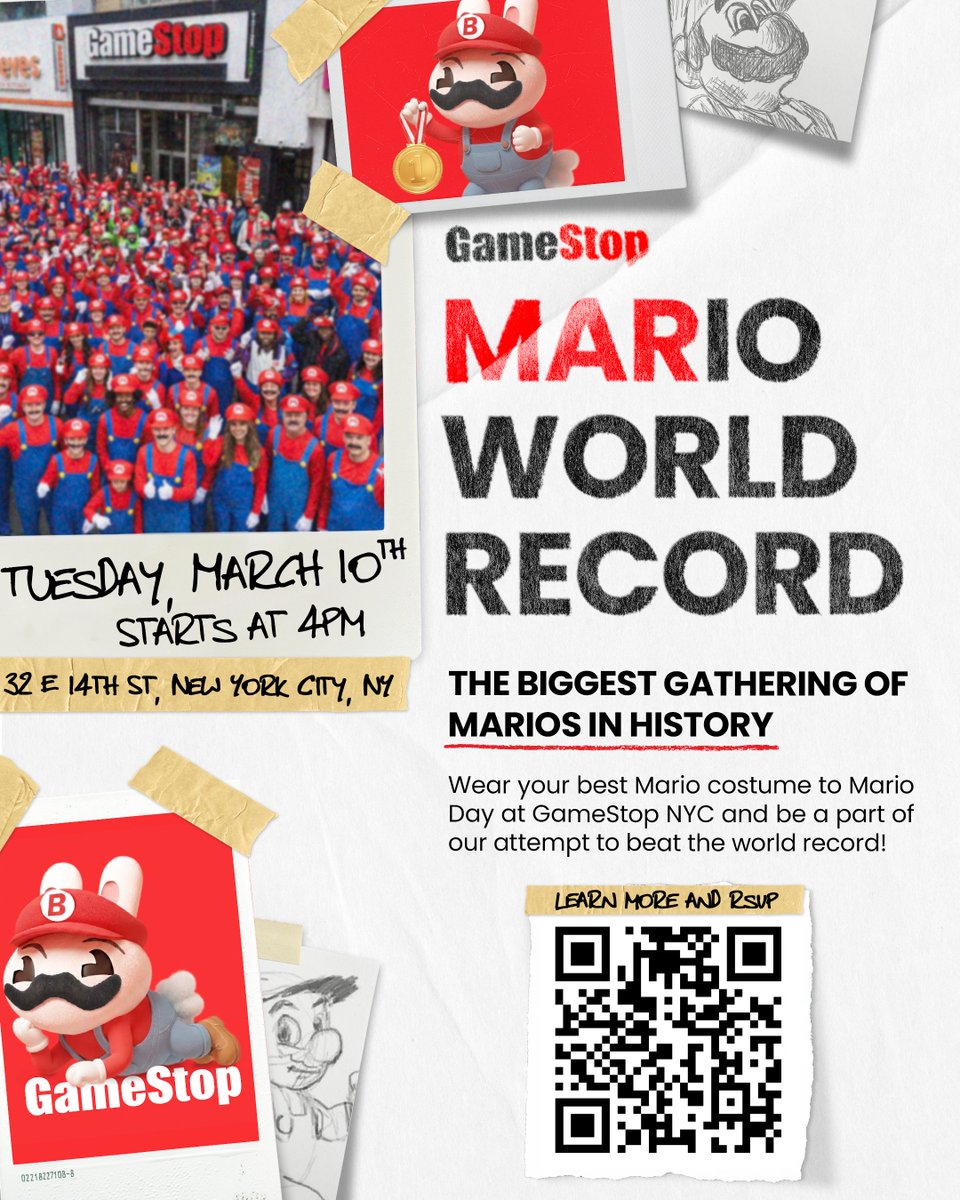
GameStop reports highest quarterly net income in company history of $389.6 million. Highest first quarter operating income in GameStop’s history of $143.3 million. Net sales grew 14% year-over-year, driven by collectibles. Cash, marketable securities, digital assets and related receivables, and collateral pledged for derivative asset of $9.7 billion.
https://t.co/BAu3T6V9w4
The short interest in $GME was 140% in 2021.
Then it was 20%.
The SEC said most of the buying wasn’t shorts covering.
So where did 120% of the float go?
FINRA’s answer: propose rules to detect synthetic shorts, hidden lending, and FTD recycling — the exact mechanisms retail theorized.
Five years later those rules still aren’t live.
The things they couldn’t see then, they still can’t see now.
https://t.co/7Ylx8c0LZP
So the eBay board clearly believes the company is worth more than $125 a share
Here’s a list of prices they’ve sold shares at in the past 12 months:
$109
$103
$97
$92
$85
$79
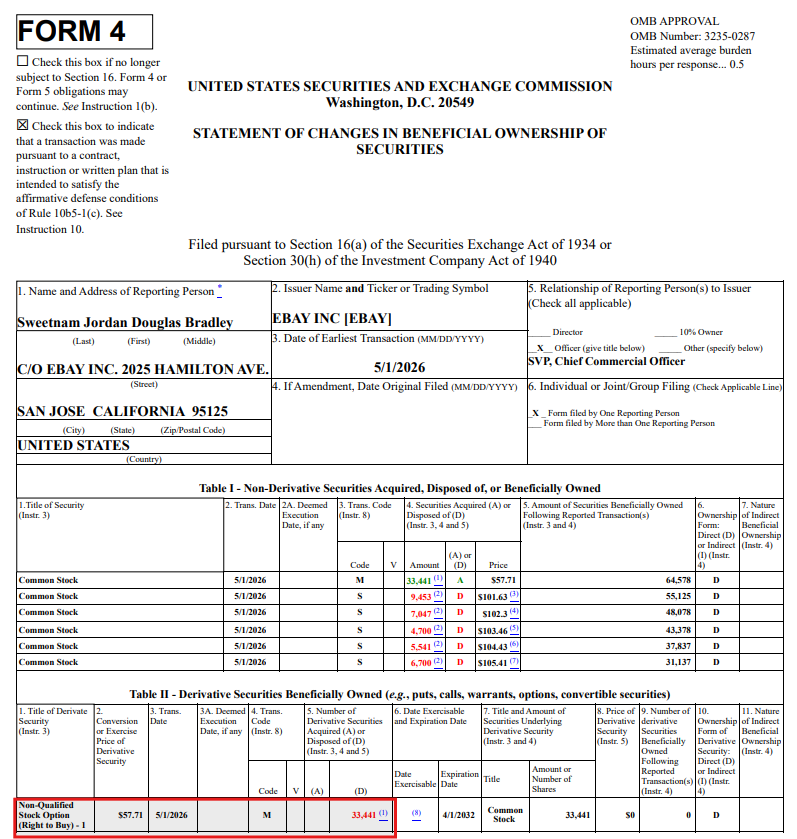
Wow EBAY CEO Jamie Iannone just sold $4,550,000 worth of stock and SVP CCO Jordan Sweetnam sold $3,426,000 on May 1, the same day WSJ published its exclusive $GME takeover bid story.
That is not a good look for EBAY.
I met with a founder last week who confidently proclaimed they will be a Fortune 5 company - that's a $2 trillion market cap bogey. The goal is so high that I'm not sure if it was a positive selling point or not even though we highly value "aspirations for greatness". Thoughts?
PS: We maintain our entire $GME position and have not decreased our position at all since we entered. $GME is a long-term hold and expect to hear some $GME acquisition news soon...
The Hollow Men
American capitalism is rotting from the head down. We have replaced the "Owner-Operator"—the risk-taker-with a new, parasitic class of corporate bureaucrat: The Risk-Free Insider.
By "Insider," I am not referring to a specific title. I am referring to the entire administrative state that has captured the modern corporation. This includes the Directors who exist solely to collect fees, the Executives who exist solely to collect bonuses, and the Managers who exist solely to hire consultants.
These are the hollow men of the boardroom. They are masters of PowerPoint. They wear the right suits. They say the right buzzwords about "governance" and "ESG." But they are mercenaries fighting a war with someone else’s ammunition.
In a functioning economy, authority is tied to liability. If you make a bad decision, you lose your own money. That fear of loss is the only thing that keeps a business honest. It forces you to cut waste, obsess over the customer, and stay late to fix what is broken.
Today, we have severed that link.
We have rigged the game so that heads, the Insider wins; tails, the shareholder loses.
If the stock goes up, the Insider collects a massive performance bonus. If the stock crashes due to their own incompetence, they are fired with a "Golden Parachute" worth tens of millions. They are gambling with the house’s money, and they never leave the table poorer than they arrived.
This looting starts in the boardroom.
We have normalized a "Country Club" culture where directors are selected based on social profiling rather than their ability to build a business. The modern board member is often a professional tourist—paid an average of $350,000 a year.
Let’s be brutally honest about what that number represents. The average director is paid nearly five times the GDP per capita of the United States. They earn more for attending four quarterly lunches than the vast majority of Americans earn in five years of hard labor.
And for what?
Most of these directors are "over-boarded," sitting on three or four boards simultaneously. They treat directorships as a gig economy for the elite. They fly in, rubber-stamp a compensation package they didn't read, and fly out. They collect checks from companies they do not understand, do not use, and certainly do not love.
They are not there to ask hard questions. They are there to be collegial. They are there to protect the other Insiders.
And what happens when these boards hire executives who also have no personal capital at risk?
We get the Delegation Economy.
When a Risk-Free Insider faces a crisis—bloated expenses, a broken supply chain, or a stale product—they do not roll up their sleeves. They hire a consultant. They pay a strategy firm millions of shareholder dollars to produce a 100-page deck telling them what they already know.
This is not management. It is intellectual money laundering.
They use shareholder capital to buy an insurance policy for their own careers. If the plan fails, they can blame the consultants. They delegate the work because they are terrified of the responsibility. They would rather preside over a slow, comfortable decline than risk a bold mistake.
While American Insiders are busy optimizing their severance packages, our global competitors are optimizing their products. They are not slowed down by bureaucracy. They are not waiting for a slide deck. They are outworking us.
If we continue to fill our C-suites with administrators instead of operators, we will lose our edge. We will see iconic American franchises hollowed out by fees, managed for the benefit of the Insiders, while the true owners—the shareholders—are left holding the bag.
The time for polite governance is over.
If we want to save the American economy from mediocrity, we must demand a return to the "Owner’s Mentality." We need leaders who treat shareholder capital with the same reverence they treat their own savings. The era of the Risk-Free Insider must end.
$NKE CEO buys $1M in stock and everyone and their mom is posting about how it's so bullish 😂
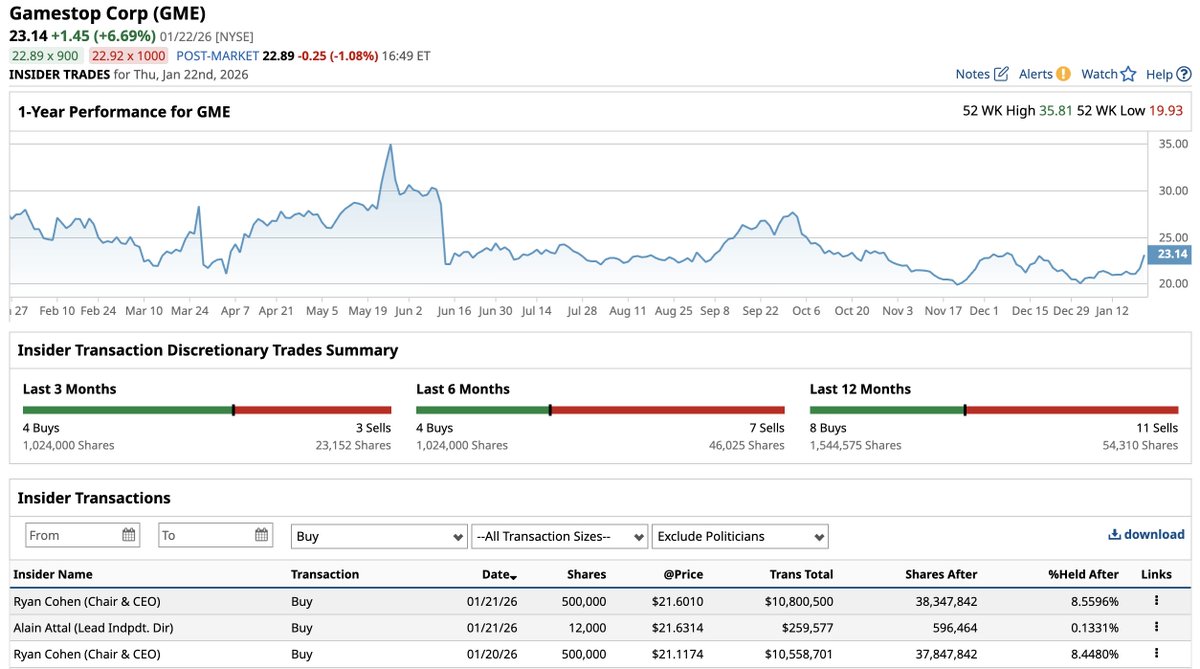
Ryan Cohen just dropped $20M+ in 2 days on company stock and not a peep from the masses $GME
#WeMustBeClose 😂😂