"An Experience That Could Not be Found Anywhere Else": Resonance as an Explanatory Concept for Player Experience Research and Game Design
<Canon before>
In HCI games research, resonance has predominantly been invoked as a loosely defined, everyday notion without conceptual clarity, often attributed by researchers rather than players themselves, limiting understanding and design for resonating player experiences.
<Departure from common sense>
Players use resonance not just as vague emotional impact but as a spectrum of experience involving deep emotional investment, personal connection, real-life transformative outcomes, and uniquely interactive game qualities; resonance includes both immediate 'clicking' experiences and lingering, reflective meaning-making that departs from the usual assumption that meaning is predominantly reflective and rational.
<Actual novelty>
The paper introduces resonance as an explanatory concept for player experience that synthesizes psychological and information science theories with empirical player narratives, defining resonance as a spectrum of emotionally evocative, personally relevant, and interactively unique gameplay encounters that can lead to long-lasting cognitive and behavioral impacts, providing a nuanced framework and design implications not previously articulated at this depth in HCI games research.
<Method limits>
The qualitative survey sample was predominantly men from Western countries with substantial gaming experience, limiting cultural and demographic generalizability; reliance on retrospective self-reports raises typical recall biases in player experience research.
<Deployment limits>
Findings primarily reflect adult players engaged in online communities, limiting applicability to non-English speakers, lesser-experienced players, or those outside Western cultural contexts.
<Boundary conditions>
Resonance as defined may be limited in its application to games, contexts, or populations that do not elicit or prioritize reflection, personal connection, or emotional engagement in similar ways; the concept may vary by cultural and individual factors affecting personal relevance and emotional alignment.
<Position in field>
This work advances HCI games research by operationalizing a previously vague notion into a nuanced, empirically grounded explanatory concept that bridges psychological theory and game design practice, addressing calls for deeper theory in player experience and reflection-focused game research.
Research: https://t.co/Njw8r9cRPN
Full Review Here:
https://t.co/Ki4MdLaWt4
#CHI2026
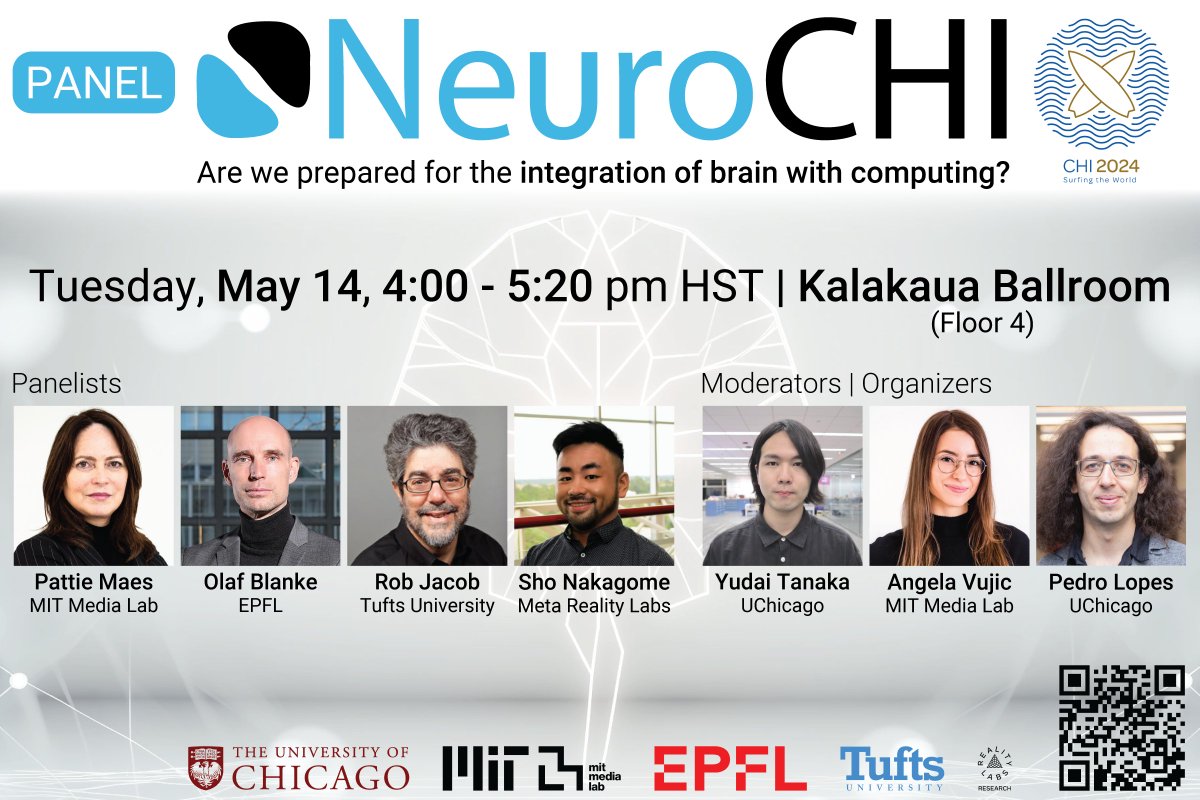
Dear #CHI2024 attendees,
@AngelaVujic, @plopesresearch and I invite you to NeuroCHI 🧠, a panel discussion at the intersection of Neuroscience & HCI.
Mark your calendars for May14 (Tue) 4:00-5:20 pm (HST) @ Kalakaua Ballroom
Together with amazing panelists—@PattieMaes, @OlafBlankeLab, Rob Jacob, and Sho Nakagome (@gomessdegomess)—
we will discuss the opportunities, challenges, & ethical implications of neurotech and how we, as HCI researchers, can accelerate this exciting domain!
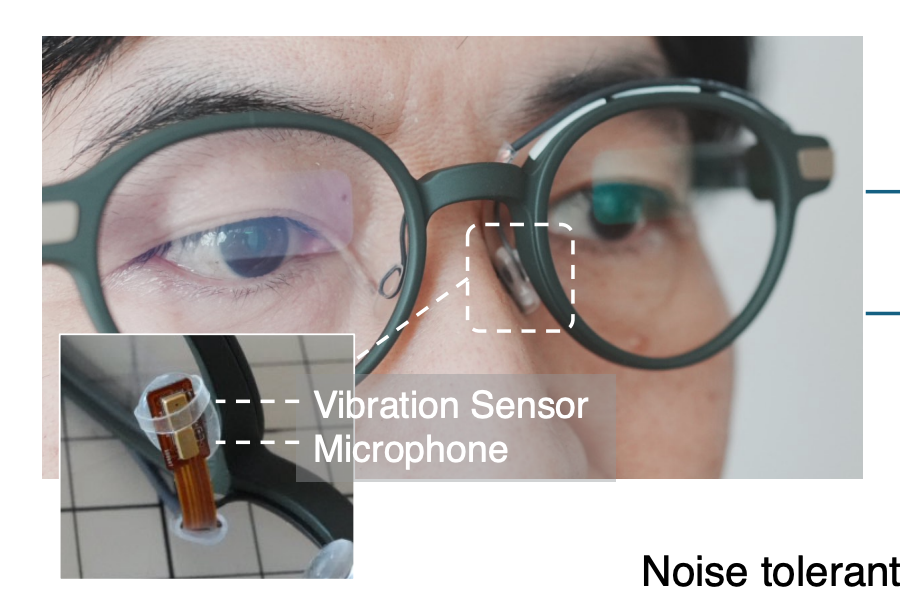
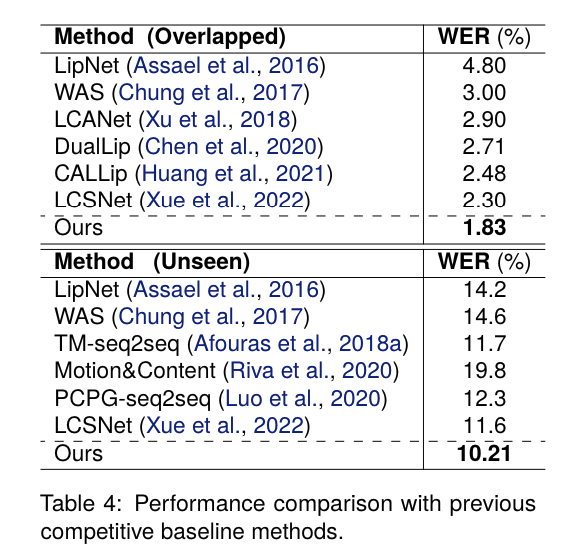
"MONA LISA reduces the state-of-the-art word error rate (WER) from 28.8% to 12.2% in the Gaddy (2020)
肝は、結局のところサイレントスピーチデータセットは音声のように十分になることはないから、いかにfew-shotの問題にアプローチできるかということ。
https://t.co/d1KexCcEwu
Looking at these prospective Ph.D. applications gives me a lot of hope for the future of HCI!
(also, just a reminder to other folks reviewing: prior publication success is *a* signal but not *the* signal!)