Sanctions Kill!
Sanctions are War!
End US Imposed Sanctions Now!
A broad international campaign to include protests, demonstrations, and educational efforts.
‼️ Help deliver medical supplies, solar lanterns, school kits and hygiene products to communities in need in #Cuba 🇨🇺
Donate now to help us fundraise $100,000 by the end of July 👉 https://t.co/GPTUzyr2uw
Growing calls to end UCMs: report from Capitol Hill
This spring constituents and grassroots orgs have been raising awareness in Congress and public forums of the harms caused by UCMs, discussing under-5 mortality in #Cuba as a case study.
READ FULL 👉 https://t.co/MJbZt01KBP
We have a responsibility—not just as professionals, but as human beings—to refuse a world where children are expendable. To demand better. To speak. To act.
As James Baldwin said:
“The children of the world are ours—every one of them.”
📢 Teach-in & toolkit launch 📚
Register 👉 https://t.co/XbT0XVfhzz
Join us for a demo and launch of our new teach-in materials explaining how the US blockades of #Cuba 🇨🇺 and #Venezuela 🇻🇪 undermine children’s right to health.
#SanctionsKill
"Rwanda’s 30-Year Assault on Congo: The Crimes, the Criminals, and the Cover-up"
- The latest from @AnnGarrison, in this week's @blkagendareport: https://t.co/peVpJrTMSf
US Moves to Undermine Colombia’s Socialist President; UFW Leader Desiree Rojas and Historian Paul Ortiz Reflect on their Struggle in the Wake of Cesar Chavez Revelations #Colombia@petrogustavo@DanielMKovalik https://t.co/OeeHYQx34o via @PacificaCRD
BAP National Co-coordinator Austin Cole talks about why we must remain in solidarity with Venezuela and the Bolivarian Revolution, as people rally in front of the federal court in Manhattan to demand the U.S. release President Nicolas Maduro and First Combatant Cilia Flores.
The DEA and DOJ are now targeting Colombian President Gustavo Petro while all eyes are on West Asia. Dan Kovalik, who represents Petro in US and international courts, says the president is like a rock star in Colombia. @petrogustavo@DanielMKovalik https://t.co/HF1qCf6Jqx
"Donald Trump and the Truth About Robert Mueller"
- Don't miss the latest from @freedomrideblog, BAR Executive Editor and Senior Columnist, in this week's @blkagendareport: https://t.co/ALdrrdCAqm
#AmericasWithoutSanctions campaign coordinator Jill Clark-Gollub is joining hundreds of people from around the world who are flocking to #Cuba 🇨🇺 this weekend on the Nuestra América convoy to bring humanitarian aid to counteract the criminal blockade imposed by the US government.
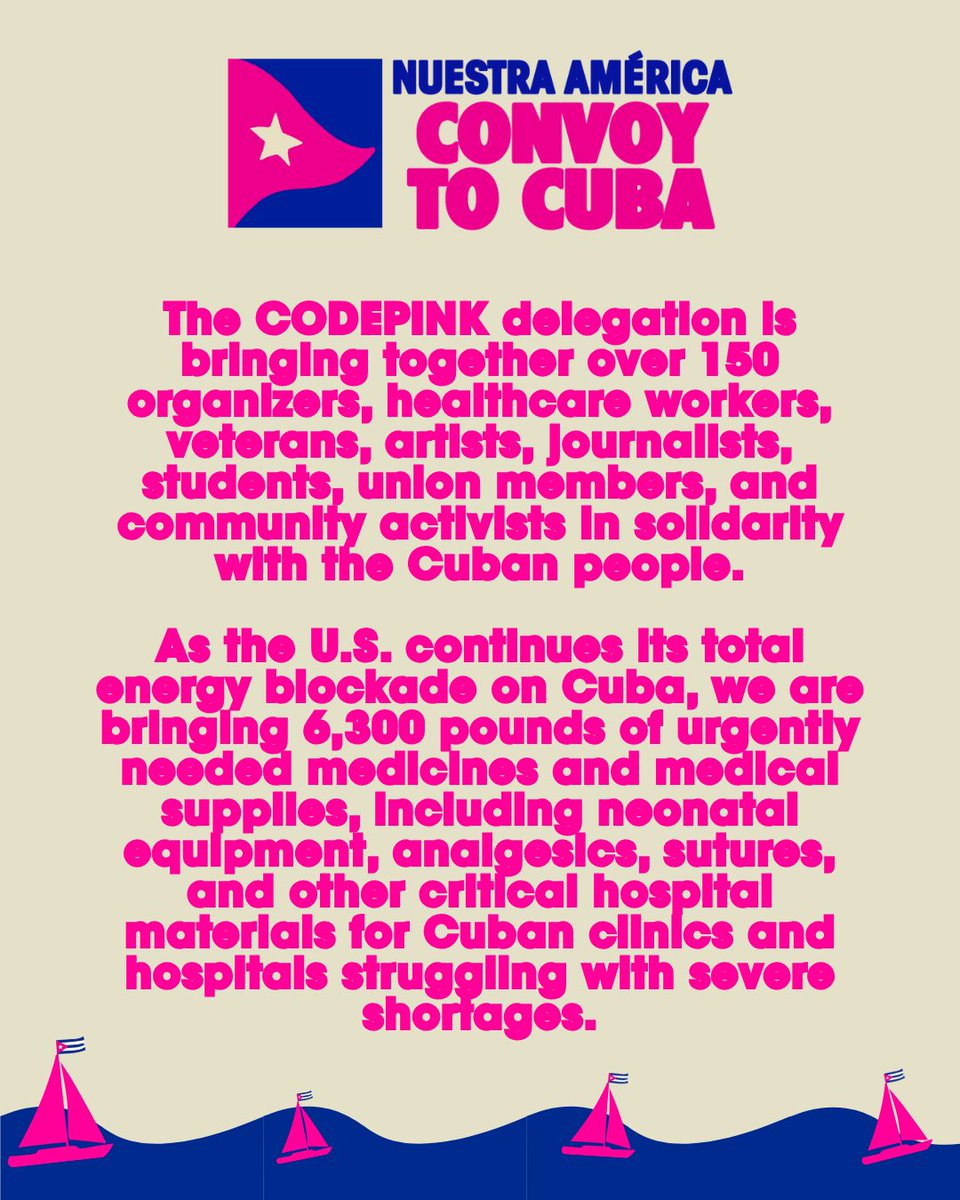
NOW 🇨🇺 We're on our way to Cuba!
Our CODEPINK delegation to the Nuestra América convoy is carrying thousands of pounds of urgently needed humanitarian aid.
We stand with Cuba!
MERCENARIES, INC: EMPIRE COERCES COLOMBIA TO BECOME PARAMILITARY EXPORTER
How did Colombia become a global exporter of mercenaries?
For decades, Washington framed Colombia’s conflict as a domestic issue. But critics have long argued that initiatives like Plan Colombia were not just about counter-narcotics, but also about securing strategic and economic interests.
What is less disputed is the outcome.
After more than half a century of war, Colombia now has one of the most battle-hardened militaries in the world. Tens of thousands of soldiers trained in counterinsurgency, jungle warfare, and urban combat have since retired into an economy that offers few opportunities—and modest pensions.
Many now look abroad.
From the Middle East to Africa, Colombian ex-soldiers have become a key labour force in the global private security industry. Thousands have worked in countries such as Iraq, Yemen, Libya, and Somalia, often contracted by Gulf-based firms. Reports also suggest their presence in more recent conflicts, including Ukraine and Sudan.
Nowhere has this trend drawn more scrutiny than in Sudan, where Colombian fighters have reportedly been recruited into the country’s brutal conflict. Some families claim their relatives were misled about the nature of their deployment, raising serious questions about recruitment practices and accountability.
Gustavo Petro has condemned what he describes as the commodification of former soldiers—men trained for war, now circulating through global conflict zones.
The pipeline is structural: a surplus of trained fighters, limited domestic prospects, and a growing international demand for experienced security personnel.
From Colombia’s long war to today’s global battlefields, the consequences are no longer contained within its borders.
Diana Carolina Alfonso, a Colombian historian, provides this detailed breakdown for Sovereign Media from Bogotá, Colombia.
@venanalysis@VoxUmmah@qiaocollective@ProgIntl @blkagendareport @OrinocoTribune@KawsachunNews
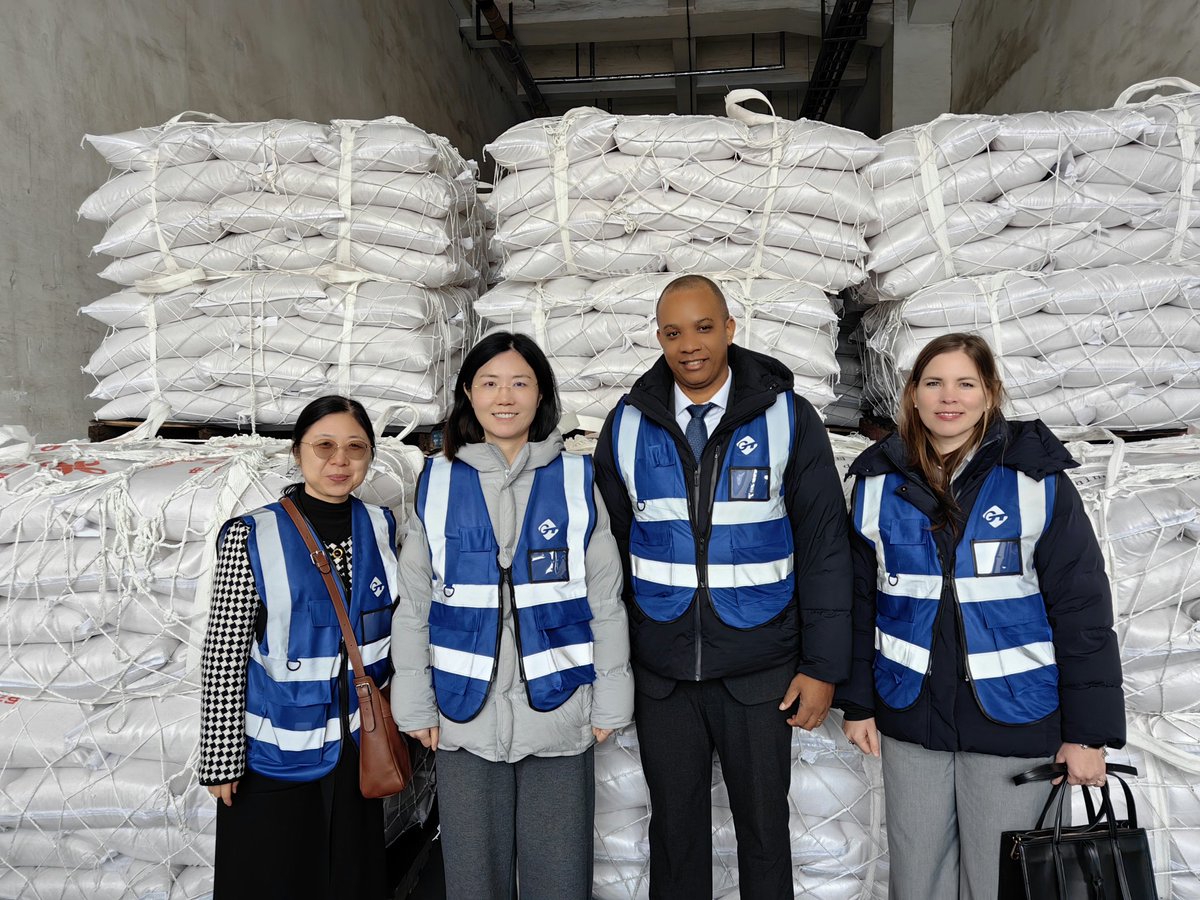
🇨🇺🤝🇨🇳 The first badge of the 60 thousand tons of rice offered by the People's Republic of China, sets sail towards #Cuba.
In response to adversity, the solidarity of true friends prevails and demonstrates that #CubaIsNotAlone.