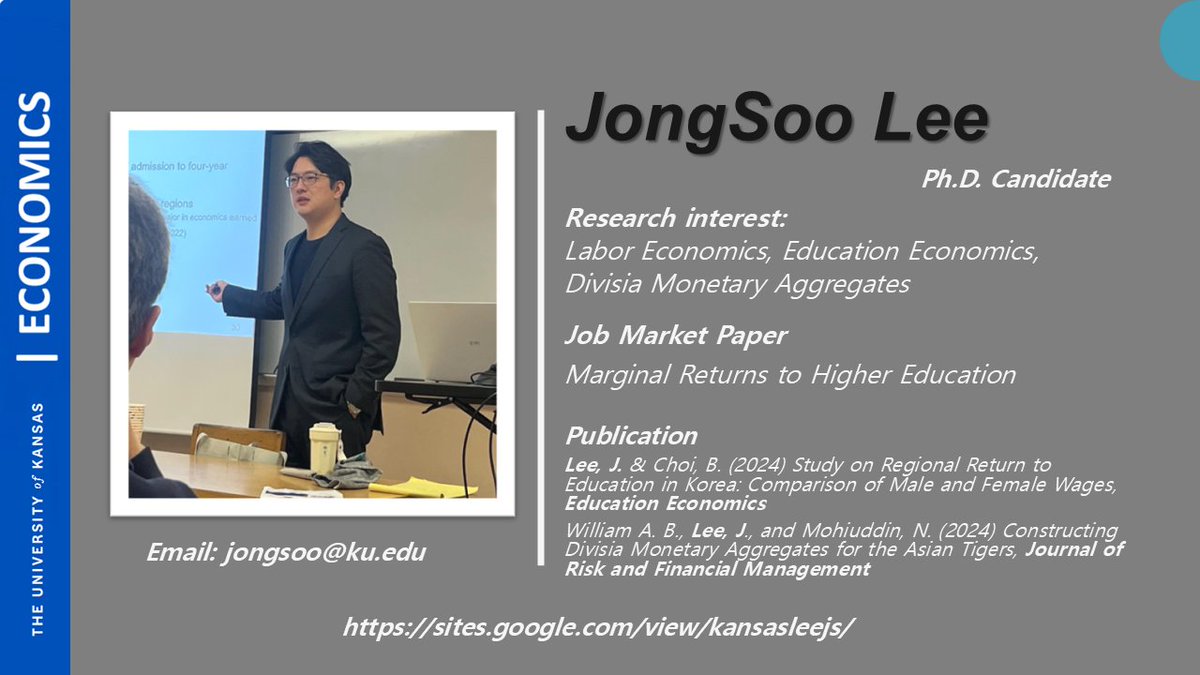
Ph.D. candidate, Economics, University of Kansas. Education, Immigrant, Inequality, Regional Economics @KU_economics #PhD🇺🇸🇰🇷 | On the 25-2026 Job Market
📢I have officially become a PhD candidate this week! I’m deeply grateful to my advisor and committee members for their support. I hope to be in academia in the future. For more details about my research please visit my personal website. @KU_Economics
https://t.co/XQAzwIMaq4
Asian Americans are the fastest-growing racial group in the US. We spoke with @hpostel of @DukeSanford about the history of Asian immigration and how current policy might shape immigration going forward. #ResearchHighlight https://t.co/qurRZ81E9M
Recently accepted by #QJE: “Automation and Rent Dissipation: Implications for Wages, Inequality, and Productivity,” by Acemoglu (@DAcemogluMIT) and Restrepo: https://t.co/1E23YgMExo
AEA job market update. The numbers don't lie, as this is the toughest market for PhD economists in recent memory.
JOE listings are down 20% from last year. Worse: they are 19% below COVID levels. Let that sink in.
The academic market took the biggest hit. Full-time US positions dropped 33% year-over-year. Liberal arts colleges and PhD-granting universities? Both down about a third. International academic postings fell 13% from last year, 25% from COVID.
Nonacademic isn't much better: down 27% from last year, 45% below COVID. And federal government hiring? That's where it gets ugly. Down 71% year-over-year, 79% below COVID. DOGE cuts plus the shutdown created a perfect storm.
One bright spot: private sector jobs in consulting, research, banking, and finance are holding steady at recent-year levels.
Bottom line for candidates: the data confirm what you're feeling. It's brutal out there. Universities facing their own financial pressures should still find ways to bridge unmatched candidates for another year. The talent is there—the opportunities aren't.
H/T John Cawley
📢 #EdWorkingPapers: Why are college enrollments declining?
Joshua Goodman & Joseph Winkelmann show that the drop is concentrated in 2-year colleges and about 60% of the post-Great Recession decline is explained by the pull of stronger labor markets.
📄 https://t.co/EeKzpTDCEd
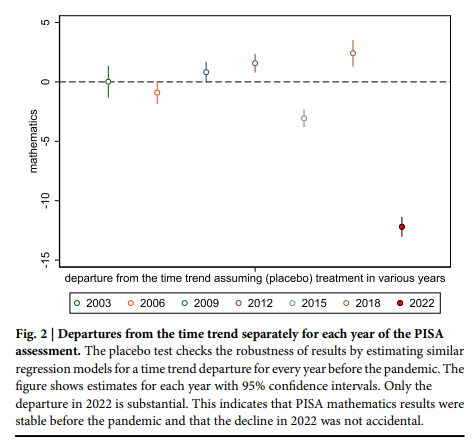
COVID-19 school closures resulted in schooling disruptions. Global test scores declined 14% of a SD, or 7 months of learning. Losses greater for students in schools that faced longer closures, boys, immigrants, disadvantaged. Educational losses may translate into significant national income losses over time. https://t.co/cDCflOjPhc
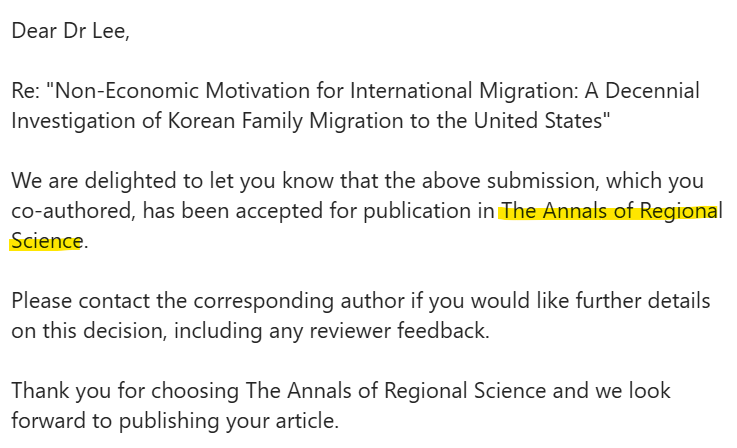
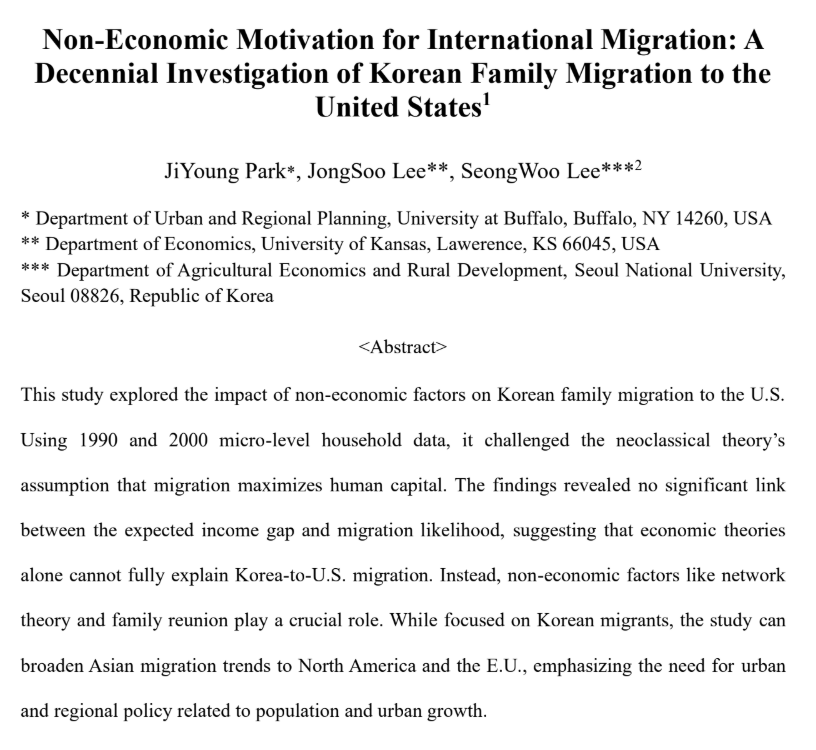
I am excited to announce that our paper titled “Non-Economic Motivation for International Migration” has been accepted for publication in The Annals of Regional Science. Draft: https://t.co/i71UyWPWZP
#publication#migration#annalsofregionalscience
New from @ua_edreform's @hpatrinos "Education and Earnings in Arkansas" uses 2024 CPS data to examine education's impact on earnings and returns to investment. 👇
https://t.co/XRKs6ZdItb
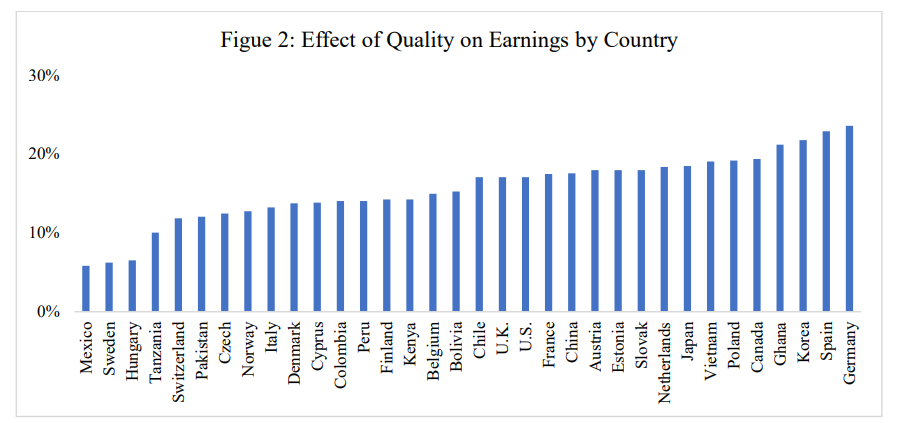
The Effect of Raising School Quality on Earnings
Literature review shows it's not just years in school that matter—but what’s learned. While one year of schooling yields ~10% higher earnings, a 1 standard deviation increase in test scores yields ~15%.
Quality > quantity. #EdPolicy
Working paper: https://t.co/vI7gUCx4Re
Just Accepted new paper, “Minimum Wages and Poverty: New Evidence from Dynamic Difference-in-Differences Estimates” by Richard V. Burkhauser, Drew McNichols, and Joseph J. Sabia https://t.co/PNN0simIWN
Reminder:
Only 14% of US residents are immigrants.
But immigrants are responsible for 36% of aggregate innovation.
Two-thirds of this contribution is due to making their native-born collaborators better.
Is it "good" or "bad" when skilled people leave low-income countries? We summarized the evidence in favor of "brain gain" vs. "brain drain": https://t.co/zuruPjiTWd
Ungated PDF: https://t.co/B5aVnuut8T
I am excited to share that our paper “Responses to Extreme Temperatures: Migrant Networks and International Migration from El Salvador” with @anamibanez, @juliana_quigua1 and @jimena_rp has been conditionally accepted at the AEJ: Economic Policy! #econtwitter
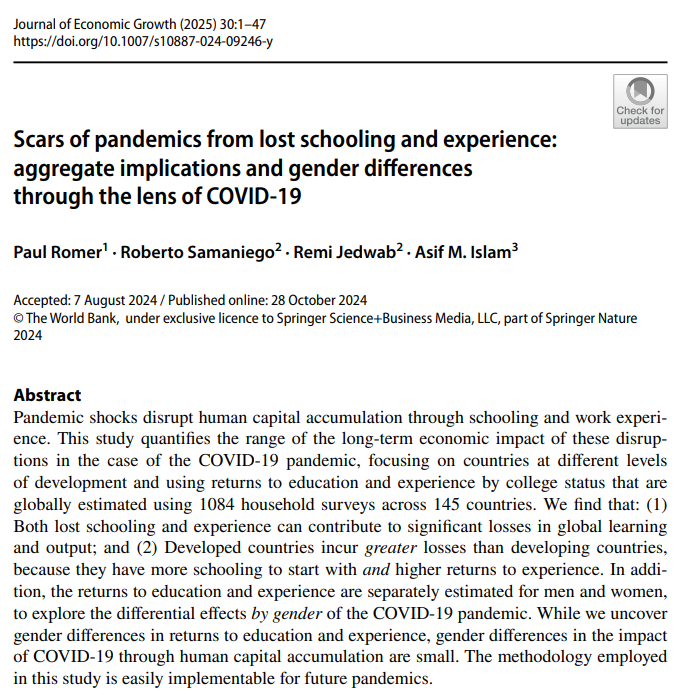
Scars of pandemics from lost schooling and experience: aggregate implications and gender differences through the lens of COVID-19
New paper in J. of Eco Growth by Romer, Samaniego, Jedwab & Islam
https://t.co/QW0A8HfCAO
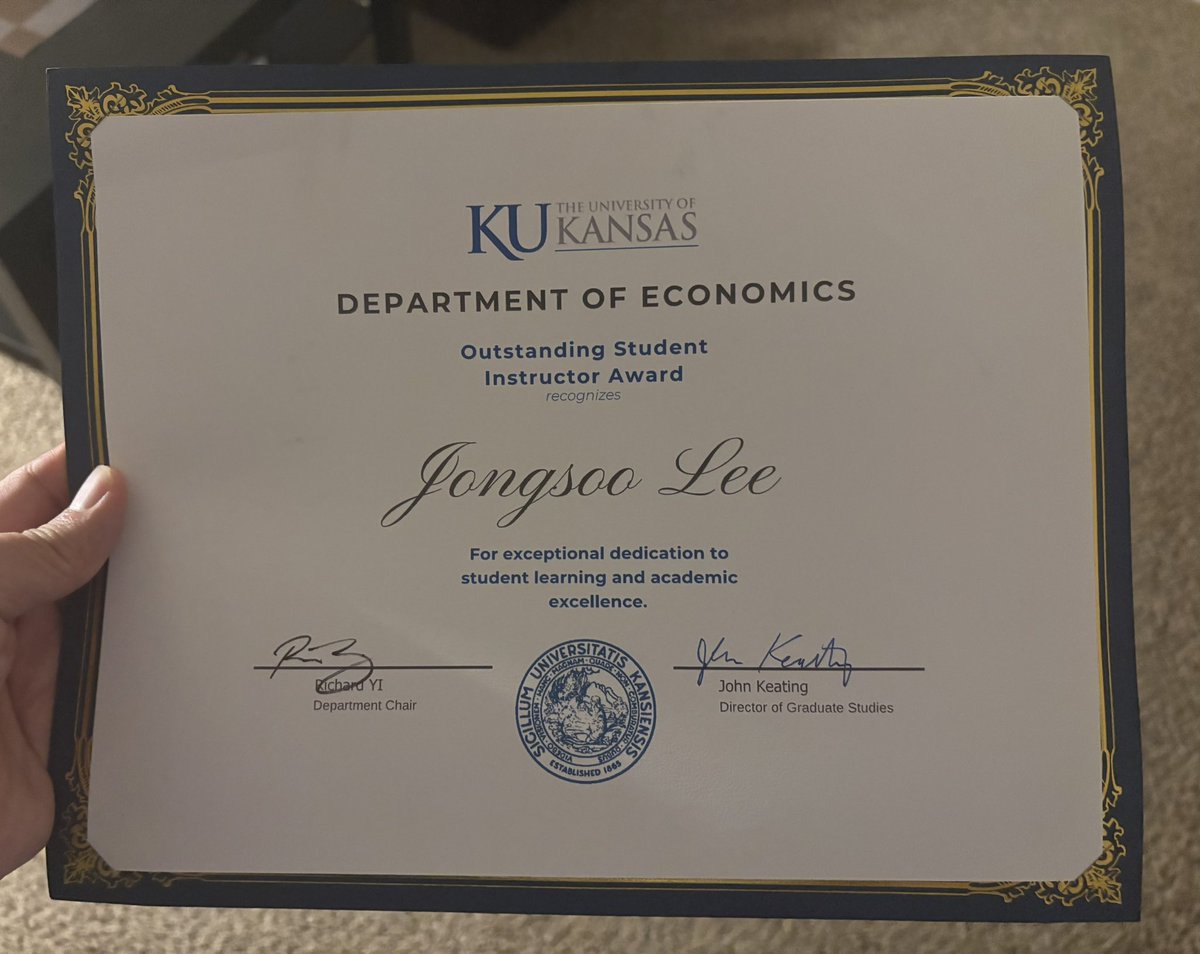
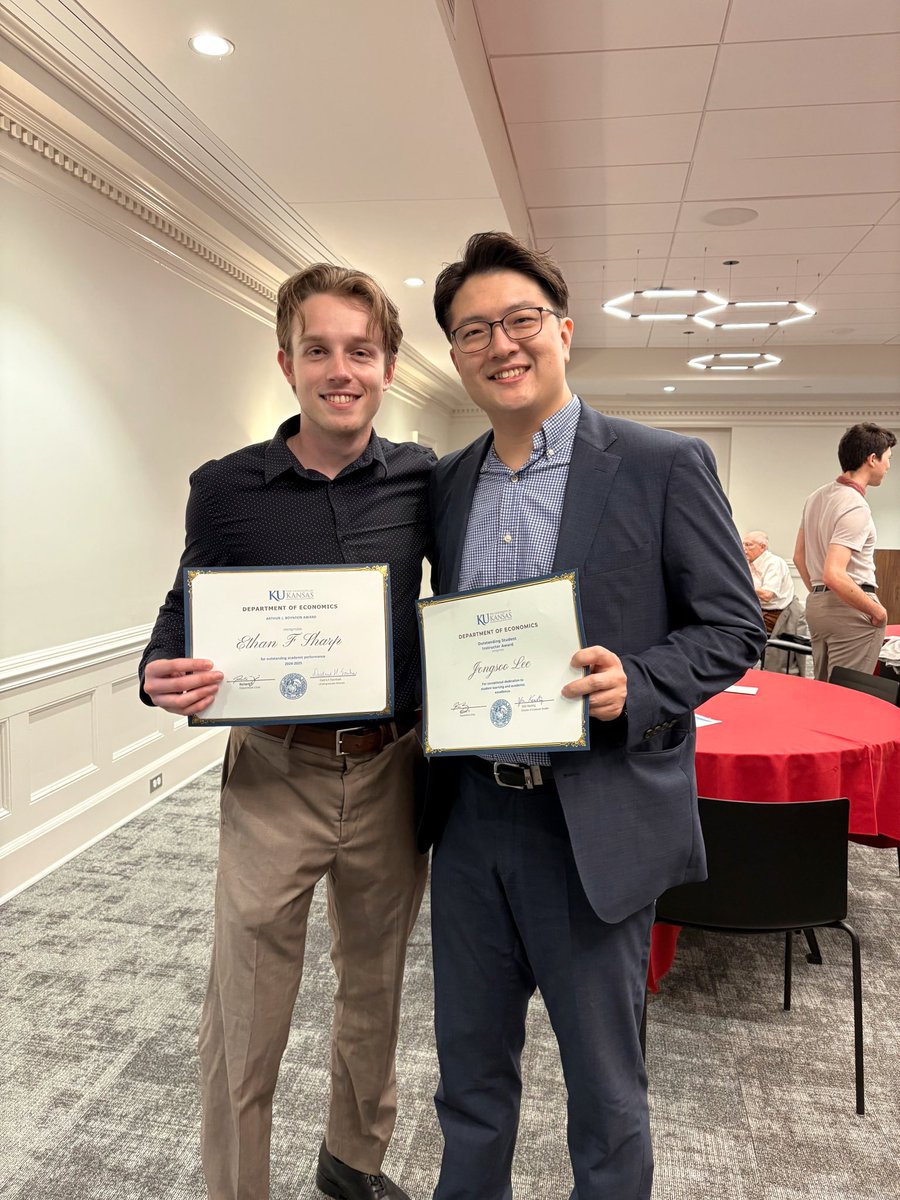
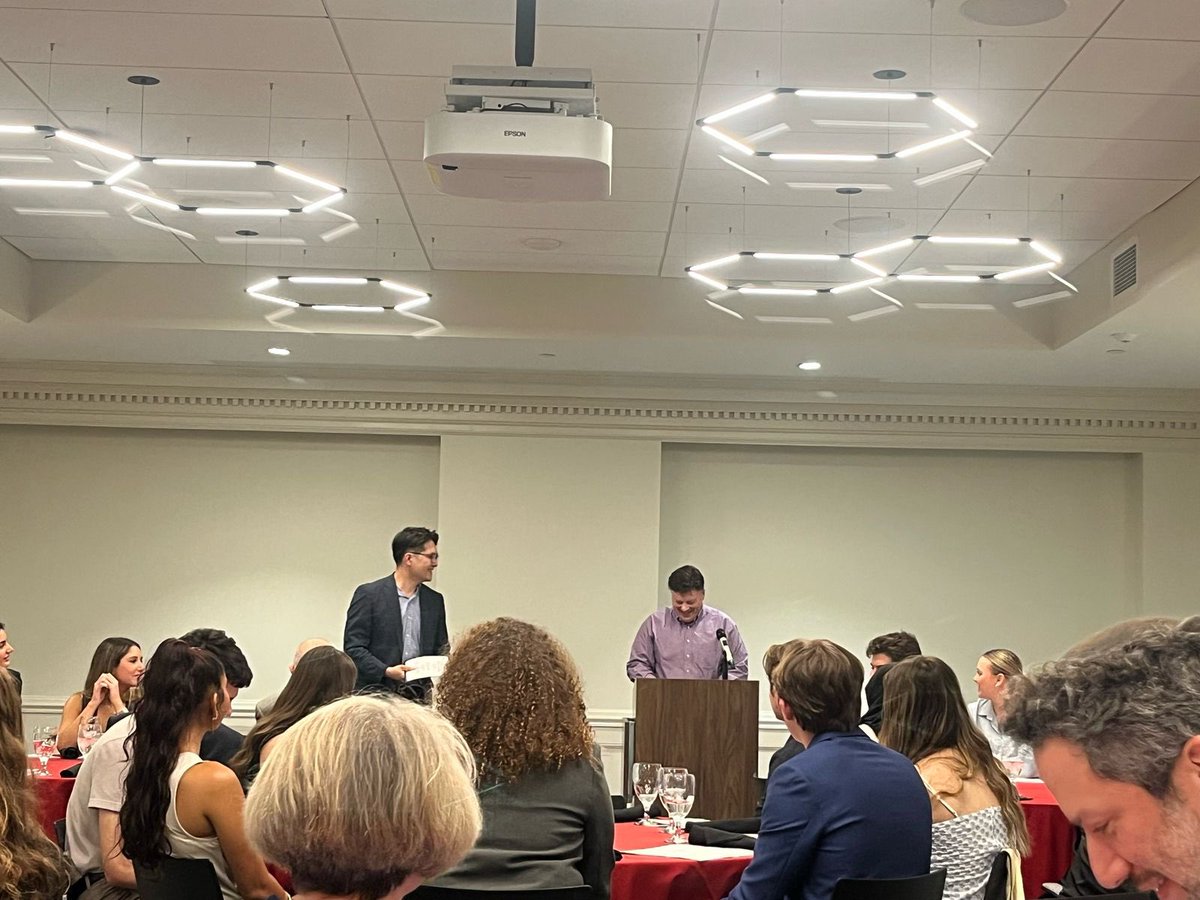
Honored to receive the Outstanding Student Instructor Award @KU_Economics!
I am especially grateful to my advisor Donna Ginther (📸1) for her continuous support, guidance, and belief in me! Grateful my amazing students - thank you!!
#Gratitude#Teaching#StudentInstructorAward
Congratulations to Donna Ginther, distinguished professor of @KU_Economics, for being named a member of the @americanacad!
Read more about the highly prestigious award and Ginther's work below.👇
https://t.co/okk686fpZL