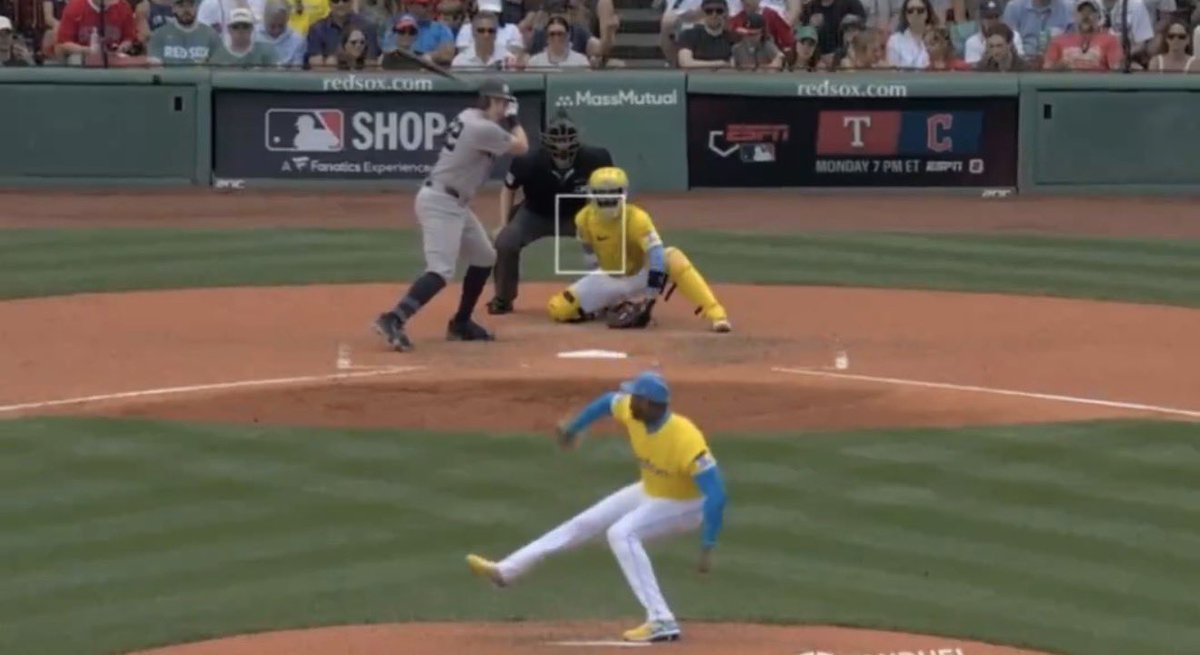
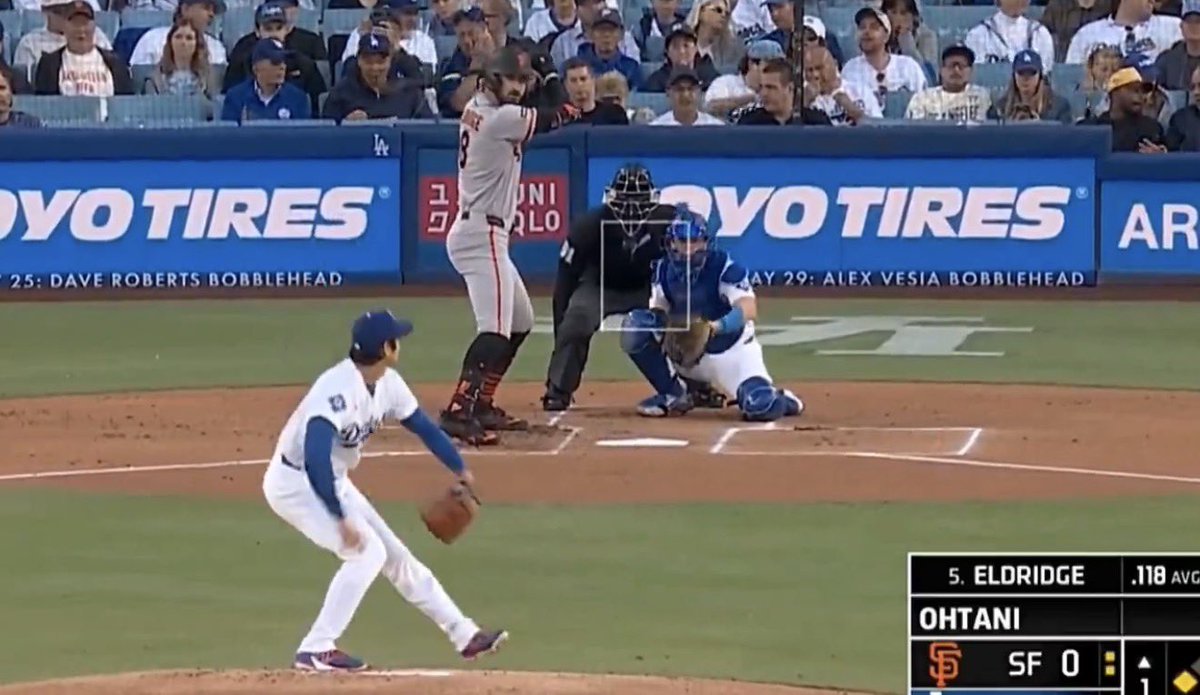
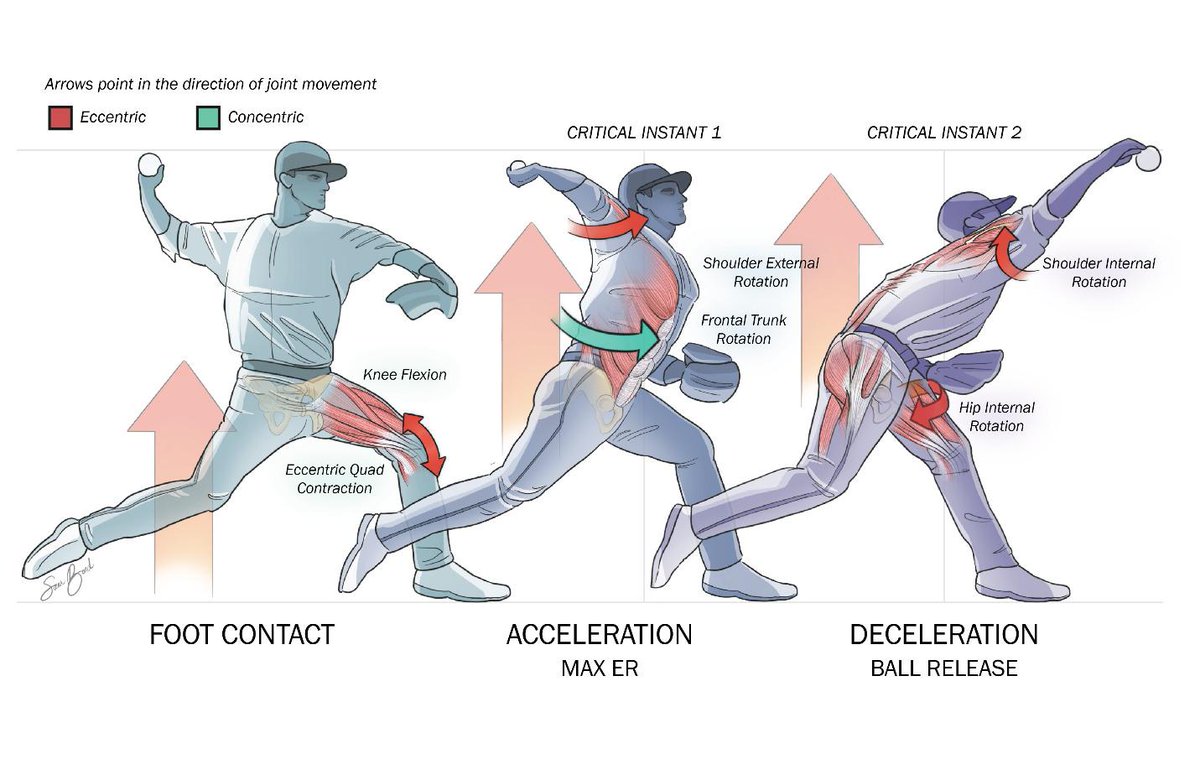
If this video teaches us anything, it’s that the ability to move the center of mass as fast as possible while still maintaining postural control outweighs any other velo “unlock”. Force = mass x acceleration. So if I don’t have a ton of mass, you better be able to accelerate and turn linear energy into rotational energy. And if you have adequate amount of mass, accelerate well, and then time up the subsequent rotational energy to maximize output into the hand - well you get some special stuff like this.
Those principles hold true no matter what size/shape the athlete is. And pitching development from the output side of the equation is about scaling a system to identify the leaks in that chain while creating the intervention process to address the leaks.
Maximizing energy transfer has been and always will be the root of velocity development. Investigate and intervene accordingly.
Video courtesy of @PitchingNinja
Anyone can throw 90 mph.
Anyone can throw 90 miles an hour if they start training at a decently young age.
Ninety miles an hour these days really isn’t that special anymore.
Five or 10 years ago, 90 was the number where if someone hit it, everyone thought they threw gas.
But now you see high school sophomores and juniors pumping 90 miles an hour all the time.
It’s no longer rare.
Honestly, 95 is the new 90.
Because of that, we’ve built a pretty solid system to help develop athletes into 90 mile an hour throwers.
Whether it’s a high school player, a JUCO guy, or a younger college athlete, the goal is the same.
Develop them into someone who can throw 90 miles an hour.