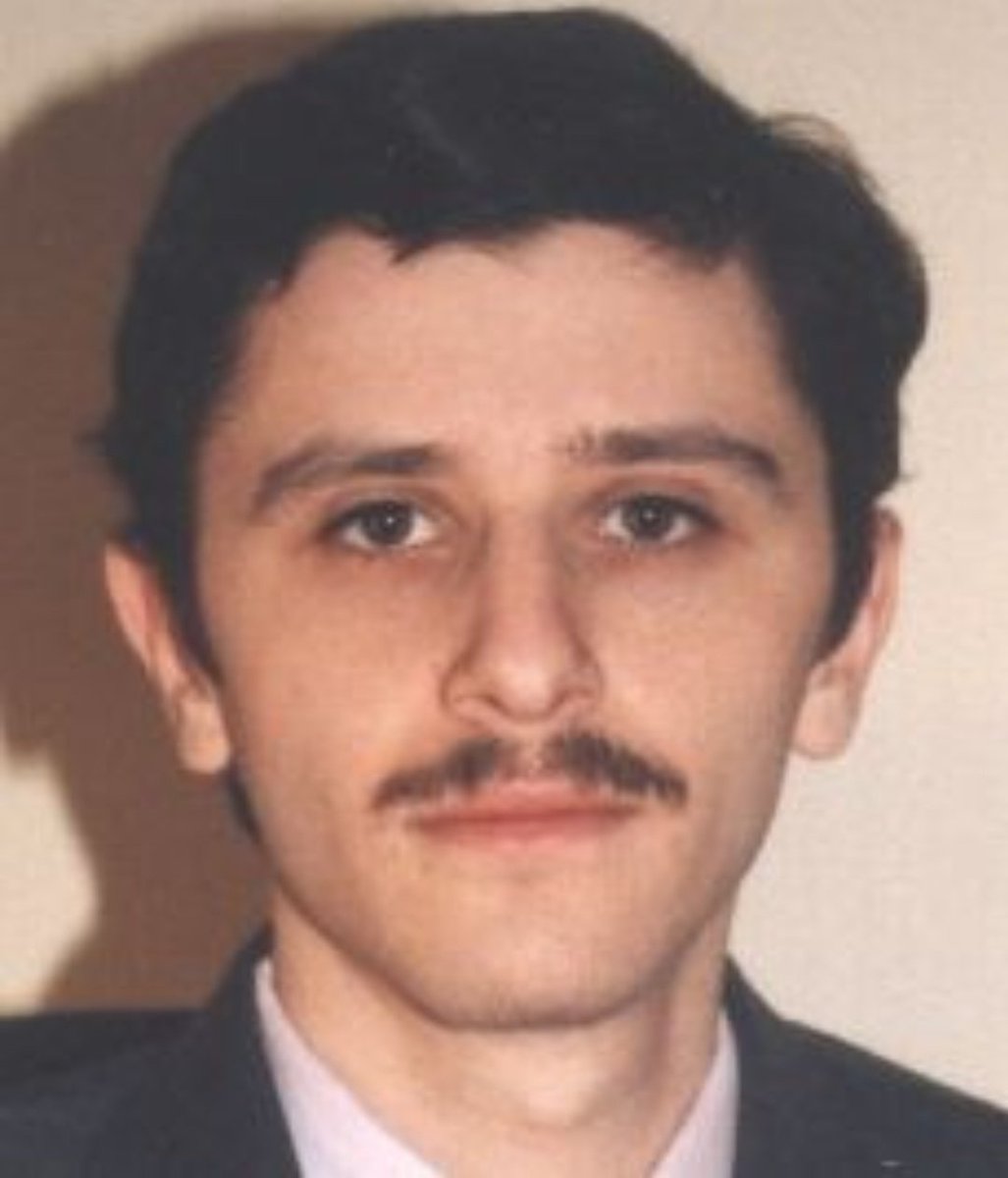
Speaking about the deep contradictions in human nature, Japanese actor Hiroyuki Sanada said:
“Some people dream of having a swimming pool at home, while those who have one barely use it. Those who have lost a loved one feel a profound sense of loss, while others often complain about the relatives still in their lives. Those without a partner long for one, while those who have a partner often fail to appreciate them. The hungry would give anything for a meal, while the full complain about the taste of their food. Those without a car dream of owning one, while those who have a car are always looking for a better one.
The key to happiness is gratitude—to truly see and value what we already have, and to understand that somewhere, someone would give everything for what we take for granted.”
In 1879, Ugandan healers were performing cesarean sections with a survival rate that stunned European doctors—while much of the "civilized" world still saw the procedure as a death sentence.
British explorer Robert Felkin documented the operation in detail. The surgeon used banana wine as an antiseptic, herbal anesthetics to manage pain, and cauterization with a hot iron to control bleeding. The mother survived. The baby survived. The technique worked.
This wasn't primitive luck. It was sophisticated medical knowledge passed down through generations—refined, systematic, life-saving.
Yet the dominant narrative tells us modern medicine arrived in Africa with colonizers and that before European intervention, the continent had no science, no innovation, no expertise.
But here's the contradiction: if African medical practices were so "backward," why were European observers documenting them with awe? Why were these techniques—rooted in empirical observation and botanical knowledge—producing outcomes that Europe itself struggled to achieve until the late 19th century?
The Buganda Kingdom had what the British Empire didn't: working cesarean sections that saved lives.
So what else were we doing that got erased, ignored, or rebranded as "discovered" by someone else?
Sources:
- Felkin, R. W. (1884). "Notes on Labour in Central Africa." Edinburgh Medical Journal
- Ajayi, J. F. (1965). Christian Missions in Nigeria 1841-1891. Northwestern University Press
Credit: African Echo
- Meet Eugene Roshal
- Creator of WinRAR
- RAR literally stands for Roshal Archive
- Avoided Silicon Valley
- Avoids media attention
- Keeps his personal life extremely private
- said software will expire After 40 days of trial but it never actually expired 😭
- It became one of the most installed software tools on Earth
- Estimated Net Worth: $100 million – $250 million
- In a world of loud tech founders
- He chose silence and still won
While the world was just getting used to personal computers..
He was building one of the most powerful compression algorithms ever made
Legend 🗿