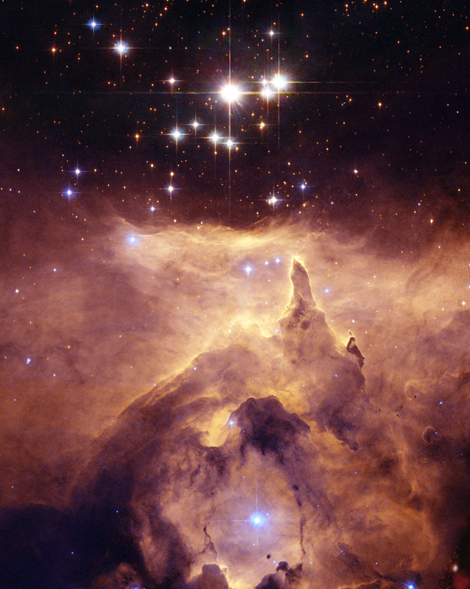
✨Astronomy Picture of the Day✨ NGC 6357: Cathedral to Massive Stars: Estimates made from distance, brightness and standard solar models had given one star in the open cluster Pismis 24 over 200 times the mass of our Sun, making it one of the most massive stars known.
📸: NASA, ESA and Jesús Maíz Apellániz (IAA, Spain)
A breathtaking view of star-forming region NGC 1333
This view offers an example of the time when our Sun and planets formed inside such a dusty molecular cloud, 4.6 billion years ago.
(Credit: NASA, ESA, STScI)
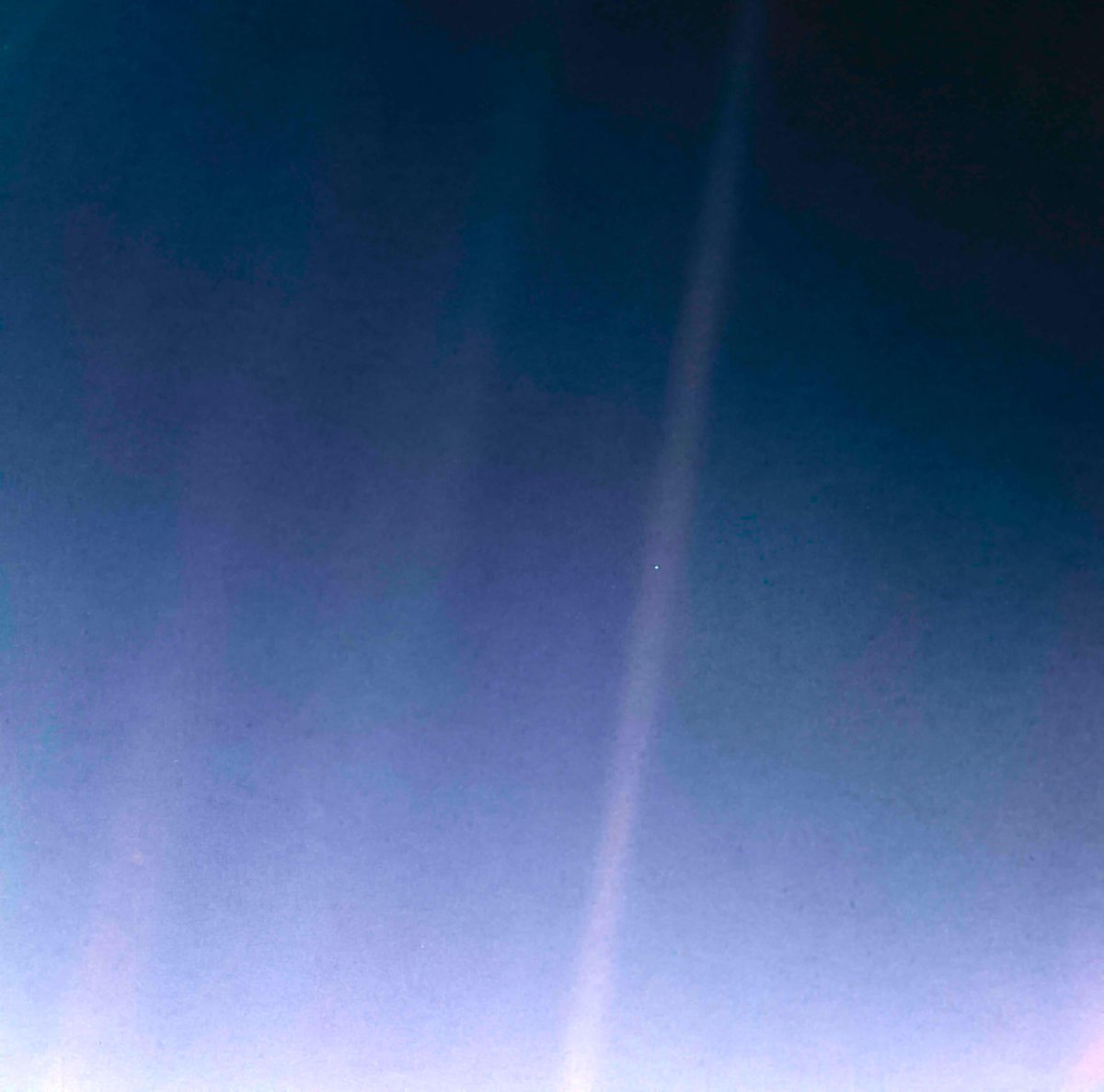
That's here. That's home. That's us
The Pale Blue Dot is a photograph of Earth taken Feb. 14, 1990, by NASA’s Voyager 1 at a distance of 3.7 billion miles (6 billion kilometers) from the Sun.
The image inspired the title of scientist Carl Sagan's book, "Pale Blue Dot: A Vision of the Human Future in Space," in which he wrote: "Look again at that dot. That's here. That's home. That's us."
This image, “Pale Blue Dot Revisited,” was created in 2020 for the 30th anniversary of the iconic picture. The updated version used modern image-processing software and techniques to revisit the well-known Voyager view, while attempting to respect the original data and intent of those who planned the images.
Credit: NASA/JPL-Caltech
These two images were taken by @astro_reid only minutes apart. The stark difference is the result of camera settings. In the first, a longer shutter speed let in much more light from Earth, while the shorter shutter speed in the second emphasizes our planet's nighttime glow.