Today, @Google signed the world’s first corporate agreement to purchase nuclear energy from a series of small modular reactors, to be developed by @KairosPower. Learn how this will help bring new 24x7 clean power to the US electricity system. ⬇️
https://t.co/sGLydi94l2
Please retweet!
Searching for a PhD student for my VIDI grant. The team is building a programming model & self-driving streaming dataflow engine for Transactional Stateful Functions.
Apply here by 10th February (and drop me an email): https://t.co/QZjnvf4yIk
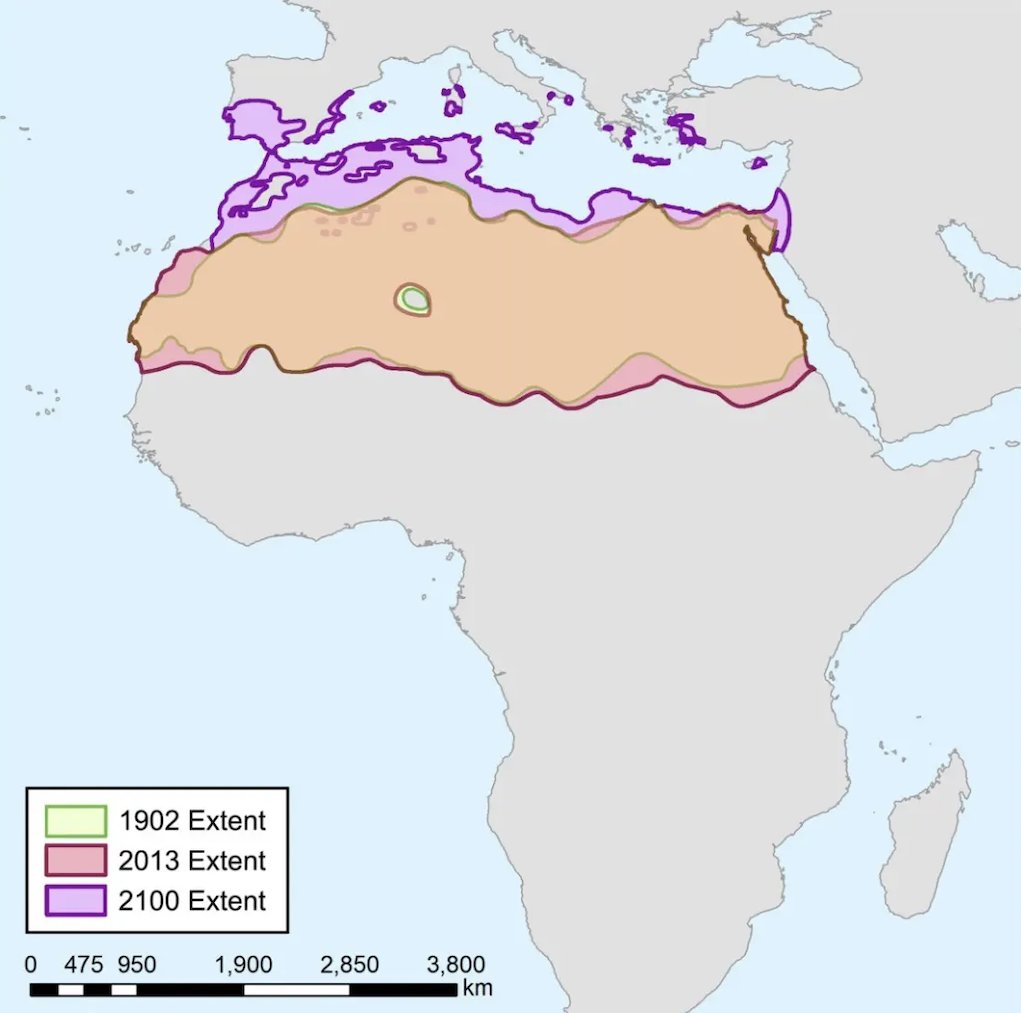
The desert is coming.
The Sahara desert is expanding towards Southern Spain and Italy, and experts predict that both regions will become deserts by 2100 or even sooner.
In 1971, engineers from the Soviet Union ignited a fire in a gas-filled hole in the Turkmenistan desert. Anticipating that the flames would extinguish within days, they were surprised when the fire continued to burn. Now, 52 years later, this site, known as “The Door to Hell,” is still ablaze.
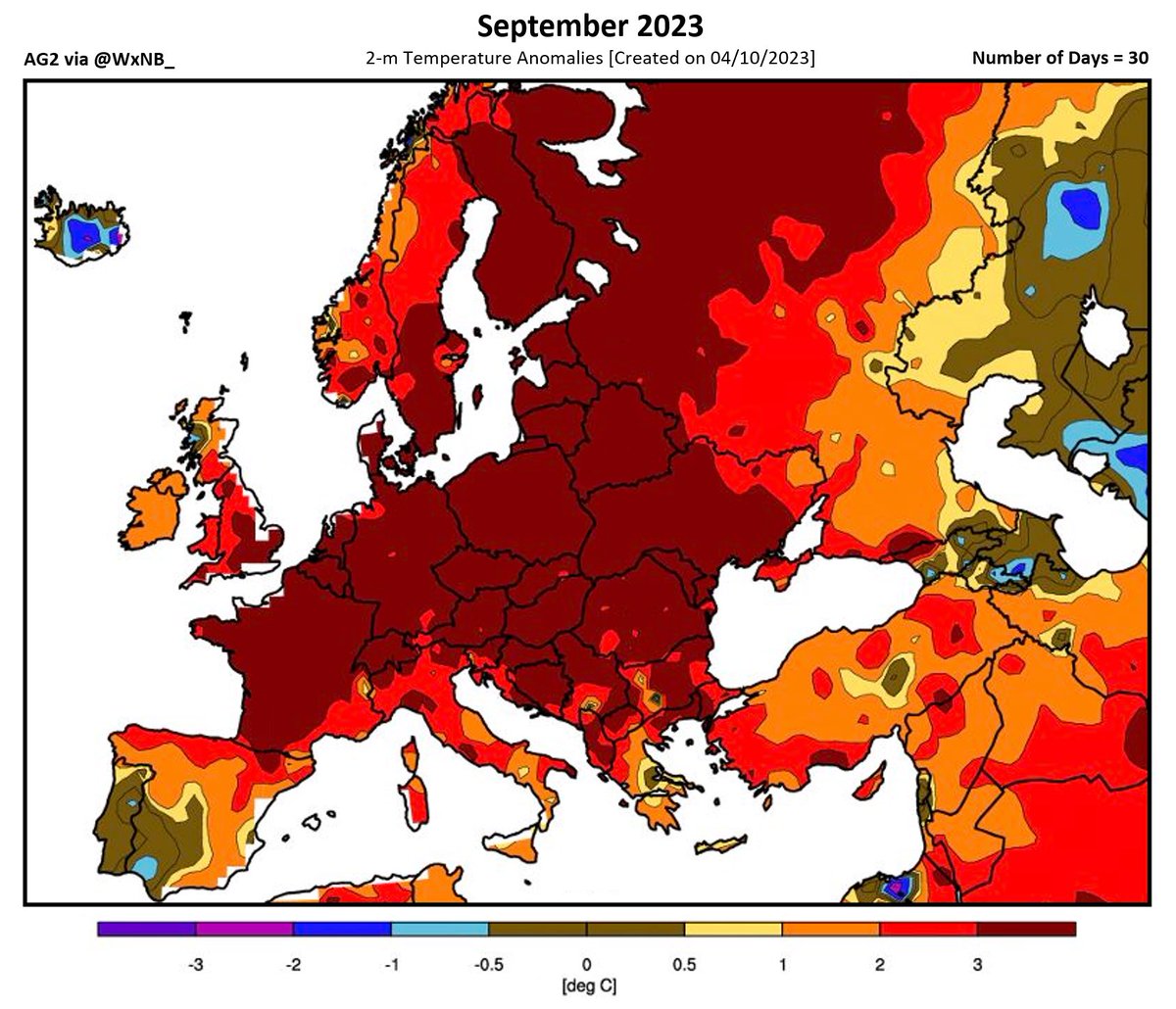
September 2023 will easily go down as the warmest September ever recorded in Europe.
The national-average temperatures are greater than 3°C above 1991-2020 "normals" in at least 10 countries. This is absolute insanity.
Barefoot Gen (1983) is an anime based on Keiji Nakazawa's manga, offering a heartbreaking child point of view on one of the biggest tragedies of the XX century. The author was 6 and he was there when Hiroshima was bombed, 78 years ago #Today
https://t.co/xvAgQH618v
If you sit in back-to-back meetings at work, read this:
Microsoft's Human Factors Lab studied 14 participants across two days of video meetings.
• Day 1: 4 back-to-back 30-min meetings.
• Day 2: 4 30-min meetings with 10-minute breaks in between.
Participants wore EEG caps to monitor electrical activity in their brains.
The results were fascinating...
The two key takeaways:
Takeaway 1: Back-to-Back Meetings Promote Stress
Back-to-back meetings created an accumulating buildup of stress in the brain.
Anticipation of transitions caused further spikes.
Short breaks in between meetings allowed the brain to reset and never experience the stress buildup.
Takeaway 2: Breaks Promote Performance
Back-to-back meetings resulted in negative levels of frontal alpha symmetry, a brain state connected to lower levels of engagement.
Short breaks in between meetings resulted in positive levels, meaning participants performed better.
Conclusion: Take More Breaks
The conclusion of the study seems to be that short breaks in between meetings are necessary:
• Eliminate stress buildup
• Improve performance
• Reduce impact of attention residue
I started implementing 25-minute meetings into my schedule (a built in 5-minute break) and immediately noticed a positive impact.
A short walk or some movement in that window provided a clear reset.
25-minute meetings also eliminate the 5 minutes of “how about the weather” low value chit chat most meetings open with.
If you set the tone to dive in and stay focused, there are few things that take more than 25 minutes.
Try it!
If you enjoyed this or learned something, follow me @SahilBloom for more in the future.
Please retweet!
I am searching for two PhD students and one postdoc for my VIDI grant. We are building a programming model & self-driving dataflow engine for Transactional Stateful Functions.
For PhD apply here by 15th July: https://t.co/SviNusp3FI
Postdoc: drop me an email!
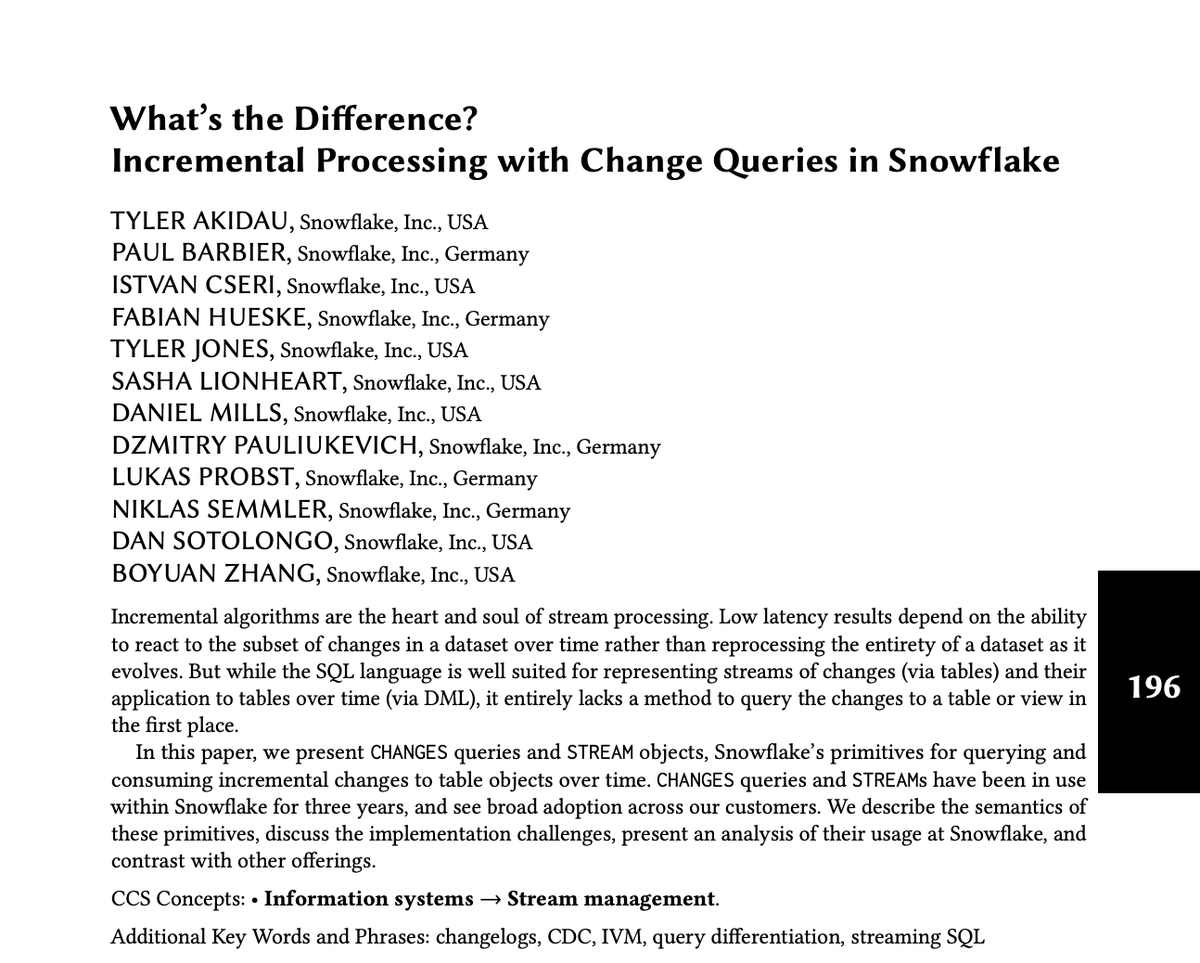
Incremental processing is the foundation of efficient stream processing across the entire latency spectrum, yet SQL lacks a native mechanism for querying changes to a table over time. Today we present our #SIGMOD paper describing Snowflake Change Queries https://t.co/DtkYvIs397
Current @SnowflakeDB engineer Gloria Doci @glor10us TU Darmstadt's team will be presenting their "Distributed GPU Joins on Fast RDMA-capable Networks" paper on Thursday at 2 PM in Evergreen GH.
@sigmod#DataCloud
Geomorphology of a river: what happens when you install a dam or a weir and how the sediment transport changes
[full video + full explanation here: https://t.co/cjyB0kqwm4]
Lines of code:
MS-DOS: 4 thousand
WhatsApp: 30 thousand
Telegram: 50 thousand
Zoom: 60 thousand
TikTok: 80 thousand
Space Shuttle: 400 thousand
Minecraft: 500 thousand
Instagram: 1 million
US Military Drone: 3.5 million
YouTube: 5.4 million
World of Warcraft: 5.5 million
Boeing 787: 6.5 million
Google Chrome: 6.7 million
Chevy Volt: 10 million
Twitter: 10 million
Android: 12 million
iOS: 12 million
Mozilla Firefox: 21 million
Windows XP: 45 million
Large Hadron Collider: 50 million
Ubuntu: 50 million
Facebook: 62 million
MacOS X: 84 million
Tesla: 100 million
Google: 2 billion
Mark your calendar during NSDI 23', Boston MA.
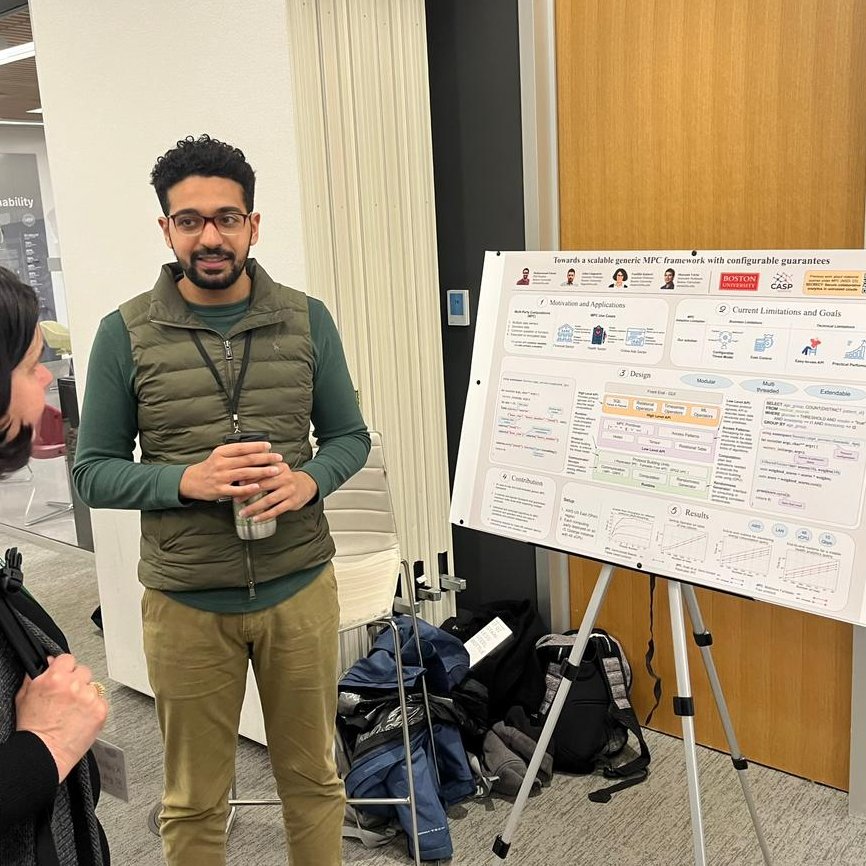
I will be presenting my work on secure computation titled "Towards a scalable generic MPC framework with configurable guarantees" on Monday@6pm in the poster session.
Excited to announce @AugmentaAg is acquired by @CNHIndustrial, the second largest global agricultural equipment manufacturer, for $110m
CNHI will continue to strategically invest in Augmenta, turning Athens into an R&D hub
Congrats to the whole team🎉
https://t.co/ltOsvn1Hmf
Let’s start the year by reflecting on the colossal waste of resources in Bitcoin mining:
During 2022 Bitcoin consumed 161 TWh of electricity in total, exceeding a country such as Sweden.
Related CO2 emissions were ~90 Mt; again negating the entire global net savings from EVs.





![Rainmaker1973's tweet photo. Defending a castle, the Escher way
[source, Mehdi Alibeygi: https://t.co/ECLu8eOKb3] https://t.co/BAnoM8KPsV](https://pbs.twimg.com/media/FlAuoqrWAAgiYm-.jpg)


