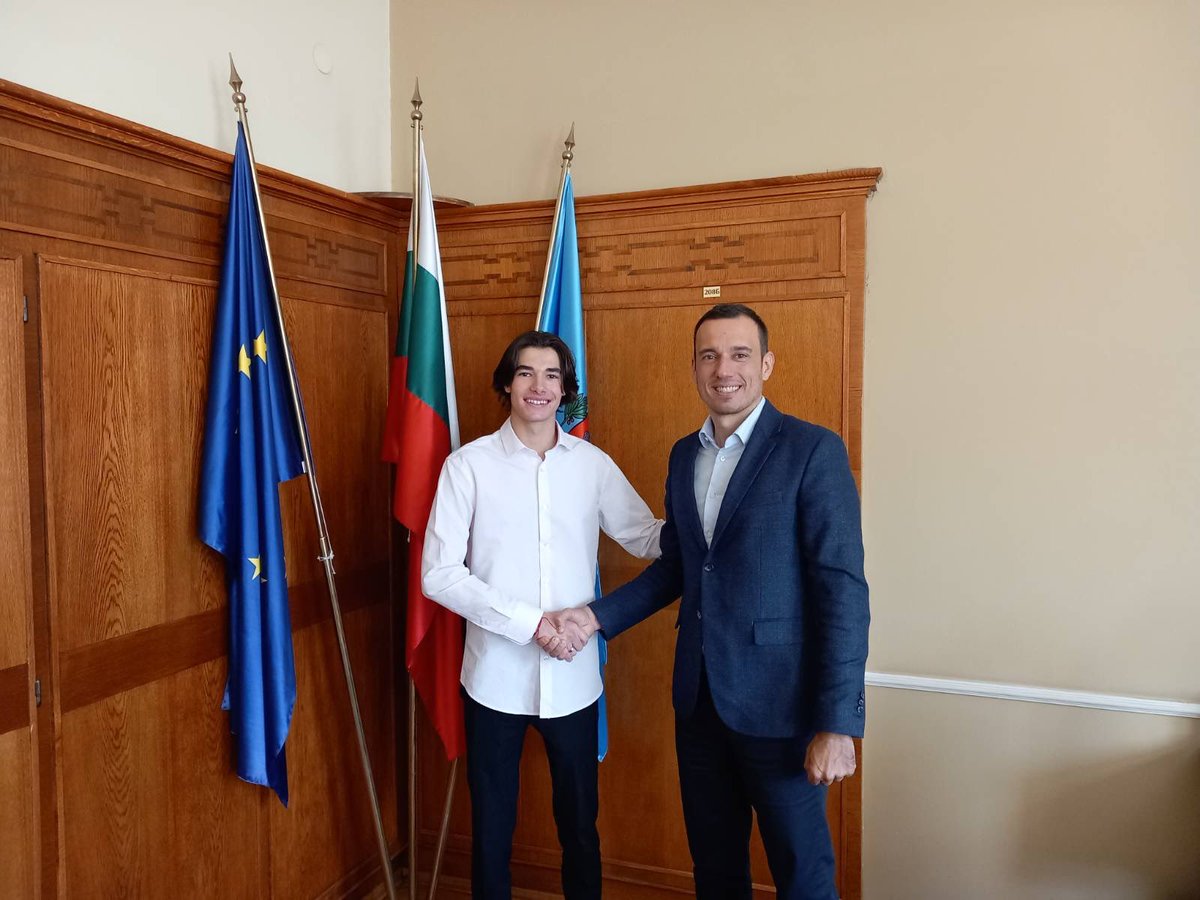
Имах удоволствието да се запозная с Никола Цолов и семейството му.
Енергията и позитивизмът на 17-годишния пилот във Формула 3 ме впечатлиха много, както и подкрепата на семейството му за сбъдването на неговата мечта. Столична община подкрепихме тази мечта със 100 000 лева и рекламираме нашия туристически портал https://t.co/HdZl5YpJkD на колата на Никола.
Миналият сезон на Формула 3 е гледан от близо 18 милиона зрители в 150 държави. Никола ще участва и в различни наши кампании, което им дава шанс да достигнат до младите хора. София оказва инстуционалната подкрепа, която служебните правителства засега отказват. Но за съжаление тази подкрепа не е достатъчна да покрие целия му необходим бюджет. В този линк и вие можете да подкрепите усилията на Никола да стигне до Формула 1: https://t.co/cnzyrdnyKS
Подкрепата на един млад състезател е част от нашата програм�� за подпомагане на професионалния и на масовия спорт в София. През 2024 година увеличихме двойно бюджета за спортните програми в града.
Разработваме и модел за финансиране на поддръжката на спортните площадки.
By the end of 2024, you’ll likely never need these APIs again:
• useMemo, useCallback, memo → React Compiler
• forwardRef → ref is a prop
• React.lazy → RSC, promise-as-child
• useContext → use(Context)
• throw promise → use(promise)
• <Context.Provider> → <Context>
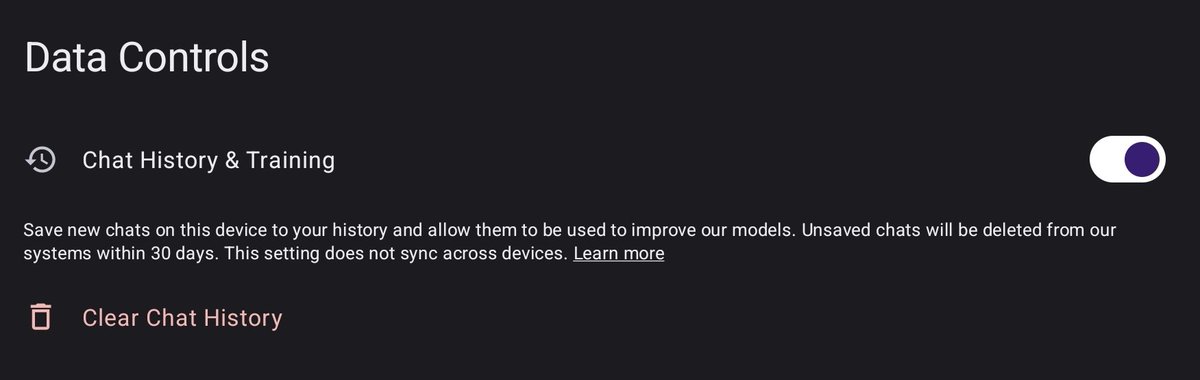
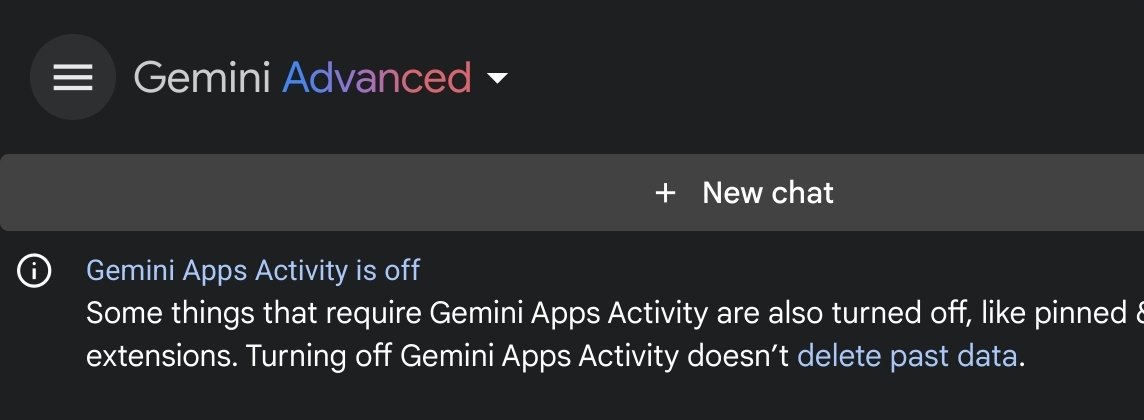
OpenAI and Google Gemini use a dark pattern that requires you to share your chats for training just to be able to view your chat history. This sneaky practice OpenAI started and Google has adopted. @OpenAI@GoogleDeepMind
Vite 5.1 is out! ⚡️
🛠️ Experimental Vite Runtime API (vite-node into core), unlocking HMR for SSR and running code using Vite plugins in any environment
🔥 Dev server performance improvements
✨ import `css?url` support and more!
https://t.co/WKVBJqApqh
Transcript:
Naval: The democratization of apps will continue. But remember, the web made it a lot easier to build web pages, too. So the bar went up. So then you needed interactive web pages. So a lot more people learned how to build interactive web pages. So the bar went up. So people built apps. And a lot of people learned how to build basic apps. So the bar went up. So now people build very sophisticated apps.
So yes, there will be much more long tail capability to build simple software. And this will have a huge impact, especially in the enterprise, where they just have a hard time hiring programmers. But that said, at least on the consumer side, on the mass consumption side, all this will do is raise the bar. It just means that the apps a year from now, two years from now, are going to look absolutely freaking amazing compared to the apps today.
Put another way, programmers are not these magical elves who have learned this secret esoteric ritual which nobody else can learn and understand. Programmers are simply the people who are so dedicated to building software that they're willing to stay at the edge of the craft and learn and use every tool no matter how sophisticated or complex it is. Today's programmers use a different set of tools and languages as will tomorrow's. So tomorrow's programmers will be doing natural language programming but they will be every bit as dedicated, skilled, intense, and applying effort as in the past. So I still don't think that high-end computing gets democratized. Here is the key difference. The key difference is that when you program something, software can go to a billion users and it's the same software. So people always just demand the best. As opposed to where if we're digging ditches and now we all get bulldozers, it is truly democratized because one ditch is not better than the others and building more ditches still takes more effort. So because programming is winner-take-all within a given domain, the specialist programmer will continue to dominate over the journalist who's just telling the computer to write the code.
John: It's like moving up the hierarchy of needs. Once you trivialize one layer, you actually free yourself up to focus on the next layer.
Zbynek Drab: So the ideal large language model is sort of like the reverse of the genie from the classic fairy tales where you typically get exactly what you asked for but something else than you meant and a well-designed language model will give you exactly what you mean no matter how clumsily and crudely you phrase it.
🤯 Wow, 2023 was huge year for CSS!
💥 Catch up on what landed in browsers in our end-of-year roundup: CSS Wrapped
🥳 It's been awesome to put this together w/@argyleink & @bramus over the past few weeks and see it all in one place!
🔥 #CSSWrapped2023
https://t.co/qcOFannfSC
Partial pre-rendering 😍
Next will extract and pre-build the static portions of your entry pages, including the suspense fallbacks which show as data are loading.
Show the static outline of your pages instantly, stream in the dynamic pieces
Changes are coming to the rule API in v9.0.0. Here's what you need to do to prepare your custom rules for ESLint's next major release:
https://t.co/wobN8Qiq0l
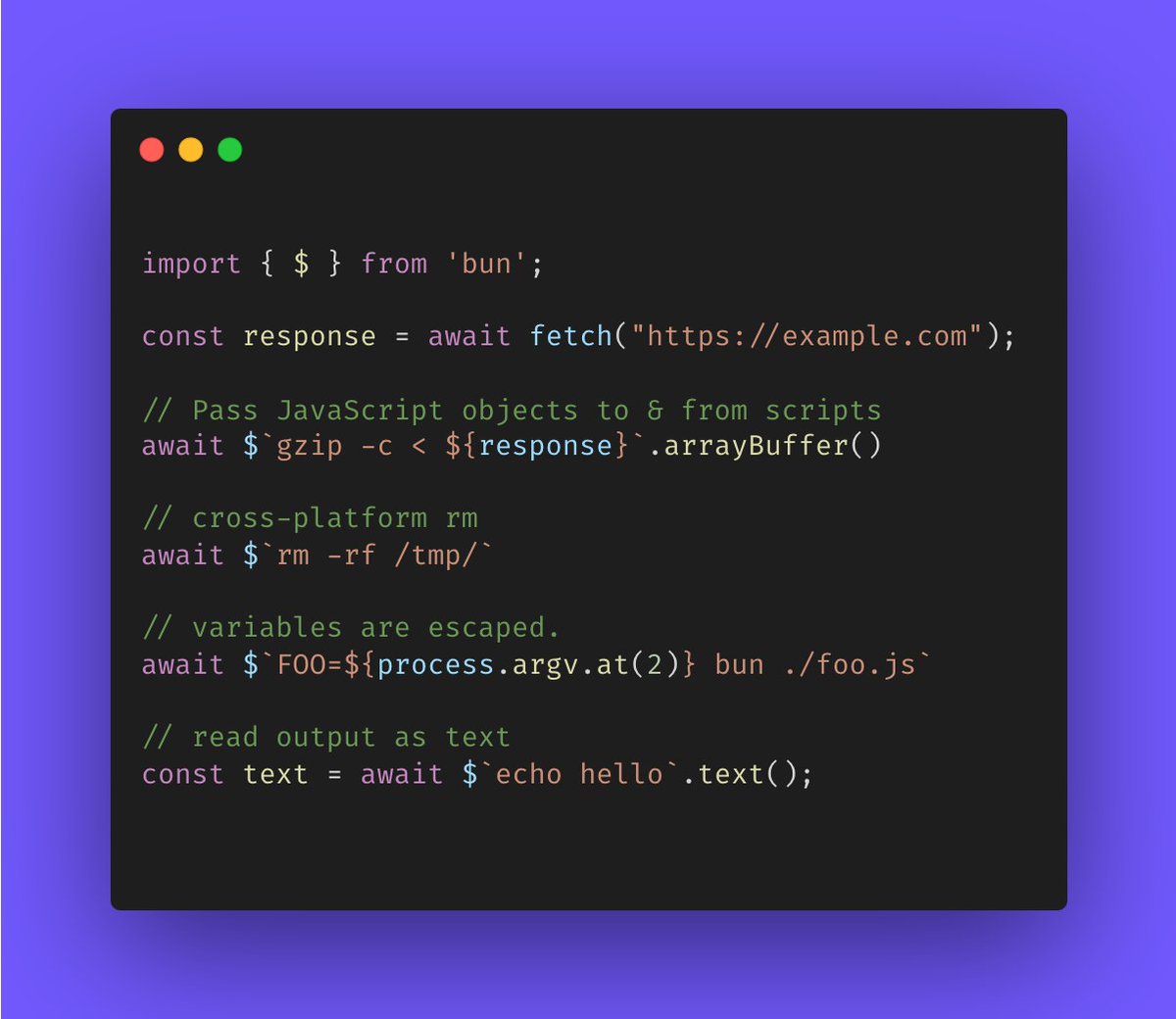
This was worth the full watch. If you do frontend dev (or work with frontend devs) I recommend this well-rounded summary on the Bun / Node events.
The biggest takeaway for me: a new tech (like Bun) never exists in isolation: understand+appreciate what happened before and why.