Excited to share I’ve joined @monthly as an editor. I’ll be writing and editing politics, policy, and econ stories.
Please send me pitches, half-baked ideas, or just say hi:
[email protected]
Platner campaign says it's raised $200k "since the publication of the New York Times article," a quarter of it from first-time donors.
"The people of Maine know what's on the ballot Tuesday: not Graham Platner's past, but whether their voice in the Senate works for them."
For @NYMag, I went to a low-profile Palantir conference at Yale, where the firm and its allies spoke freely of the AI-powered future they're building—with or without your consent https://t.co/t79PpyRpD3
I spoke with All Things Considered about Wall Street's track record of using Atlanta as a testing ground for new asset classes and business models:
first single-family-rentals, and now build-to-rent.
🔗👇
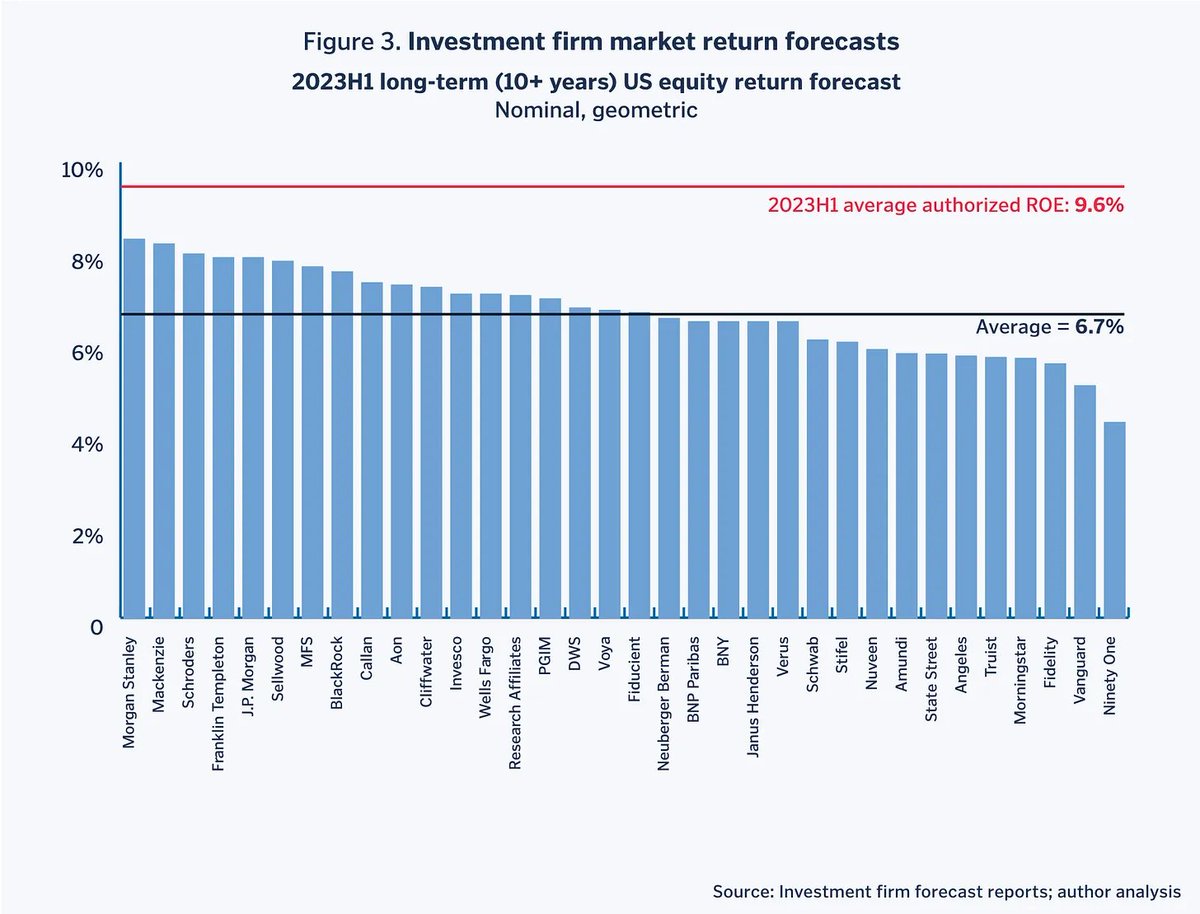
This proposal would fix the obviously insane situation captured by the following chart (how could investors require market-beating returns to buy UTILITY equity?) and save ratepayers billions.
Read the full piece here: https://t.co/cCtgaETJ7b
One reason utility rates are so high? Regulators grant utilities excessive profits, justified by biased cost of equity estimates.
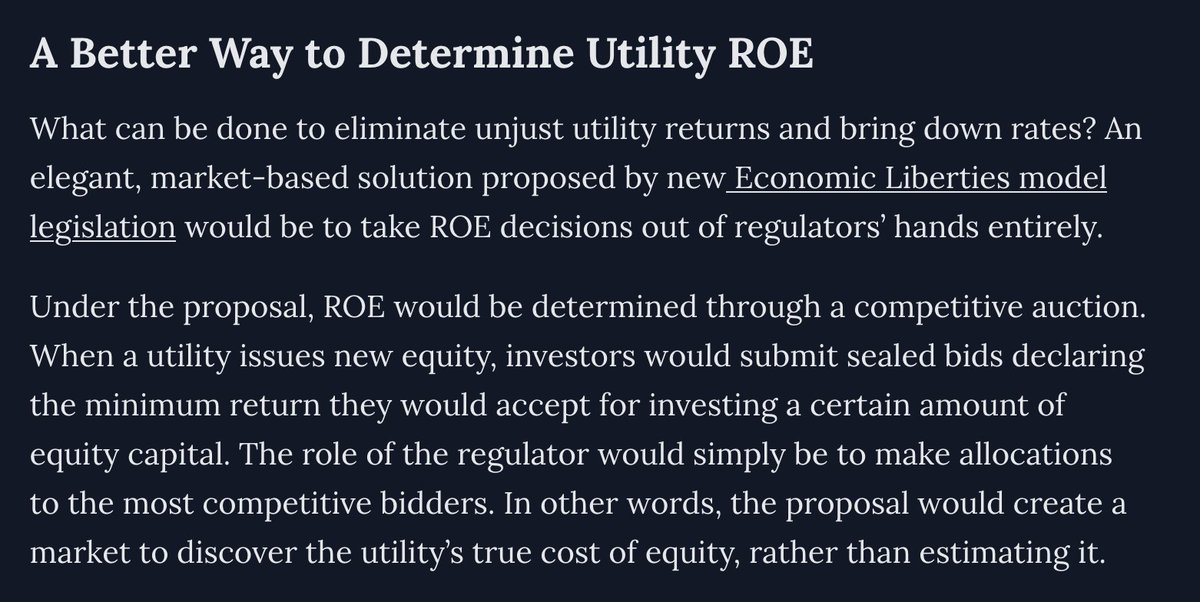
New explainer from me on @econliberties proposed solution. States should set up auctions to determine utilities' true, market-based cost of equity.
The challenges facing the journalism industry are not without solutions. But you’re unlikely to hear much about them in the new Washington Post.
My latest for @econliberties' Weekly Rewind
Insurer fraud in Medicare Advantage, the privatized version of Medicare, costs taxpayers tens of billions per year.
Quick explainer of how this works, and a proposal from @CMSGov that would eliminate some of the worst offenses, in today's @monthly
A surprise proposal from CMS to rein in Medicare Advantage fraud by insurers could save billions—and sent Wall Street into a panic, writes Kainoa Lowman (@klowmn).
https://t.co/lwLM8S15cF
A surprise proposal from CMS to rein in Medicare Advantage fraud by insurers could save billions—and sent Wall Street into a panic, writes Kainoa Lowman (@klowmn).
https://t.co/lwLM8S15cF
On @econliberties' Substack, I have a write-up of the @CMSGov proposal that sent Big Medicine stocks tumbling this week: crack down on an egregious form of fraud that inflates Medicare Advantage costs.
CMS projects it would save the govt $7B+ next year.
Shapiro spreading the debunked GOP/Abundance narrative of the BEAD rural broadband program, which even Ezra Klein has walked back.
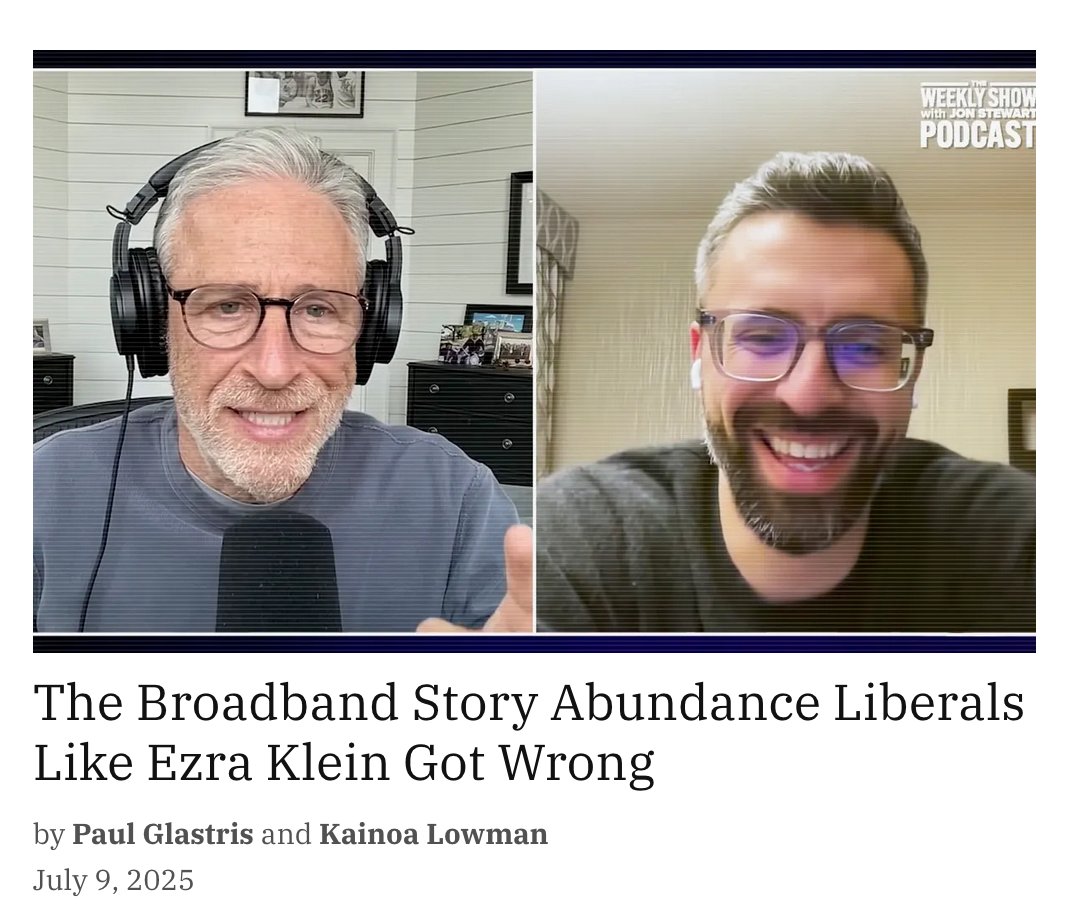
@glastris and I reported the real story for @monthly in July. Quick recap … (1/x)
.@glastris and I dove deep into the weeds of the BEAD program, and US internet policy since the ’90s, for this new @monthly essay.
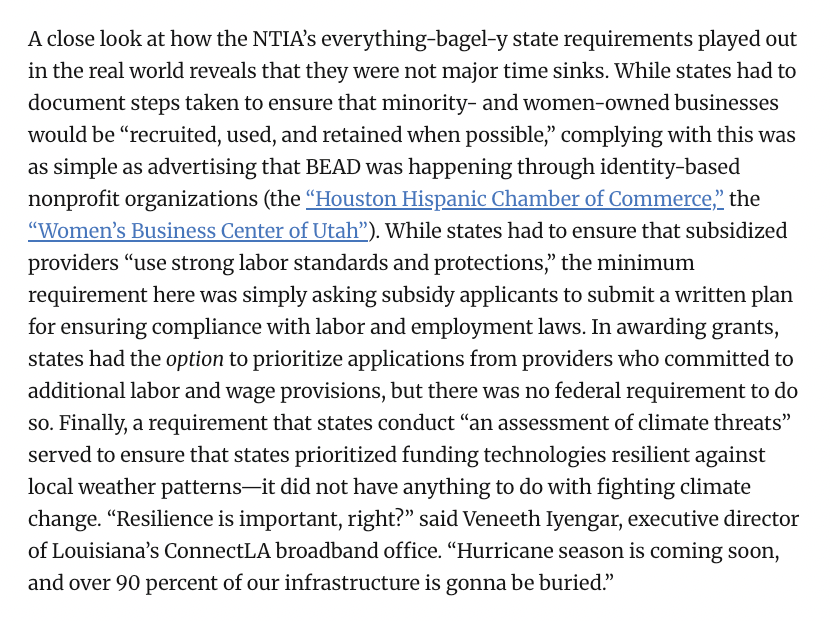
TLDR-don't let Abundos/Republicans tell you over-regulation is the reason rural Americans don't have broadband. Some highlights (1/x)
Shapiro spreading the debunked GOP/Abundance narrative of the BEAD rural broadband program, which even Ezra Klein has walked back.
@glastris and I reported the real story for @monthly in July. Quick recap … (1/x)
🚨 OUCH: Gov. Shapiro Throws the Biden-Harris Admin Under the Bus
“They got that infrastructure bill passed to provide the BILLIONS of dollars that were needed to … connect everybody in Pennsylvania. Do you know how many people have been connected to high speed, affordable Internet thanks to President Biden? … ZERO.”
Finally, “everything bagel” or “woke” regulations did not derail BEAD. State officials I interviewed uniformly dismissed this argument.
As it turns out, administering a broadband program of BEAD’s scale is complex, highly technical business.