Director of marketing at @solidworks @Dassault3DS, Mrs. Syrek, concerned parent, mom to a dyslexic boy, Walpole School Committee, Walpole RTM, Bills fan.
When we asked readers to come up with alternative Boston taglines, they delivered — and unsurprisingly, the responses were a little unhinged. https://t.co/iHIyQxe4D6
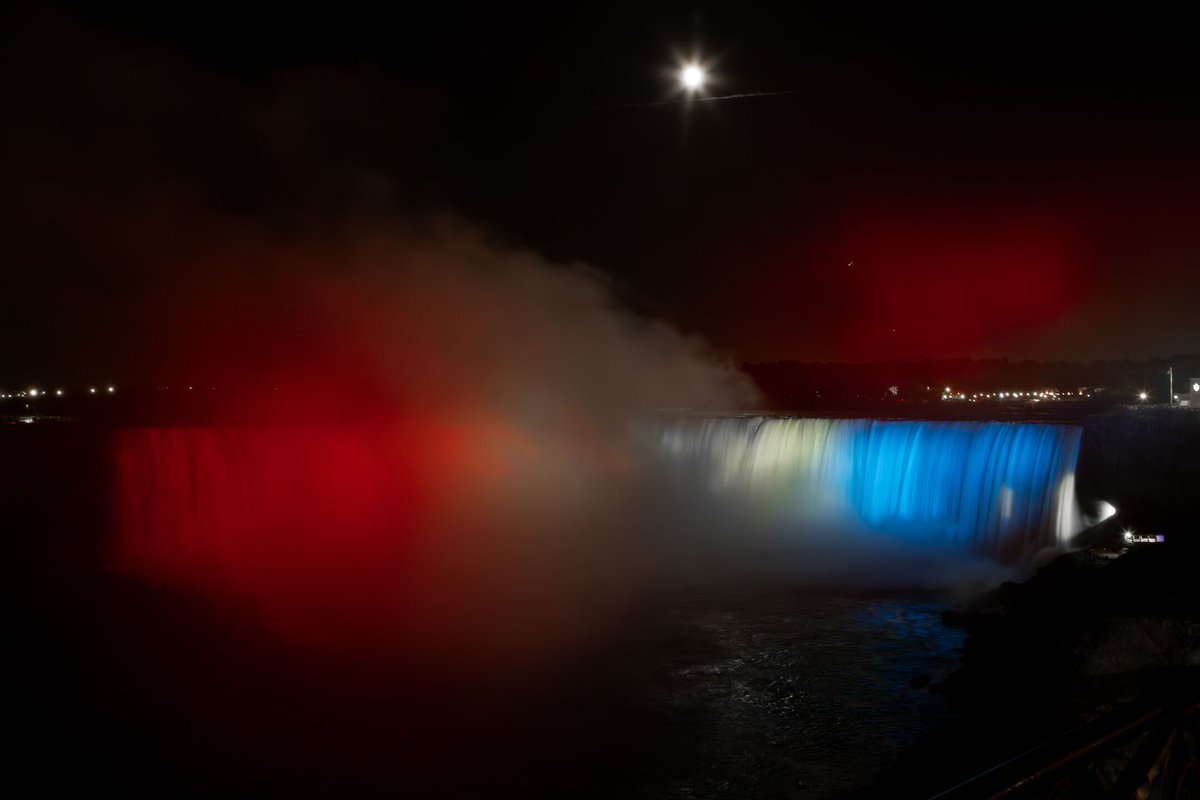
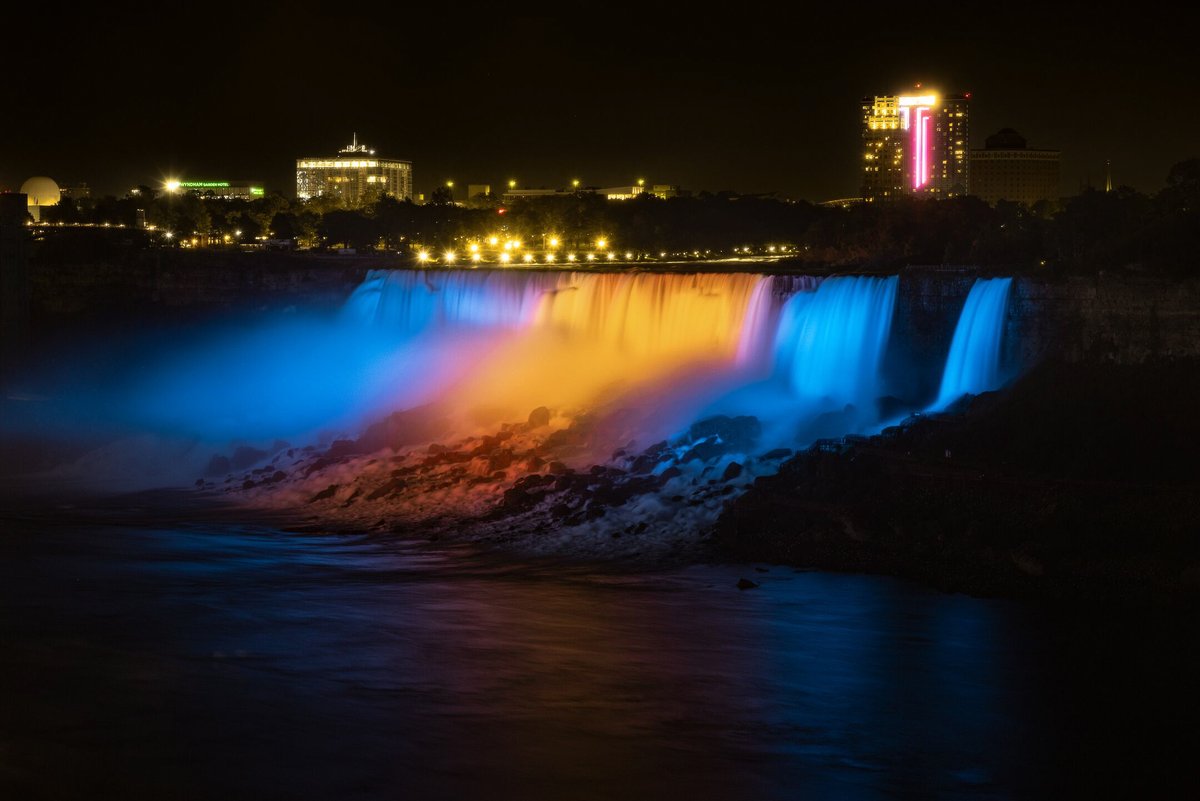
Tonight at 9:30pm, the Horseshoe Falls will be illuminated in red, white & blue for the @CanadiensMTL, and the American Falls in blue & gold for the @BuffaloSabres as they head into the second round of the Stanley Cup playoffs tomorrow!
The history of Auschwitz is among the best documented of the German Nazi concentration and extermination camps.
https://t.co/KH7B2X2Twh
The primary sources of knowledge about the history of the Auschwitz camp are the accounts and testimonies of witnesses.
The authors of these accounts were primarily:
- Survivors of Auschwitz,
- SS members of the camp staff,
- residents of Oświęcim and surrounding villages (including members of the resistance movement),
- civilian workers employed in the expansion of the camp and working alongside the prisoners on construction sites and in factories, chiefly in Upper Silesia.
Among the testimonies written during the war, the following in particular should be mentioned:
- the manuscripts of Sonderkommando prisoners, which they had hidden (buried) near the Birkenau crematoria,
- the secret messages and reports written by resistance movement members and smuggled out of the camp,
- correspondence illegally smuggled out of the camp to avoid SS censorship,
- the reports of those who had escaped from the camp—both Poles and Jews.
Of the key sets of records, the most important in confirming the existence and functioning of the gas chambers in Auschwitz include:
- transport lists (Transportlisten) of Jews sent to Auschwitz from transit camps in various countries of Europe, sometimes containing last-minute deletions of individuals withdrawn from the transport and the inclusion of the names of those added to make up the transport quota;
- collective lists of Jews from various transports who were given prisoner numbers (Zugangslisten Juden – nicht fotografiert);
- similar lists of registered prisoners, including Jews as well as other deportees, prepared by members of the resistance movement (Liste der Männertransporte, corresponding lists for women, and separate lists of male and female Jews assigned numbers preceded by the letters A and B).
The above sources indicate that from the commencement of regular selections of Jewish transports on the Auschwitz ramps, the number of deportees began to dramatically exceed, by several orders of magnitude, the number of prisoners registered in the camp.
Moreover, there exist:
- a few surviving reports on the results of selections on the Birkenau ramp after the arrival of transports, prepared by the KL Auschwitz Employment Department;
- statistical summaries compiled at Bletchley Park based on SS radiograms intercepted and deciphered by British cryptologists during the war;
- extensive files of the Central Construction Office of the SS and Police Auschwitz O/S containing information about the planning and progress of construction work, including the construction of crematoria and gas chambers;
- files of the Camp Administration Department (Verwaltung), including certificates for purchase and delivery of Zyklon B;
- files of the camp Employment Department (Arbeitseinsatz), including reports of the number of prisoners employed in the Sonderkommando;
- photographs of the burning of corpses in incineration pits, taken by members of the resistance movement within the Sonderkommando;
- photographs taken by the SS, showing the selection procedure on the Birkenau railway ramp, from the arrival of a transport of Jews to the place where the deportees waited to enter the gas chambers;
- SS photographs showing the progress of work on the construction of the crematoria and gas chambers;
- aerial photographs of Auschwitz and Birkenau taken by the pilots of Allied reconnaissance aeroplanes in 1944, showing the plumes of smoke rising from the incineration pyres;
as well as many other documents containing information confirming the existence of gas chambers.
Above all, the Museum grounds contain the ruins of the crematoria and gas chambers, which, despite having been blown up by the SS, still retain their clear functional layout. Moreover, Gas Chamber and Crematorium I building have survived in the Auschwitz I main camp.
Attention @X / @nikitabier / whoever runs the X help desk: My colleague Dan McLaughlin has had his X account (@baseballcrank) phished out from under him, and is now locked out of his account. This is the person who did it, per his records:
Anyway, assistance would be greatly appreciated
DraftSight is 15t! It began as a beta version for a free, DWG-based 2D CAD tool from 2009-2010. After its official launch in 2011, it achieved 1.8 million downloads within the first year. See how DraftSight has evolved and access anniversary pricing: https://t.co/SE02SaLsr0