Geriatrics Fellow at University of Rochester | Interests = outpatient geriatrics, Med Ed, advanced communication skills, medical humanities | Views are my own
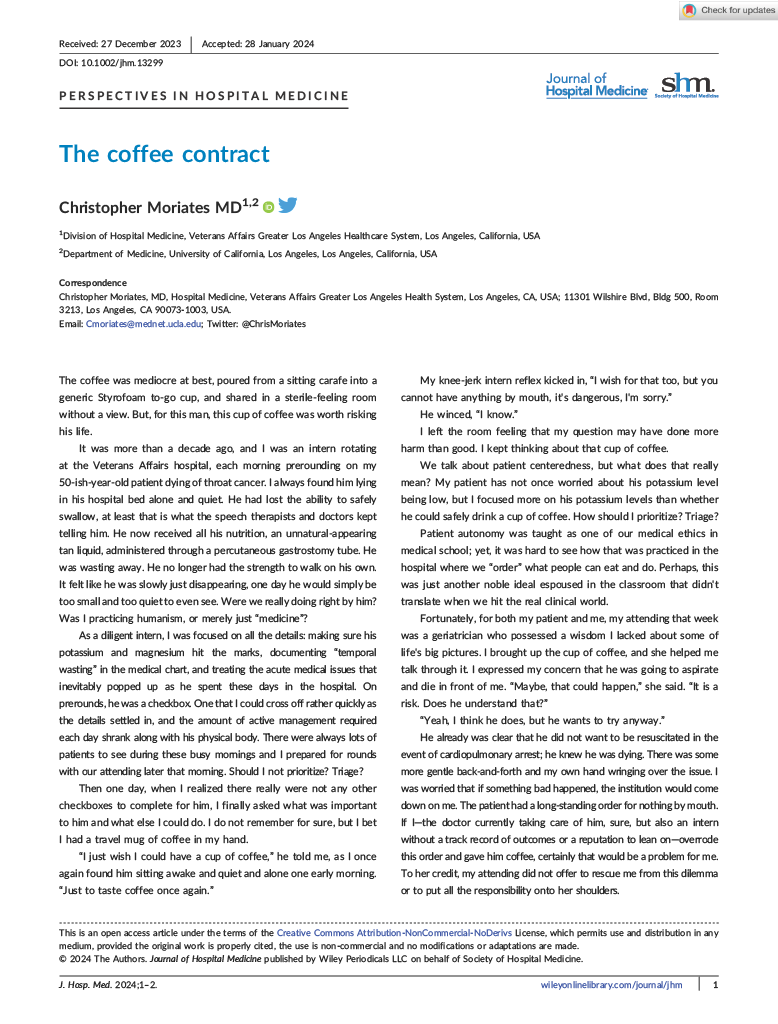
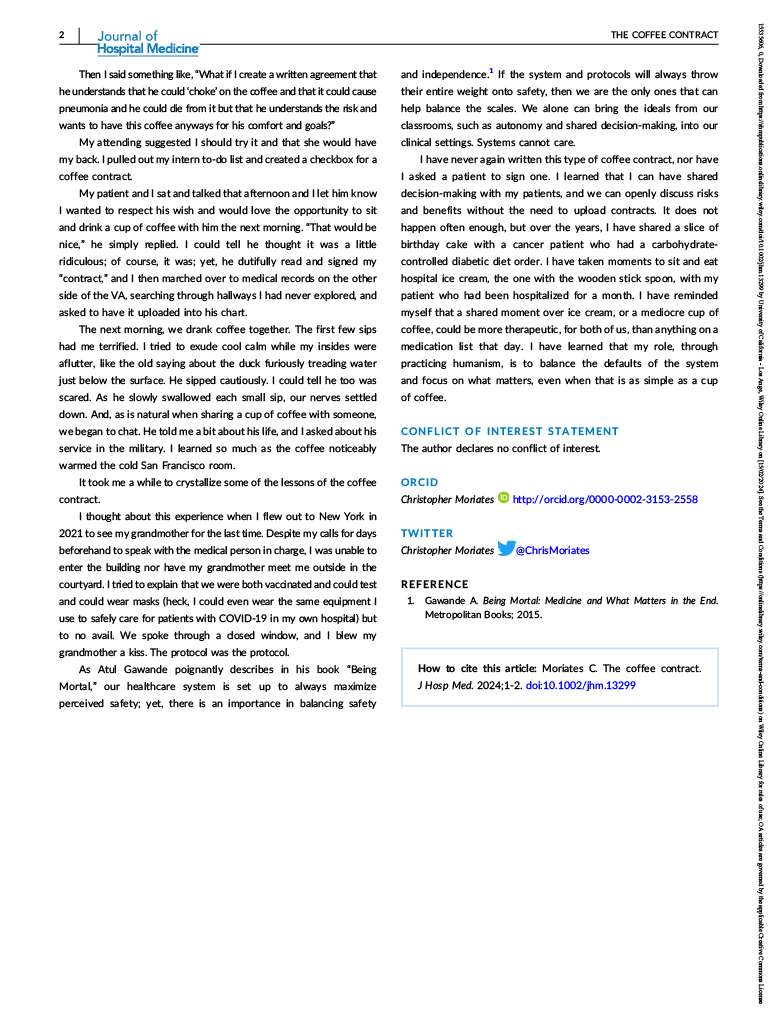
The coffee was mediocre at best, but for this man it was worth risking his life for.
My essay, "The Coffee Contract," in @JHospMedicine about remembering what really matters in the hospital:
https://t.co/Tq8CPFKF0h
Surrogate decision-makers from historically marginalized communities report low preparedness and readiness to discuss goals of care and treatment preferences for older adults with chronic illnesses. #geriatrics https://t.co/80eH6finaX
I hate when student evals say a student was quiet. Maybe some students are introverts and that’s okay. Or are you creating an atmosphere that makes them uncomfortable to speak up? Regardless, I don’t think it belongs in the evaluation. Love to hear thoughts of other #MedEd folks.
"One would hope the diagnosis of dementia would represent a sentinel moment to assess prescribing decisions-a clarifying time for medication review and judicious deprescribing of harmful and/or unnecessary medications. The reality is quite different" https://t.co/eZMFXviWLV
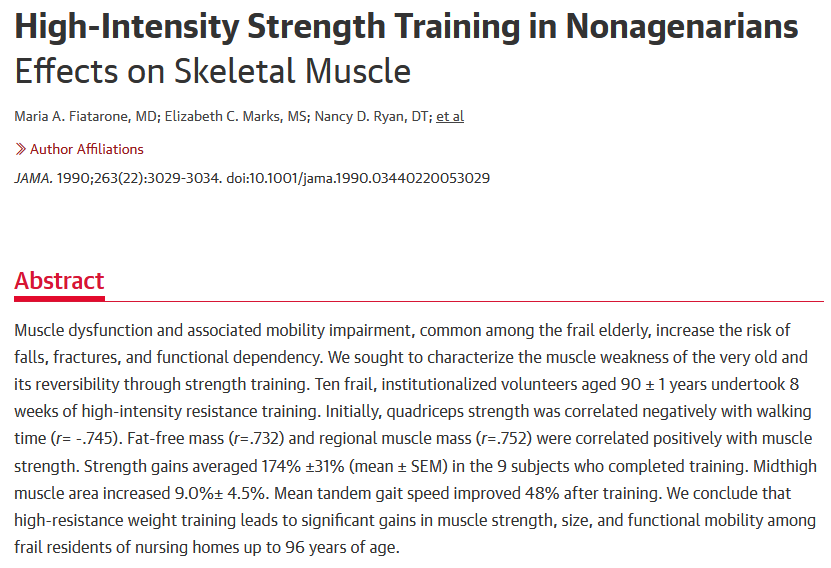
It is never too late to start exercising
8 weeks of resistance training in adults 86 to 96 years of age
180%⬆️in strength
9%⬆️in muscle size
48%⬆️in gait speed
https://t.co/3OIfMwIreV
You're asked to condense complex patients into succinct notes.
It feels impossible.
Too long or too short, both can result in:
❌ miscommunications
❌ overlooked details
❌ wasted time
3 tips for creating concise yet comprehensive notes:
Saying “Your mother needs to be intubated” is like asking a family member if they want "to do everything." Who doesn't want to give their loved ones what they "need"?
Try instead: “Your mother’s breathing is getting worse. Can we talk about what this means & what to do next?"
#TipsForNewDocs
Pt prescribed a med- on follow-up, is not taking it.
Wrong: "Pt is noncompliant."
Right: "Pt unable to take med because __. We discussed strategies including __."
Don't start chart rumors - understanding problems >>>> labeling patients.
#kittlesonrules
There are days in medicine that are HARD!
My hospital team had a tough day.😢
Key lessons for trainees:
✅ Reflect but don’t ruminate
✅ Take time to process feelings
✅ Remove guilt/blame
Key lessons for attending:
✅ Debrief w/teams after events
✅ Express your own vulnerabilities
✅ Emphasize key learnings
#TipsForNewDocs
#TipsForAllDocs
Having a sense of purpose in life can offer “potent protection” against loneliness, according to the results of a new study. Read more: https://t.co/srQbShd3Ol
“...we recognize that higher education and society at-large benefit from the diversity of thought that emerges from the open exchange of ideas among people from different backgrounds, identities, experiences, and beliefs.” https://t.co/UaaMxckyP4
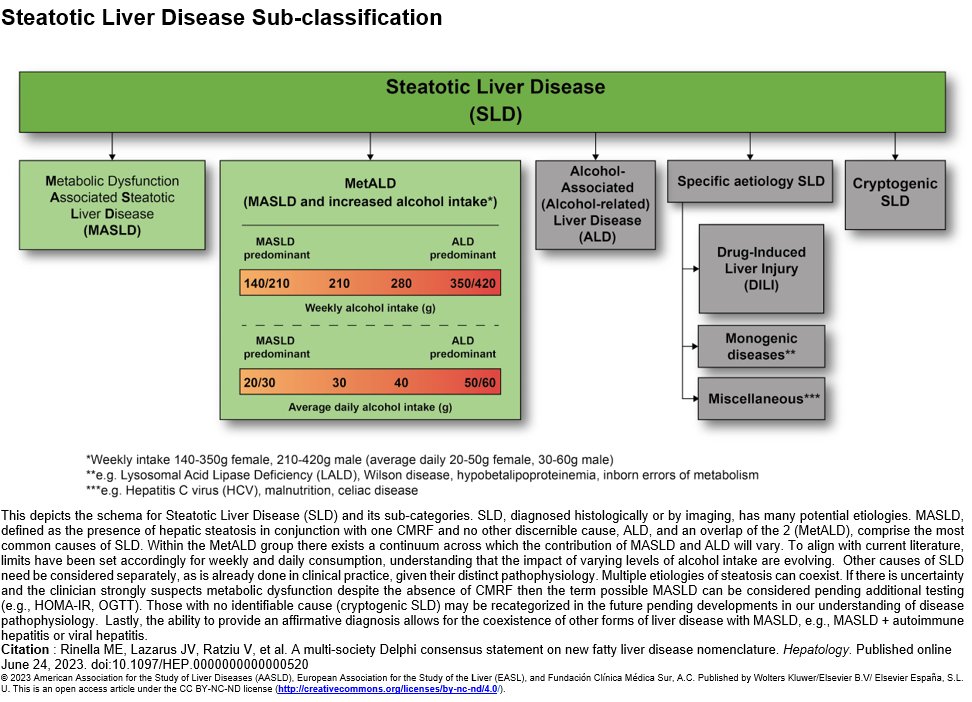
NAFLD no longer - get to know MASLD and MASH
The nomenclature for metabolic liver disease has been changed. See below for the family tree of steatotic liver disease
Link: https://t.co/0jpI0aU2yh
#medtwitter#livertwitter
The next time someone in your life does something that doesn’t measure up…
Consider using the Docrrine of Charity.
Ask more questions and make less assumptions when things aren’t going well.
People don’t care what you think if they don’t first know you care.
#MedTwitter #FOAMed #MedEd
15/
And so. On this first day of intern orientation, I'm pausing for spaced learning to embrace that lesson and share it with you, too.
Do what you would have them do. Because your wellness matters, too.
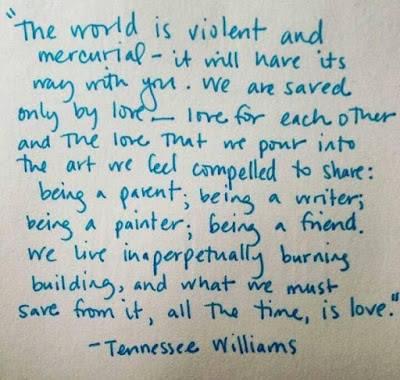
And, in all things, we are only saved by love.
Yeah.
#humanismalways
A common admission that is called to a hospitalist is the “Patient can’t walk, needs placement, failing at home.” There are many possible etiologies of this. Below is my approach to this very common clinical situation. A thread 🧵