Autumn is a recently rescued 3-legged Bernese Mountain Dog who is cold weather ready in her leopard print coat @AmyFreeze7 @BarbM201#bernesemountaindog#Weather 🐶
@petenajarian Amen, Pete. Prayers to you best friend. “Yesterday is gone. Tomorrow has not yet come. We have only today. Let us begin.”
― Mother Theresa
@petenajarian@ArmyWP_Football Well said, Pete. Having watched @NavyFB play tough against (and even beat) my Irish @NDFootball, I admire the way the service academies play against very talented programs. It truly shows the character of the student-athletes who serve our nation. 🇺🇸
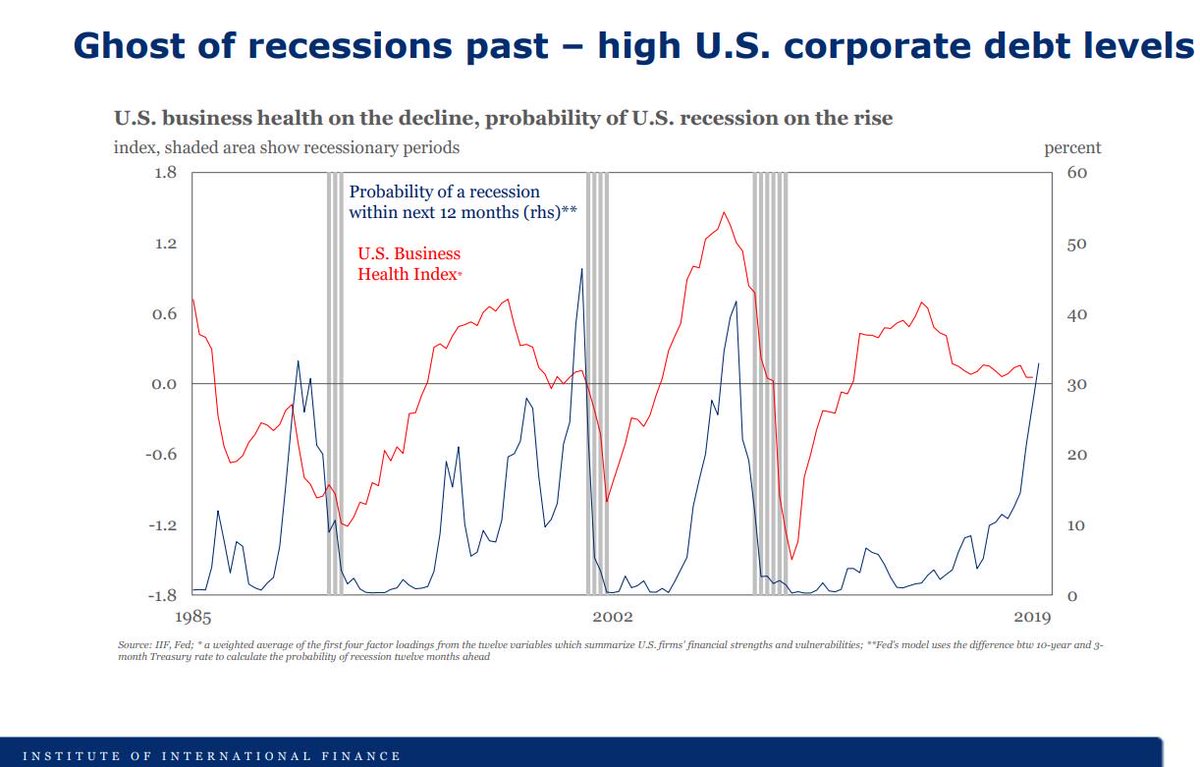
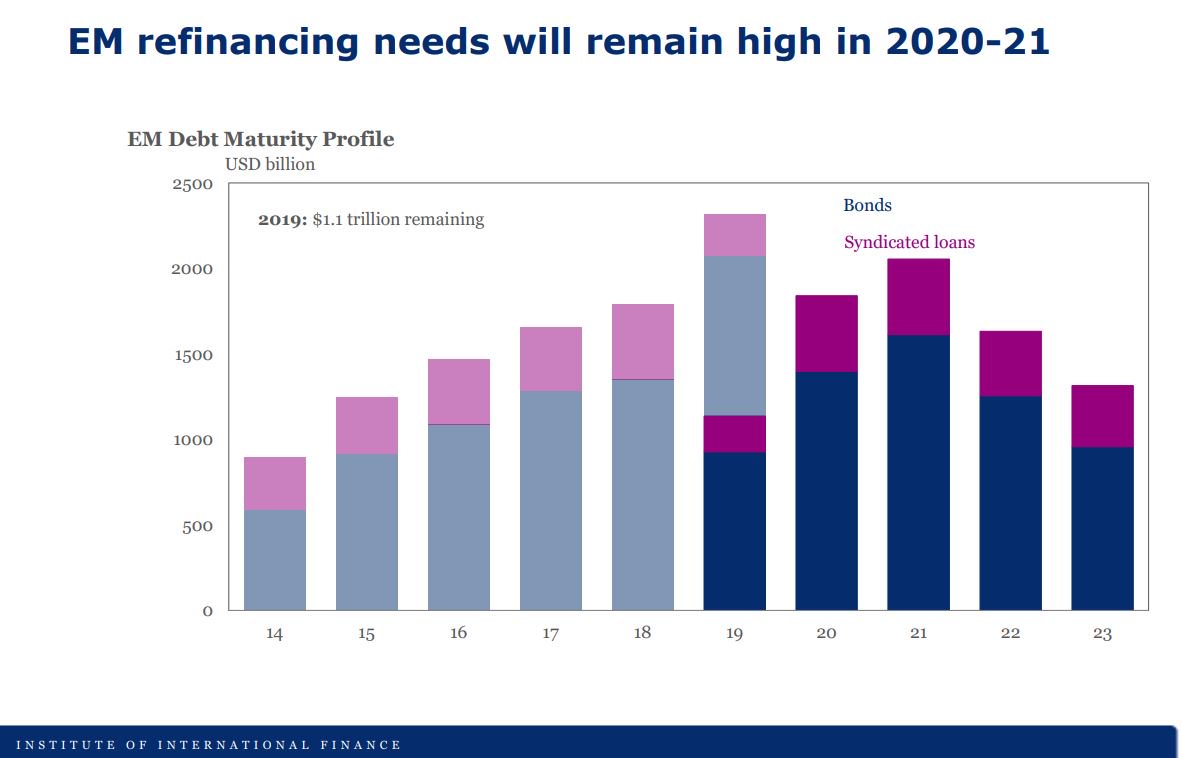
@Lavorgnanomics@federalreserve Too much focus uncertainties. Focus should be on high US corp debt, rising levels of US$ denominated debt outside USA, & high EM refinancing demand over next few years. Trade uncertainties add stress to corps & global value chains, but underlying precarious condition is debt.
@RaoulGMI@TeddyVallee Lastly, like other goods, decline in prices without a demand response results in a reduction in supply of good. CBs will not allow this function of the price mechanism to work. CBs action hurts banks' profits & banks' ability to build capital - source of future lending.
@RaoulGMI@TeddyVallee Also, as Lacy Hunt has written, I feel that the levels of indebtedness have risen to such high levels that the returns on capital are falling - low to negative rates. Diminishing returns mean that future econ growth will be slow.
@RaoulGMI@TeddyVallee Agree w/both. As CBs ease, I will watch BIS global liquidity data to measure CBs effects. I wonder if there is much demand for new credit given such high levels of debt; low to negative rates reflect this. In essence CBs lower price of credit to entice more consumption of debt.
Shopkeepers in #NewYork, if you see this guy in your store--immediately raise your prices (a lot). He'll thank you for saving the economy. (Then lower those prices again.) https://t.co/5XsJYtItMD
@JeffreyKleintop Interesting that those charts are from a BIS report published in May 2018, and the world central banks continue to target an inflation rate that they are unable to sustain for any period of time - a bigger structural force in the economy than the impact of monetary policy.
"Declines in measures of firm creation and destruction, a proxy for the process of resource allocation, is a worrying sign in this respect. So too is the growth of so-called “zombie firms”, firms whose profits cannot cover interest payments on debt." (2/2)
Unconventional #MonetaryPolicy tools are valuable additions to central banks’ toolboxes and are most effective as part of a broader framework with appropriate supervisory, prudential and fiscal policies: Carstens https://t.co/h7U4F6ZgVX
"Efficient resource allocation – moving capital and labour from low-productivity firms and sectors to more productive ones – underpins the process of “creative destruction” that is vital for long-run growth." (1/2)
Unconventional #MonetaryPolicy tools are valuable additions to central banks’ toolboxes and are most effective as part of a broader framework with appropriate supervisory, prudential and fiscal policies: Carstens https://t.co/h7U4F6ZgVX
Negative interest rate policies: "And that has also meant that, over time, such low rates can depress banks’ net interest margins and their ability to build up capital – the foundation for sustainable lending. Low bank valuations reflect this profitability challenge." #NIRP#ZIRP
Unconventional #MonetaryPolicy tools are valuable additions to central banks’ toolboxes and are most effective as part of a broader framework with appropriate supervisory, prudential and fiscal policies: Carstens https://t.co/h7U4F6ZgVX