If you want to understand what’s happening to children in Gaza, Here’s a powerful photo essay from UNICEF (July 29). 📸 Photos. Stories. Hunger. Survival. Share it. Circulate it.
These stories still matter.
https://t.co/J8JPqv0hTz
Thanks for the update. One small request, can we hold the celebration?
Because while some reached that food, hundreds were killed trying.
There’s no public list of who’s receiving aid and who’s dying on the way to it.
So yes, meals were delivered. But we also need to be accountable to those who were promised food, and met bullets instead.
Thank you @BillGates and @NickKristof.
This goes deeper than proving that aid works. It’s about how we translate complexity into understanding, so people can see the stakes and act.
Let’s keep building systems that protect life. And if we need to rethink and rebuild—then let’s do it. With new generations, intergenerational synergy, principled leadership, and sustained commitment.
We can do this. We must.
Gaza was never just a local tragedy. It’s a preview of what happens when humanitarian aid collapses, when disinformation buys time, and when governments gamble that the world won’t look, until it’s too late.
The loss of life is catastrophic. But the damage to trust between nations, within communities, across humanitarian systems, may run even deeper.
This isn’t just a turning point for Israel. It’s a reckoning for every system that enabled this to unfold.
If this acknowledgment leads to real change, it could still save lives. But it cannot recover what’s already been lost. And it cannot reverse the silence that made it possible.
The question now is whether conscience will follow clarity.
I’ve worked with UNICEF teams. I’ve sat in congressional offices and listened to youth in conflict zones. But nothing prepares you for this: starvation in Gaza is not a logistics failure, it’s a collapse of conscience.
When 80% of the dead are children, this is no longer about political gridlock. It’s about what happens when aid is severed, when military spending surges, and when the unthinkable becomes normalized.
Gaza is not just a tragedy, it’s a warning. The aid cuts already underway aren’t abstract. They’re unraveling the last threads of protection for communities facing drought, displacement, and war. Humanitarian systems are collapsing in slow motion, and Gaza is a glimpse of that future, concentrated, brutal, undeniable.
The deeper danger isn’t only that this has happened but that we’re adjusting. That we’re learning to live in a world where some lives are left to starve, where silence shields power, and suffering becomes white noise.
This moment doesn’t just indict governments. It should haunt every institution, every budget, every bystander logic that allowed this to unfold.
If Gaza doesn’t shake us from this drift toward numbness, what will?
This is heartbreakingly true. There is no competition in suffering, only the urgent need to recognize every child’s life as equally sacred.
Crises like this don’t just expose our global inequality, they reveal how deeply we’ve failed to build systems, values, and infrastructure that respond with equity and humanity. The next generation must grow up seeing every child, everywhere, as worthy of the same care and protection. That shift won’t come from sentiment alone, it will require pressure, policy, and a refusal to accept the aid cuts and political indifference that let this happen. We still have a choice. But time is running out.
@IlhanMN You’re right.
But what will you do, that’s not just rhetoric or base-rallying?
What action interrupts what’s happening now?
Because naming the horror isn’t enough.
We need more than witness. We need rupture.
@ChrisVanHollen You’re one of the only voices naming what actually matters.
I’ve watched UN systems sidelined while people starved. This isn’t just the right call. It might be the last chance to prevent something irreparable.
Let them land. Let them work.
I’m Israeli-American.
And I’ve worked with humanitarian leaders—including from Gaza—throughout this war.
We warned this would happen.
We said: if narratives override evidence, people will starve.
Now even the military confirms it.
This wasn’t a misunderstanding.
It was a choice.
And it cost lives.
Senator, I’m Israeli.
And I stood in these halls with Palestinian colleagues months ago and a few times.
We sat with your aides. We warned what was coming.
We didn’t posture. We pleaded.
We said: If aid is blocked, if starvation becomes normalized, the damage will not just be in Gaza—it will be in us all.
So yes—thank you for speaking now.
But let this moment carry truth:
It came late.
And that lateness lives in all of us.
What matters is what happens next.
If 500 trucks of aid are rotting in the sun, the failure isn’t logistical, it’s moral.
The military itself has now confirmed: no proof of systematic theft, and UN delivery was effective.
Repeating a narrative in all caps doesn’t change the facts.
At some point, deflection becomes complicity.
@Ahmad_tibi Testimonies like this one shouldn’t just live on social media.
They should shake hearts and shift policy.
More and more Israelis are waking up: this isn’t about PR, it’s about morality.
And with every passing day, it gets harder to explain and impossible to justify.
Thank you, Barbara. I don’t know if I can fix anything alone. But I do know we can’t keep looking away. The longer we stay silent, the more this becomes who we are.
That said, something is shifting inside Israeli society. Quietly. Painfully. But it’s real. It’s fragile. And I’m doing everything I can to help that shift take root, not just to stop the starvation, but to end this war before we lose ourselves entirely.
@farhanaaltaf1@KenRoth Thank you, Farhana.
Yes, empathy is not weakness. It’s what helps us stay human while everything around us pushes toward hardness.
When we lose sight of that, even the truth can become cruel. I’m grateful you’re here in this conversation.
As an Israeli who’s worked with humanitarian leaders, including from Gaza, during this war, I’ve seen how aid is moved, delayed, and politicized. I’ve seen how fear and narrative override urgency, how perception, not proof, becomes policy.
Now even the military admits: there’s no evidence Hamas systematically stole aid.
This was never about logistics.
It was about something harder to name.
And people paid the price,
Not just in calories,
But in trust.
In memory.
In who we allow ourselves to become.
As an Israeli who has worked with humanitarian leaders, including from Gaza, during this war, I’ve seen the complexity up close.
I know how aid moves. I know how fear moves.
And I know how narratives get used to buy time while people starve.
Now even Israel’s military admits there’s no proof Hamas systematically stole aid.
So what were we stalling for?
This wasn’t confusion.
It was a choice.
And real people paid the price.
This wasn’t a failure of intelligence.
It was a failure of conscience.
@brhodes I read Israeli media daily.
The shift is real and overdue.
Major outlets are reporting the hunger. Israeli journalists are naming it in prime time.
So it’s surreal watching AIPAC keep gaslighting the public, as if what’s now undeniable inside Israel isn’t happening at all.
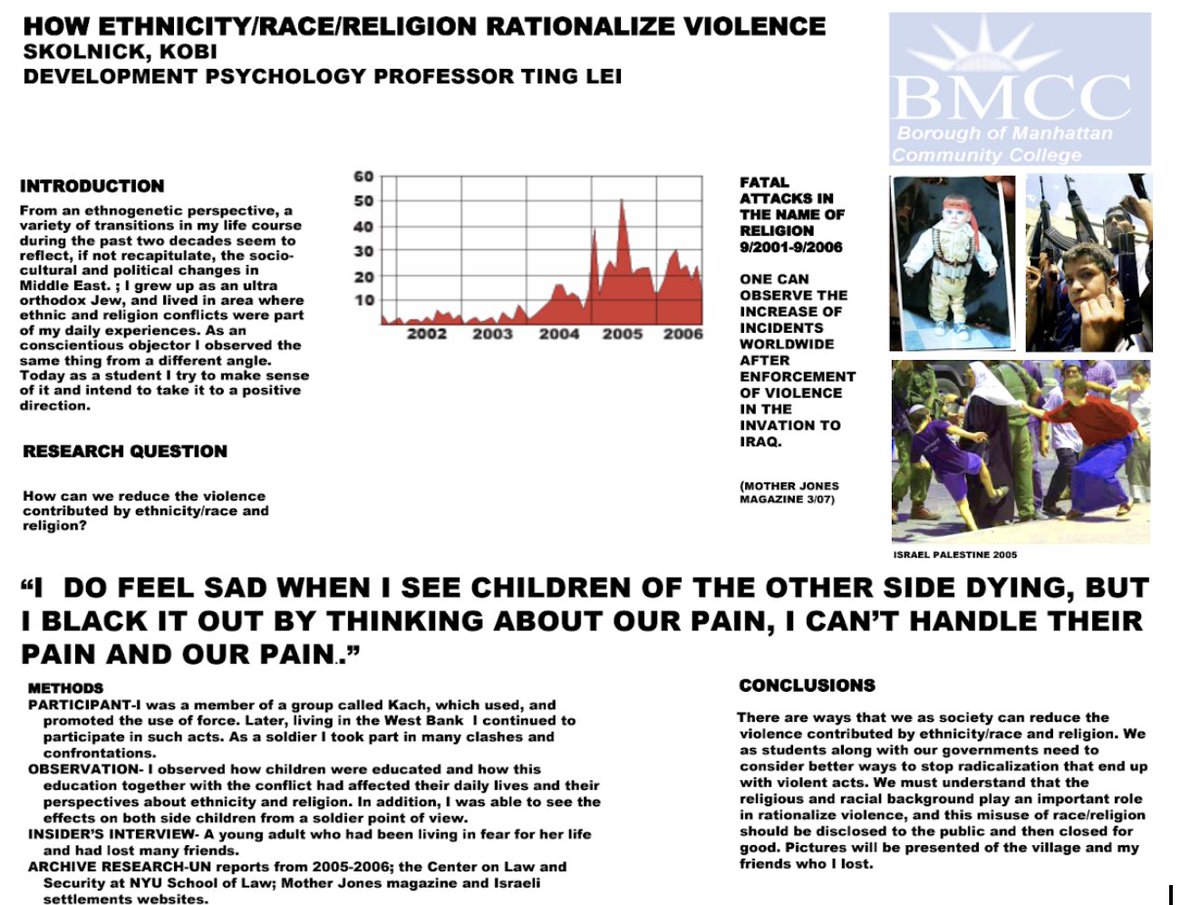
@NickKristof@ChrisVanHollen And in 2011, I published this in +972 Magazine—
warning that settler ideology was hardening into strategy.
The tragedy isn’t just what happened.
It’s how long we ignored those trying to stop it.
I warned about this publicly in 2008 and 2011.
Not as a critic, as a former Kahane youth member watching settler violence shift from zeal to systemic impunity.
I spoke at colleges across the U.S., raising the alarm long before headlines caught up.
Back then, I was treated like an outlier.
Back then, my work was treated as fringe.
Now it’s front-page reality.