When watching the interview granted by Paul Kagame to Stephen Sackur on the BBC on 7 December 2006, one overlooks a particular phrase that is nonetheless highly significant.
When Sackur says to Kagame: “But you had no right to shoot down his plane and assassinate him!”, Kagame first replies:
“Well, I had the right to fight for my rights!”
Then, a little further on, to explain that in the context it was possible that both he and President Habyarimana could die, he adds:
“I say that it was a situation where a war was underway.”
This formula nevertheless deserves to be listened to and carefully reflected upon in order to understand its extraordinary implications.
Why?
Because on 6 April 1994, Rwanda was not at war.
The civil war had officially ended eight months earlier, on 4 August 1993, with the signing of the Arusha Accords.
These accords, negotiated under the auspices of the Organisation of African Unity, Tanzania, France and other international actors, provided for a definitive ceasefire, the establishment of a broad-based transitional government, power-sharing, the integration of the armed forces and the return of refugees.
On 6 April, the country was on the eve of the concrete implementation of this transition: the final arrangements for the coalition were being finalised in Kigali, and UNAMIR (the United Nations Assistance Mission for Rwanda) was deployed to support the peace process.
By stating “We were at war”, Paul Kagame is therefore not describing the factual reality of the moment.
He reveals, unintentionally, his own frame of reference: for him, the Arusha Accords had never ended the conflict.
They were merely a tactical parenthesis, a stage that needed to be broken at the moment judged opportune.
Peace had therefore not been integrated into his strategy; war, for its part, had never ceased to be regarded by him as the ultimate means of gaining the undivided power he desired — the power that remains to this day his exclusive property.
This observation is all the more illuminating given that, only four days before the attack, General Roméo Dallaire had met Kagame.
He emerged deeply troubled:
“I had never seen him so sombre. He simply added that we were on the eve of a cataclysm and that once it was set in motion, no means would make it possible to control it.”
Thus, between the public declaration of 2006 and the private warning of 1994, the same state of mind appears: that of an actor who never regarded the signed peace as binding.
This analysis, developed with precision by Jean-Marie Ndagijimana, invites us to confront words with facts and dates with statements.
It is not a matter of conjecture, but of a rigorous decoding of the words spoken by Kagame himself.
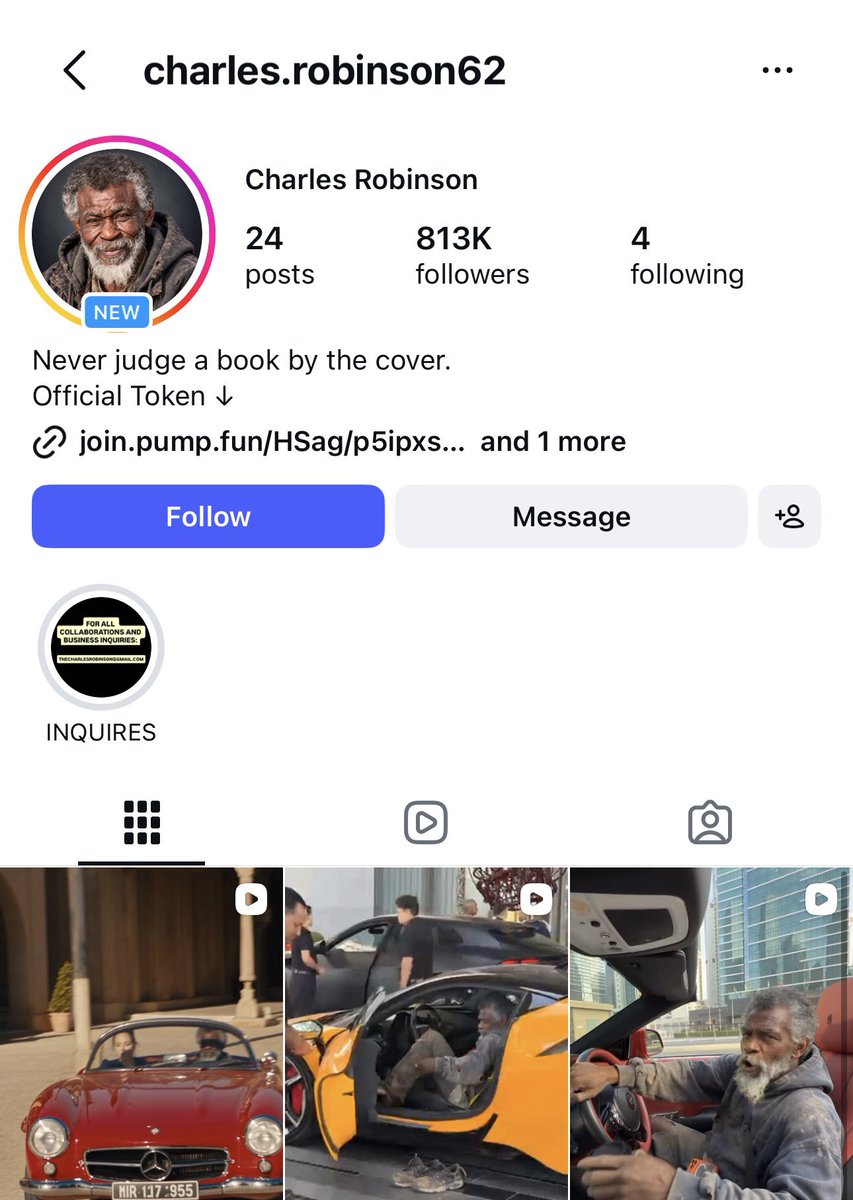
Created a page 4 days ago, posted 24 Ai videos and now has over 800k followers😭😭😂 While i have been on same Instagram for over 2 years and still struggling to get to 300 followers. Even after being consistent everyday.
Introducing Griffin, the first model to pass the video Turing test.
48% of people who talked to it live thought it was a real human. Previous systems have had a pass rate <3%. It is #1 on NVIDIA's benchmark for full-duplex AI video.
It’s the first Human Interaction Model (HIM).
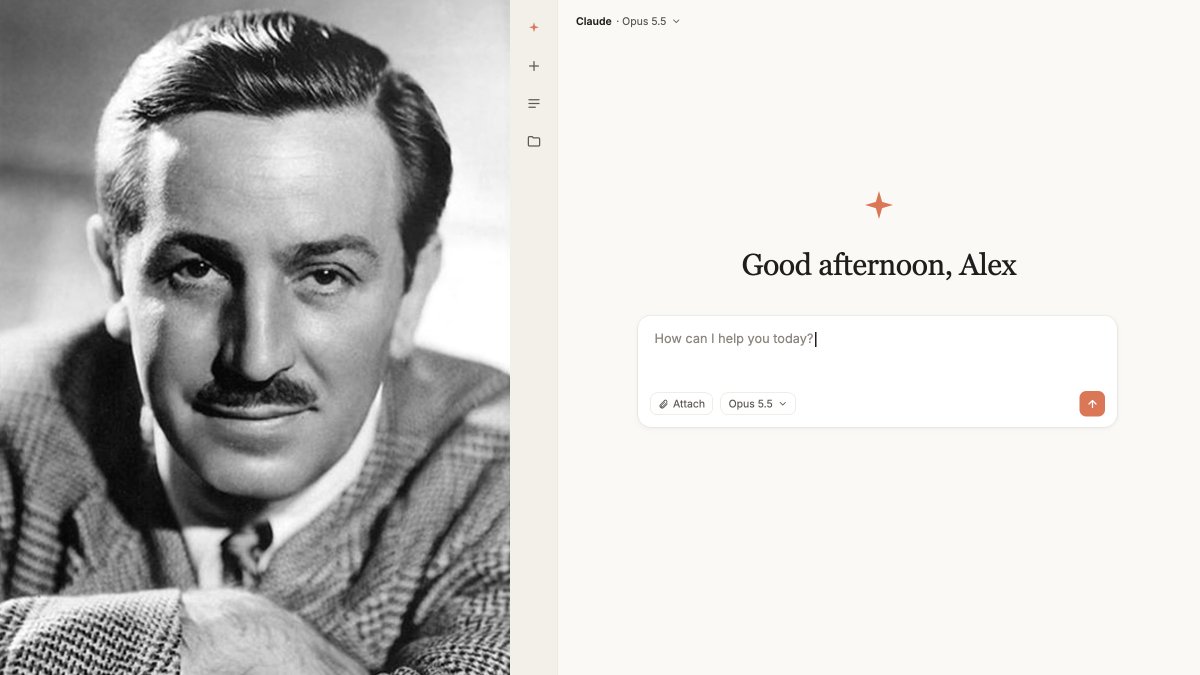
I made a prompt that turns any idea into a plan using Walt Disney's three-room method.
One of Disney's animators said there were three different Walts: the dreamer, the realist, and the spoiler, and you never knew which one was walking into the meeting. He kept them apart on purpose, the story goes in three separate rooms, because if the critic is in the room while you're dreaming, nothing gets dreamed.
It works just as well on a business idea, a trip, a house move, or the side project you keep not starting.
Paste this into your AI and answer honestly.
---
You are running Walt Disney's three-room method with me.
My idea: [describe it in a sentence or two]
Take me through three rooms, one at a time, and don't let the next room in until the current one is finished.
Room one is the Dreamer. Ask me what this looks like if it works completely, with no budget, no rules, and nobody saying no. Push me to go bigger twice.
Room two is the Realist. Ask me what it would take to make the dream real: the steps, the people, the money, and the first thing that has to happen.
Room three is the Critic. Ask me what's missing, what could go wrong, and who would hate it, and make me answer each one.
Then give me:
1. The dream in one sentence, the biggest version
2. The plan in five steps, with a first step I can do this week
3. The three biggest holes the critic found, and a fix for each
4. Which room I spent the least time in, because that's the one I always skip
Rules: never criticize in the dreamer room, never dream in the critic room, and if I start arguing with the critic, write the objection down and move on.
---
The separate rooms are the Disney part. Most people run all three voices at once, and the critic always wins, which is why the idea stays an idea.
Bookmark this for the next idea you've been carrying around for a month.
Dos ingenieros de Anthropic pasaron 24 minutos exponiendo cada función de Claude Code que no sabías que existía y gratis.
La mayoría de las personas pasarán de largo este contenido
Guarda esto para no perderlo 🏷️
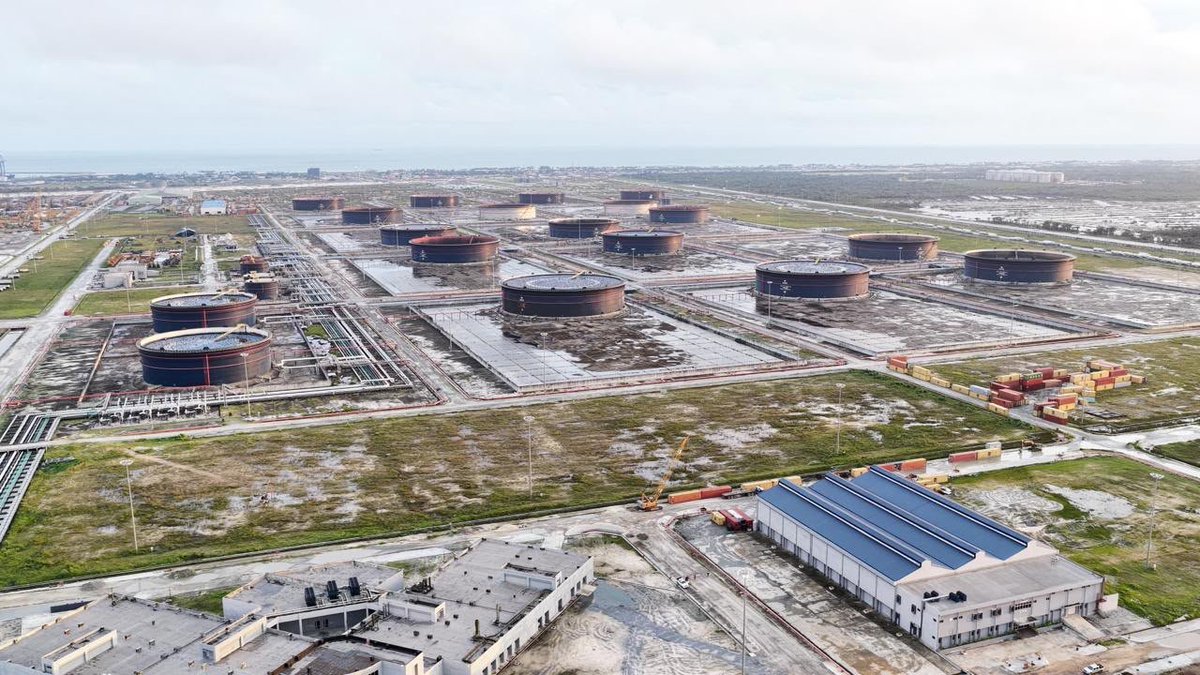
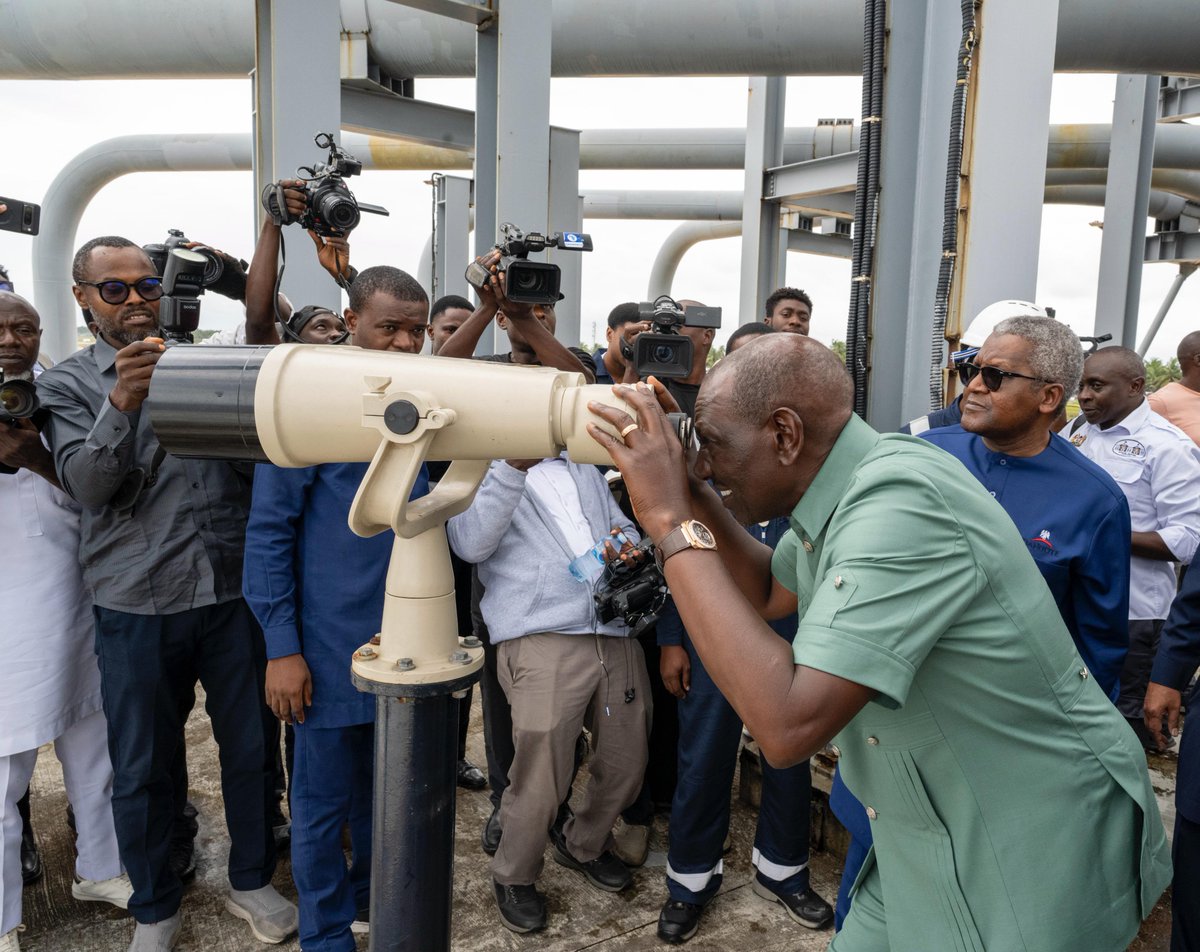
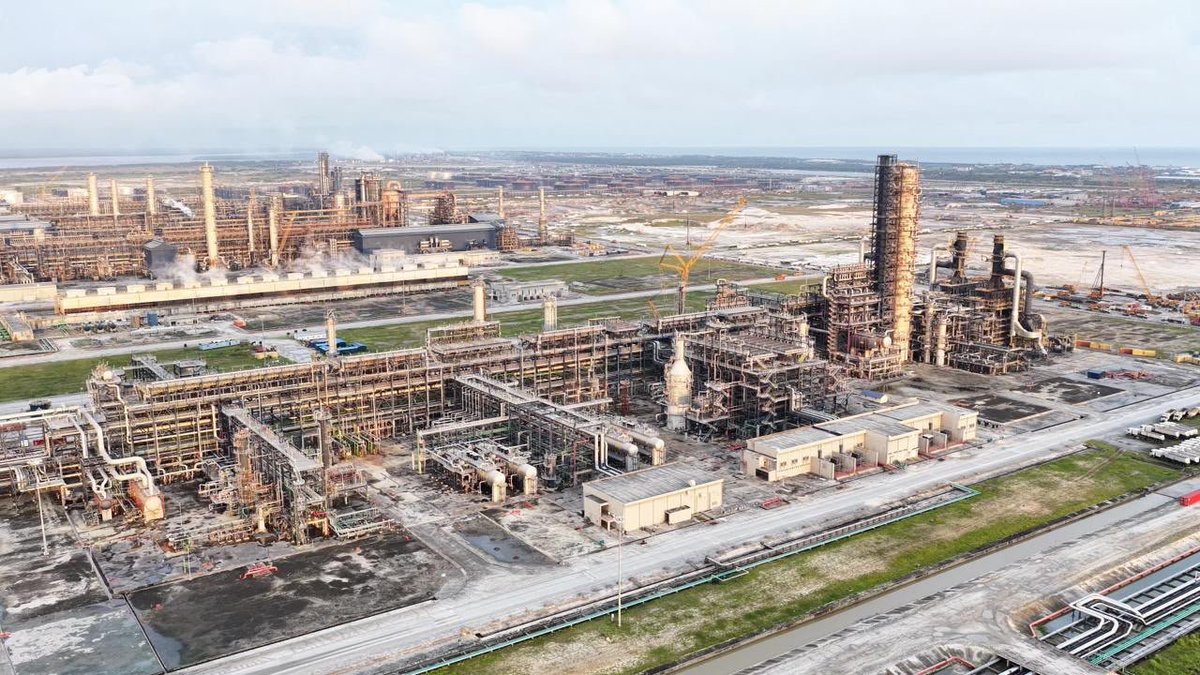
Toured the Dangote Refinery in Lekki, Lagos State, Nigeria, at the invitation of Dangote Group President and CEO @AlikoDangote ahead of our groundbreaking ceremony for the Dangote East African Refinery in Lamu, Kenya, next week.
The refinery in Nigeria is a massive investment with a crude oil refining capacity of 700,000 barrels a day and produces more than 100 million litres of petrol, diesel and aviation fuel every day. The company has built 120km of sea cables to move crude from ships to the refinery.
This huge achievement is a testament of what African governments, investors and financial institutions can do together.
The refinery whose construction we launch in Kenya next week will be bigger. It will transform the petroleum sector in our country and region, providing fuel reliability and security, scaling up industrialisation and creating 60,000 jobs.
When the refinery is completed, spin off industries will emerge, including the production of fertilisers, chemicals, and packaging.
This is how to create this video👇
This was made with the new Higgsfield Genjutsu
First, open Higgsfield and click on Genjutsu
Upload the video you want to recreate
Then upload your image or any character of your choice
Once both are uploaded, click generate
Genjutsu will recreate the original motion using your character while keeping the rest of the scene
That’s it🤗
Luca Guadagnino’s ARTIFICIAL. It's coming.
Starring Andrew Garfield, Yura Borisov, Monica Barbaro, Ike Barinholtz, Cooper Hoffman, Jason Schwartzman, and Mark Rylance. In select theaters Christmas Day.
With my little man still small enough to be excited by building sand castles. And the missus watching. Recording everything so that she put it on the Gram later. Ya Allah, make this true some day.
I think I would like to swim in another ocean other than the Indian Ocean. Preferably the Pacific. On a warm island. With enough dollars in my account to know that no immigration laws will keep me out of that island.