Today's Paper of the Day is:
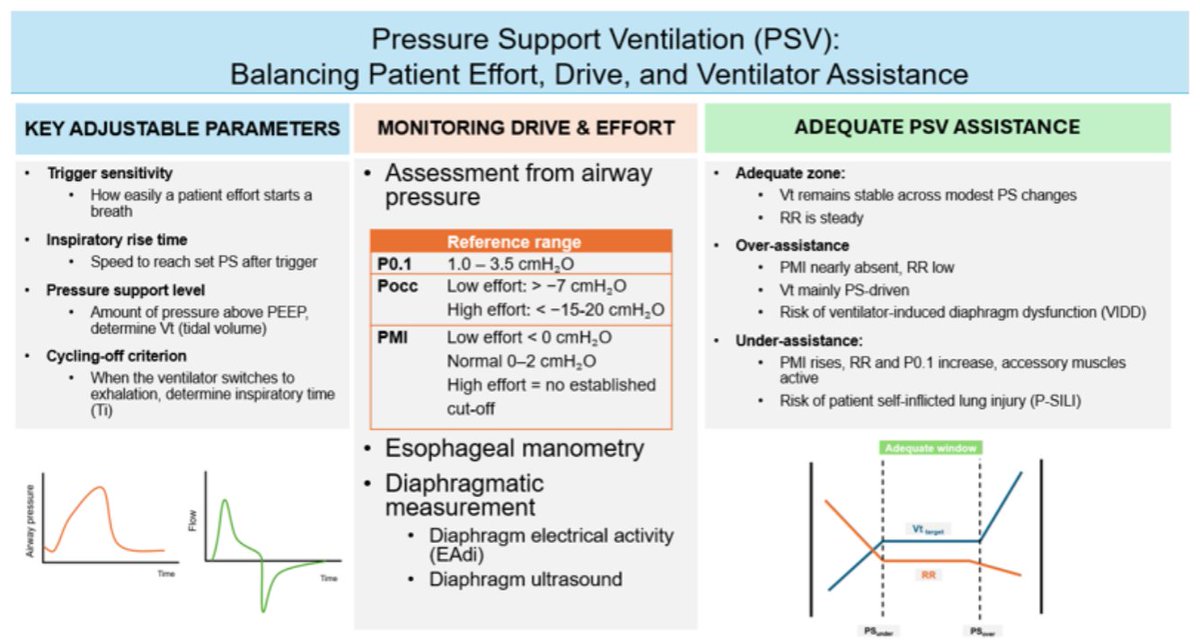
Safe titration of pressure-support ventilation: Balancing patient effort, drive, and ventilator assistance
https://t.co/JKgcYjlUQ5
Join us to read 1 paper per day and stay up-to-date as we cover the spectrum of critical care across 2026
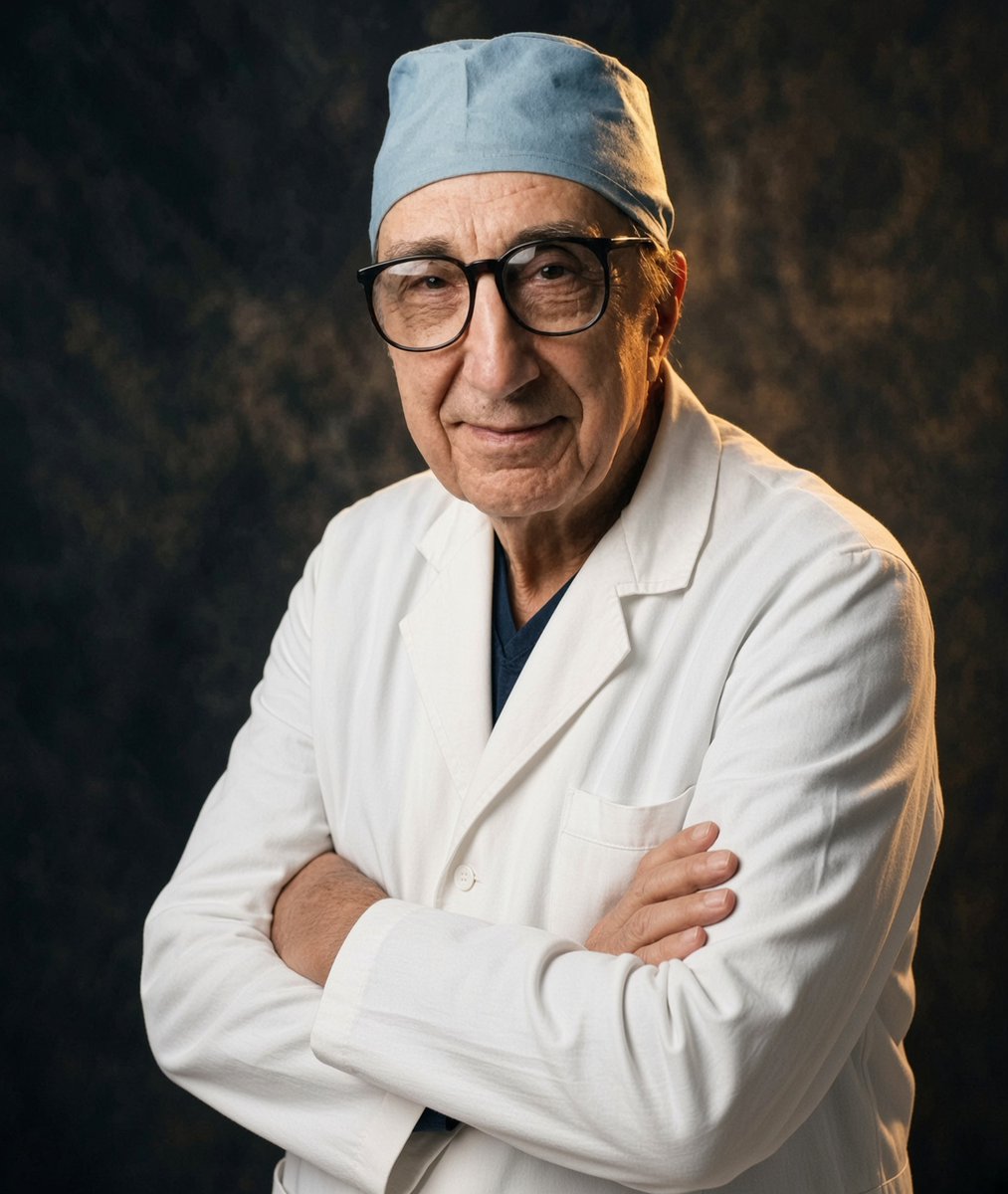
He spent his life teaching surgeons how to repair the aorta.
Then, at 97, his own aorta began to tear.
On New Year’s Eve 2005, Michael DeBakey was alone in his Houston study when a tearing pain ripped through his chest and into his back. He knew instantly what it was: an acute aortic dissection — the catastrophic condition he had classified, studied, and taught others to treat for decades.
At 97, he first refused surgery. He understood the odds. But his condition worsened. On February 9, 2006, after an ethics-committee debate and with his family pressing forward, surgeons opened his chest. They replaced the damaged segment of his aorta with a Dacron graft — the same kind of synthetic vessel he had pioneered in the 1950s.
There was a quiet full-circle detail in that graft. DeBakey had learned to sew from his mother. When department-store nylon ran out, he bought Dacron instead and stitched the first experimental tubes on his wife’s sewing machine.
Decades later, that material helped save his own life.
The operation lasted about seven hours. He survived. After a long recovery he returned to work, lectured, and wrote. In April 2008 he received the Congressional Gold Medal. He died on July 11, 2008, at 99 — weeks short of his 100th birthday.
He studied the disease. He built the tools. He trained the surgeons. Then he became the patient. The man who gave other people more time was given a little more time himself — and spent it in the hands of the people he had taught. ❤️
Today's Paper of the Day is:
Infectious meningitis and encephalitis: A primer for acute care practitioners
https://t.co/JKgcYjlUQ5
Join us to read 1 paper per day and stay up-to-date as we cover the spectrum of critical care across 2026
Today's Paper of the Day is:
Autoimmune Encephalitis in Acute Care-Pathology, Diagnosis, and Management
https://t.co/JKgcYjlUQ5
Join us to read 1 paper per day and stay up-to-date as we cover the spectrum of critical care across 2026
Nice review article by @Aboumarie (kudos!) examining the evolution, physiological principles, and clinical applications of point-of-care ultrasound (POCUS) and Critical Care Echocardiography (CCE)
Some take-home points:
* POCUS has expanded from simple bedside "rule-in/rule-out" exam into a comprehensive diagnostic approach
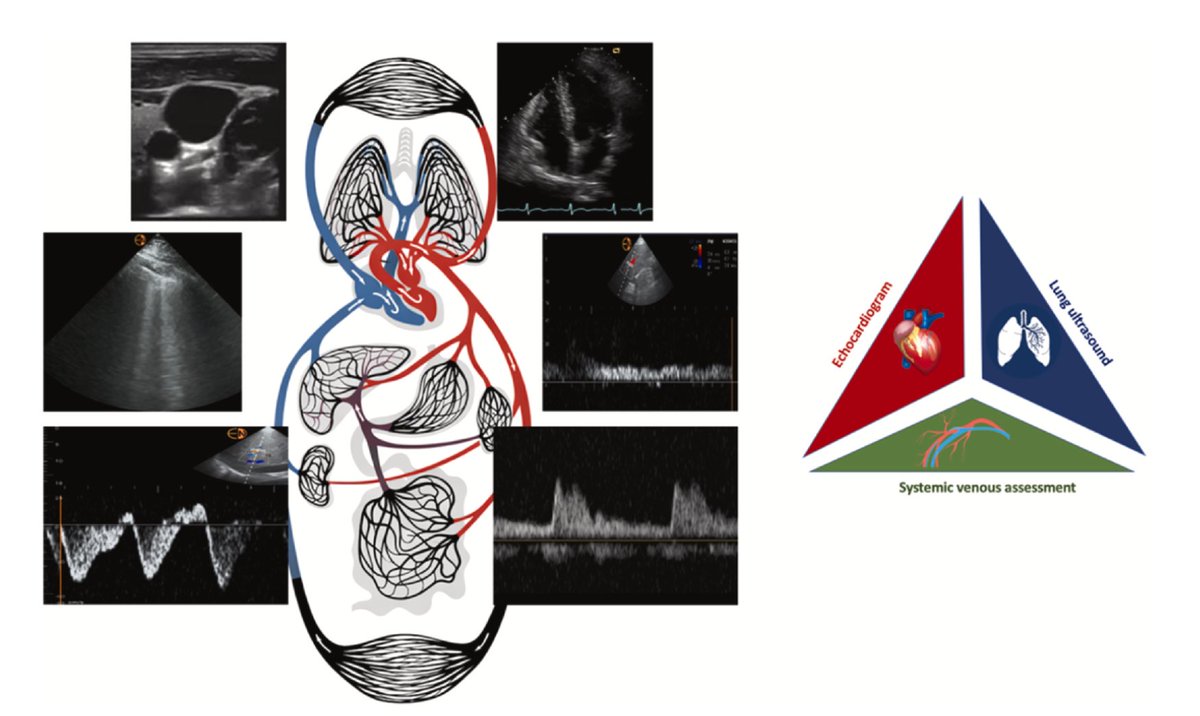
** The "POCUS Pyramid": Effective hemodynamic evaluation relies on integrating three key pillars rather than evaluating an organ in isolation:
echocardiogram + lung ultrasound + systemic venous assessment (VEXUS)
Key applications in Critical Care:
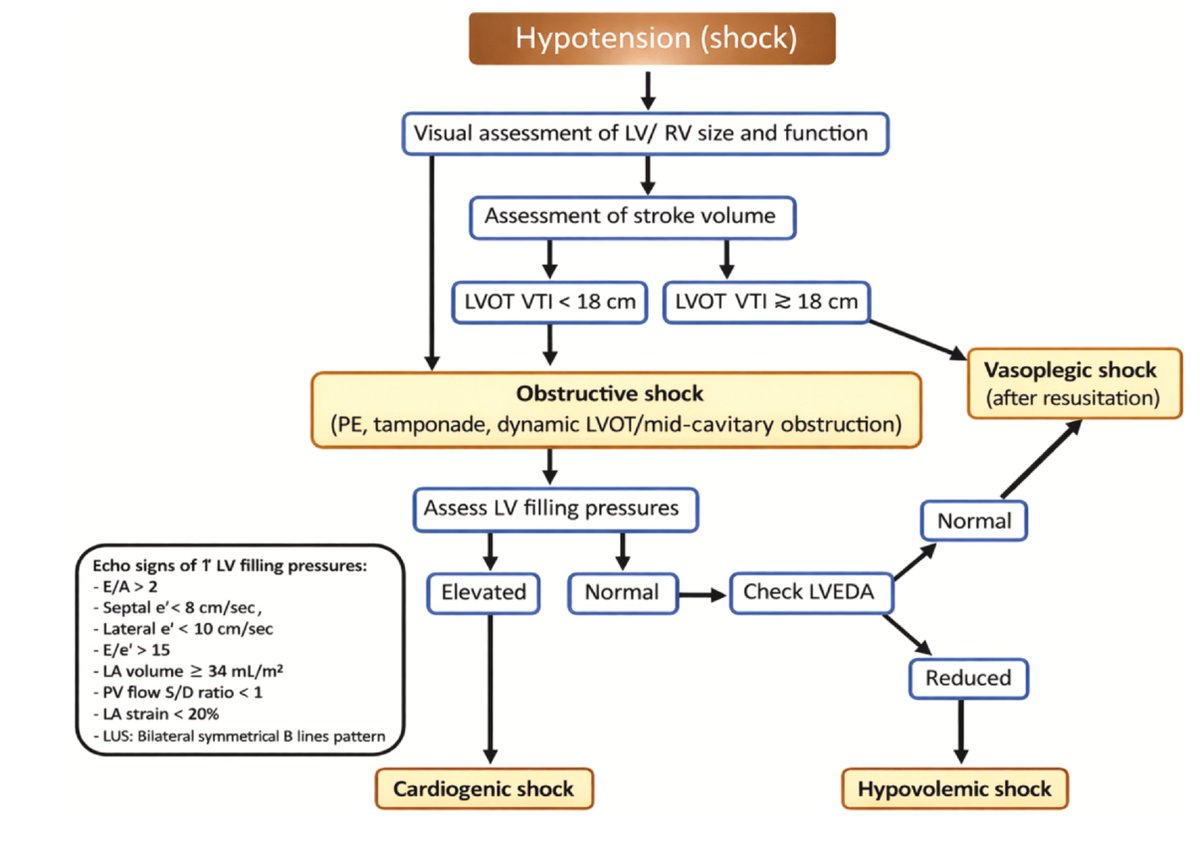
1. Differentiating shock phenotypes
2. Assessing hemodynamics & preload responsiveness
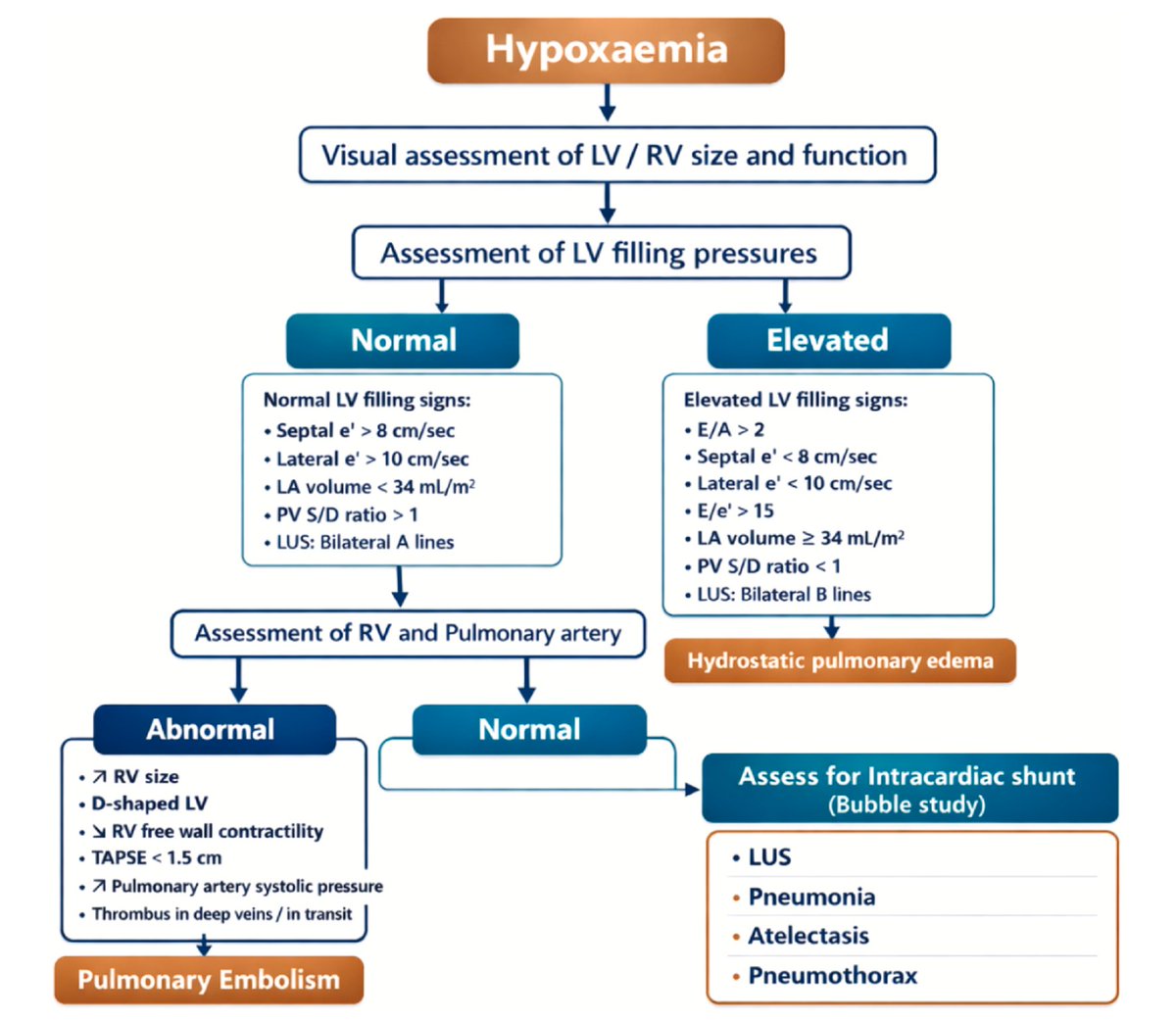
3. Evaluating hypoxemia
You may find useful the proposed algorithms for the evaluation of patients with hypotension and/or hypoxemia:
బతికి ఉన్నప్పుడు కంటపడని కన్నప్రేమ.. కన్నుమూశాక వీడియో కాల్ దర్శనం! ఎటు పోతోంది ఈ సమాజం?!
రెక్కలు ముక్కలు చేసుకుని పెంచి పెద్ద చేసిన కన్నప్రేమ పట్ల ఆప్యాయత, బాధ్యతలు ఏమైపోతున్నాయి? నేటి సమాజంలో యంత్రాల్లా మారుతున్న మానవ సంబంధాలు, మంటగలిసిపోతున్న నైతిక విలువలకు ఈ దృశ్యమే ప్రత్యక్ష నిదర్శనం.
హరియాణాలోని సోనిపట్కు చెందిన ఒకప్పటి ప్రముఖ వ్యాపారవేత్త జీవిత చరమాంకంలో ఒంటరితనంతో కుమిలిపోతూ వృద్ధాశ్రమంలో తుదిశ్వాస విడిచారు. ఆస్తులు, అంతస్తులు సంపాదించినా, పిల్లలను ఉన్నత స్థితిలో నిలబెట్టినా.. ఆయన చివరి ప్రయాణంలో మిగిలింది మాత్రం అనాథ శవంగా మారిన వేదనే.
కుమార్తెలు కన్నతండ్రి కన్నుమూసినా కడసారి చూపుకైనా రాలేకపోయారు. ఆఖరికి అంత్యక్రియలను కూడా మొబైల్ ఫోన్లో వీడియో కాల్ ద్వారా వీక్షిస్తూ సరిపెట్టుకున్నారు. తండ్రి చివరి కార్యాల ఖర్చుల కోసం కేవలం రూ.5,100 పంపి తమ బాధ్యత తీరిపోయిందనుకున్నారు.
మిమ్మల్ని ఈ లోకంలోకి తెచ్చి, మీ భవిష్యత్తు కోసం తమ జీవితాలనే ధారపోసిన కన్నతండ్రి ఆఖరి ప్రయాణంలో తోడుగా నిలబడలేని ఈ విలాసవంతమైన, వ్యాపారాత్మక బతుకులు ఎందుకు? కోట్లు సంపాదించినా, ఉన్నత హోదాల్లో స్థిరపడినా కన్నవారి రుణం తీర్చుకోలేని చదువులు, సంస్కారం ఏ పాటివి?
చివరి క్షణాల్లో సాంకేతికత అందించే డిజిటల్ స్క్రీన్లు, ఆన్లైన్ మనీ ట్రాన్స్ఫర్లు కన్నపేగు అనుబంధానికి ప్రత్యామ్నాయం కాగలవా?
తల్లిదండ్రులు బతికున్నప్పుడు వారిని గుండెల్లో పెట్టుకుని ఆదరించడం, వారి ఆఖరి ఘడియల్లో తోడుగా నిలవడం పిల్లలుగా ప్రాథమిక ధర్మం.
కన్నవారిని వృద్ధాశ్రమాలకు పరిమితం చేయడం, వారి మరణాన్ని కూడా వీడియో కాల్స్ ద్వారా చూస్తూ మమకారాలను తెంచేసుకోవడం అత్యంత శోచనీయం.
మానవత్వానికే మచ్చ తెచ్చే ఇలాంటి సంస్కృతి మారాలి.
Prime Minister of Norway snubs controversial journalist Helle Lyng, asks her to respect Indian democracy. Schools her about India’s one and a half billion people from different cultures, religions, history and experiences.
Will she still attack India?
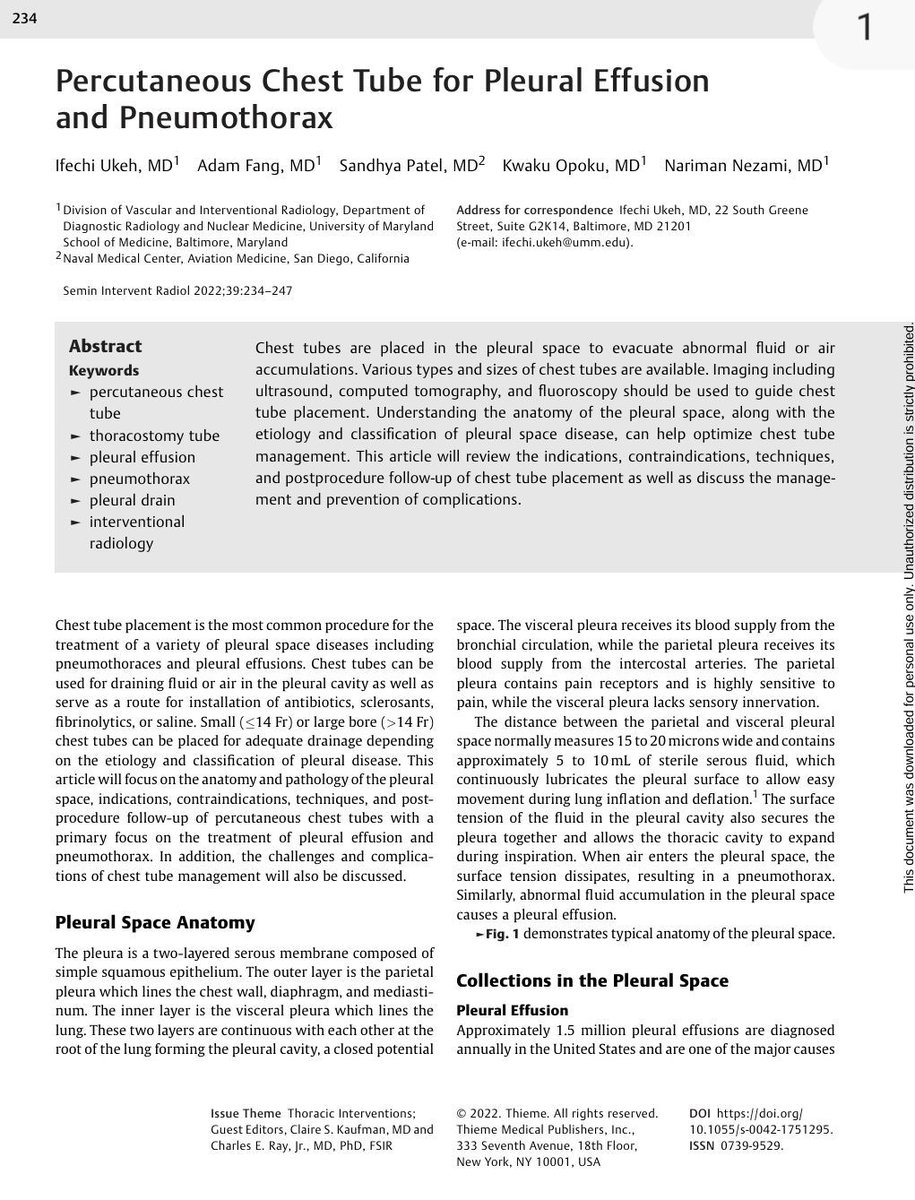
🫁 Chest tubes are far more than “just a drain.”
This review is an excellent reminder that successful pleural management depends on understanding physiology, imaging, drainage mechanics, and complications.
Several practical concepts stand out:
📡 Image guidance matters.
Ultrasound is now the standard for pleural drainage, improving success and reducing complications compared with blind insertion. CT guidance becomes essential for loculated, fissural, or complex collections.
📏 Bigger is not always better.
Small bore pigtail catheters are increasingly supported for many pleural effusions and pneumothoraces, often causing less pain and fewer complications. Large bore tubes still retain value in:
• hemothorax
• empyema
• persistent air leak
• mechanically ventilated pneumothorax
⚠️ One of the most misunderstood areas remains chest drainage systems.
The paper clearly explains: • tidaling
• bubbling interpretation
• water seal physiology
• suction management
• digital drainage systems
Importantly, continuous bubbling is not automatically “normal.” It may indicate a persistent air leak, tube malfunction, or incomplete pleural sealing.
Another excellent point: 🧠 excessive suction may sometimes prolong alveolar or bronchopleural fistula healing.
Finally, the review highlights serious complications clinicians must actively anticipate: • tube malposition
• arterial injury
• persistent air leak
• reexpansion pulmonary edema
Chest tube management is not a nursing afterthought. It is dynamic pleural physiology at the bedside.
📖 Ukeh I et al. Seminars in Interventional Radiology. 2022;39:234–247. https://t.co/fiVVLgt7CP
@CinePrasthanam Why don’t they start with their name and media they represent before asking any question? It should be made compulsory before asking questions audience should know how pathetic people are!!