🦴 A fossil finger bone from coastal Papua New Guinea clusters with extinct 𝘗𝘳𝘰𝘵𝘦𝘮𝘯𝘰𝘥𝘰𝘯 kangaroos
The finding suggests some marsupial #megafauna survived in the Australia–New Guinea region until ~5,300–6,800 years ago.
#Paleontology
🔗 https://t.co/xyTCNit6us
Yesterday in @Nature, we presented the earliest evidence of dogs anywhere in the world — three puppies that were buried by Stone Age hunter-gatherers in Türkiye almost 16,000 years ago.
https://t.co/SHkfDIzU7f
I have data on contemporary hunter-gatherer trophy taking. Many foragers preferentially keep and display the skull and horns of animals to demonstrate their hunting success, appease the animal’s spirit, and provide supernatural protection to their dwellings.
@Evolving_Moloch Very cool. Trophies are one of our best repositories for mammals in New Guinea - since even very small, unassuming species would be kept - and for a few, certain anatomy is known only from trophy specimens
🚨 PNAS Special Feature 2 🐕
We used ancient DNA and dietary isotopes to show that landscape modification and the introduction of European dogs impacted dingo populations across Australia.
🔗 Full paper here: https://t.co/ePYWoln0WU
Just like everyone and everything else that was already in Australia when the First Fleet arrived in 1788, dingoes had to adapt to their new reality. @dr_cairns@uninewengland@Sydney_Uni@UNSW https://t.co/BNsWqebKuQ
@motherlander ...where it just so happened that a second dispersal from the same part of Southeast Asia picked them up thousands of years later. Might be guessed from the fact that ancestry of Vanuatu and Tonga Lapita are nearly 100% "Asian" related (with Ami reference for qpAdm)
@motherlander I think the odds are the B4a1a ancestor of Remote Oceania PM was probably somewhere between Taiwan-Moluccas just not yet sampled in aDNA survey, rather than actually absent there and instead present "out of place" in the mid-Holocene Bismarcks...
NSW state library & the National Library have microfilms - Pacific Manuscripts Bureau coll. I initially considered paying for digital copies but there are thousands of pages, and many are his notes from Sydney Uni anthropology classes! Interesting character.
@koungoulos Sounds interesting - which library is that archive in? I don't know of any well-researched chronology of those beads, but the eroded-looking blue-ish beads at the bottom right, and the ribbed kinds are said to be Song/Yuan
Glass beads from the Lake Sentani region, north coast of Papua, part of bridewealth exchanges. The beads are mostly from China, and include some very old examples (the melon shaped beads). Brought by trading vessels over the last two millennia. From my book "Stone and Fiber".
@chrisbuckley888 Recently went thru KH Thomas' archive, Vanimo kiap 1927-34. He wrote a whole unpub. manuscript on the use of these beads along the north coast for marriage. We've found a few blue/green beads in the upper levels at sites there - Lachitu & Taora.
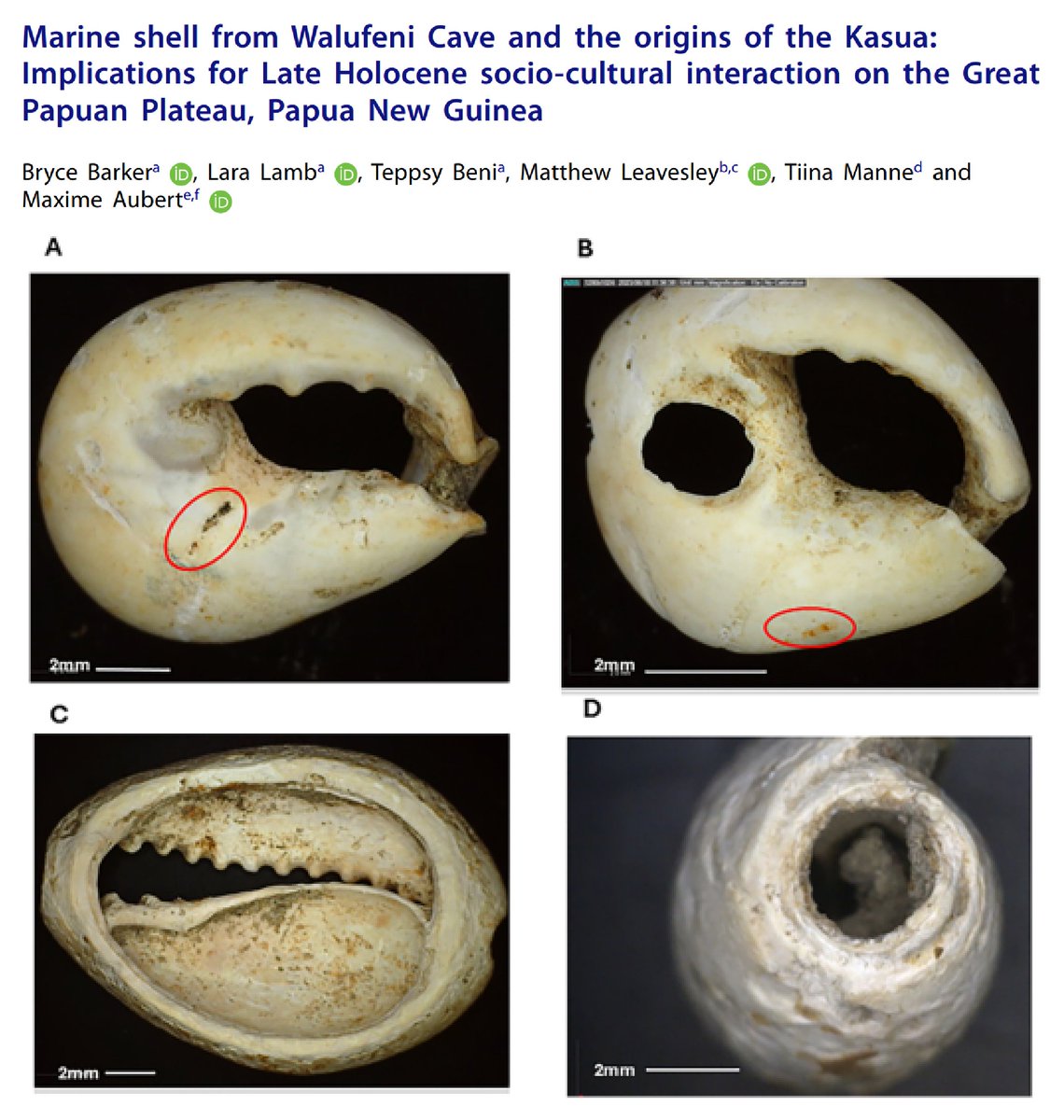
How did marine shells end up 200 km inland? Walufeni Cave reveals a 3,250-year-old story of trade, migration and cultural connection across Papua New Guinea’s Great Papuan Plateau.🔓⤵️
👉https://t.co/JFxxV5UIMu
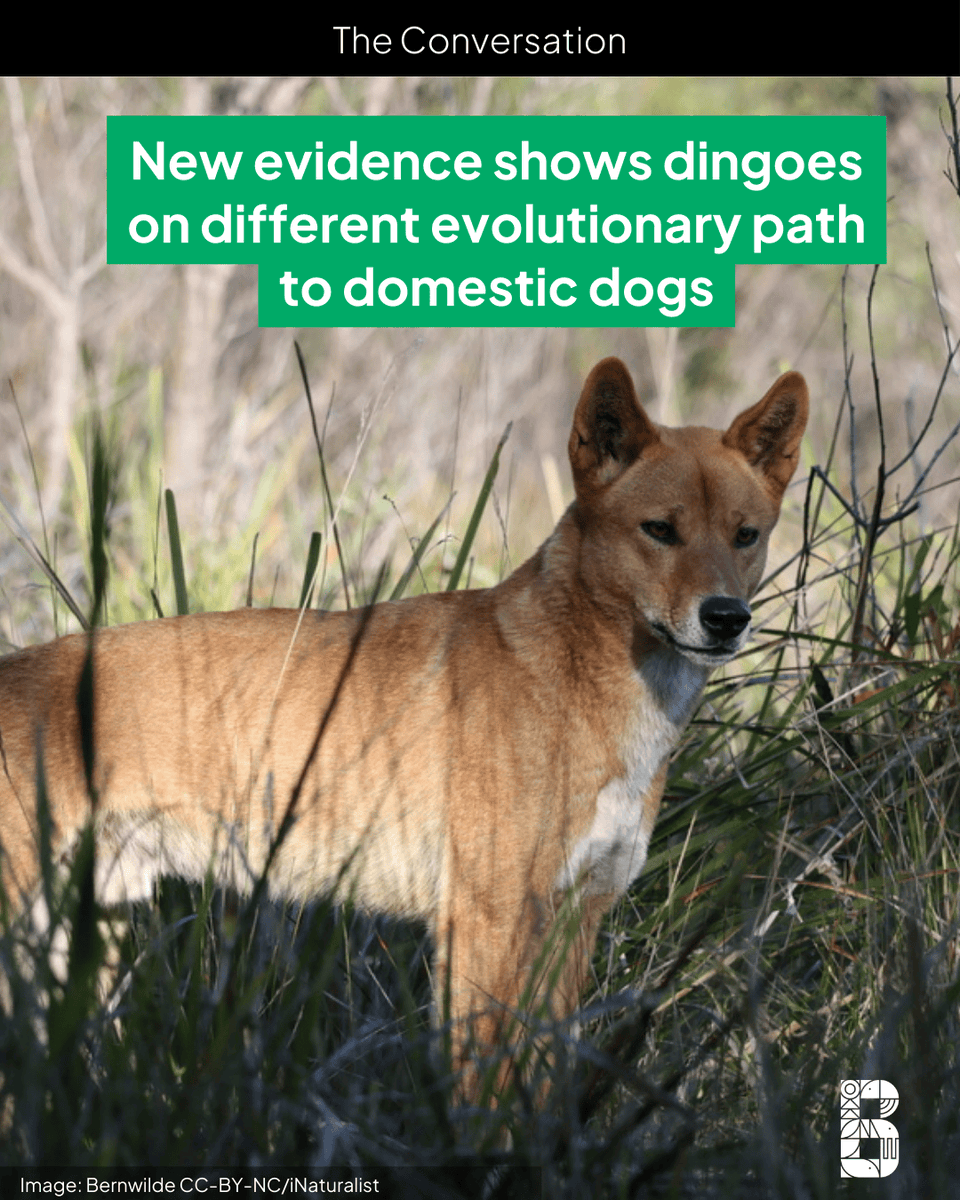
New research shows that based on genetic, behavioural, ecological and archaeological evidence, dingoes are distinct from domestic dogs, including South-East Asian village dogs, which look superficially similar.
Read more on The Conversation from Kylie Cairns, Bradley Smith, Euan Ritchie and Thomas Newsome.
https://t.co/zfSC13spEc
@
@MungoManic@AntiquityJ The predominant thinking is that sweet potato introduction in New Guinea was through European contact so it doesn't count as part of this network. but there are some dissenters who believe it happened somewhat earlier