🌪️ When tornadoes threaten, time is safety.
Equipped with WoFS, on 3/14/25 @NWSPaducah forecasters and emergency managers issued special safety messages roughly 2 hours ahead of an EF3 tornado in Carter County, Mo.
The Tornado That Didn't Surprise 🔗: https://t.co/GtEwmdhQKI
📡🔥Weather radar plays a key role in wildfire detection and monitoring. 🔥📡
Phased array radar (PAR) has the potential to enhance those capabilities. Our experimental PAR was put to the test during the recent Oklahoma dust storm and wildfire event.
🔗: https://t.co/6bPOgFP5i9
We feel more proud than Bob Ross after painting a majestic mountain range! Results from our 2020 broadcast meteorologist survey are officially published in Weather, Climate and Society @AMSWCAS. Thanks to so many of you who completed this survey.
https://t.co/zmpjgLCVZb
We're excited to share our research in Phoenix, AZ this week for @AMSBroadcastcon. The forecast looks 🔥 but it can't be worse than a 2-hour severe weather case inside the KPHI-TV studio! Check out our blog detailing our upcoming presentations: https://t.co/bD8cBd9lPS
#AMS50BC
Check out what we've been up to - read our latest blog post on our upcoming research presentation at the 103rd AMS Annual Conference #AMS2023
https://t.co/iyFjZjhn67
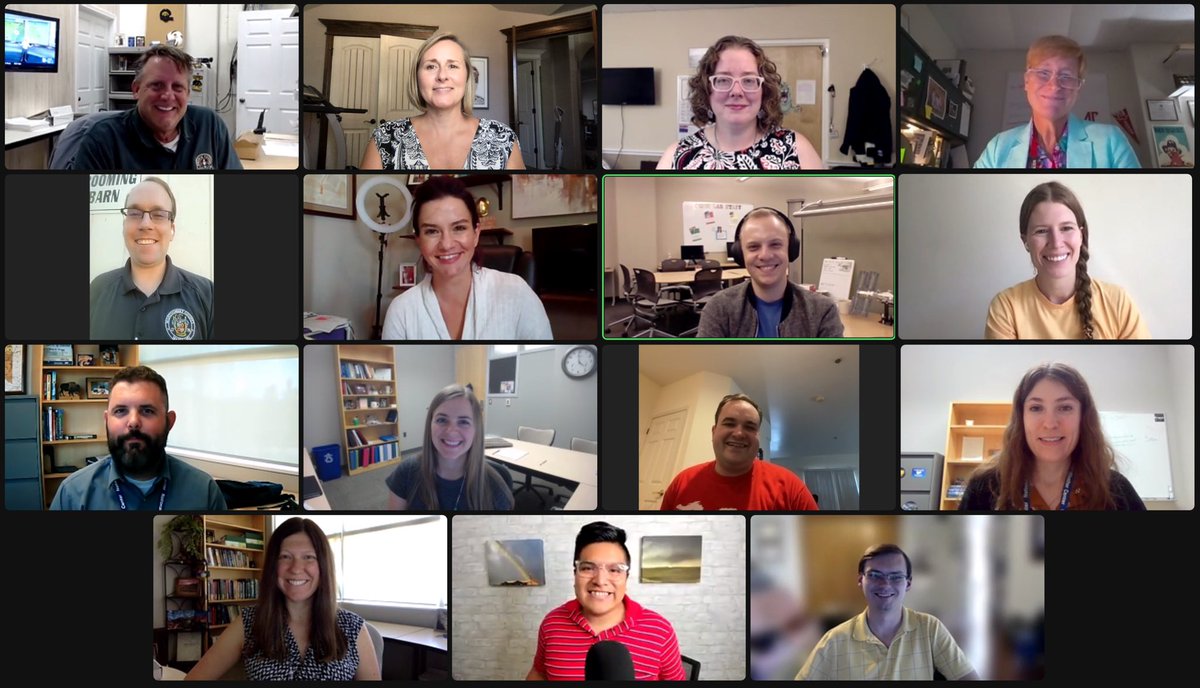
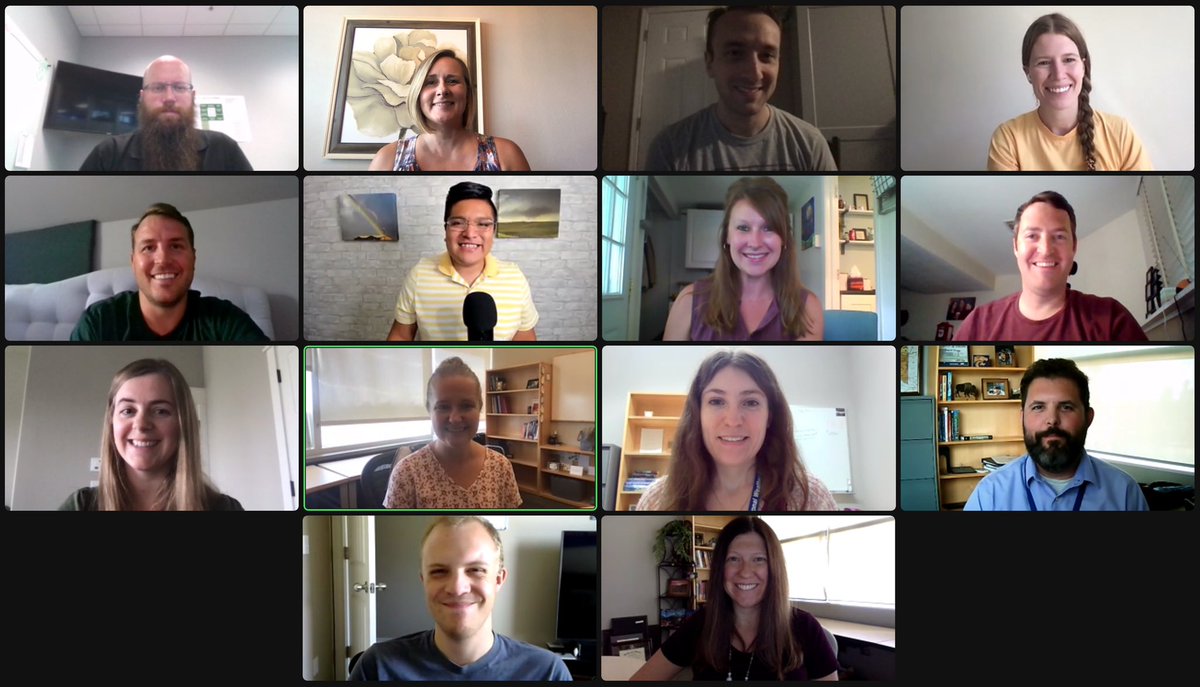
We’ve wrapped up our 4th and final group of broadcasters and emergency managers that are helping @NOAANSSL and @CIWRO_ researchers better understand information needs and decision making leading up to severe weather events! #hwt2022
3rd group of broadcasters and emergency managers helping @NOAANSSL and @CIWRO_ researchers better understand decision making leading up to severe weather events
2nd group of broadcasters and emergency managers that are helping @NOAANSSL and @CIWRO_ researchers better understand decision making leading up to severe weather events
KPHI researchers are asking broadcasters to share their decision-making timelines and provide feedback on @NOAANSSL and @NWSSPC experimental products. Here is our 1st group of 4. Thanks to all participating!