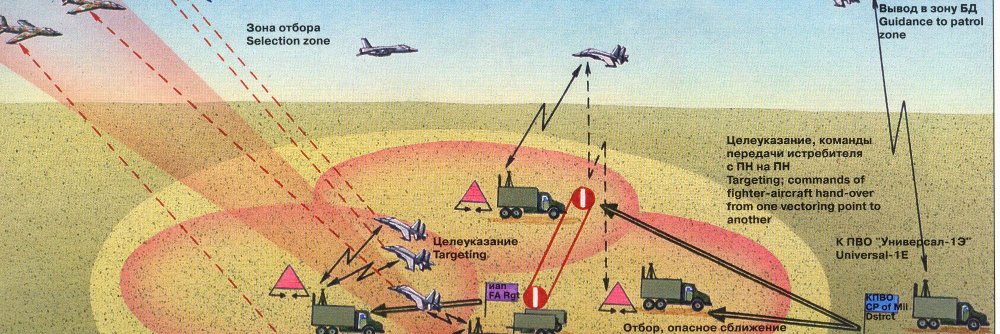
This is a thread of threads providing high level but reasonably detailed overview for the Russian NC3
If you have questions please feel free to ask them though I hope you understand if I don’t answer some of them (ie exact geolocation of key nodes) for obvious reasons.
@FantaCat24 My point was about damage criteria. If the adversary doesn’t change after many thousands dead, dozens aircraft lost and refineries on fire, then maybe this is not a sufficient damage criteria to impact behavior. (Caveat on shock effect, etc)
While one could argue that the initial SMO design shows the risk aversion of the Russian leadership, I think one of the more important (and obvious) lessons is that once committed in a central threaten the Russian leadership is unlikely to change course despite costs.
Notably, as we can tell from this still image, the two Tu-160M1s were also escorted by one or more Su-57s, possibly from the 23rd Guards Fighter Aviation Regiment.
Which begs the question if a strategy of managing escalation through a threat of limited damage (deterrence) or through inflicting it (coercion) through conventional strikes (cruise missiles, drones) ie against economic value (refineries), military force (airbases) makes sense.
@benmoores2 This is literally another “this specific technology/weapon system would revolutionise things” iteration, that we have seen plenty of since 2022.
@benmoores2 Nothing prevents RuASF from running Su-35S (or Su-57 for that matter) in the escort role.
And nothing prevented Ukraine from using previously supplied fighters for ambushes.
And grippen is harder to hide in an ambush from an escort fighter than a SAM system.
@Capt_Navy Yes and no. What Ukraine did was aggression against Lybia (I think, not a lawyer), UK has more means and incentives to respond to such an act.