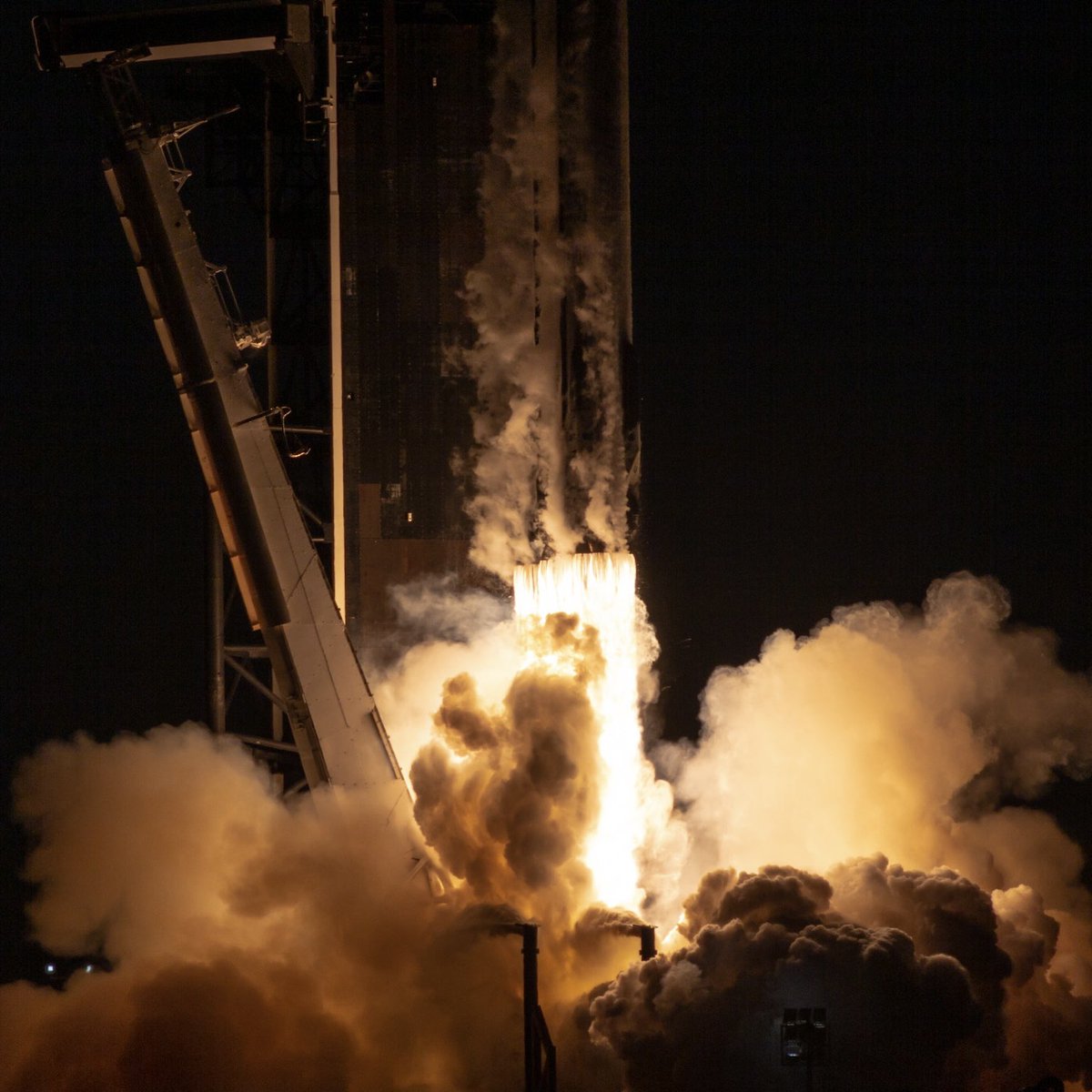
Here’s hoping the weather cooperates and we get to witness a successful Starship launch later today—another step forward in humanity’s journey to space!
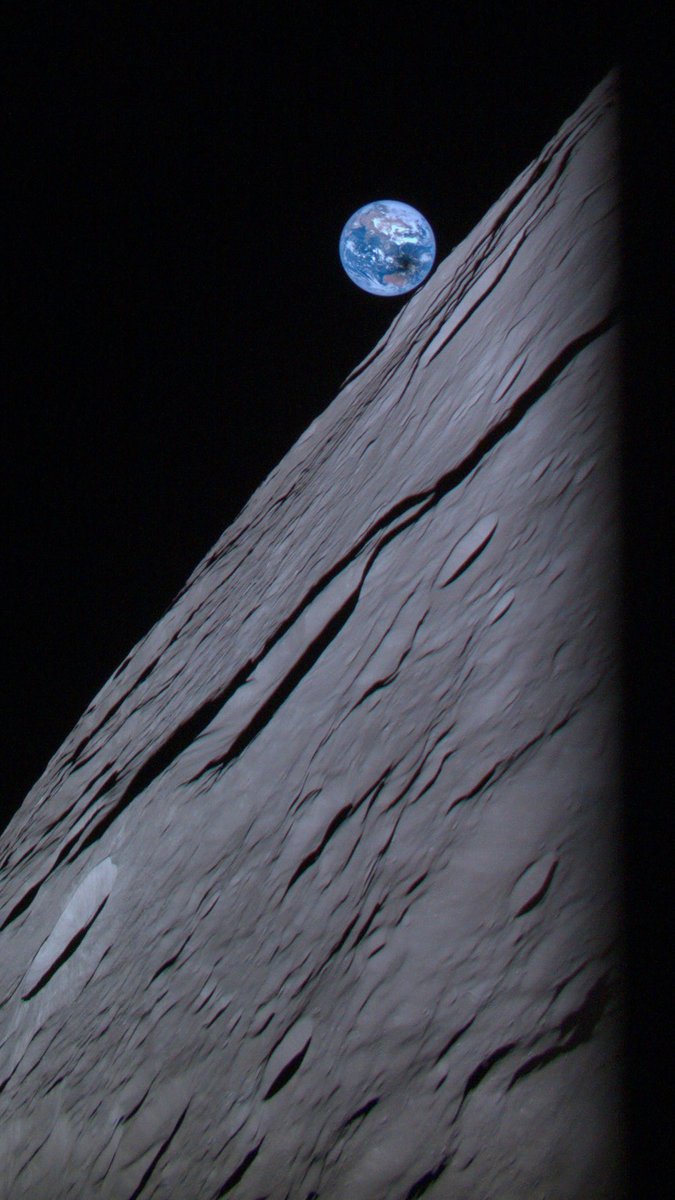
Japan’s iSpace HAKUTO-R lander captured this stunning photo in orbit around our Moon while a solar eclipse was occurring on Earth. You can see the Moon’s dark shadow passing above Australia as a dark smudge.
United Launch Alliance is scheduled to launch Boeing's CST-100 Starliner spacecraft on May 6, 2024, at 10:34 p.m. EDT. This launch will take place from Space Launch Complex-41 at Cape Canaveral Space Force Station, Florida. This mission, known as the Crew Flight Test (CFT), is significant as it marks ULA's first human launch. It's a pivotal test for Boeing’s Starliner system to demonstrate its full capabilities in transporting crews to and from the International Space Station (ISS) as part of NASA's Commercial Crew Program.
The Starliner spacecraft will be launched aboard an Atlas V rocket, which has been specially configured for this mission. This includes a dual-engine Centaur upper stage and an Emergency Detection System for enhanced crew safety. Historically, the Atlas rockets were also used for the first orbital spaceflights of American astronauts during Project Mercury in the 1960s, linking this launch to a rich legacy of space exploration.
This flight is essential for certifying the Starliner for regular crewed missions to the ISS, aiming to provide safe, reliable, and cost-effective transportation for astronauts. This continues NASA’s strategy of partnering with American aerospace industry to launch astronauts on American rockets from U.S. soil.
@theresacross_@space_explored
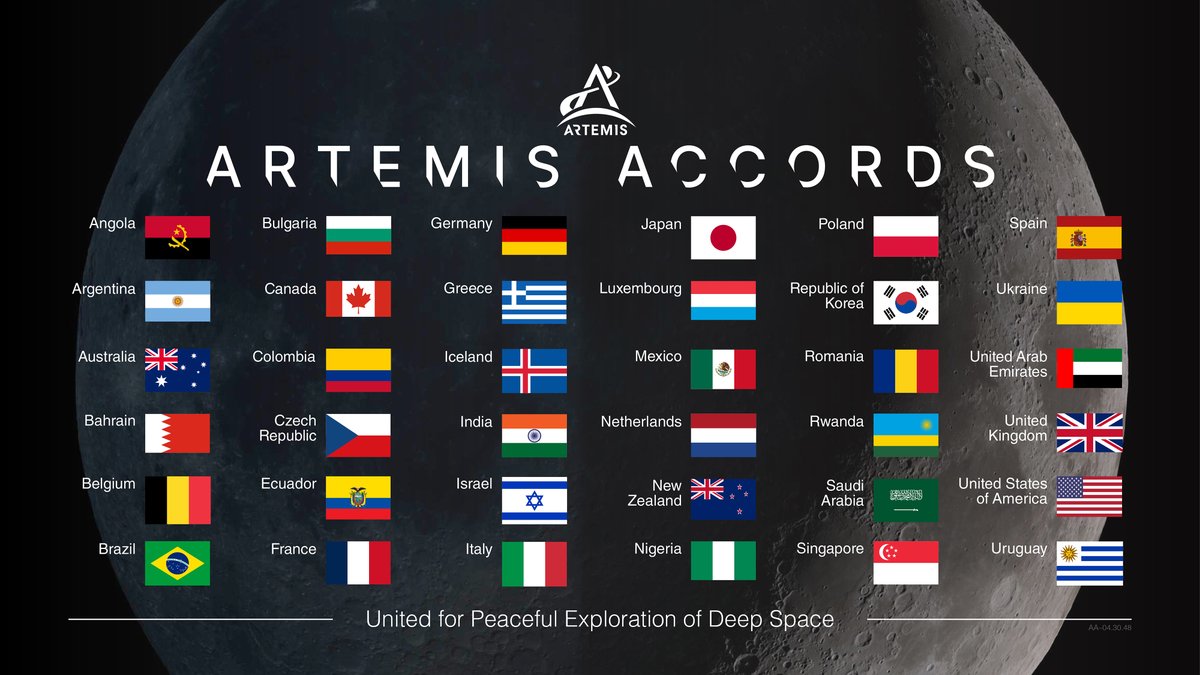
Welcome to #Artemis, Uruguay! 🇺🇾
Today, Uruguay officially became the 36th signatory to the Artemis Accords, committing to the peaceful and safe exploration of space. https://t.co/UOcIO2DbN5
On Jan. 12, we'll broadcast the rollout ceremony of our new X-59 #Quesst aircraft, designed to fly faster than the speed of sound with a sonic thump rather than a sonic boom.
Flight tests, set for later in 2024, could open the skies to supersonic travel over land.
LIVE: The countdown to launch is on. Get the latest weather and status update ahead of the scheduled Aug. 29 liftoff of #Artemis I. https://t.co/SKQJm51t2r