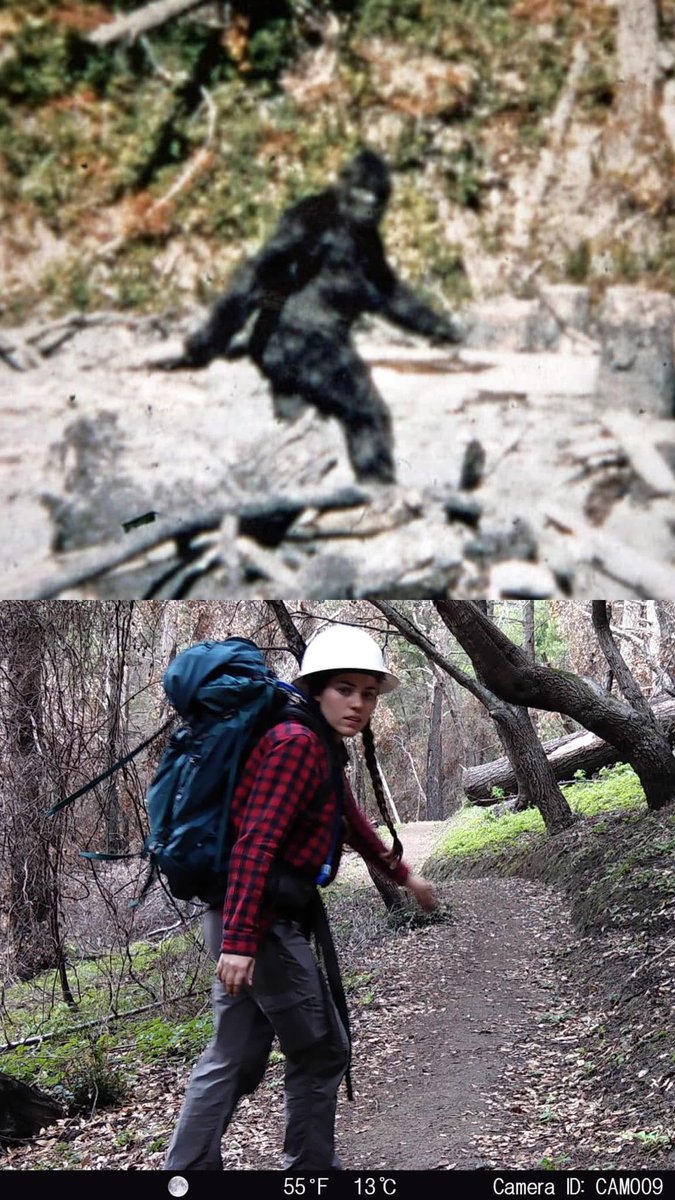
Had a fun surprise while hiking when I came across a link to my thesis defense and symposium talk about my research on wildlife recovery after wildfire!
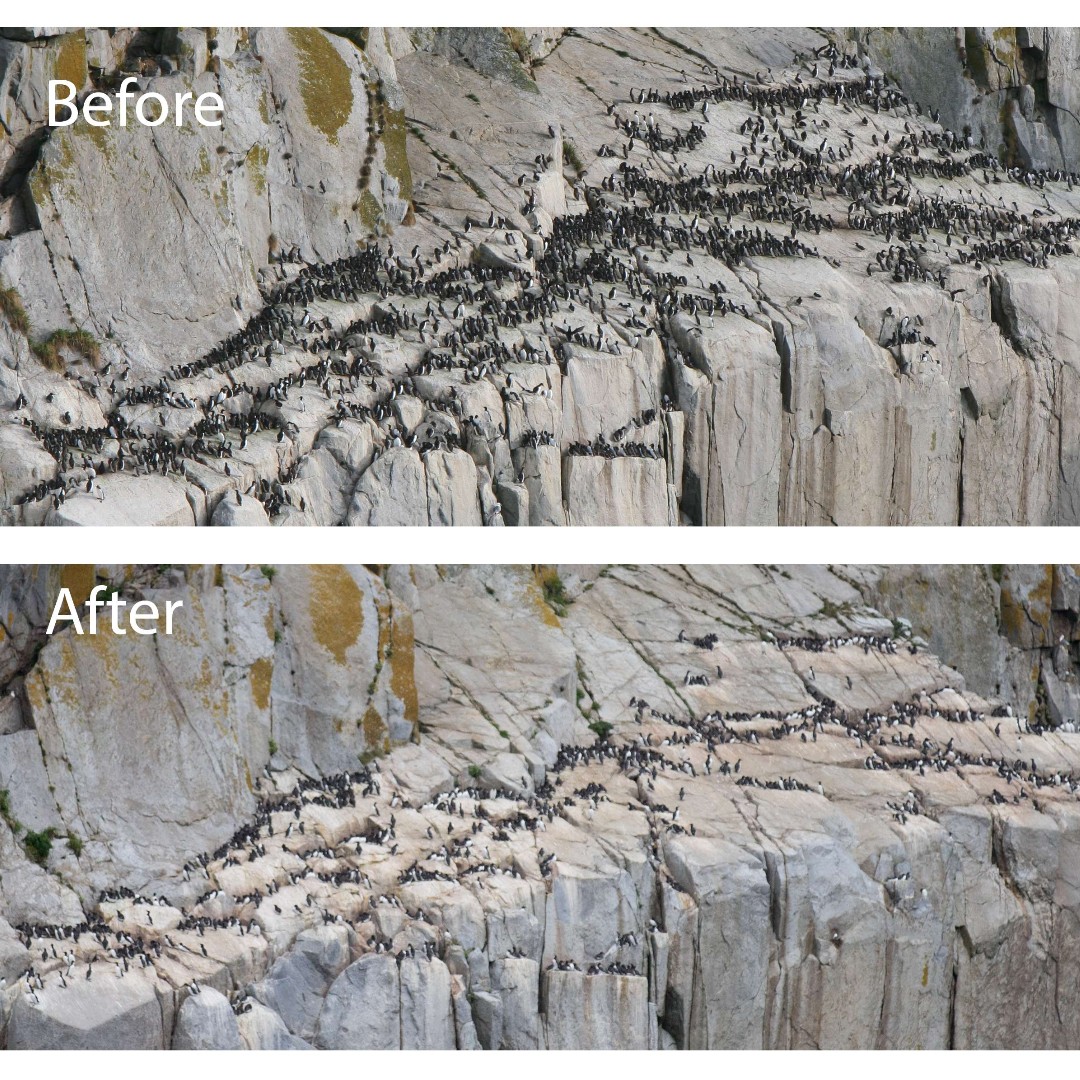
Scientists at Alaska Maritime Refuge worked with partners to document the largest single-species wildlife die-off in modern history. Read more about how a marine heatwave led to the loss of 4 million common murres — about half of AK’s population.
Image: Before/After by USFWS
After being measured, weighed, sexed, and tagged as part of a monitoring project in the Madre de Dios region of the Amazon, we released this female white caiman safely back into the river.
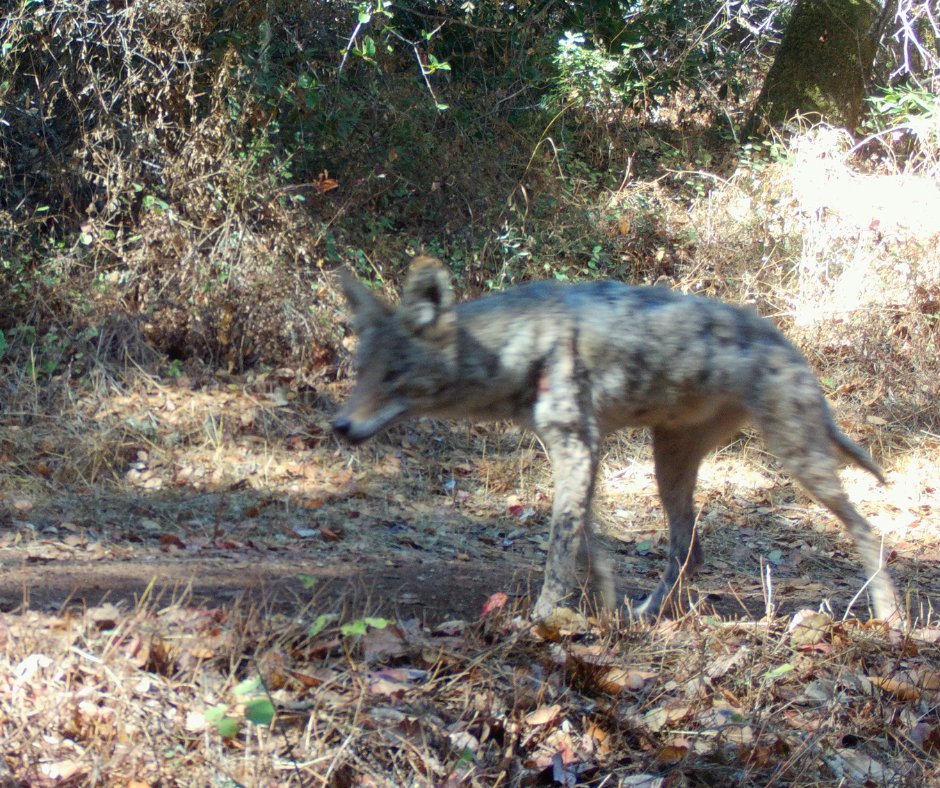
A coyote with a severe case of mange was recently spotted on wildlife cameras at Rancho San Antonio Open Space Preserve. This is one of several observations of wildlife showing potential signs of rodenticide poisoning in Midpen preserves over the past year.
Learn more about rodenticides and what you can do to help keep wildlife healthy at https://t.co/b2iYsgF9dN and help us spread the word by sharing with friends and family!
Pop quiz: What could this be? Hint: In Mexico, it is called “mapache,” from the native Nahuatl language meaning “one who takes everything in its hands.” In Germany, it is called “Waschbär” (literally: wash-bears), though they are not actually bears.
📷: Kristy Doerr, Midpen
Happy #InternationalDayofForests! Forests are essential: they store carbon, filter water and provide habitat for many species. In the Santa Cruz Mountains, two of the most common forest ecosystems are oak woodlands and redwood forests!
📷: Christopher Nguyen, Alisha Laborico