India mein koi 5 minutes number Google kar le to doodh ka doodh paani ka paani ho jaye.
RBI surplus to Govt : ₹2.87 Lakh Crores (US$30 Bn)
Total listed bank profits : ₹4.11 Lakh Crores (US$42 Bn)
NPCI - which runs UPI pre tax ‘surplus’ : ₹ 1,888 crores (US$200 Mn)
To nuksaan kis ka ho raha hai UPI se aur kaunsi subsidy de rahi hai Govt UPI pe jo chubh rahi hai?
Cost of running ATMs and cash logistics in India is ₹30,500 crores (US$ 3.0 Bn). If you want to optimise shut ATMs and promote UPI instead.
Any levy on UPI is just tax collection. UPI is the one scientific achievement of India everyone acknowledges par ab tax ki bali chadhegi.
मोदी से
गरीब भी दुखी है
अमीर भी दुखी है
तो फिर इन्हें वोट कौन दे रहा है ... ये चुनाव कैसे जीत रहे हैं?
बिना वोट चोरी के इनका चुनाव जीतना असंभव है। मोदी की लोकप्रियता खत्म हो गई तो SIR से चुनाव जीत रहे हैं।
I think MDR on UPI was probably inevitable at some point, especially given how widespread UPI adoption has become. It could also lead to more competition, instead of just three apps accounting for more than 95% of the market.
That being said, there are some use cases, like investing and broking, where the proposed MDR structure doesn’t really make sense.
The problem with broking is that there is no guarantee that money transferred to a broker will actually result in a transaction.
As brokers, we can’t force a customer to trade after transferring money. And if we can’t pass the UPI charge on to the customer, there is essentially no limit to the cost a customer can impose on a broker without generating any revenue.
Just as an example, 10,000 customers could each make 50 UPI transfers of ₹2 lakh in a month without executing a single trade. At the proposed MDR, this could potentially cost the broker around ₹2 crore, without generating any business.
What makes this even more challenging is quarterly settlement (QS). This is a SEBI regulation that requires brokers to send unused funds back to clients every month or quarter.
Most customers then transfer these funds back to their broking accounts, with more than half of these transfers happening through UPI. So regulation essentially forces this movement of money every month or quarter, and the broker could end up bearing the cost when the money comes back, without any incremental benefit or revenue.
By the way, we currently don’t charge brokerage on equity delivery trades because the economics allow us to offer them for free. But if every UPI transfer starts carrying an additional cost, irrespective of whether the customer actually trades, I don’t see how we can absorb this indefinitely.
I think having an MDR is okay. It still doesn’t solve the problem of customers transferring money without transacting, but something like 0.02% with a cap of ₹5 or ₹10 per transaction seems much more reasonable for broking, instead of a cap as high as ₹300.
After Barça’s 8-0 win over Almería in 2010, Cristiano Ronaldo was asked about the result and replied: “Let’s see if they score half of them on Sunday.”
Sunday came. Barça didn’t score half. They scored 5. 💀
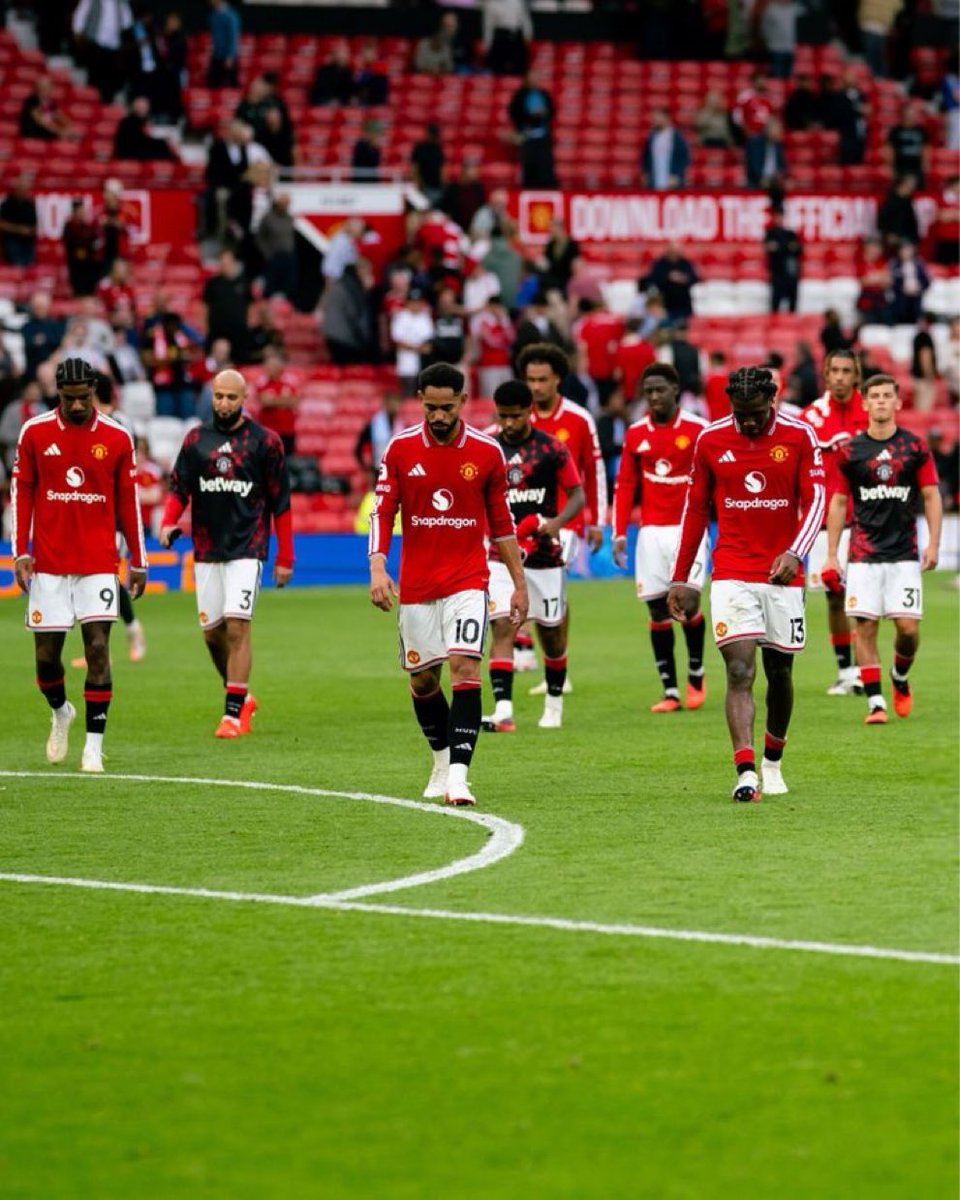
Across the entire history of the Premier League, just 2/50 visiting sides who’ve had red cards at Old Trafford have gone on to win: Everton last year and Man City yesterday.
Not a good habit to develop. 😅