blood of the condor (yawar mallku) | 1969
this masterpiece by jorge sanjinés from bolivian cinema focuses on the resistance of an indigenous community that discovers the US peace corps, who came to their village under the guise of “aid”, were secretly sterilizing local women.
🔴 This is a very informative book for understanding more on Israel’s involvement in Central America. The 1986 monograph comprehensively presents Isr_el's historic relationship with rightist dictatorships and forces in Guatemala, El Salvador, Honduras, and Nicaragua under Somoza, as well as the contras.
It's No Secret should be recognized as a groundbreaking work in exposing the longstanding and long-ignored Israeli covert intervention in Central America. There is no getting around the fact that, in Central America, Israel has provided major military and strategic support to some of the world's bloodiest military tyrannies.
Tu lucha es mi lucha!
🔴 Read it for free here: https://t.co/OuJeF7Dgy7
Thanks to our comrade, Rodrigo Lozada, for finding the digital copy, as an old copy will sell for hundreds.
#abyayala #turtleisland #nuestraamerica #explore #centralamerica
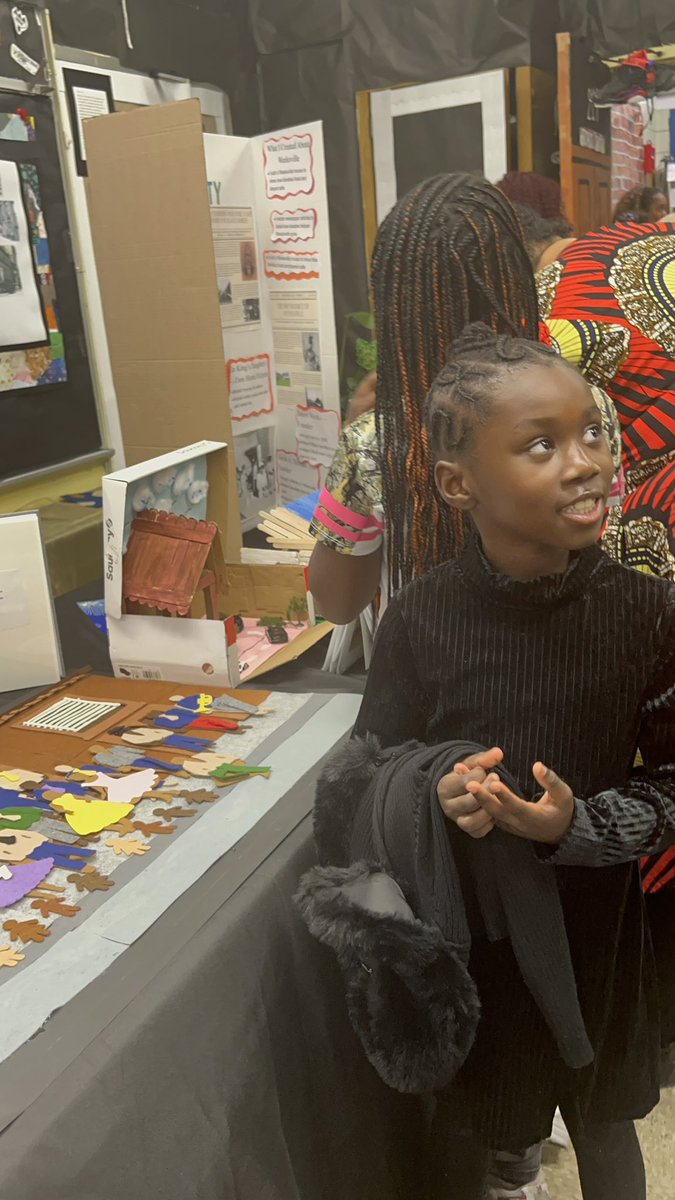
Last week, my 7 yo daughter did her year end project on the Harlem Renaissance and the influence of art/culture in NY over time. She recreated this photo using felt.
R.I.P. Sonny Rollins
Children in Buenos Aires or Yogyakarta who want to talk about Kpop have to first master English and have at least a rudimentary grasp of gay slang and AAVE, just like how generations of European scholars had to study Greek and Latin if they wanted to study the botany of China
Liberals think you can peace process this away. They think you can just coexist this away. That you can protest this away.
There are Palestinians who laid their lives on the line to stop this, they fought every single day to stop the theft of their land, the extermination of their people. Don’t let anyone ever convince you to condemn or forget those who used their last breaths to stop this.
Sonny Rollins playing on the Williamsburg Bridge with tenor saxophonist, arranger, and educator Paul Jeffrey in 1968.
By 1959, Sonny Rollins had grown increasingly dissatisfied with what he felt were his own musical shortcomings and withdrew from the public eye to embark on the first—and most storied—of his self-imposed sabbaticals. Residing on Manhattan’s Lower East Side, he sought refuge on the pedestrian walkway of the Williamsburg Bridge, where he could practice without disturbing a pregnant neighbor.
From the summer of 1959 until the end of 1961, Rollins returned to the bridge almost daily, playing for as long as 15 or 16 hours at a stretch, through heat, wind, and snow, alongside the rumble of passing trains. Today, a fifteen-story apartment building named The Rollins stands on Grand Street, marking the site of his former home—a quiet monument to one of the most disciplined and transformative chapters in jazz history.