🥦 Nutrition Fact of the Day
A major Harvard analysis presented at NUTRITION 2026 (following 200,000+ adults for decades) found something many people miss:
Overall diet quality predicts heart disease, type 2 diabetes, and mortality risk far better than whether foods are labeled “ultra-processed.”
Healthy patterns (rich in whole grains, fruits, vegetables, legumes, nuts, and healthy oils) lowered risk — even when some of those foods were ultra-processed. Unhealthy patterns raised risk regardless of processing level.
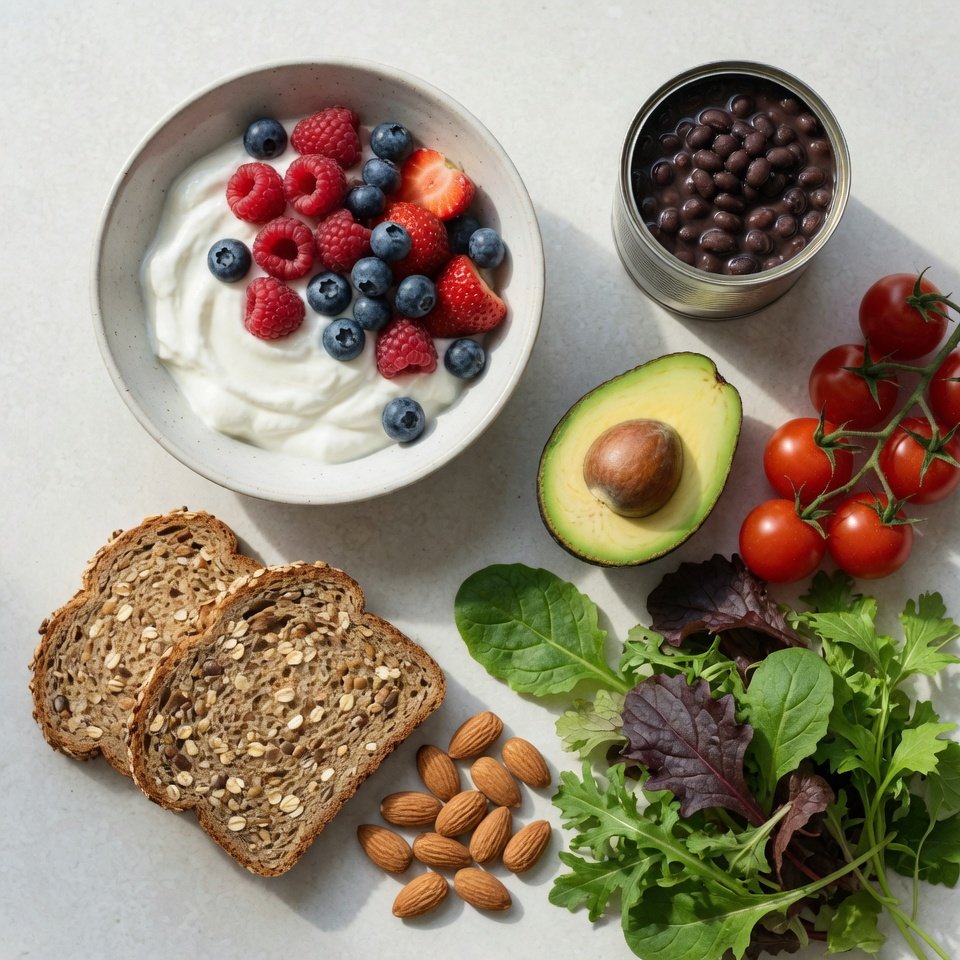
Processing itself is not the villain. Many ultra-processed foods are low-quality (sugary drinks, packaged snacks, fried fast food), but others (plain Greek yogurt, canned beans or tomatoes, whole-grain breads, fortified cereals) can fit into a nutrient-dense diet.
The practical takeaway: Stop fearing the label and start focusing on nutrient density and your overall pattern.
Easy shifts that add up: • Choose plain or lightly sweetened yogurt instead of dessert-style versions • Keep canned beans, lentils, or fish on hand for quick protein + fiber • Pick whole-grain bread or tortillas over refined ones • Build most meals around plants, protein, and healthy fats first
What’s one “processed” food you rely on that actually helps you eat better?
#NutritionFact #RGVDietitian #DietQuality #UltraProcessed #EvidenceBased #RegisteredDietitian #Dietitian
Want help building a realistic, high-quality pattern that fits your life and preferences? Book with me (telehealth + most insurance accepted, often $0): https://t.co/qxCi9kjrQj
This is general education based on current research, not personalized medical advice — talk with an RD or your physician for guidance tailored to you.
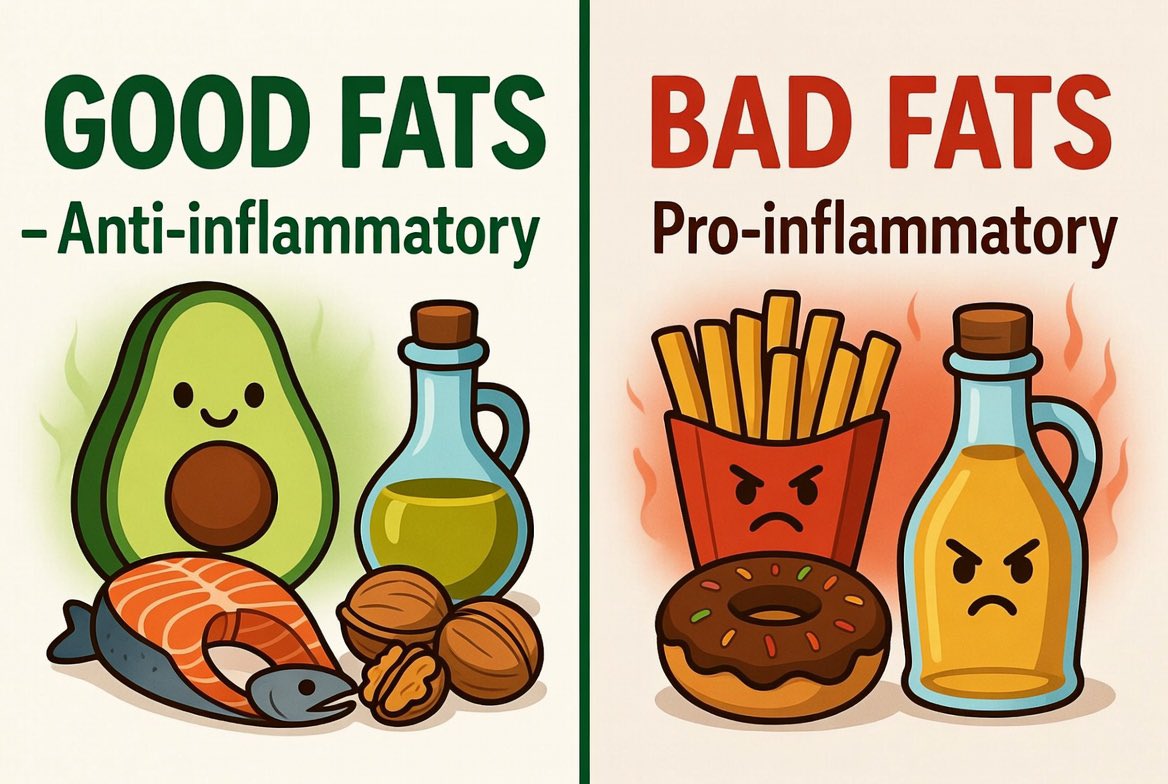
🥑 Good Fats vs 🍟 Bad Fats
Anti-inflammatory (the good ones):
• Omega-3s → salmon, sardines, flax, walnuts, chia
• Monounsaturated → avocado, extra-virgin olive oil, almonds, macadamias
Benefits:
Lower systemic inflammation, support heart & brain health, help absorb fat-soluble vitamins (A, D, E, K), stabilize hormones, and keep joints happier.
Pro-inflammatory (the ones to limit):
• Artificial trans fats → many fried foods, stick margarine, some packaged snacks
• Excess omega-6 from heavily processed seed oils (when the omega-6:omega-3 ratio is way off)
Consequences:
Chronic low-grade inflammation, higher cardiovascular risk, more joint stiffness, and easier fat storage around the midsection.
Swap, don’t eliminate. Your body needs fat — just choose the ones that work with you, not against you.
What’s one fat upgrade are you making this week? 👇
#HealthyFats #AntiInflammatory #RGVDietitian
Gentlemen, let's talk fats – the good kind that won't turn you into a couch potato but might just supercharge your manly mojo! 💪🥑 As your go-to @rgvdietitian, I'm here to break down why healthy fats are your secret weapon for peak performance.
First off, healthy fats aren't the villains in your diet drama; they're the heroes. For us dudes, they're crucial for hormone production – think testosterone, the fuel for muscle, energy, and that swagger. They keep your heart ticking strong (no one wants a ticker tantrum), support brain function so you stay sharp during those boardroom battles or gym sessions, and help absorb vitamins A, D, E, and K. Without 'em, you're basically running on fumes. Who knew fats could be such multitaskers?
Now, zoom in on omega-3s – the elite squad of fats. These bad boys fight inflammation like a personal bodyguard, slashing risks of heart disease, joint woes, and even mood dips (because real men feel things too, okay?). For men's health specifically, omega-3s may boost sperm quality, support prostate vibes, and keep your brain fog-free for those dad jokes that land every time. Skip 'em, and you're inviting chronic grumpiness – not a good look.
Craving sources? Load up on these omega-3 powerhouses:
- Fatty fish like salmon (grill it, don't let it swim away!), mackerel, or sardines – aim for 2-3 servings a week.
- Plant-based champs: Flaxseeds, chia seeds, and walnuts – sprinkle 'em like confetti.
- Bonus: Algae supplements if you're vegan and fish gives you the ick.
Want to level up without overhauling your plate? Easy swaps and add-ons:
- Swap boring butter for smashed avocado on toast – it's like upgrading from economy to first-class fats.
- Ditch sketchy veggie oils for olive oil in cooking; your salads will thank you (and so will your arteries).
- Add a handful of nuts or seeds to your yogurt or oatmeal – instant crunch without the munch regret.
- Sneak chia seeds into smoothies or overnight oats – they'll gel up like a boss, turning breakfast into a stealthy omega-3 ambush.
- Pro tip: Roast veggies in avocado oil instead of whatever mystery oil's in your pantry – healthier, tastier, and zero drama.
Remember, fats don't make you fat; lousy choices do. Incorporate these, and you'll feel like a well-oiled machine. What's your fave fat swap? Drop it below! #MensHealth #HealthyFats #Omega3s
**Nutrition Fact of the Day:**
**Vitamin D** is crucial for more than just strong bones:
- **Bone Health:** Vitamin D helps the body absorb calcium and phosphorus, which are essential for bone structure and preventing conditions like osteoporosis.
- **Immune System Support:** It modulates the immune response, potentially reducing the risk of autoimmune diseases and enhancing the body's resistance to infections.
- **Mood Regulation:** There's evidence suggesting a link between Vitamin D deficiency and mood disorders like depression. Adequate levels might help in managing or preventing these conditions.
- **Cardiovascular Health:** Vitamin D is associated with reduced inflammation, lower blood pressure, and might help in preventing heart disease. It could also impact blood sugar regulation, which is key in diabetes management.
- **Cancer Prevention:** Some studies indicate that sufficient Vitamin D might lower the risk of certain cancers, like colon, prostate, and breast cancer, by affecting cellular growth, differentiation, and apoptosis (programmed cell death).
- **Muscle Function:** Vitamin D receptors are present in muscle tissue, and adequate levels contribute to better muscle strength and function, reducing the risk of falls in older adults.
- **Brain Development and Function:** There's ongoing research about Vitamin D's role in brain development, particularly in early life, which might influence cognitive function later on.
To maintain optimal Vitamin D levels:
- **Sun Exposure:** The skin synthesizes Vitamin D from sunlight. However, the amount of sun exposure needed can vary based on skin pigmentation, geographic location, and time of year.
- **Dietary Sources:** Fatty fish (like salmon, mackerel), fortified foods (milk, cereals), egg yolks, and mushrooms exposed to UV light are good sources.
- **Supplements:** If natural sources aren't enough, supplements can help, but it's important to consult with a healthcare provider to avoid excessive intake.
Remember, while Vitamin D has many benefits, it's one part of a holistic approach to health, including a balanced diet, regular exercise, and adequate sleep. #VitaminD #Health #Nutrition
**Nutrition Post of the Day:**
**Vitamin D - The Sunshine Vitamin:** Vitamin D is vital for bone health, immune function, and mood regulation. Here are ways to ensure you're getting enough:
- **Sun Exposure:** Spend some time outdoors; just 10-30 minutes of midday sun exposure several times a week can help your body produce vitamin D.
- **Eat Vitamin D Rich Foods:** Include fatty fish like salmon or mackerel in your diet, along with egg yolks and fortified foods like milk, orange juice, or cereals.
- **Mushrooms:** Certain mushrooms, especially those exposed to UV light, can provide a plant-based source of vitamin D.
- **Supplementation:** If you're not getting enough from sunlight or food, consider a vitamin D supplement, but consult with a healthcare provider for the right dosage.
- **Be Mindful of Skin Type:** People with darker skin might need more sun exposure to produce the same amount of vitamin D as those with lighter skin.
Remember, balance is key; too much sun can lead to skin damage, so protect your skin if you're out for extended periods. Keep your vitamin D levels in check for overall wellness!
**Nutrition Post of the Day:**
**Hydration Matters:** Water is essential for nearly every bodily function. Aim for about 8 glasses (around 2 liters) daily, but this can vary based on activity level, climate, and individual health needs. Remember, thirst is a sign you're already dehydrated, so keep sipping throughout the day, not just when you feel thirsty.
If you're looking for more personalized advice or have specific dietary needs, feel free to ask!
RGV Football fans! First-year Kennedy middle school seventh grade football player, Patricio Leos kicked a 40-yard field goal on Saturday! 👇🏼
#RGVFootball#fieldgoal
I haven’t seen many coaches on here🤔My brother is a middle school coach and athletic coordinator. He has no social media and didn’t believe any1 would purchase. Let’s help #clearthelist2022@HayesHolly2@Amdiva76@kkirtley26@JordanR41161882 https://t.co/chlOaNWfk4