Check out our study with @BosmansGuy, Peter Kuppens, @marjoflykt, @kirsi_peltonen, Kathryn A Kerns and @LindblomJallu assessing a hypothesis that dynamics of attachment and emotion regulation unfold regulatory cycles motivated by security, hyperactivation, and deactivation goals:
I’ve written a textbook on improving your statistical inferences. It consists of the content I teach in workshops, and combines material from my MOOC’s, blog, and published work. It’s a free open educational resource: You can read it here: https://t.co/FdQIS63fVd
HUGE RESOURCE THREAD INCOMING
I have discovered a multitude of helpful research-related tools over the course of my #PhD - this is a thread with all of them! 🔥
📚 Bookmark this thread and feel free to add more tools in the comments!
#AcademicTwitter#phdlife#AcademicChatter
d = .20 small effect, unnoticeable
with a naked eye
d = .50 medium effect, visible to a careful observer
d = .80 large effect, visible to most
d = 4.52 preference for chocolate over poop
Really interesting new research on "digressive victimhood" among members of dominant groups when charged with perpetrating discrimination by Felix Danbold, @Ivuoma, and @unzueta
https://t.co/aMbH6kPlmc
Sometimes literature searches get you to quite unexpected places. Just found out that we have in moral psychology a scale for the psychological construct of...
[checks notes]
...seven deadly sins
https://t.co/rgAKipAVuN
@sTeamTraen @jamesheathers I see. It still puzzles me why the results are so ahem... crappy (for any incentives purposes at least). Why would anyone make it intentionally like that.
If an honest mistake is still a plausibility, I'd imagine faulty RMarkdown code could produce something as nonsensical.
🚨 Excited to release a "living" version of the OPEN and interactive textbook "Theoretical Modeling for Cognitive Science and Psychology", by @MarkBlokpoel and myself. Check it out! And share widely. https://t.co/cEh24GGX1J 1/n 🧵👇
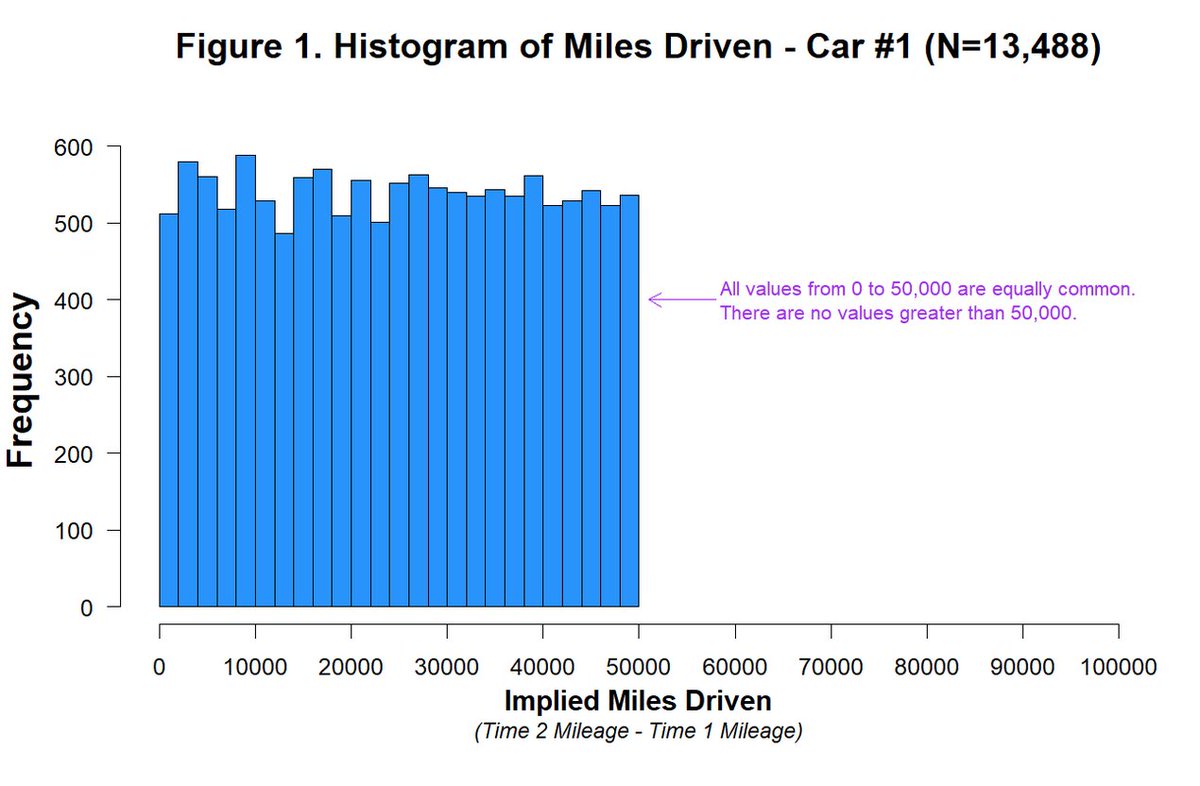
I used to teach this finding to my MBA students. It has more than 400 citations on Google Scholar. It's about dishonesty. Turns out it's fraudulent. "Evidence of Fraud in an Influential Field Experiment About Dishonesty" https://t.co/YlA2KmPvsP


![KunnariA's tweet photo. Sometimes literature searches get you to quite unexpected places. Just found out that we have in moral psychology a scale for the psychological construct of...
[checks notes]
...seven deadly sins
https://t.co/rgAKipAVuN https://t.co/tOQlMk3RPK](https://pbs.twimg.com/media/FD1xwzRXIAIpMh_.png)
![KunnariA's tweet photo. Sometimes literature searches get you to quite unexpected places. Just found out that we have in moral psychology a scale for the psychological construct of...
[checks notes]
...seven deadly sins
https://t.co/rgAKipAVuN https://t.co/tOQlMk3RPK](https://pbs.twimg.com/media/FD1xwyxWUA4klDp.png)


![KunnariA's tweet photo. Sometimes literature searches get you to quite unexpected places. Just found out that we have in moral psychology a scale for the psychological construct of...
[checks notes]
...seven deadly sins
https://t.co/rgAKipAVuN https://t.co/tOQlMk3RPK](https://pbs.twimg.com/media/FD1xwz2XsAI1Nzd.png)