According to J. Poinssot’s Archaeological Journey in Tunisia 🇹🇳,stone-paved roads were a Carthaginian innovation.Isidore of Seville (7th century AD) also stated that the Carthaginians were the first to pave roads with stone,before the Romans later adopted and spread the technique
Firas Al-Sawah:Recent theories suggest that Semitic and Hamitic languages share a common North African origin.After a climatic catastrophe that formed the Sahara around c. 6000 BCE,migrations toward Egypt and the Levant led to the emergence of the Hamitic and Semitic branches
The #Punic inscriptions of #Hadrumetum (Sousse, Tunisia 🇹🇳) are invaluable historical records discovered under an old church. Today, these rare stelae are preserved in museums worldwide: the Sousse Archaeological Museum, the Louvre in Paris, and the Hermitage in St. Petersburg.
Found in France in 1714, this silver plate was long believed to be linked to #Hannibal and #Carthage. Inscriptions later revealed it belonged to a Frankish owner and dates to the 4th–5th century AD—over 500 years after Hannibal.
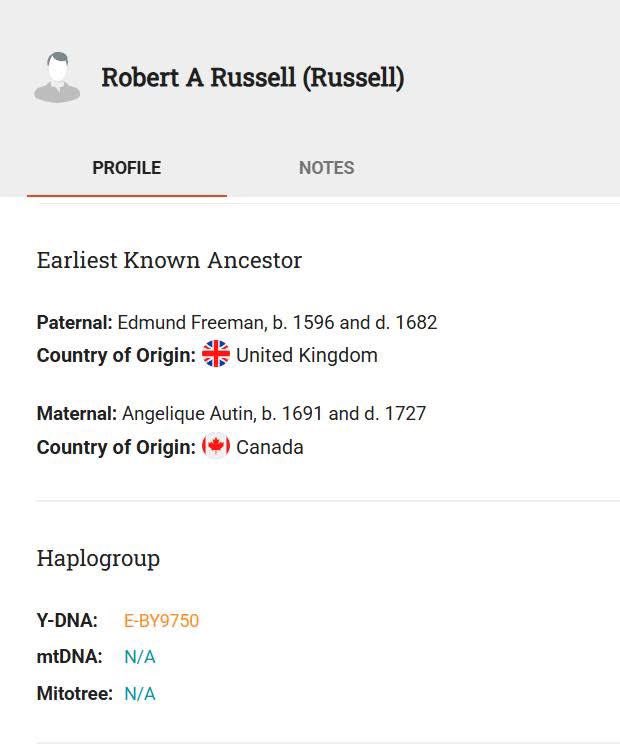
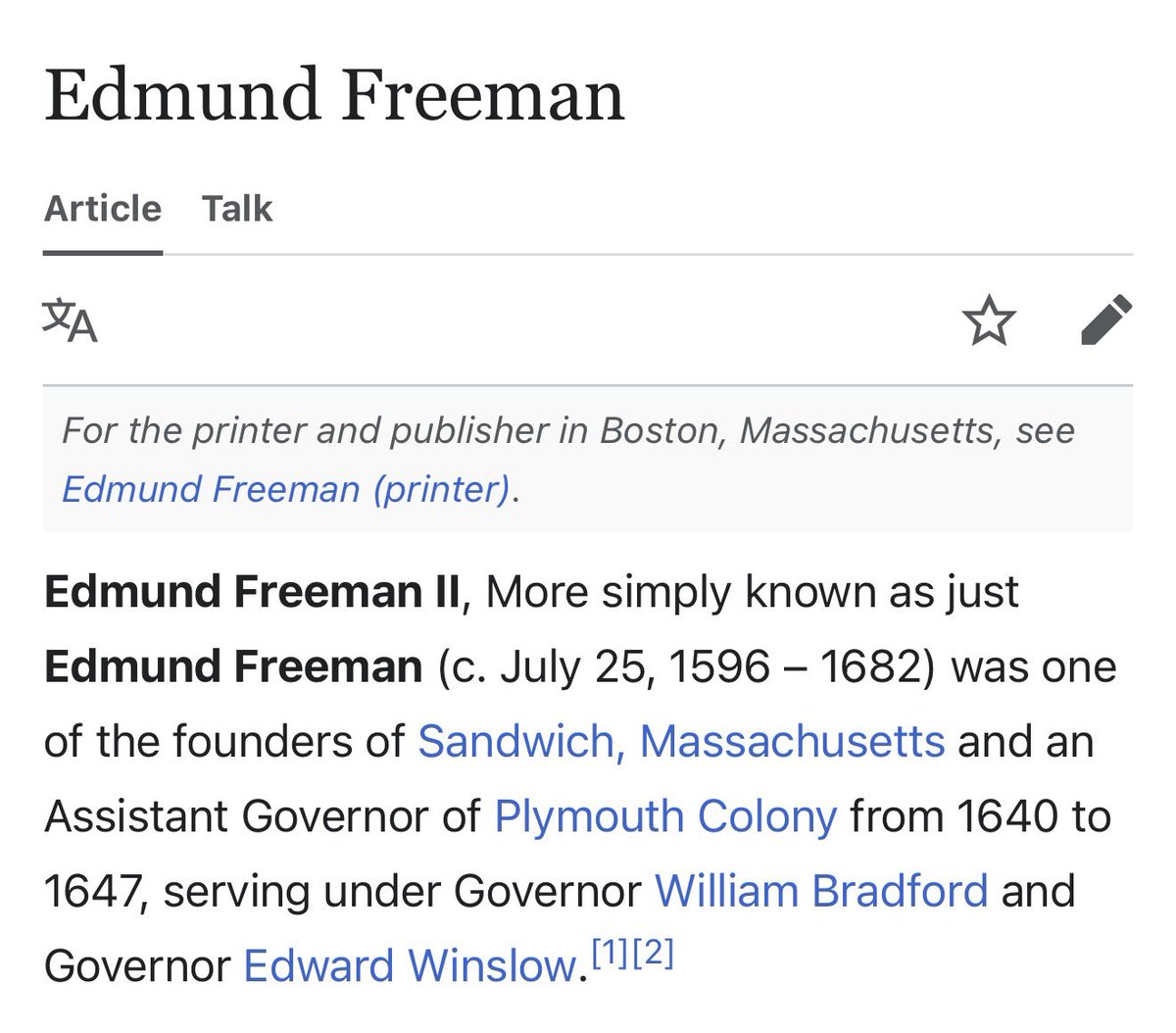
A direct paternal descendant of Edmund Freeman (1596–1682) has been confirmed as E-BY9750 (E-M81), sharing a medieval paternal ancestor (~1250 CE) with the historic Berkeley family. A remarkable E-M81 lineage in English history.
The new data from the mtDNA study is pointing towards mtDNA U originating in around the Balkans and Anatolia 45,000 years ago and spreading rapidly from there in 40,000 BP. Take this all with a grain of salt.
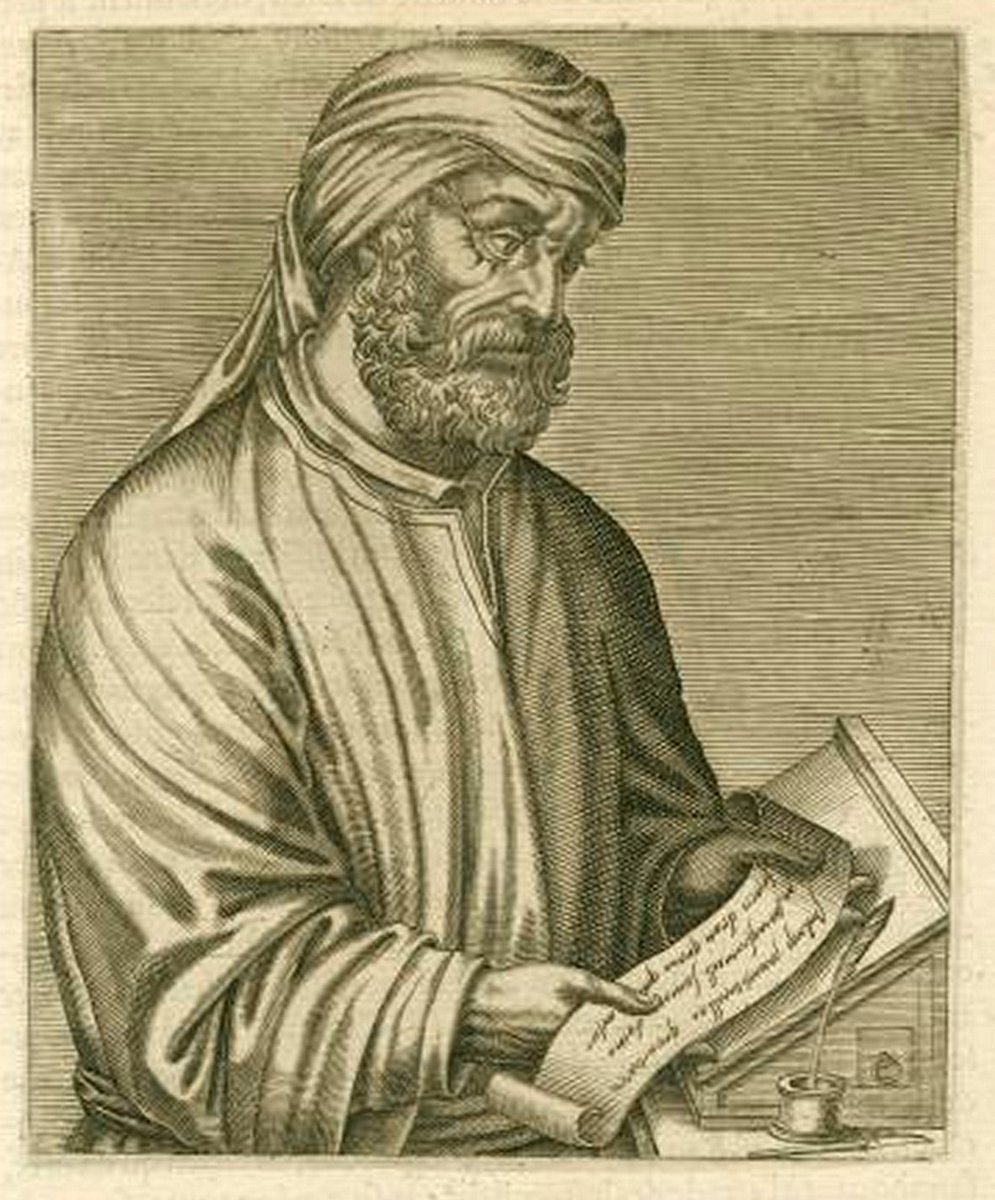
As #Orthodox Christians celebrate #Pentecost today, it is worth remembering that #Tertullian of #Carthage (modern-day #Tunisia 🇹🇳) was the first to coin the Latin term “Trinitas” (Trinity) around AD 200, leaving a lasting mark on Christian theology.
L'état hafside de Tunis est fondée par Abū Zakariyā Yaḥyā I en Ifriqiya au XIIIᵉ siècle, s’est développée face aux Almohades en s’appuyant sur les cheikhs de Tunis, dont le rôle religieux et social a été déterminant dans la construction d’un pouvoir local autonome et structuré.
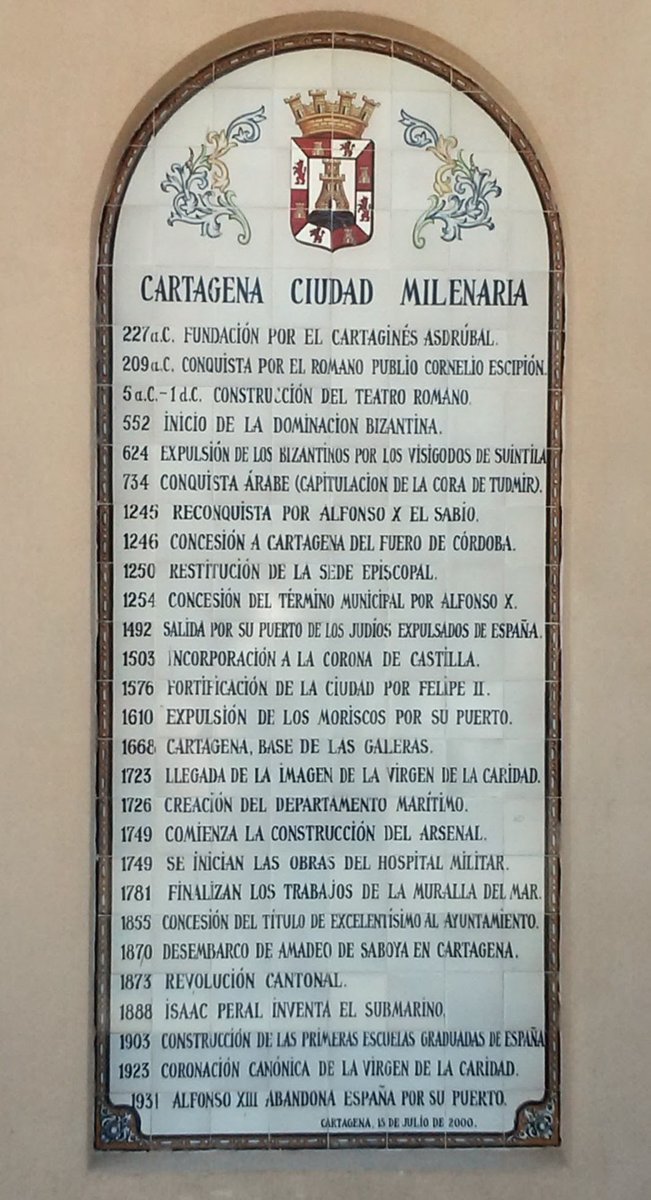
Ceramic plate (tiles) in the port of #Cartagena ,Spain 🇪🇦, listing the major events in the history of the city. On the plate, inaugurated in 2000, reads:
Cartagena, a millennial city
227 BC Foundation by the #Carthaginian#Hasdrubal
A Carthaginian votive stela fragment at @MuseeLouvre (3rd c. BC). The engraving depicts a "votive ribbed chalice and its base"—an anepigraphic Carthaginian symbol of sacred offerings and libations.
#Louvre#Archaeology#Carthage
@Al_Herizi Following you doesn’t mean you know my opinions, my brother. You made a claim, and I asked what it was based on. If you can’t explain it clearly, then there’s nothing to discuss.
Citing leaked DNA results without historical or geographic context is meaningless. We often don’t even know where the samples came from or their age. I care more about the truth than ideological narratives around E-M81.
رسمياً الـE-M81 فاتحين الشمال الأفريقي.ولكن كيف ؟ ..
من دراسة Akbari2026 دليل أخر في غاية الأهمية يؤكد علي شامية الـE-M81 وهنا لانتحدث عن شامية التحور فحسب بل نتحدث ايظاً علي دخول إسلامي ودليل أركيولوجي يؤكد هذه الحقيقة.
.
.
.
يتبع ⬇️
This only captures recent generations,but our roots run much deeper. They extend and branch back through history to the ancient #Awrigha tribes, who immortalized their name in this land—a name from which 'Afriqiya'(Tunisia) was derived, and later given to the entire continent.
@Al_Herizi I don’t recall ever interacting with you or sharing my views with you.
And when you say I’ve “changed 180 degrees,” what exactly do you mean, and what is that conclusion based on?
@banashar12@akafaceUS Consanguinity is not unique to any single culture. Some Jewish communities have also practiced cousin marriage to varying degrees, as is the case in other societies around the world.