Is obstructive sleep apnoea really a red blood cell disease? A broken erythrocyte S1P–eNOS axis driving hypoxia, hypertension & fibrosis, reversible with CPAP or arginase inhibition. A metabolic fingerprint flags it early. Read more in #EHJ.
https://t.co/jC1CcEFwdP
#OSAS #cardiotwitter @ESC_Journals@escardio
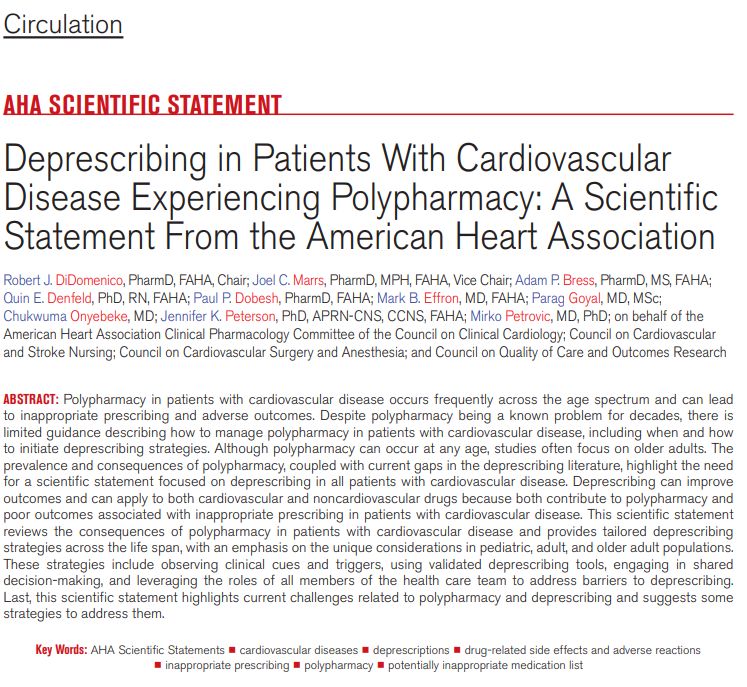
Polypharmacy is common in cardiovascular care because guideline-directed treatment often requires multiple medications across coexisting conditions and comorbidities, increasing medication burden. https://t.co/jj69ofMNlb
Deprescribing is a proactive, patient-centered strategy to reduce medication burden and can be effective not only after adverse drug events, but also when polypharmacy, prescribing cascades, poor adherence, or changing goals of care warrant reassessment.
Safe deprescribing requires a structured, multidisciplinary approach that uses systematic review tools, shared decision-making, careful tapering, and close follow-up to align treatment with patient goals while minimizing adverse events.
✍🏼 @robdeedo@adambress@quin_denfeld@PaulDobesh@ParagGoyalMD
With our July issue around the corner, sharing our 2nd reflection in a series on being on the “other side of the bed”.
We are all human. It’s important for us share in vulnerability 🙏🏽 please let us know if you would like to share too. @JCardFail
https://t.co/E1vOoYYVj9
@HeartNews Honored to begin as Editor-in-Chief of
@CircAHA.🫀 I am grateful to the extraordinary leadership of @josephahill, who set the bar high. The new Circulation team is ready to carry the torch forward. First issue out today: https://t.co/OPJx44nU5e @American_Heart#Cardiology#AHA
From humble beginnings to leading one of the nation's premier cardiovascular programs, Dr. Samin Sharma and I talk about the journey that shaped his career and what lies ahead in his new role as Chief of Cardiology at Mount Sinai.
https://t.co/9gtg2G1hRA
We are so thrilled to welcome our new class of all-stars! Knowing we scored with them while getting to watch team USA score a goal together? Priceless!
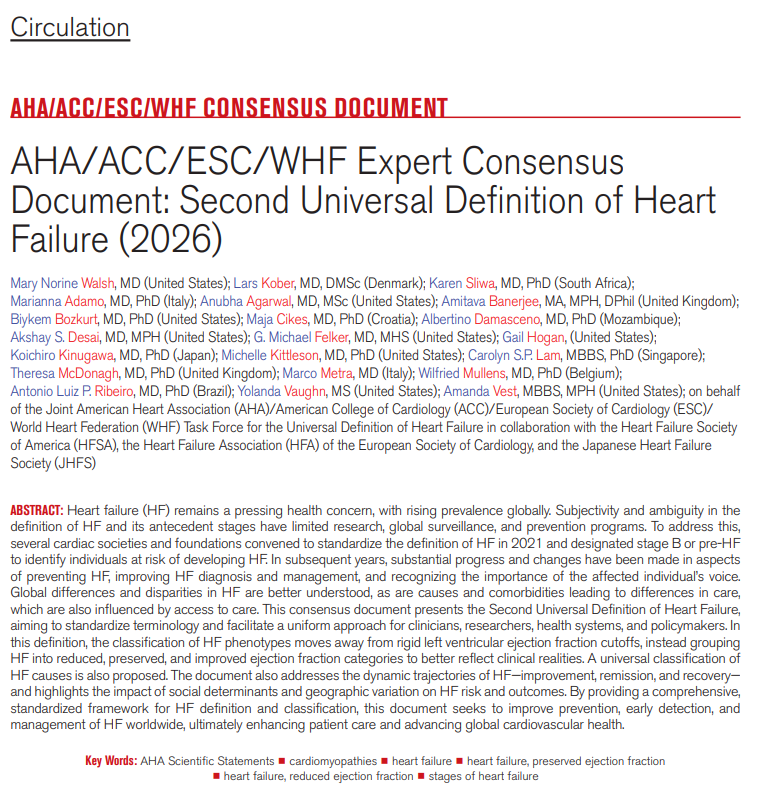
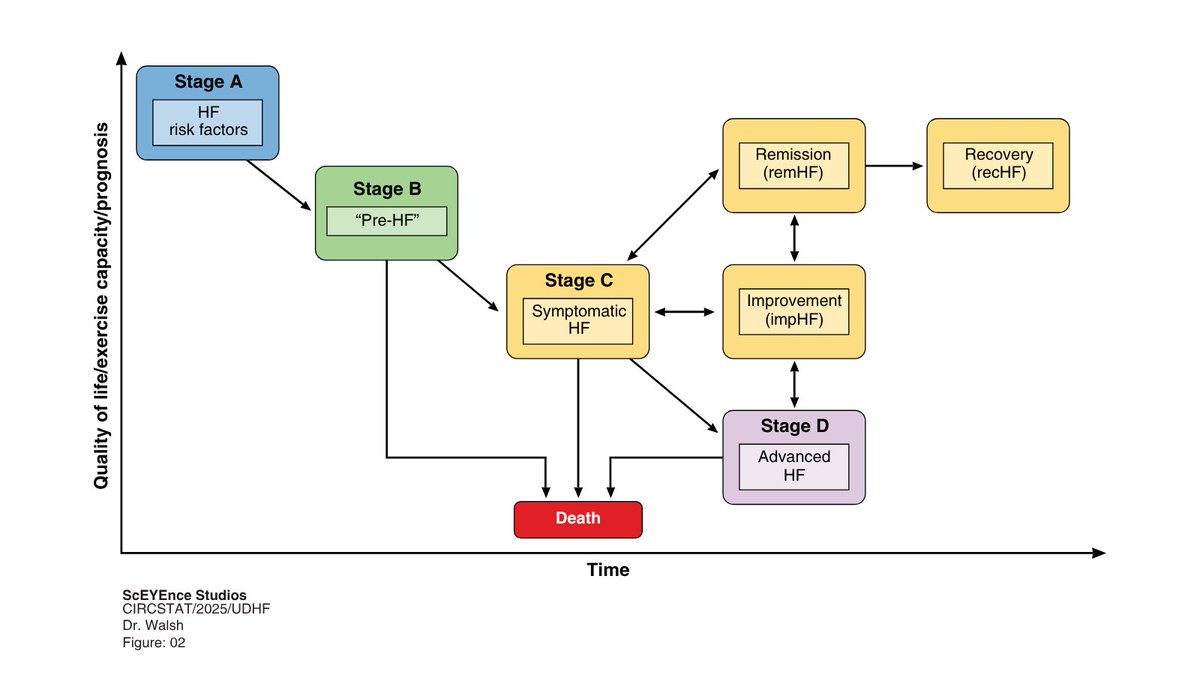
🚨 New publication: AHA/ACC/ESC/WHF Expert Consensus on the Second Universal Definition of Heart Failure (2026) is out.
Honoured to be part of the writing group on this global effort. It moves us toward more nuanced, individualised HF care!
🔗https://t.co/0w2W4QQDbc
Heart failure (HF) in older adults is a growing and distinct clinical challenge, yet proven therapies—especially guideline-directed medical therapy (GDMT)—remain underused despite evidence that older patients can benefit.
The paper advocates a practical, multidimensional care model that includes domain-based assessment, deprescribing when appropriate, early advance care planning, specialist/palliative care referral, and system-level tools to improve equitable implementation of GDMT.
✍🏼 @hvanspall@tremartyn@docsabe@vbluml@quin_denfeld@ShannonMDunlay@ParagGoyalMD@ShannonHalloway@orlyvardeny
Published today, Strategies for Optimizing Heart Failure Care in the Older Adult A Scientific Statement from the American Heart Association.
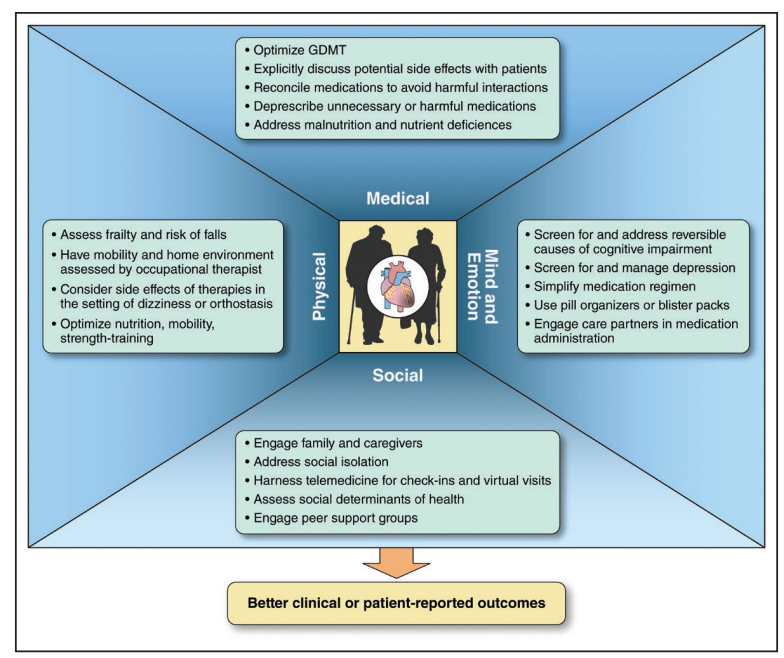
Using a “domain management framework” provides a structured approach to optimizing HF care in older adults, incorporating medical, cognitive, physical, and social factors into a multidisciplinary approach.
📷 Domain-based strategies to optimize care in the older adult with heart failure.
✍🏼 @hvanspall@tremartyn@docsabe@vbluml@quin_denfeld@ShannonMDunlay@ParagGoyalMD@ShannonHalloway@orlyvardeny
The American Heart Association mourns the passing of the legendary cardiologist Eugene Braunwald, M.D., widely recognized as one of the most influential figures in the history of cardiovascular medicine. Over seven decades, his work reshaped the understanding and treatment of heart disease, leading many to call him the father of modern cardiology.
Braunwald was a lifelong contributor to the American Heart Association, helping advance its research and scientific mission, and was honored with some of the Association’s highest honors for his lasting influence on cardiovascular care and research. His influence extended well beyond his own discoveries, as generations of Association‑supported investigators, clinicians and academic leaders were trained by Braunwald or guided by the clinical trial standards and mentorship models he helped establish.
https://t.co/ieZuHYMyOP
HF with mildly reduced EF (HFmrEF) sits between HFrEF & HFpEF; where does it truly belong?
A new HFSA Scientific Statement examines its epidemiology & pathophysiology & provides a comprehensive management framework for this understudied HF phenotype🫀
🔗 https://t.co/pP2WihJQxc
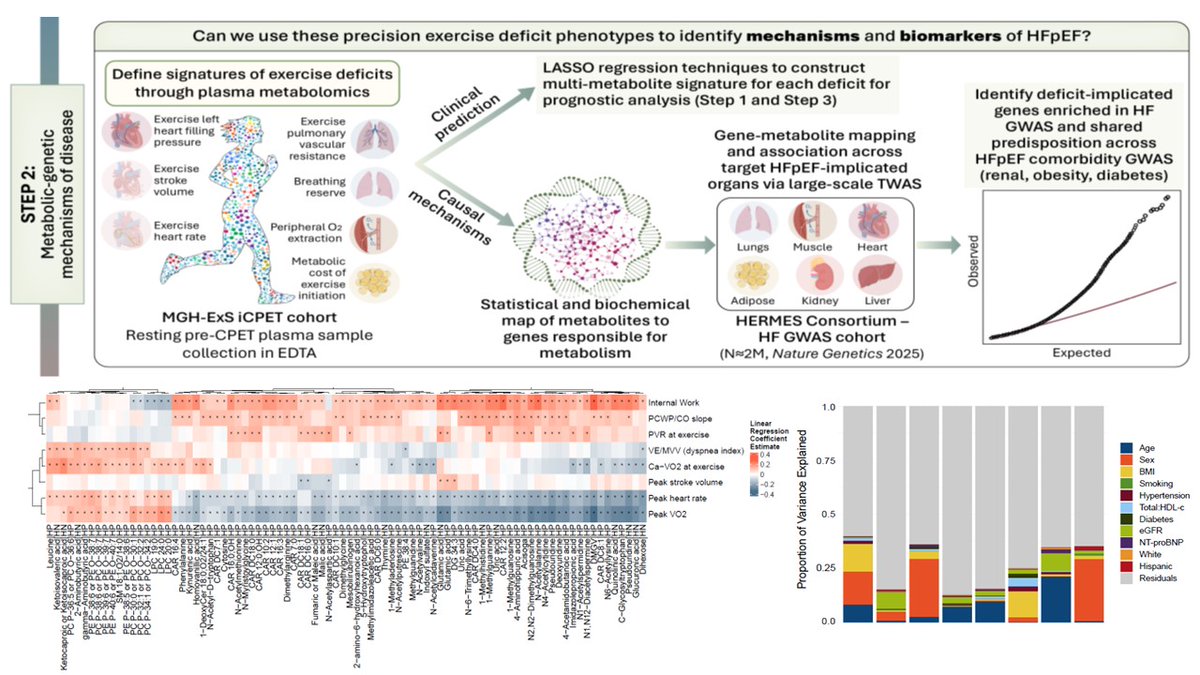
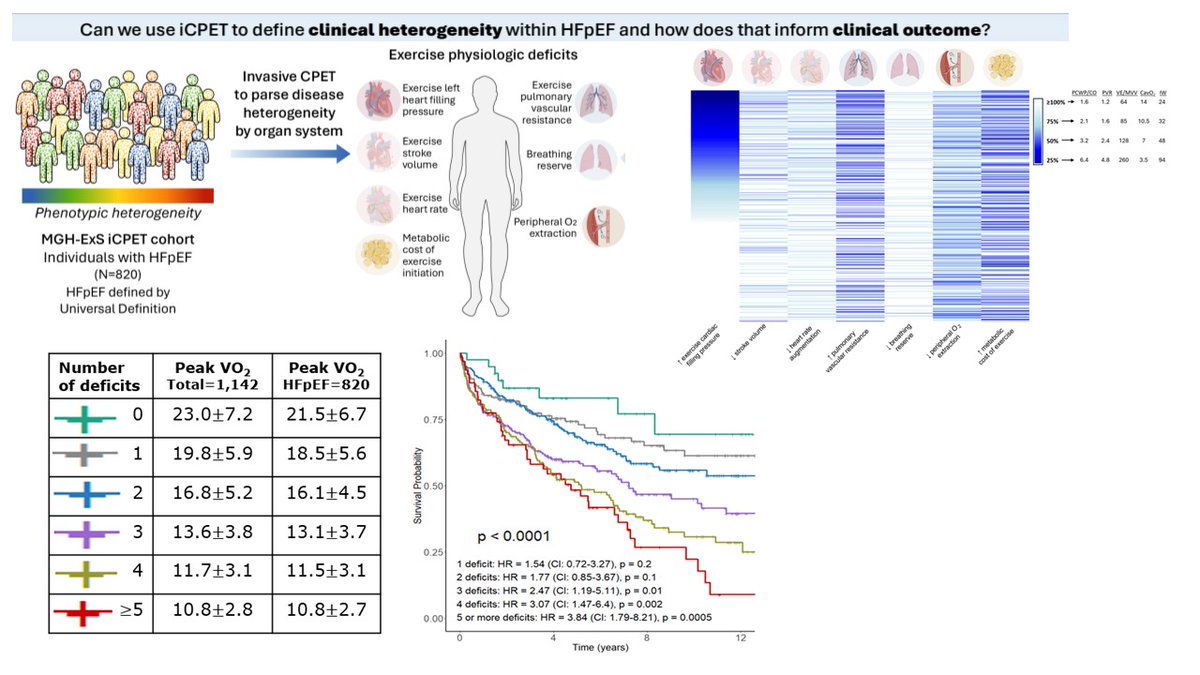
Just published in Circulation- a multi-institution collaborative team effort that leverages insights from invasive cardiopulmonary exercise testing to further understand HFpEF. https://t.co/urum0DSQyR
@WCM_CVRI and WCM Cardiology seek postdoctoral applicants with strong research backgrounds for 2 years of NIH T32 funded mentored research (basic to translational). Requirements: PhD, MD, or equivalent; US Citizen, Non-Citizen National, or Permanent Resident. Reply with questions
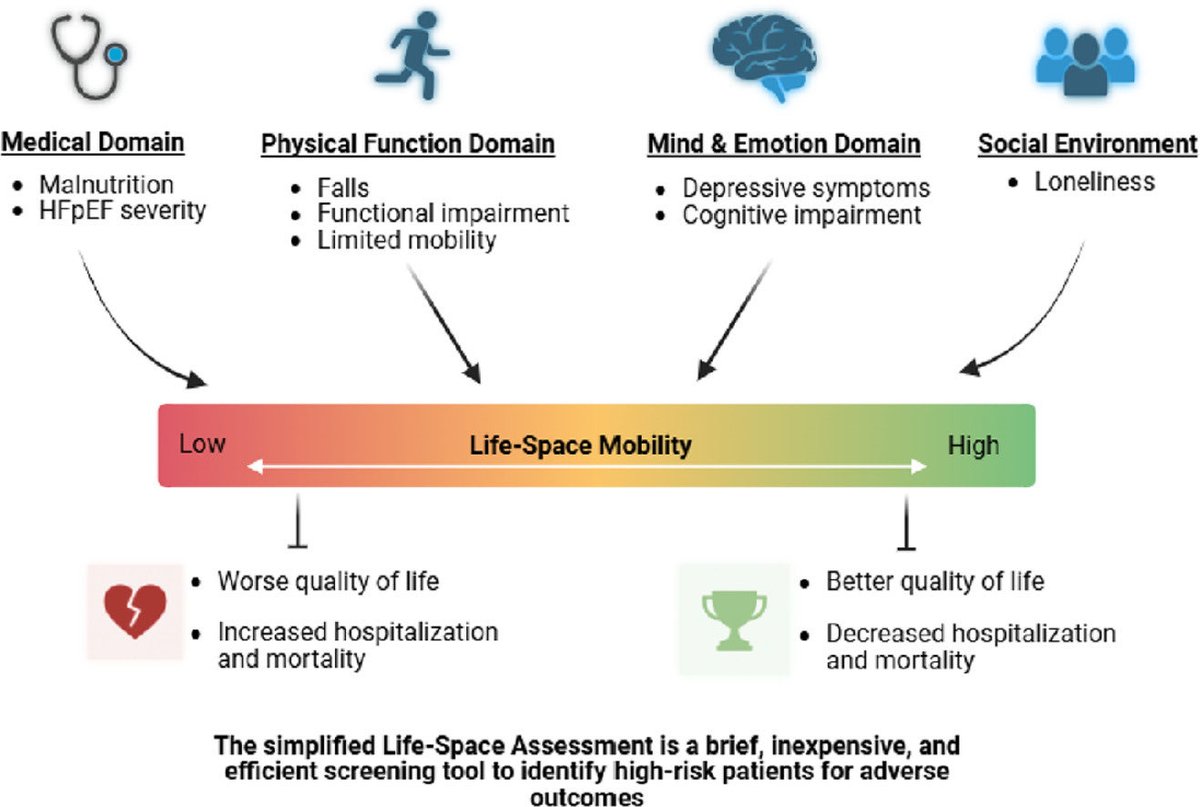
Stop by my poster today at #ACC26 “Loneliness and Quality of Life in HFpEF”
11AM in poster hall E to learn more about loneliness as a modifiable risk factor of quality of life for patients with HFpEF!
https://t.co/emJffIJ8VT
Hi Everyone -
🥸Here are all the 27 late breaking clinical trials presented at @ACCinTouch (ACC.26) with session number, day, time, and objective.
😱See you in NOLA:
👇👇👇
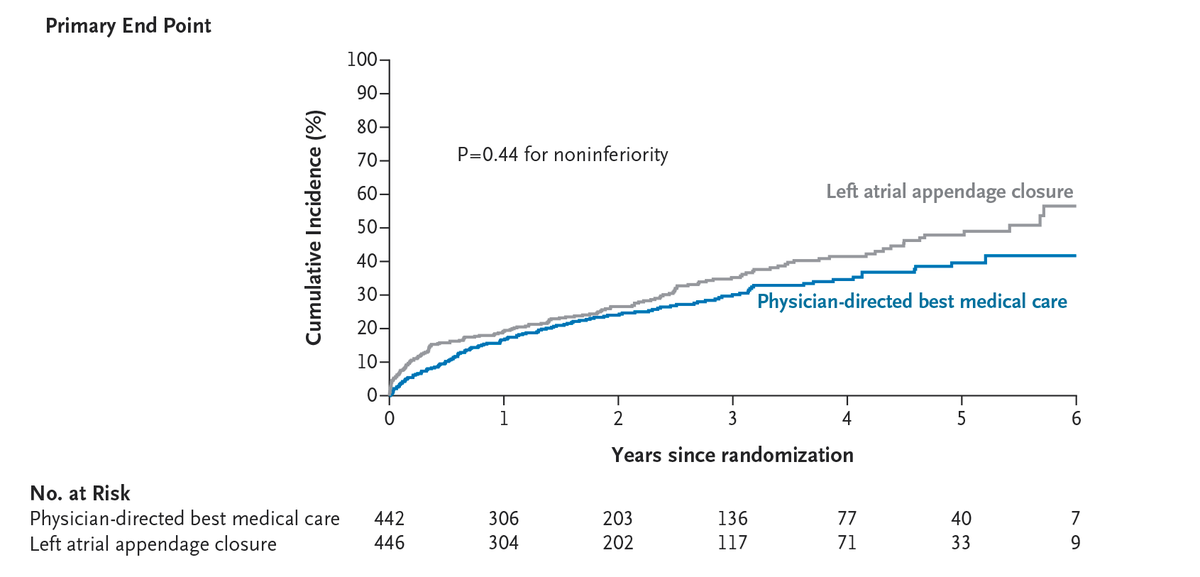
Among patients with atrial fibrillation at high risk for stroke and bleeding, left atrial appendage closure was not noninferior to medical therapy in reducing the risk of stroke, embolism, major bleeding, or death at 3 years. Full CLOSURE-AF trial results: https://t.co/qAMC2o36Mi
Editorial: Left Atrial Appendage Closure — Another Overused Method in Cardiology? https://t.co/KyOWdblUR3
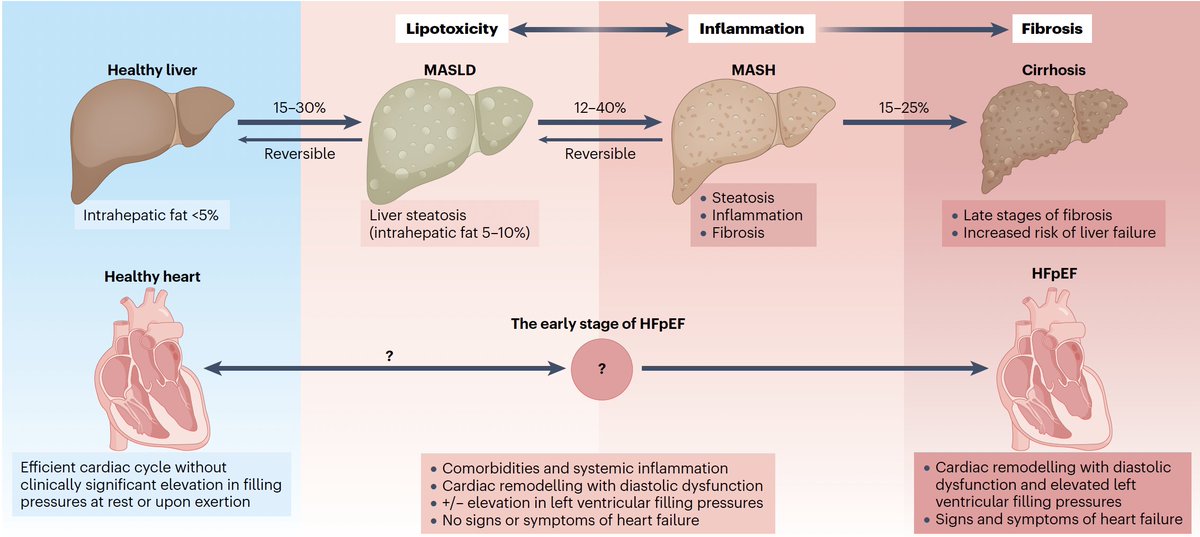
🧵1. HFpEF (heart failure w/ preserved ejection fraction) & MASLD (metabolic dysfunction-associated steatotic liver disease) are rising together with obesity/metabolic syndrome. Once siloed, now reflect shared systemic metabolic dysfunction driving disease in both heart & liver.