@RuxandraTeslo@WorksInProgMag “the idea that rich people turned to signaling through what most of us perceive as ugly buildings, once ornament became cheaper.”
A near perfect parallel to what @robkhenderson has written about the musical Hamilton.
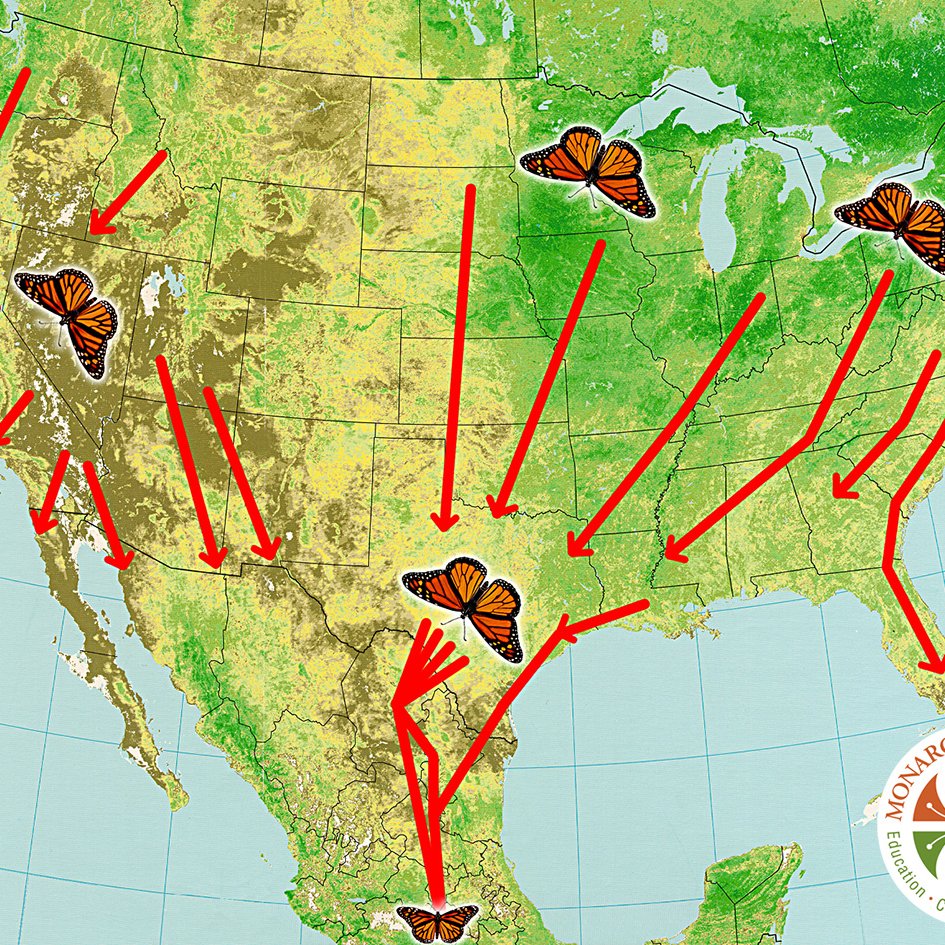
The monarch in your yard right now isn't like the ones from earlier this summer. It's the super generation, and it needs your help for the next six weeks.
Four previous generations lived two to six weeks, mated, and died. This one is built differently. Born in reproductive diapause, it won't mate until spring.
Instead, every calorie it takes in goes directly to fat for a 3,000-mile journey to mountain forests in Mexico that it's never seen. These monarchs will live about 8x longer than their parents and navigate by a sun compass in their antennae .
The eastern population nearly doubled from 2024 to 2025, one of the most encouraging counts in years. But that recovery is incredibly fragile. There are things that just about all of us can do to help them along their migration.
Leave the goldenrod. Goldenrod doesn't cause your allergies. That's a myth peddled by Big Ragweed. Goldenrod is one of the most important nectar sources for migrating monarchs in the eastern US. If yours is healthy, leave it completely alone through October.
Leave the native asters. New England aster, smooth blue aster, and other native asters blooming right now are critical late-season fuel. Don't mow them, don't deadhead them, don't pull them.
Stop all pesticide applications. Herbicides too. Glyphosate applied near milkweed and nectar plants kills the food supply, not just the weeds.
Don't cut the milkweed yet. Late-season caterpillars are still using it. You may find chrysalises on it. Leave milkweed alone until first frost.
Avoid tropical milkweed if you're in the South. Asclepias curassavica, the red and yellow milkweed sold at most big box stores, doesn't die back in warm climates. This can disrupt migration timing by giving monarchs a year-round breeding option that keeps them from heading south.
Tag a monarch. Monarch Watch runs a citizen science tagging program that has tracked migration patterns for decades. The data from tagged butterflies helps researchers understand route timing, stopover locations, and population health. Tagging kits are available at monarchwatch dot org.
Report sightings. Journeynorth dot org tracks monarch migration in real time using citizen observations. A five-second report of a monarch in your yard contributes to a continent-scale dataset researchers actually use.
What you do between now and October matters more than almost anything else you'll do for monarchs all year.
@OldHollowTree Vermont is simply too close to NYC. The back-to-the-land, Sierra club set kept it pretty, but sapped it of the rugged and pious Yankee spirit that gave it the character people still (and wrongly) ascribe to it.
@jiriknesl Ditto. Dragged my feet on the ring by 2 years and on the first kid by another two. That’s comfortably one more we could have had (3 is great, however)
@JamesLucasIT Well put. That’s me in 2 weeks. My first. That’s the cruel but necessary asymmetry at the heart of parenthood - they’re the center of your life during its prime; you’re but a part of theirs, and by 18 it’s largely behind you.
@SandiaGato@LittleKeegs0@dancingofpens It's very useful, showing when the price increase occurred. It's not some continuous, worsening problem, is an artifact of COVID from which the market never returned to baseline.
@bryan_johnson Did you think about pencils that are too short to use, chairs with broken legs, and spoons that have fallen behind the stove and are never seen again?