Many students are sold a lie that learning should feel pleasurable, and when that's not their experience, the cognitive dissonance eats them alive.
It's like someone signs up for strength & conditioning at a gym and the trainer tells them that they should feel pleasure doing pushups, sprints, deadlifts, etc. Or like a nutritionist saying "you should enjoy the taste of broccoli." Completely alienating.
What a good trainer will say is "Yes, it feels taxing, and that's okay, that's normal. Our goal here is not pleasure, it's satisfaction -- making progress, doing things you weren't able to do before, feeling good about what you've accomplished, transforming yourself in ways that are beneficial for your future. You're here to work, so let's do work."
People respect that, and there's a kind of comfort in knowing that we're all here to do serious work. Whether it's the gym or the classroom, that's what people need to hear.
"If you don't struggle in practice you're never going to get better. If you were to watch me train I'd look as tired as they were. Because that's what you're supposed to be. When you're running 17s, you're running sprints, you're not supposed to feel great. You're supposed to feel tired, like, exhausted. That's the point. That's what practice is." --Kobe
@bee_my_girl You should treat your ocs like roleplay characters. Gotta make the backstory and set up interesting ways for them to connect through your other characters.
@wifesmoocher How does this cultivate a healthy or rather a functional society? Especially considering the average iq of the negro?
You reach nothing by elevating the naturally stupid, unable and corrupt.
@justinskycak I remind myself with your posts often that the work is supposed to be tedious if I really want to improve. It is not always easy to keep that in mind at all times
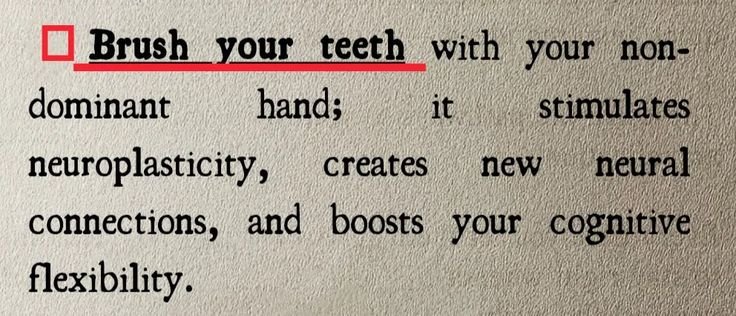
Neuroplasticity isn’t just about complex skills or learning new languages. The fastest way to spark cognitive flexibility is injecting tiny friction into daily, automatic habits.
Using twitter legitimately is a binding vow. In exchange for finding interesting people and great art you get bombarded with the most vile, braindead conversations ever.
quand on sait que tiktok recrute à coup de millions des ingés en neurosciences comportementales et des spécialistes du design persuasif pour hacker nos circuits dopaminergiques, je me félicite chaque jour de n'avoir jamais créé de compte sur cette plateforme mdr
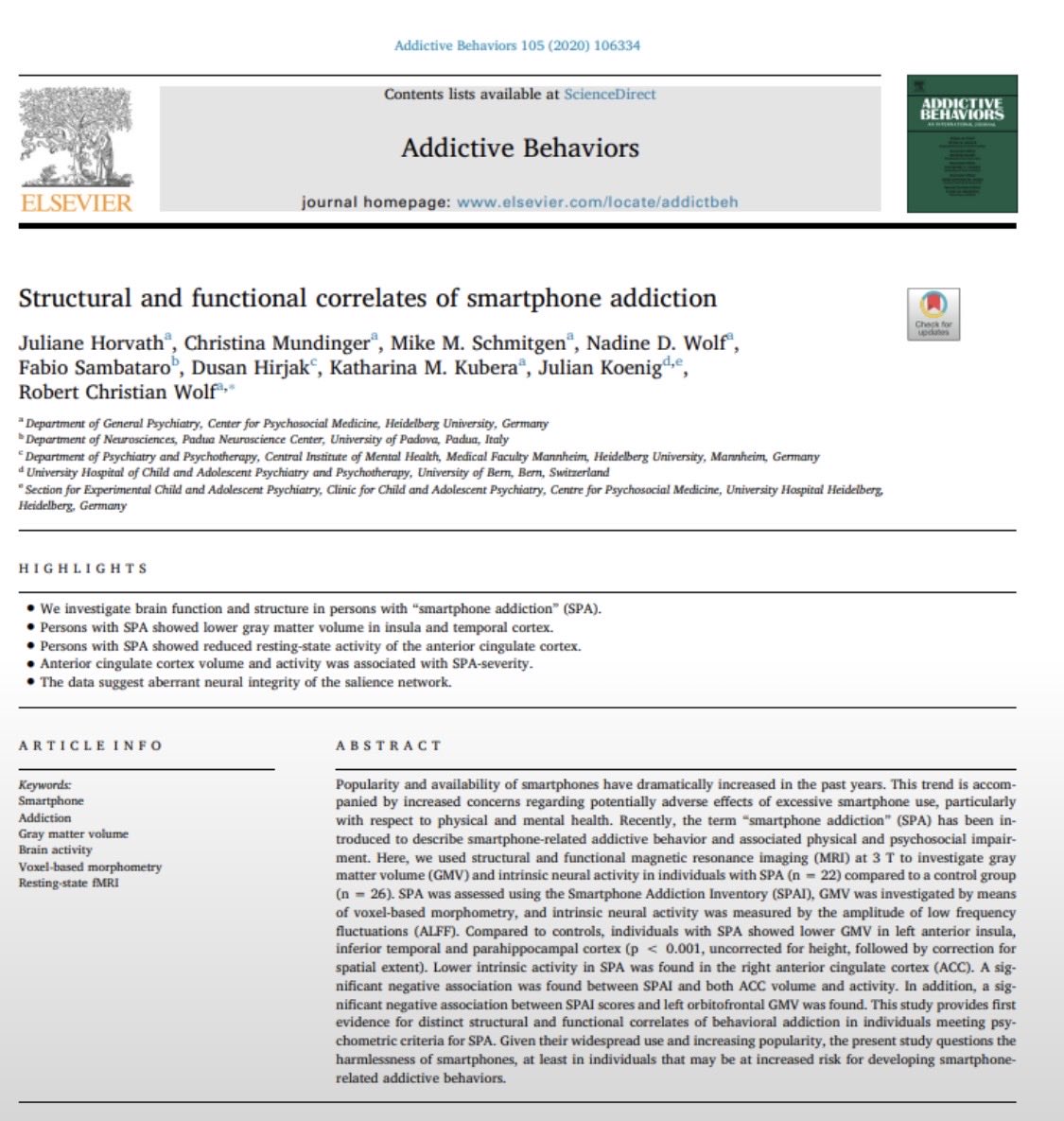
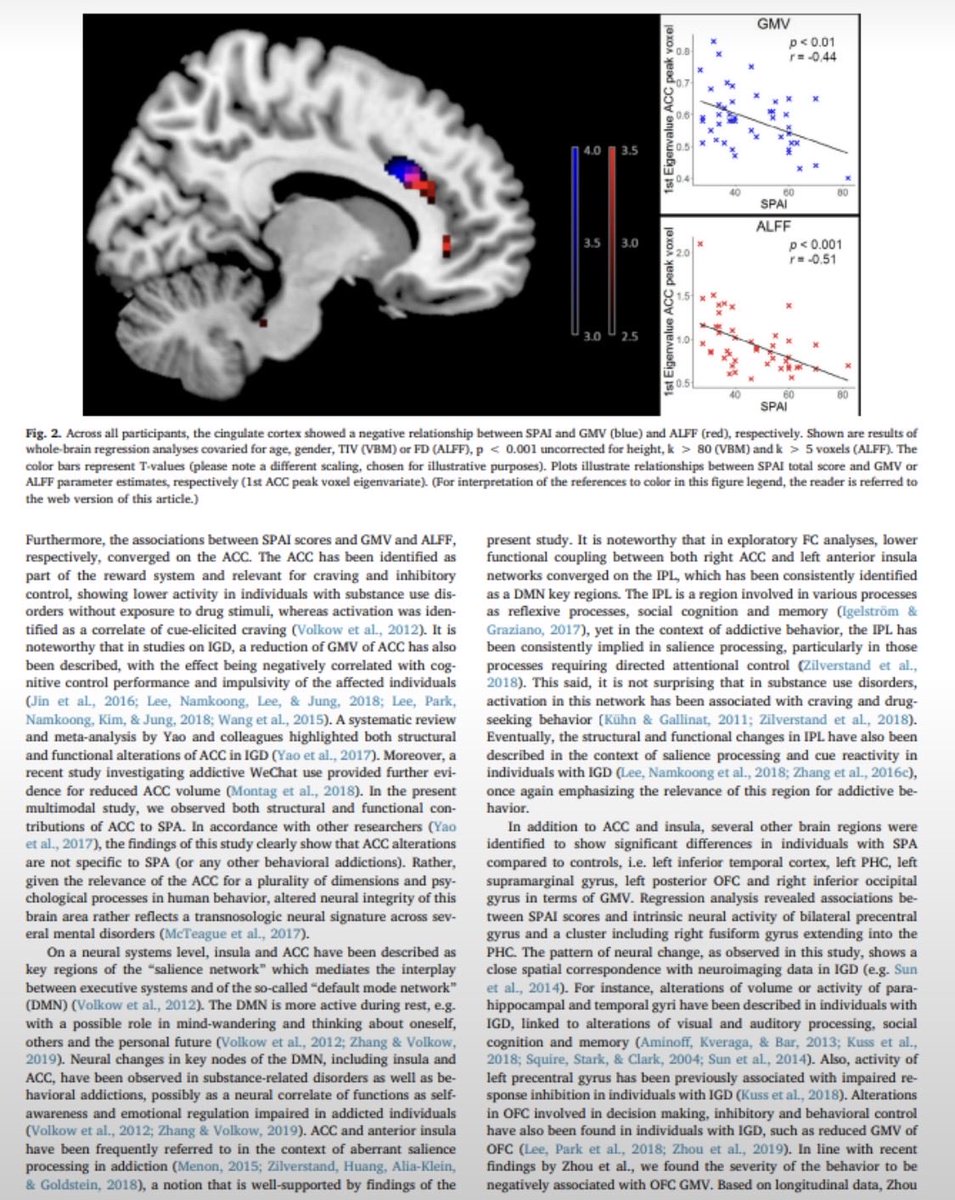
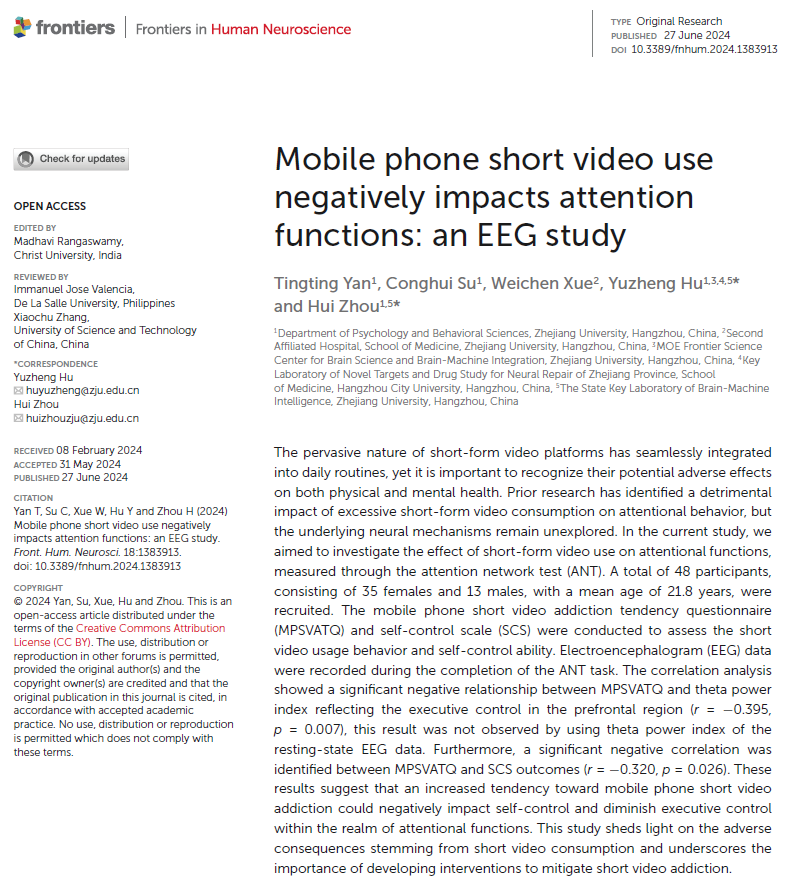
regardez ces études scientifiques en IRMF et eeg qui montrent très clairement quele format vidéo court attaque directement le cortex préfrontal et le cortex cingulaire antérieur (pour info ces zones gèrent le contrôle exécutif, la prise de décision et la régulation de l'attention)
sachez qu’een bombardant le cerveau de micro stimuli imprévisibles, l'algo altère la densité de matière grise et réduit l'activité du réseau par défaut & cette surstimulation permanente entraîne une incapacité chronique à penser à long terme et détruit la capacité à être focus, 2 facultés qui pour moi sont littéralement indispensables à notre époque pour construire l'avenir
bref je pense que refuser d'entrer dans ce système, c'est simplement préserver son autonomie cognitive et la souveraineté de sa propre attention face à une ingénierie de l'addiction taillée sur mesure
“Learning” information without practicing reproducing it is not really learning it.
It’s really just “loading” the information into short-term memory.
The fact that it’s in short-term memory can trick you into thinking it’s going to stay there.
But in reality, it dissipates quickly, and the only way you can bring it back without reloading it from an external reference is if you’re able to retrieve the information from long-term memory.
That's why learning really amounts to increasing your ability to recall information from long-term memory unassisted – an action that can be trained by repeatedly performing it in gradually more challenging contexts.