Rialo is focused on solving one of the biggest hidden problems in crypto infrastructure
< the massive cost created by fragmented middleware systems
Most blockchains today depend on separate external networks for data feeds execution coordination and real-world connectivity
Rialo Points are officially live.
And honestly, this is a pretty cool way to reward the people actually building and exploring the Rialo ecosystem.
→ Sign in + connect your wallet = 20 Points instantly
→ Early contributors can get retroactive Points
→ Existing community roles still matter
→ More ways to earn are coming
And there’s already a reason to start collecting them
Agent Grand Prix is coming back with Rialo Predict.
This time, you’re not just watching the action.
Start stacking those Points now
That's the direction Rialo is taking.
The focus is less on building another isolated blockchain and more on creating infrastructure where onchain apps can interact with the world around them naturally.
And honestly, that's what makes Rialo worth watching.
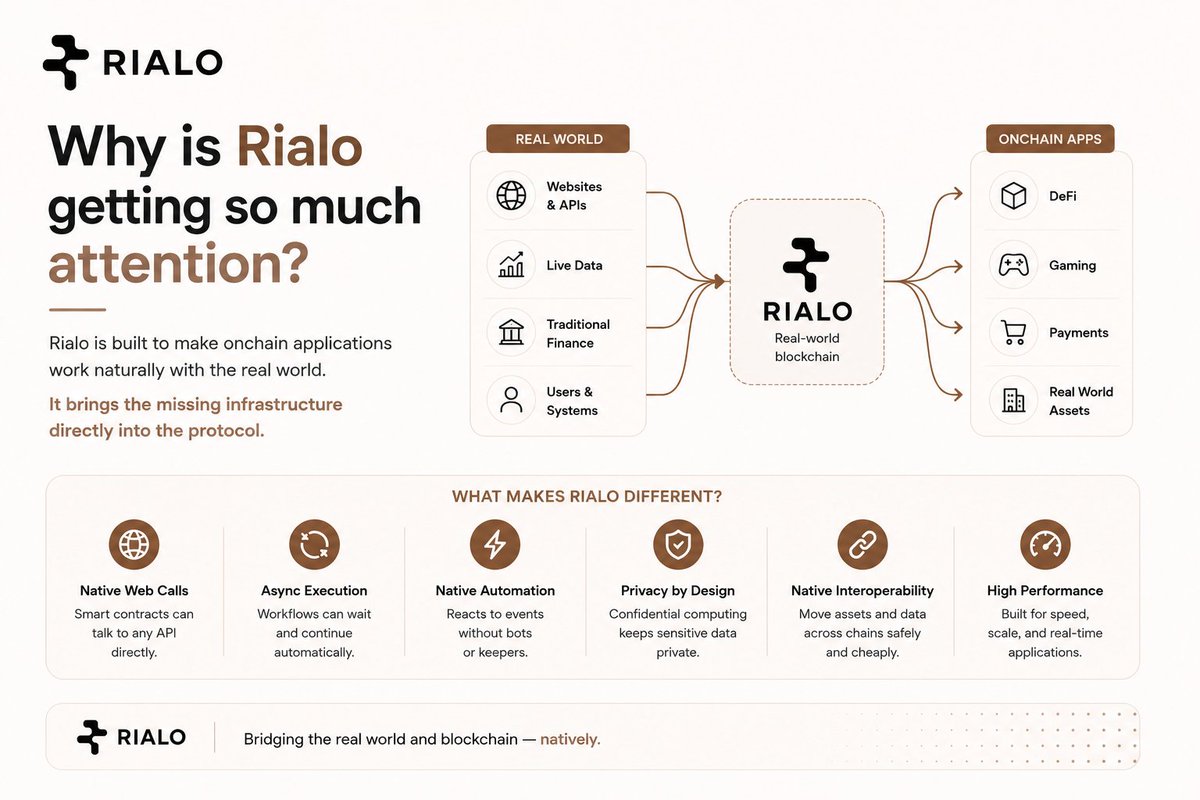
Why is Rialo getting so much attention?
The interesting part about Rialo is trying to change what a blockchain can actually do
Imagine an app that can talk to a website, use real-world data and then continue its onchain workflow without developers having to glue together
The bigger idea is simple: Rialo puts more of the infrastructure developers need directly into the protocol, so they can spend less time connecting tools and more time building.
Rialo is built by Subzero Labs to make blockchain apps work more naturally with the real world
The major pieces:
→ Native Web Calls
→ Async Execution
→ Native Data Feeds
→ REX Privacy
→ Native Interoperability
→ High Performance
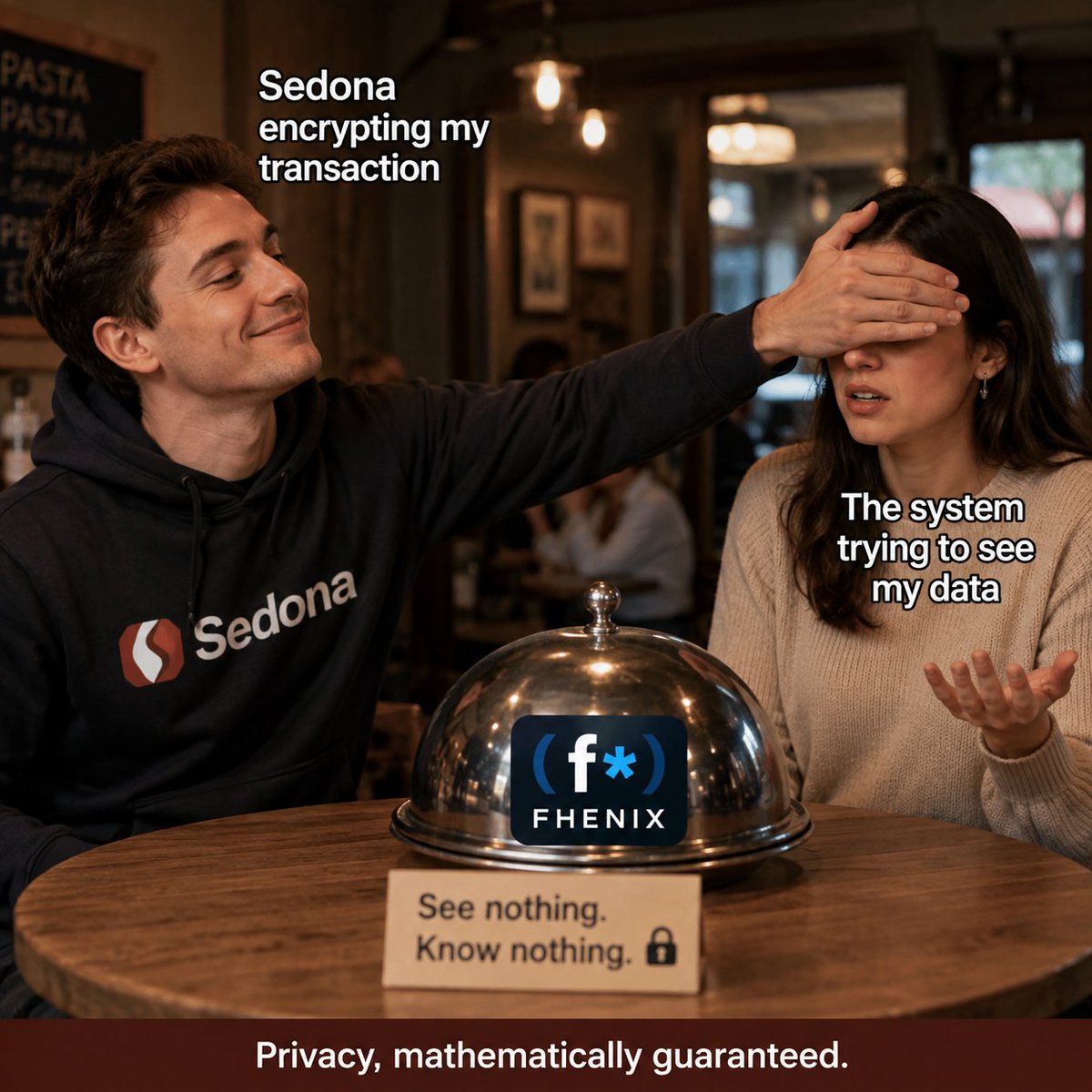
Sedona basically said:
You can process my transaction, just don’t peek at the data.
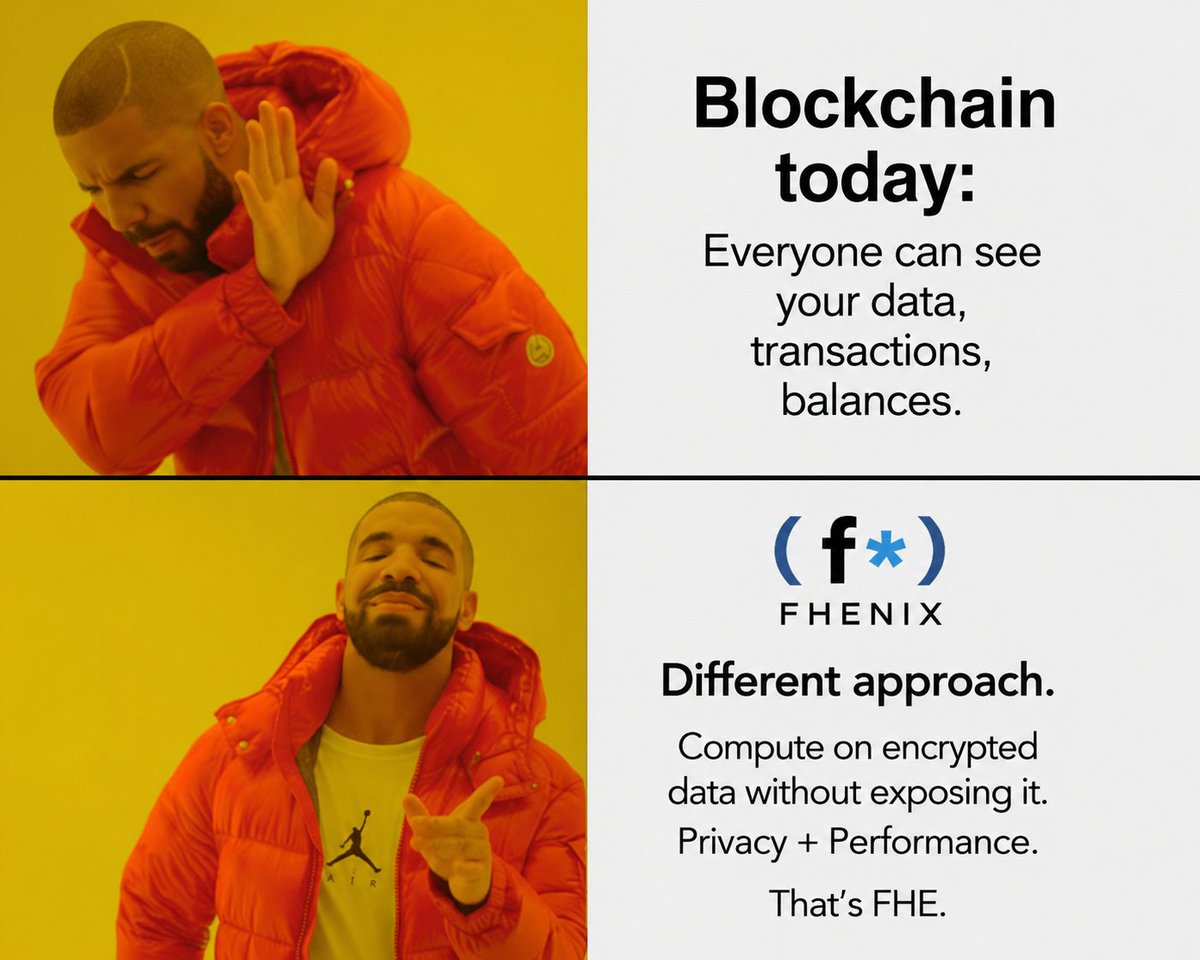
Built on @fhenix CoFHE, the data stays encrypted even while it’s being processed.
That’s the whole point of privacy
Sedona, built on @Fhenix CoFHE and launching on @arbitrum, encrypts it mathematically, meaning even the system processing your transaction never sees the underlying data.
Not hidden.
Sealed.
6/ There’s also a $500K group target.
If the whole DOMAXX community reaches $500K in volume during the cycle, the full $10K pool unlocks.
Everyone’s activity helps everyone get clos
DOMAXX is live.
Doma just opened a $10K USDC pool for creators, traders, and referrers who are helping grow DomainFi.
Here’s how it works 🧵
1/ The $10K is one shared pool for all approved DOMAXX participants.
Your share depends on your performance during the cycle.
5/ And yes, content counts too.
Threads, videos, Spaces, guides and other useful content can contribute to your score.
Quality + reach matter here.
HelpCenter contributions can even get bonus we
So the bigger idea behind DomainFi is pretty simple:
Domains become programmable assets.
Instead of just holding a domain, you can use its individual capabilities across applications, delegate them, trade them, or build new financial use cases around them.
6/6 , More in Day 5
Day 4 of learning about @domaprotocol
Today I looked at DomainFi and how Doma can turn domain rights into something that can actually be used inside on-chain applications.
The interesting part is that you don't always need to transfer the whole domain
1/6
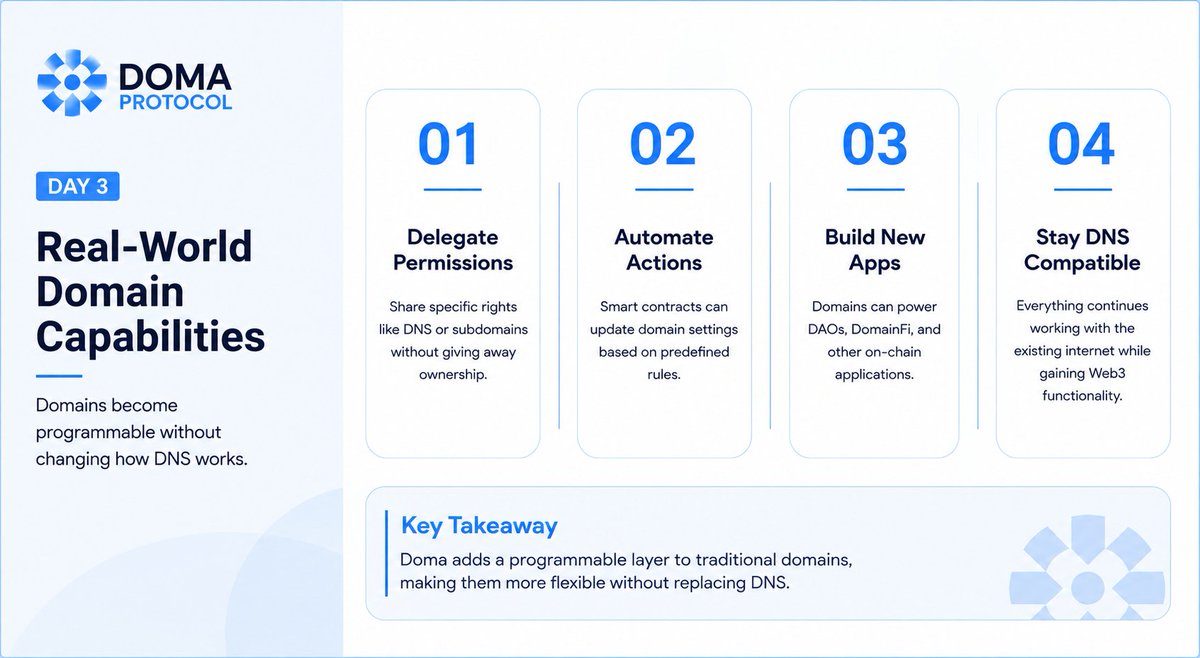
Doma Protocol Series — Day 3
why Programmable DNS actually matters.
At first, it sounded like just another technical feature, but it's much more practical
Doma lets different parts of a domain be shared, managed without giving away full ownership
1/4
The technical part I find interesting is recombination.
Synthetic Tokens aren't random pieces of ownership.
Doma keeps track of which capabilities came from a domain, making sure the permissions stay mutually exclusive and together represent the full ownership right
5/6