Big believer in the idea that only a handful of decisions determine your entire life. The rest is all just noise
The big decisions are generally:
1. who you marry
2. what career path you go down
3. saving and spending habits
4. how you take of your body and exercise
5. who you spend time with (friends)
If you get these 5 right, it’s really hard to go wrong in life
Drs Office: Okay you’re here for an MRI, we’ll bill your insurance $2500 and you owe a $250 copay.
Me: Oh, no insurance. I need to pay cash.
Drs Office: Oh okay. That’ll be $250.
This is literally what is goin on in this country
For 20 years, a $6 knob that takes one hour to 3D print has been grounding Black Hawk helicopters four times a month, and the contractor responsible won't sell us the part or the IP rights to fix it ourselves.
So instead, American taxpayers have been paying $40,000 every single time to replace the entire system, multiplied by four times a month, for two decades.
That is NOT a procurement problem, that is a shakedown, and it is exactly why right to repair has to be in this year's NDAA.
This sounds cool. But wait.
400 diapers will last a family with a newborn approximately five weeks.
The program will cost the state approx. $12.4 million this year alone.
That money will be funneled through a company called Baby2Baby, which will then provide their branded diapers to 400 participating in hospitals (California has over 500 hospitals in total.)
Meaning that instead of lowering taxes and letting families keep their own money to buy essentials like diapers, California takes their money, pumps it through a “nonprofit” that has overhead and whose CEO made $240,000 in 2024, to provide a “free” service available only in certain locations, and that you could have bought yourself for much cheaper.
Imagine a 19-year-old scrolling TikTok. She watches a creator list five "signs you have undiagnosed anxiety." She recognizes three in herself. By the end of the week, she's describing herself as anxious to her friends. A month later, she's avoiding situations she used to handle fine.
What went wrong?
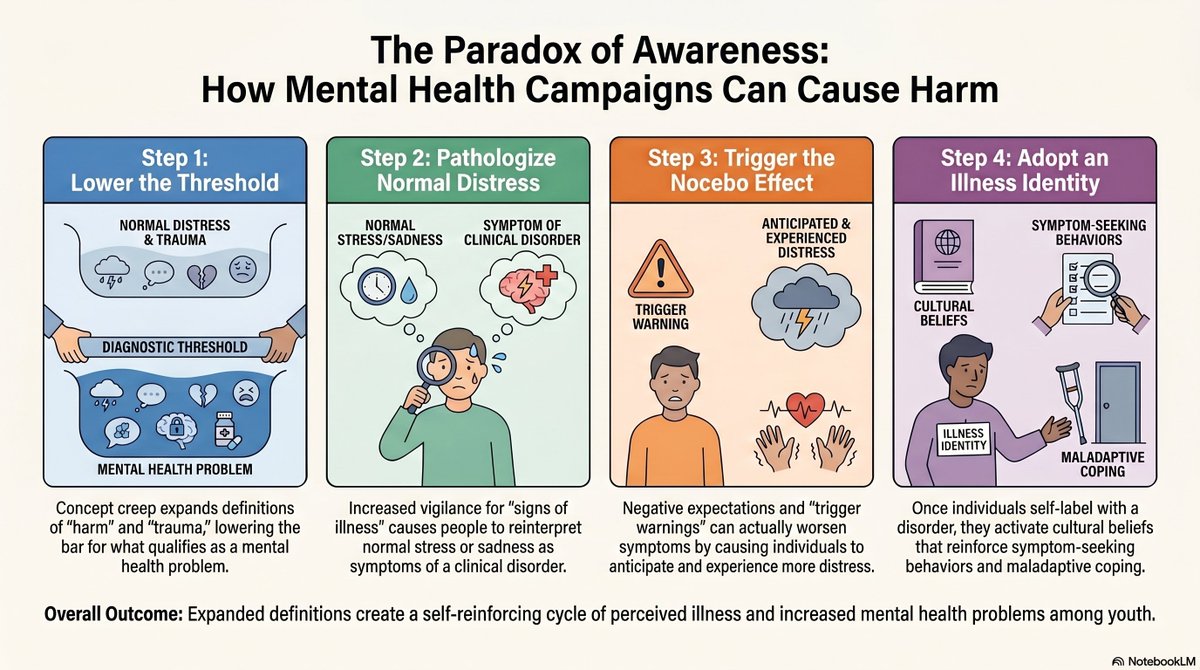
In a new paper by my PhD student Dasha Sandra, titled "Why mental health awareness can harm: Converging explanations for a societal problem", we argue that well-meaning mental health awareness can backfire, and we identify how. Four separate literatures (concept creep, nocebo effects, prevalence inflation, and illness self-labeling) have been circling the same problem from different angles. We show they converge on three mechanisms:
1.Awareness lowers the threshold for what counts as a disorder.
2. It trains people to scan their inner lives for symptoms and reinterpret normal distress as pathology.
3. Once someone adopts an illness identity, they behave in ways that confirm and deepen it.
The evidence is wide. Learning that loneliness is harmful makes solitude feel worse. Learning that stress is harmful worsens well-being and performance. Awareness videos about fake conditions like "wind turbine syndrome" produce real headaches. Trigger warnings raise anticipatory anxiety without reducing distress.
This does not mean awareness should stop. It means awareness can have unintended consequences, including manufacturing the suffering it tries to prevent. Inoculating people against these mechanisms works, and we already have evidence it does.
Link to paper: https://t.co/ucoGyhEuAj
7 things every kid needs to hear:
1. I love you
2. I’m proud of you
3. I’m sorry
4. I forgive you
5. I’m listening
6. Communism has failed every time it was tried
7. You’ve got what it takes
New UK screen time rules just dropped — and they’re stricter than most parents expected.
From 27 March 2026, England says: zero solo screens for under-2s (except quick video calls with family), and max one hour a day for 2–5 year olds — no screens at meals or the hour before bed. Co-view everything, stick to slow-paced content, and ditch fast social-media clips and AI toys completely.
The science is sobering: toddlers’ brains process info up to 10 times slower than adults. Fast-paced screens push them into fight-or-flight mode — racing heart, surging energy — while they’re sitting still. Researchers at the University of East London say this mismatch can wire kids for more tantrums and emotional struggles later. Using screens to calm meltdowns? It often backfires long-term.
As a parent, it’s brutal — we all know that explosion the second you take the tablet away.
But this feels like evidence finally catching up with what our gut has been telling us.
How are you handling screens with little ones — strict limits, co-viewing, or mostly winging it?
If you’re a dad with young kids and you’re healthy and fit.
And you’ve got a steady job/career and a roof over your head.
And a great wife.
Please recognize this: you are living the dream life. The “good old days” are literally happening to you right now.
The Los Angeles Unified school board has voted to require screen time limits and encourage the use of pen and paper for assignments, becoming the first major school district to do so. @SamChampion reports.
The kids are finally down. House is quiet. Wife's asleep.
And you're sitting on the couch doing absolutely nothing useful, and you know it, and you're doing it anyway.
Not because you're not tired. You're exhausted. But this is the first hour all day where nobody needs you to do anything or find anything or explain why we don't eat ice cream before dinner. So you just... sit in it. Stretch it out. One more episode. Ten more minutes of scrolling through things you won't remember tomorrow.
You've done this probably a thousand times and it has never once made you feel better. You wake up groggy, already behind, already at a seven before anything's even gone wrong. The patience you needed to bank last night got traded for two hours of half-asleep YouTube. And the version of you your kids get the next morning is the taxed one, the flat one, the one who snaps over something small and then feels bad about it while making their lunch.
What's actually happening is you're confusing rest with reclaiming something. Like if you stay up long enough you'll eventually feel like a full person again instead of just a guy who works and parents and goes to bed and does it again. But that feeling never really comes. There's no amount of late-night nothing that actually fills it back up. You know this. You do it anyway.
The only thing that actually helps is sleep, which is such a boring answer that you resist it every single night.
So try this. Around ten o'clock, ask yourself whether what you're doing is actually recharging you or whether you're just putting off going to bed because going to bed means tomorrow starts sooner.
Most nights it's the second one.
Close the phone. Go to sleep.
The morning will be different. Not perfect. Just different.
That's worth something.
If you ever feel like you’re walking on eggshells in a conversation…
Imagine being a broadcaster at The Masters
They’ve got a rulebook longer than a CVS receipt
Here is the lingo you MUST use on air:
Fans = “patrons”
Rough = “second cut”
Sand trap = “bunker”
Front/back 9 = “first/second 9”
Here is what you CAN'T say on air:
No talking about prize money
No mentioning player's earnings
No estimating crowd size
No comparing holes to other courses
No guessing where a ball might land
No estimating putt length
Slip up once and don��t expect an invite back to Augusta
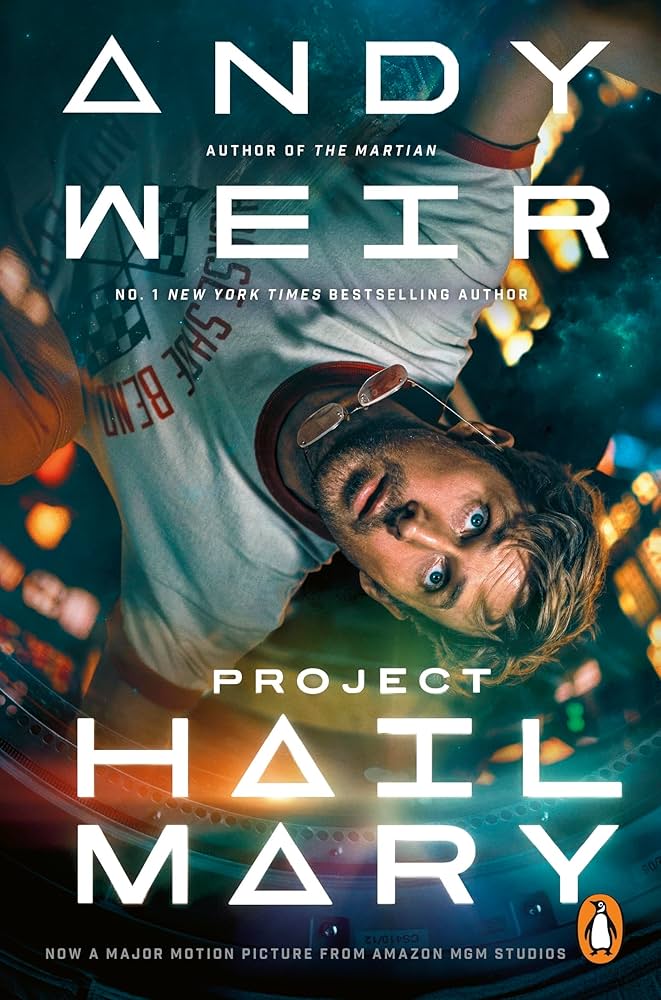
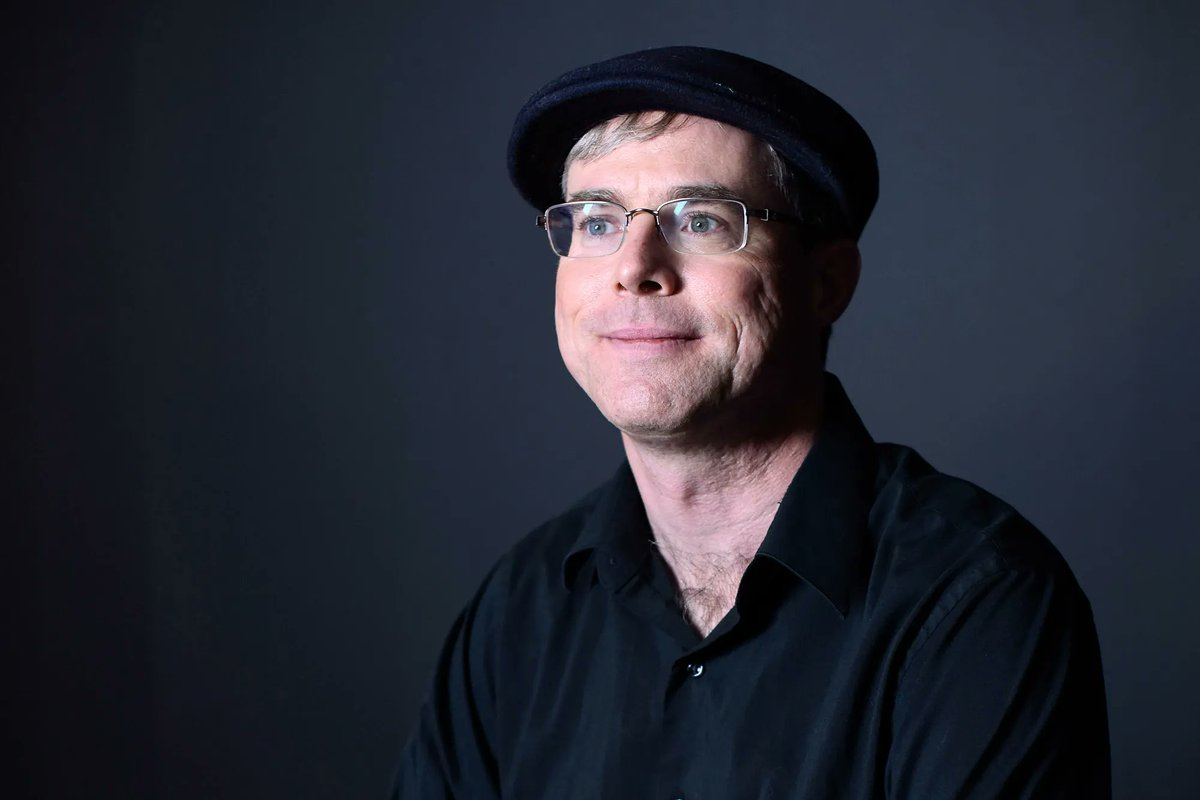
Project Hail Mary writer Andy Weir on social commentary in books:
"I dislike social commentary. Like… I really hate it. When I’m reading a book, I just want to be entertained, not preached at by the author. Plus, it ruins the wonder of the story if I know the author has a political or social axe to grind. I no longer speculate about all possible outcomes of the story because I know for a fact that the universe of that book will conspire to ensure that the author’s political agenda is validated. I hate that."
"I put no politics or social commentary into my stories at all. Anyone who thinks they see something like that is reading it in on their own. I have no point to make, and I’m not trying to affect the reader’s opinion on anything. My sole job is to entertain, and I stick to that."
"To that end, I also don’t talk about my personal political opinions publicly. I don’t want readers to even know, honestly. I don’t want that in the back of their minds as they read my stuff."
Is this why he has the #1 sci-fi movie in decades?
It’s sad that during your formative years, your exposure to the world is largely limited by your parent’s own exposure. If they value things like music lessons, spelling bees, sports, or exploring random hobbies, you benefit from that. If not, it’s just chores and TV for you.
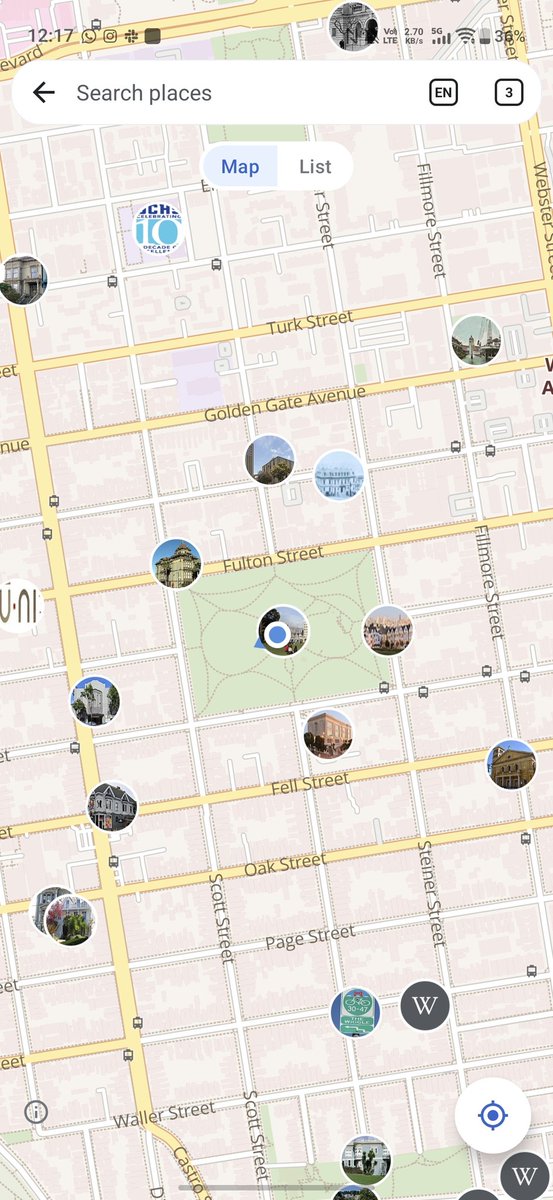
i accidentally discovered one of the coolest features on the internet
the Wikipedia app has a "nearby" feature that shows wikipedia articles around your location!
i opened it and instantly fell into a rabbit hole of random places, local history and weird things around me
try it and tell me what shows up near you