A bad DM setter tries to convince. A great one creates clarity.
Make the prospect feel understood enough to make the right decision for themselves.
Ask better questions, start the right conversation and genuinely help.
That’s what great setting looks like.
Most prospects don’t just want to feel understood.
They want relief from the fear that inaction will cost them.
As a setter, this changes how you lead, ask better questions, uncover the real problem, create clarity and help prospects make the decision to help themselves.
Great salespeople don’t pressure people.
They show confidence, there’s a difference.
Confident sellers listen, ask better questions and know when to lead.
You don’t need to be pushy.
You just need to believe in what you’re selling.
.
High-ticket DM setting taught me that you are not paid to simply “reply to DMs.”
You are paid to identify:
*Who has a real problem
*How serious the problem is
*Whether they are a good fit
*What’s stopping them from taking action
You understand clients better when you use the tools yourself.
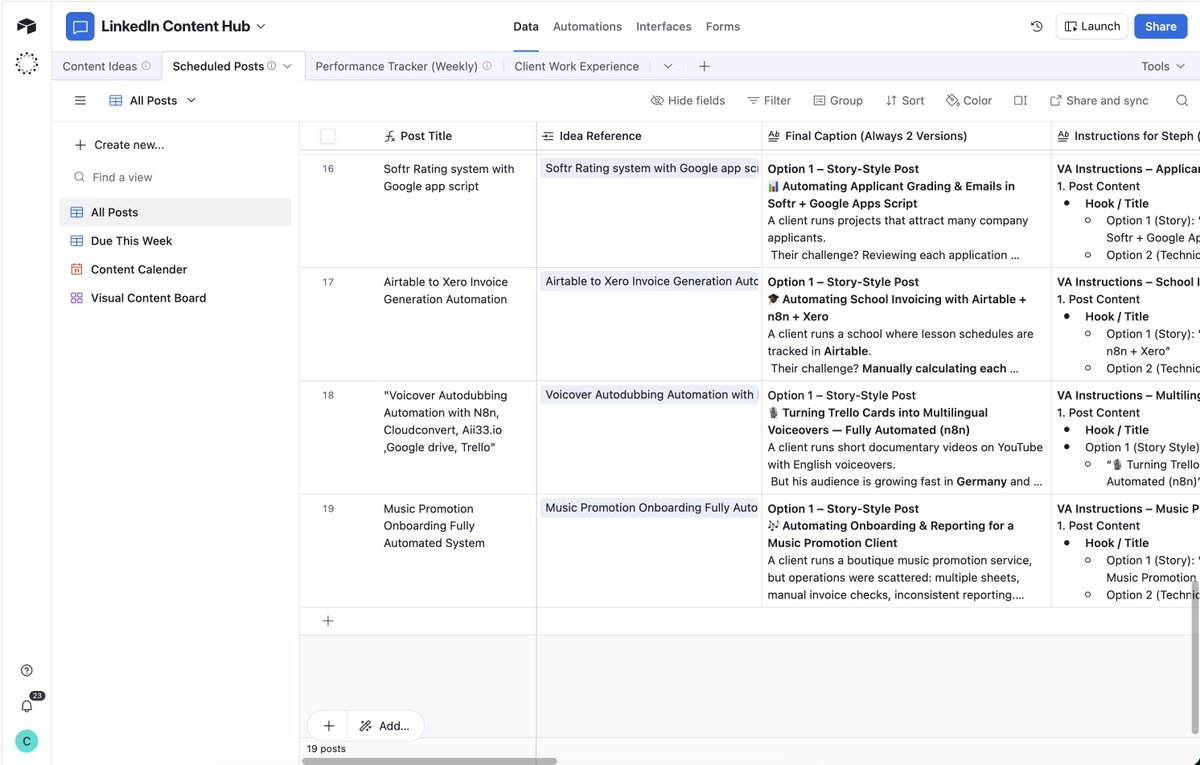
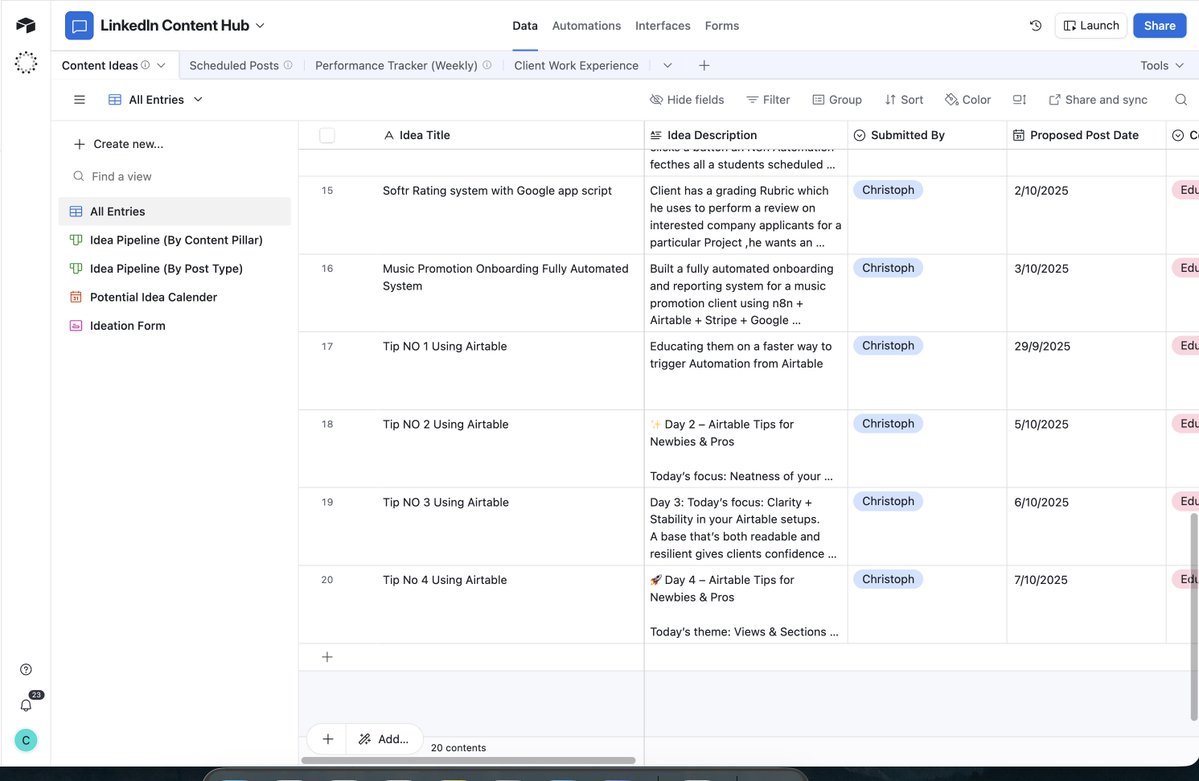
Saw a post from @The_Christophxv where he said using Airtable and other tools for his projects helps him understand clients better and it’s so true.
#automation
If you want to master any Automation or CRM platform fast, stop watching tutorials all day and start using it to solve your own problems.
You’ll never truly understand a client’s pain point until you’ve faced something similar yourself.
When you use these tools daily for your personal or business needs, you begin to think like your clients. Their frustrations, their bottlenecks, their goals all start to make sense.
That’s when you stop being a “builder” and start being a strategic partner.
I don’t just teach Airtable, https://t.co/08wyBb6UL0, or Make.
I use them every single day.
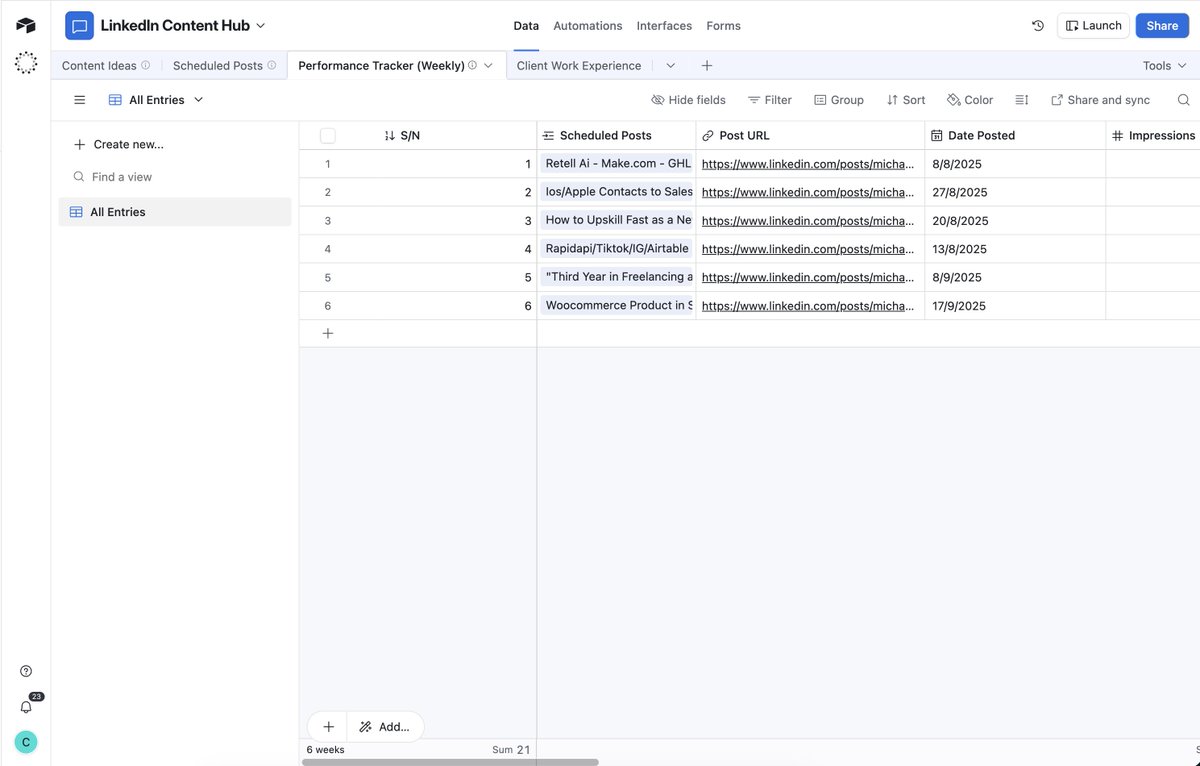
I use Airtable to manage my LinkedIn and X posts, track ideas, and plan campaigns.
I use https://t.co/08wyBb6UL0 to manage Upwork projects, follow up with clients, and track deliverables.
Because of that, I don’t just know how these tools work.
I know how they feel when things break, when automations misfire, or when deadlines overlap.
That empathy helps me build smarter systems for clients that actually fit how people work.
If you’re new to automation, stop waiting for the perfect project to learn.
Be your first client.
Use the tools you’re trying to master to organize your own life, track your goals, and solve your everyday challenges.
Once you’ve done that, client projects will stop feeling like guesswork and start feeling like second nature.
That’s how you go from learning tools to owning them.
You understand clients better when you use the tools yourself.
Saw a post from @The_Christophxv where he said using Airtable and other tools for his projects helps him understand clients better and it’s so true.
#automation
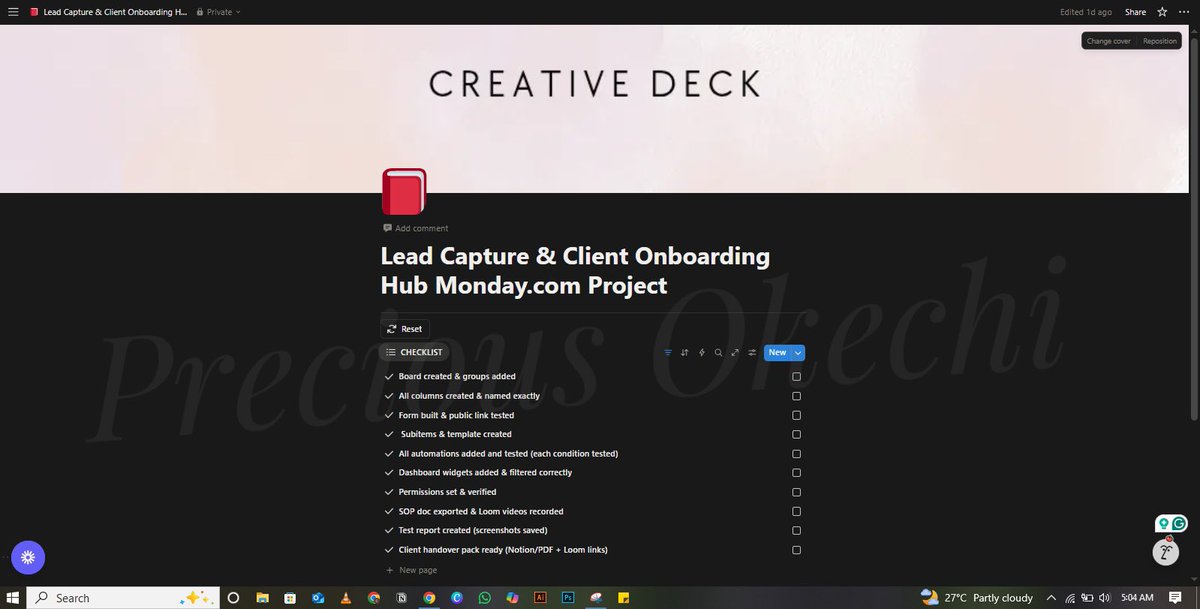
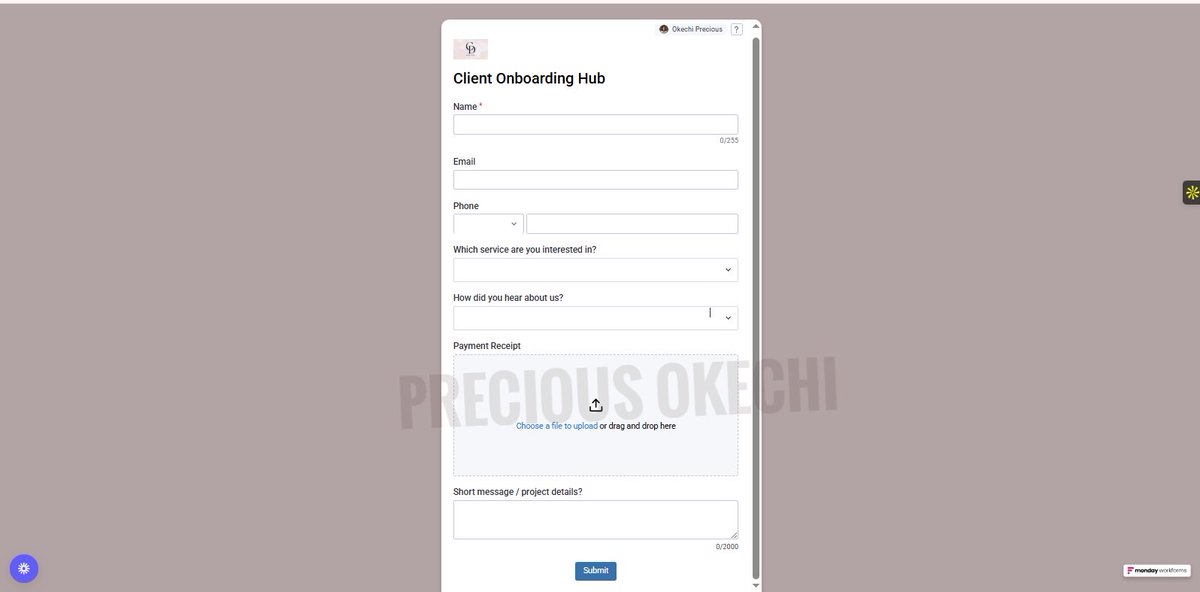
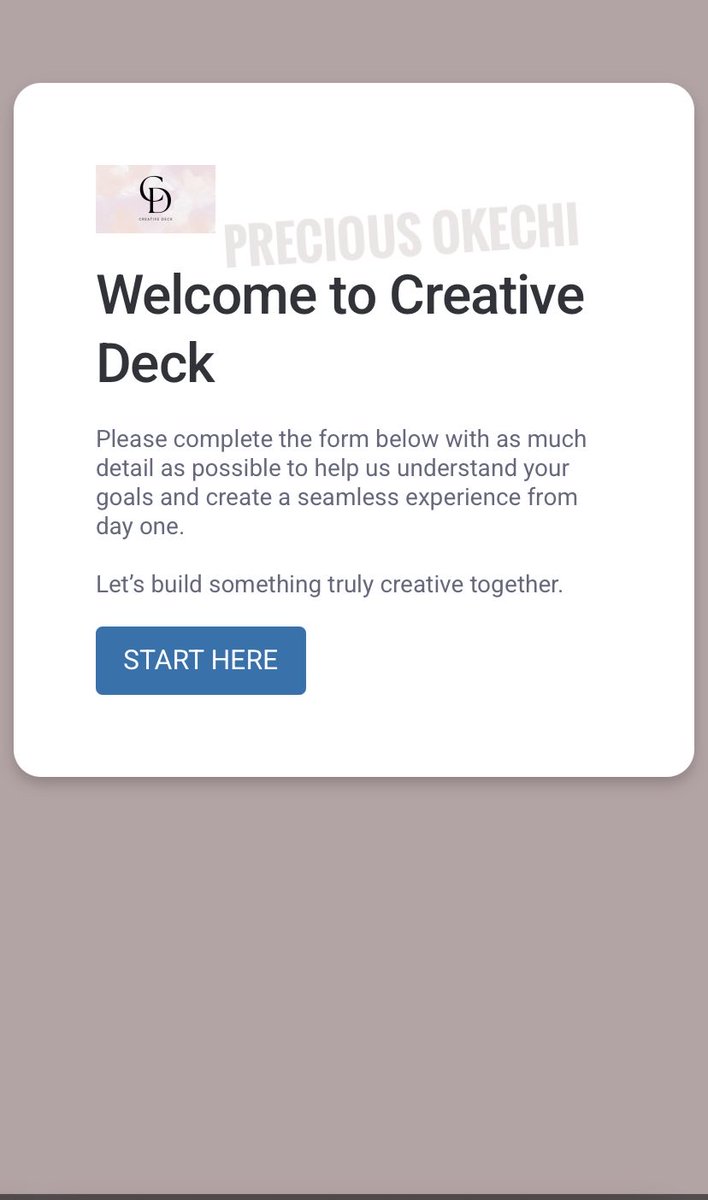
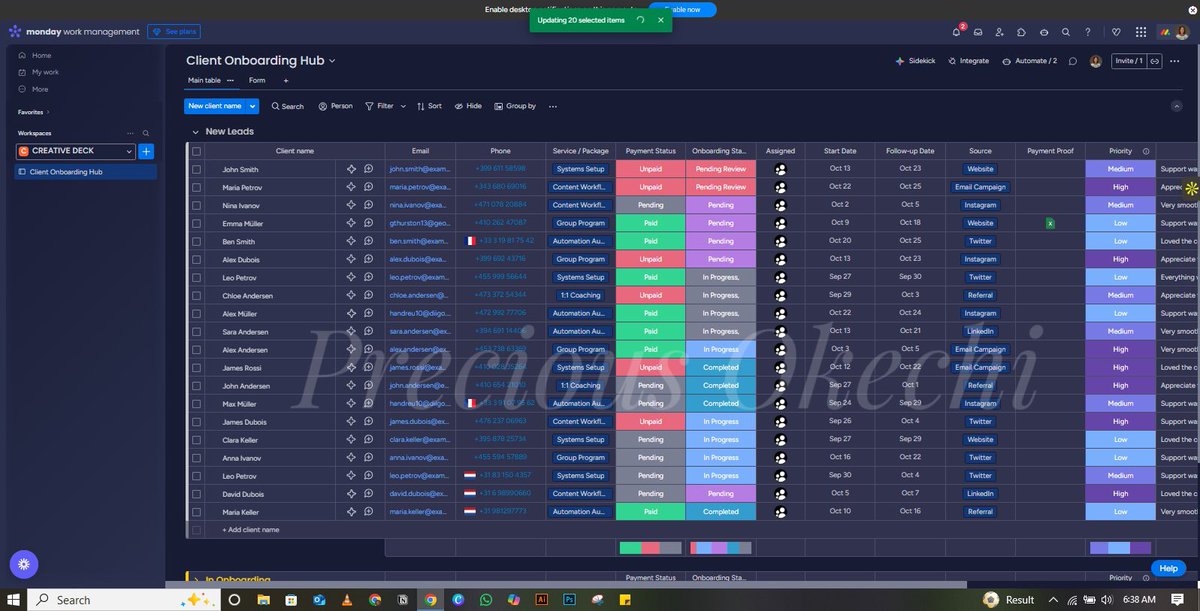
I recently built a client’s onboarding hub on https://t.co/xxubJZTWXf and managed my milestones and deliverables in Notion with a simple to-do list.
That setup helps me think like the people who’ll use it and spot their bottlenecks before they even mention them
#Automation
Stop comparing your journey to someone else’s. We all face different realities, so your path will look different too.
Move at your own pace, one step at a time.
The goal is to keep moving until it compounds.
One mistake changed everything for me as a Virtual Assistant.
Early in my VA career, I was helping a client with a hiring process.
I rushed the hiring task, sent invites without confirming and candidates didn’t show up.
My client was left waiting and I was embarrassed.
A lot can happen in a year. You can go from confused to clarity, from doubting yourself to becoming your own proof.
Never say never, just keep trying and you will amaze yourself.