Native to the Eastern United States, black cohosh is the sole host plant for the Appalachian Azure butterfly. Support the Appalachian Azure and 94 other at-risk pollinator species by planting what they need: https://t.co/lgHKGd483B
Spiraea alba is a shrub that is often mistaken for a flower, and can be established from both seed and plug. It is a preferred pollen source for at-risk bumblebees as well as solitary bees across the Northeast, Mid-Atlantic and Central United States.
https://t.co/lgHKGd483B
Special gratitude to Dr. Robert Gegear of UMass-Dartmouth and to Elizabeth Keen of the Egremont Agricultural Commission.
Plants can change the world. Learn more:
https://t.co/vCEaXv1fMG
Submit your bumblebee + butterfly observations to Beecology:
https://t.co/eb8WIBRQoF
In 2020, Landscape Interactions converted a public park of mowed grass into a biodiverse landscape design to support pollinators.
Now we have 7 bumblebee species on site, including 2 at-risk species.
Science informs the design, guides the process and measures the results.
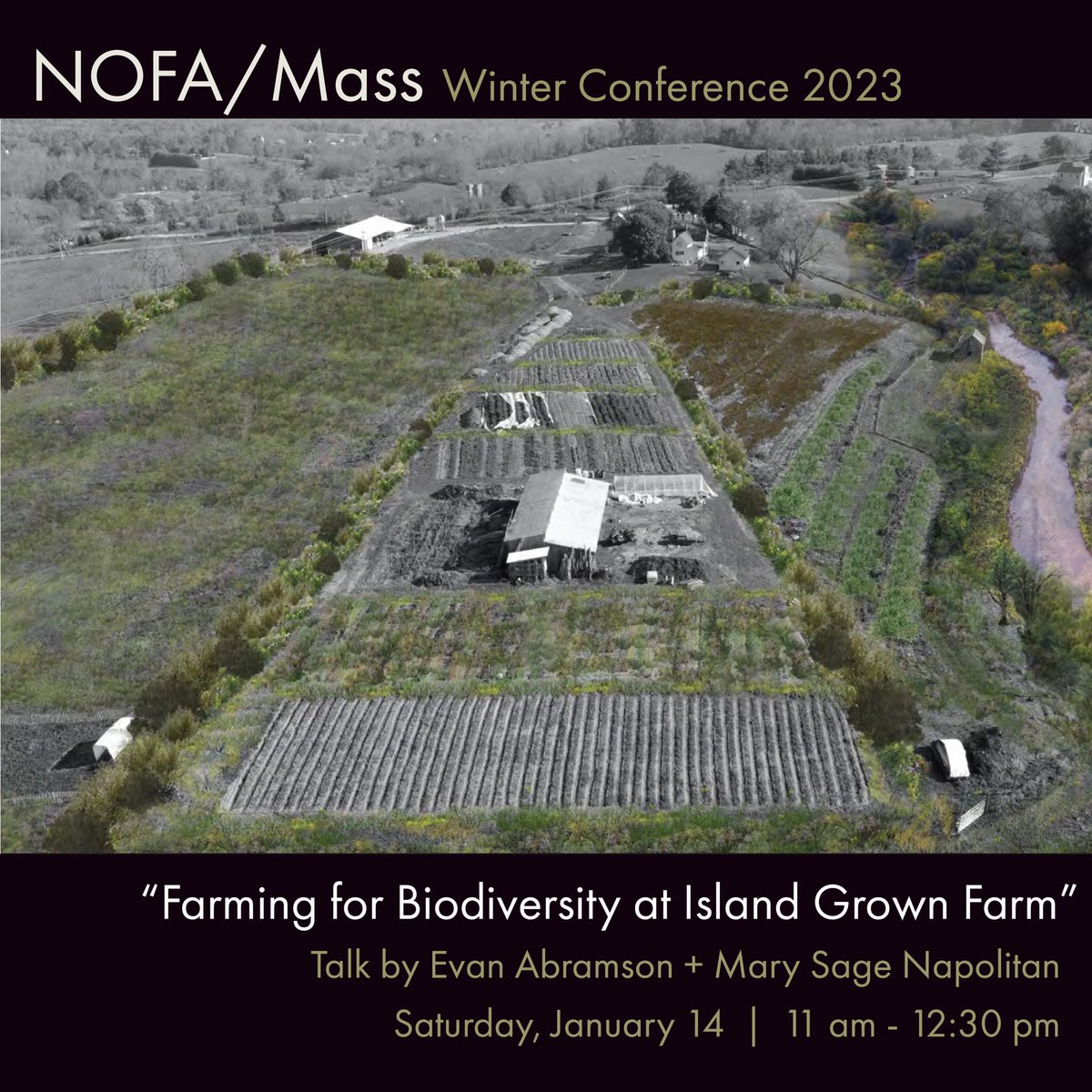
Presenting tomorrow at the @NOFAMass conference! To learn more, download the free
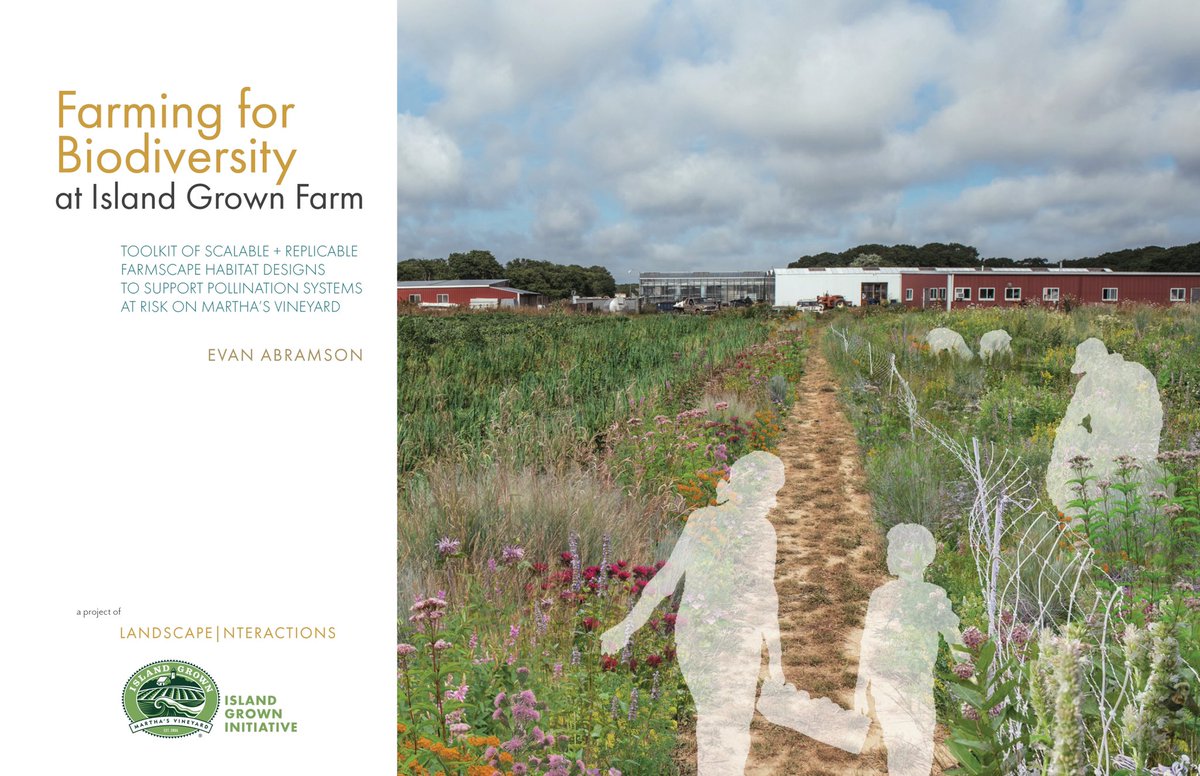
plan for creating and maintaining #biodiversity on farmscapes at https://t.co/4O9DdOb0CS, and check out our episode on the NOFA podcast! https://t.co/9oG5Ir96cL
Northeast people! Presenting our chat about designing climate-resilient food and pollination systems on a working farm. For your commute to work or putting the little ones to sleep. https://t.co/zagElIZrEi
Humans depend upon wild pollinators and biodiversity for our health and survival. Food systems can’t be supported by honeybees alone. https://t.co/aBcmH5KjZM
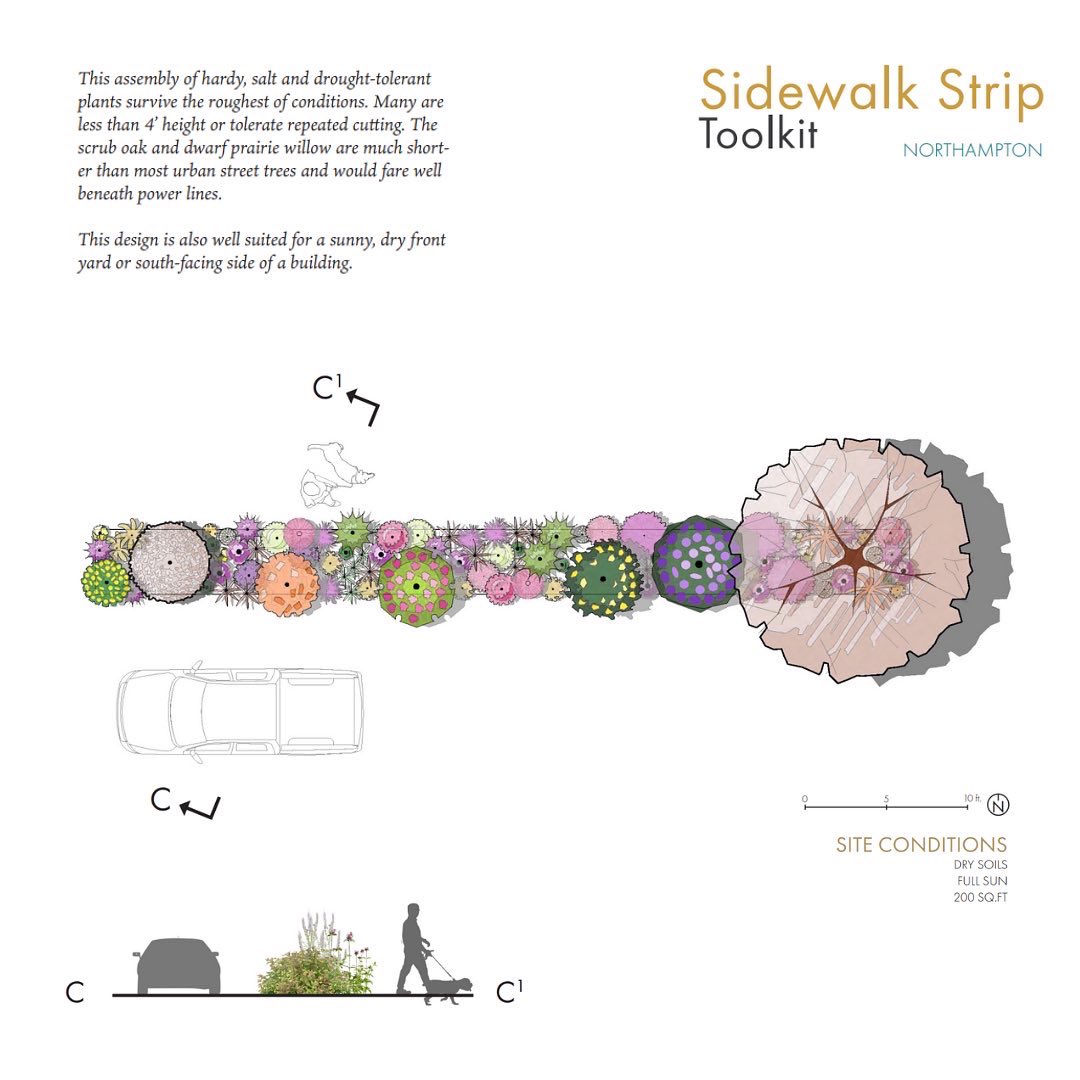
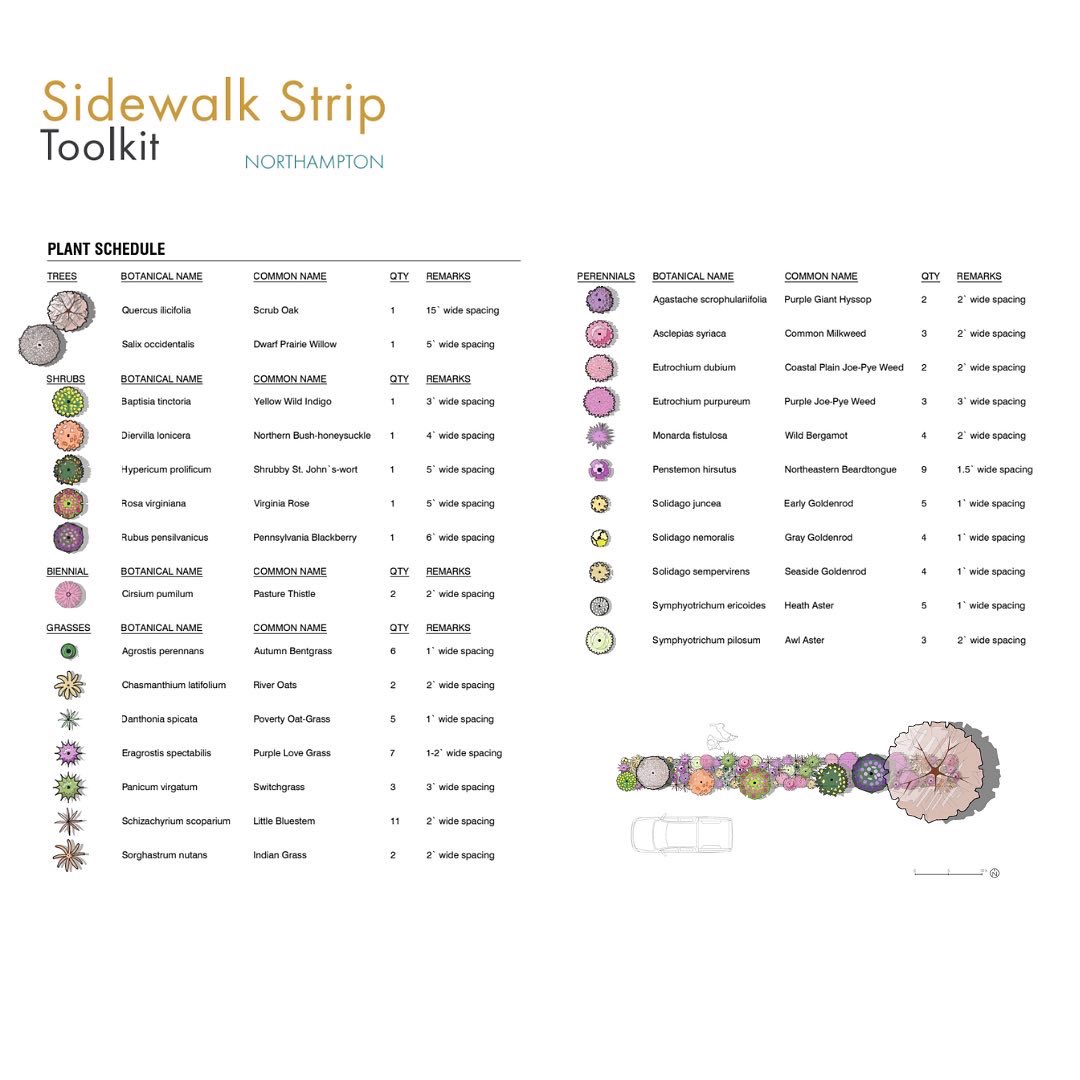
Check out this salt/drought-tolerant sidewalk strip design we did for Northampton, MA - can’t wait to bring this approach to the future Brooklyn Pollinator Corridor with @V6A_coLab! Using native plants to build #biodiversity and support at-risk #pollinators, one city at a time.
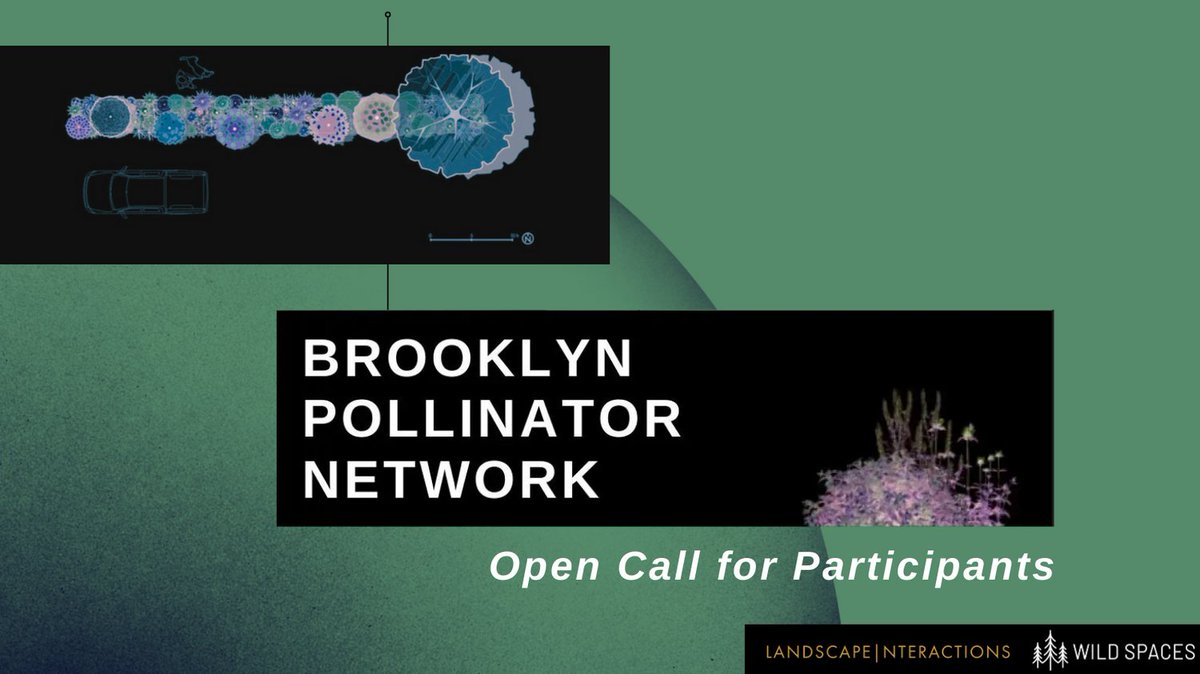
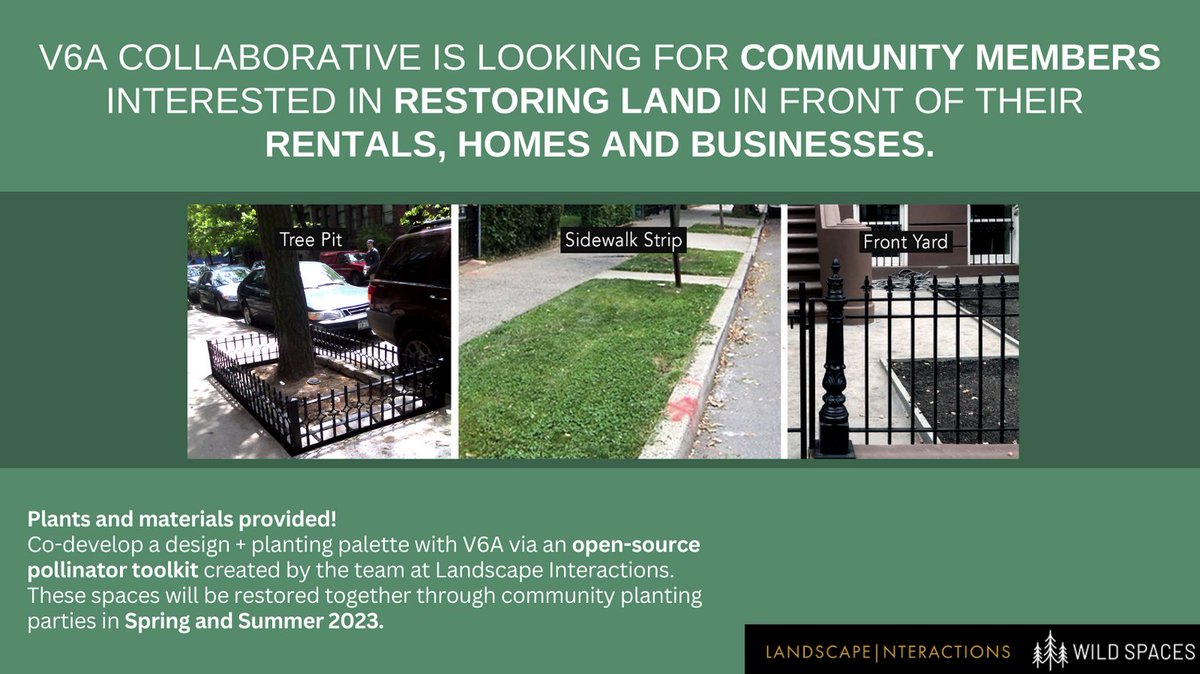
We’re looking forward to working with @V6A_coLab on the Brooklyn Pollinator Network 🐝 If you live in Brooklyn and want to turn your yard, tree pit, or sidewalk strip into native pollinator habitat, respond to the open call for participants here: https://t.co/PA1VxKUJlW
84 years ago we understood that burning fossil fuels was raising the levels of CO₂ in the atmosphere, and causing the planet to warm.
The theory was understood earlier but this was the first observation & attribution of climate change. #COP27
In 1938.
https://t.co/AfIXXeYM8h
Landscape Interactions launches Farming for Biodiversity, a guide for creating habitat on farmscapes across Martha’s Vineyard to support at-risk pollinators. https://t.co/grcBasVobT @MassPollinators @bymattkelly@alannogee@judithdschwartz@RegenFdn@DaveGoulson