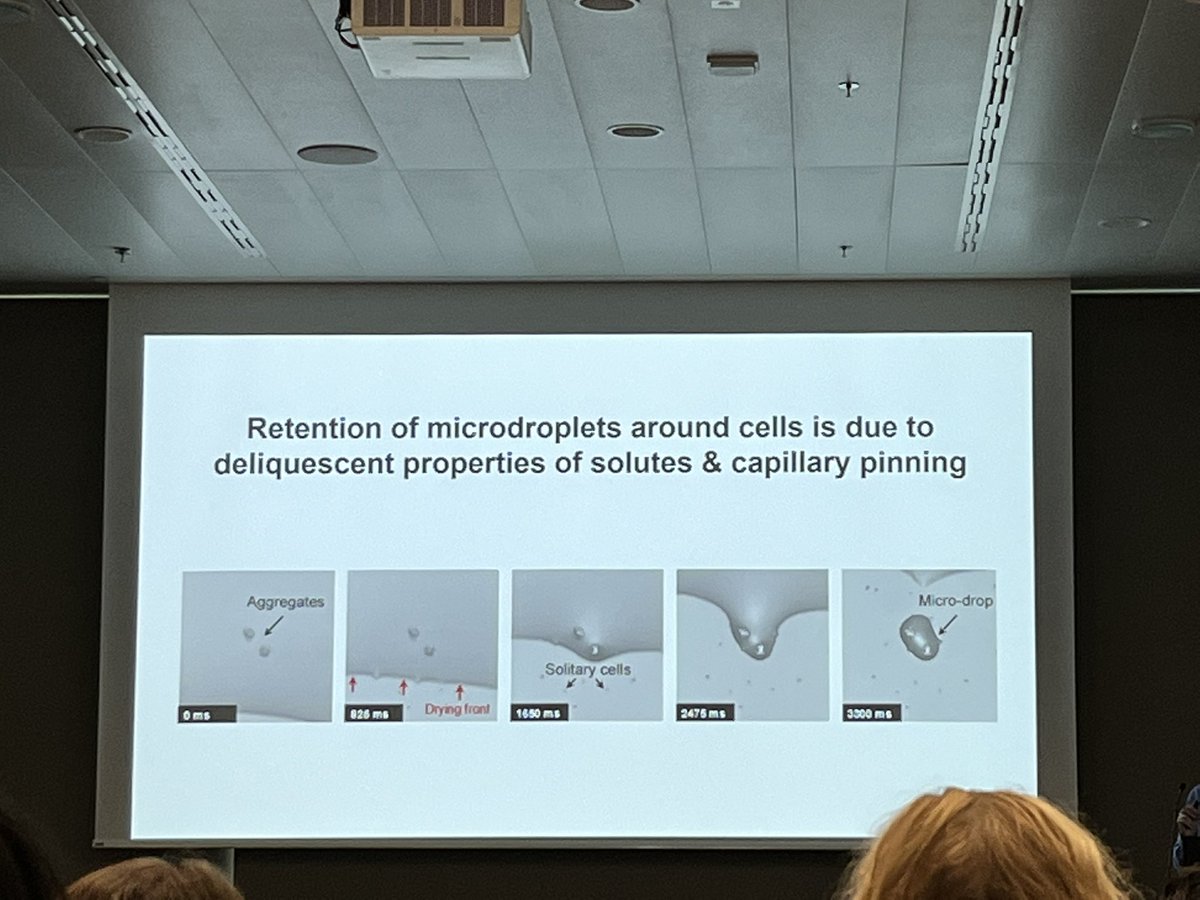
Your PhD is about the evolution of your mindset.
It proceeds through personal research experience, mentorship and development of key skills.
This is why PhD in STEM:
- is NOT about a thesis (very few people will read it)
- is NOT about finish your advisor’s project
- is NOT about attending new courses
- is NOT to learn how to use cool instruments (although it might be handy, it is of little help in a long run)
Yes, some of it will help you get hired. BUT PhD should not be about this.
▫️
PhD is about personal development, creativity and problem solving in a highly dynamic research environment.
First of all, it is about:
- Becoming a highly critical and creative thinker
- Learning how to think independently (against the local or global mainstream)
- Learning how to “jump-start” a project and bring it to perfection
- Discovering your strengths and weaknesses as a future leader
- Learning from massive number of mistakes without big consequences
- Learning how to accept failures and move on
- Understanding the value of teamwork and collaboration
- Publishing important studies and making discoveries (especially if you plan to stay in academia)
▫️
Of course, there are some “perks” that come with it:
1. Getting a good expertise in some field
2. Getting some idea about the world of academia and how things work there
3. Learning how to use fancy tools (microscopes, spectrometers, etc)
4. Learning how to write papers, etc etc
But these are only bonuses. They should not be why you are pursuing PhD.
▫️
As a prospective PhD student, do NOT look for a supervisor who will be simply assigning tasks to you and tracking your project.
Look for a good mentor and advisor who can help you develop YOUR leadership skills.
A proper research environment and inspiration to pursue your dreams are the key ingredients.
#AcademicTwitter #AcademicChatter #phdchat
Our open access book
Biological Wastewater Treatment - Examples and Exercises
Is now on-line available #openaccess@IWAPublishing
https://t.co/cFmYVksr4s
I am feeling so much grateful to attend and learn at the Rethink workshop at the Aalborg University. There is so much that we think we know but we actually don’t -> do I sound like Shakespeare? 🤭
Very happy to be given a chance to write a blogpost in nature portfolio community- behind the paper on our recently published article in ISME J
@Incottonwool@NaturePortfolio@ISME_microbes@SCELSE_SG
Check it out here:
https://t.co/Rtz1MC30V6
It my pleasure to share with you our latest work to understand microbial spatial organisation in Anammox biofilm using microscopy modalities @Incottonwool@SCELSE_SG
https://t.co/ojmoMXATP7
Our Crystal Ball review paper sharing perspectives on the collaboration between biological and physical forces on microbial biofilm extracellular matrix formation’s published. A collective piece of work that I learned so much along the writing journey
Microbial biofilms are shaped by the constant dialogue between biological and physical forces in the extracellular matrix
@Environmicrobi Crystal Ball by @LanLiW et al from Staffan Kjelleberg
with @Scott77622514 @Incottonwool
https://t.co/VWV821YUuS
Enjoyed the microscale and biophysical interactions in microbial ecosystems morning session very much today! How confining different bacteria in a liquid droplets affect its HGT, how using cryo-EM for the study of bacterial interaction in an ecosystem!
Super interesting talk by @nonresidentdesi about how polysaccharide and oligo-saccharide affect bacterial aggregation and dispersion in-situ using micro fluidic and microscopy! #isme18#exopolymer#publicgood
Thanks @EvolvedBiofilm for the tweet 😊 it was my honour to share insights on how surface layer protein mediates polymicrobial bacterial organisation in #anammox biofilm at #ISME18
Don't forget to register for the Biofilms and Microbiome virtual conference between October 11 and 13 organized by @NatureRevMicro@NatureMicrobiol and @SCELSE_SG
- deadline is approaching for abstract submission on August 19
https://t.co/7VkhbIvxMO
Tolerance and resistance of microbial biofilms
Ciofu and colleagues discuss our current understanding of the mechanisms of tolerance of biofilms to the immune system as well as tolerance and resistance to antimicrobials
https://t.co/FlpwaGAWf9


![EvolvedBiofilm's tweet photo. @SCELSE_SG Summer School
https://t.co/YB0OrZeG1G
[Applications close on 22nd March 2023] https://t.co/R7yXDs6cH2](https://pbs.twimg.com/media/FqSyJ0mWwAcM0iM.jpg)