If your child is choking, don't panic – do THIS…
Most parents aren't taught this correctly, and in an emergency you won't have time to Google it.
This is one of those videos you pray you never need...
but you'll be grateful you saved it
Save this. Share it with a parent 👍
Giveaway time! Here's your chance to win the DJI Lito X1 — sub-249g, 1/1.3-inch sensor, Forward LiDAR omnidirectional obstacle avoidance, 36-minute flight on the standard battery.
How to enter:
1. Follow @DJIGlobal
2. Like and share this post
3. Bonus Chance: Comment below — what's the one
Why does the middle class suffer on Meralco's liabilities & system loss? We do not steal electricity. We do not qualify for lifeline rates. We do not get 4Ps. We pay full VAT, fund everyone else’s discounts, & absorb costs that should never have been ours to begin with.@meralco
Thats why we will never deserve good things in this country. We cannot do a simple task of throwing our own trash which is just a few steps away. No discipline, no respect, walang malasakit. Taken at BGC tonight. Hay bayan ko. #BGC
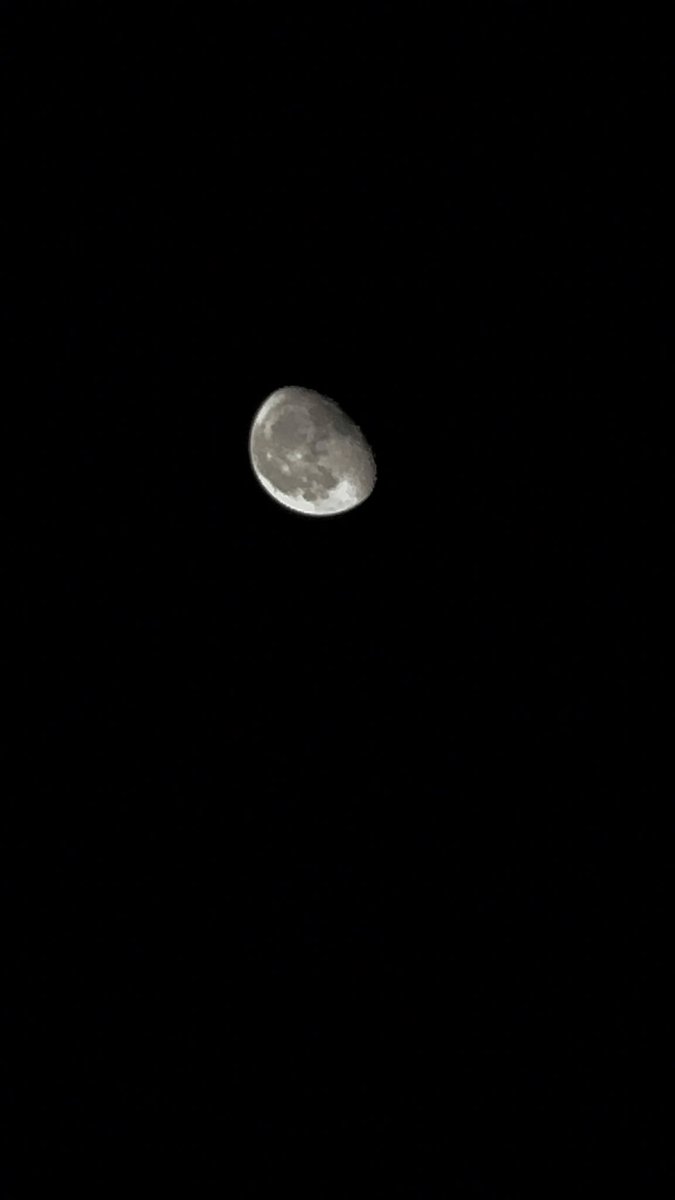
Looking up the sky right now from Manila Philippines 🇵🇭 to see and bid Integrity crew best of luck and congratulations for reaching the farthest point humans have ever been to away from Mother Earth.
Waving hello from Asia!!!
@NASA @NASA_Johnson @astro_reid@Astro_Christina
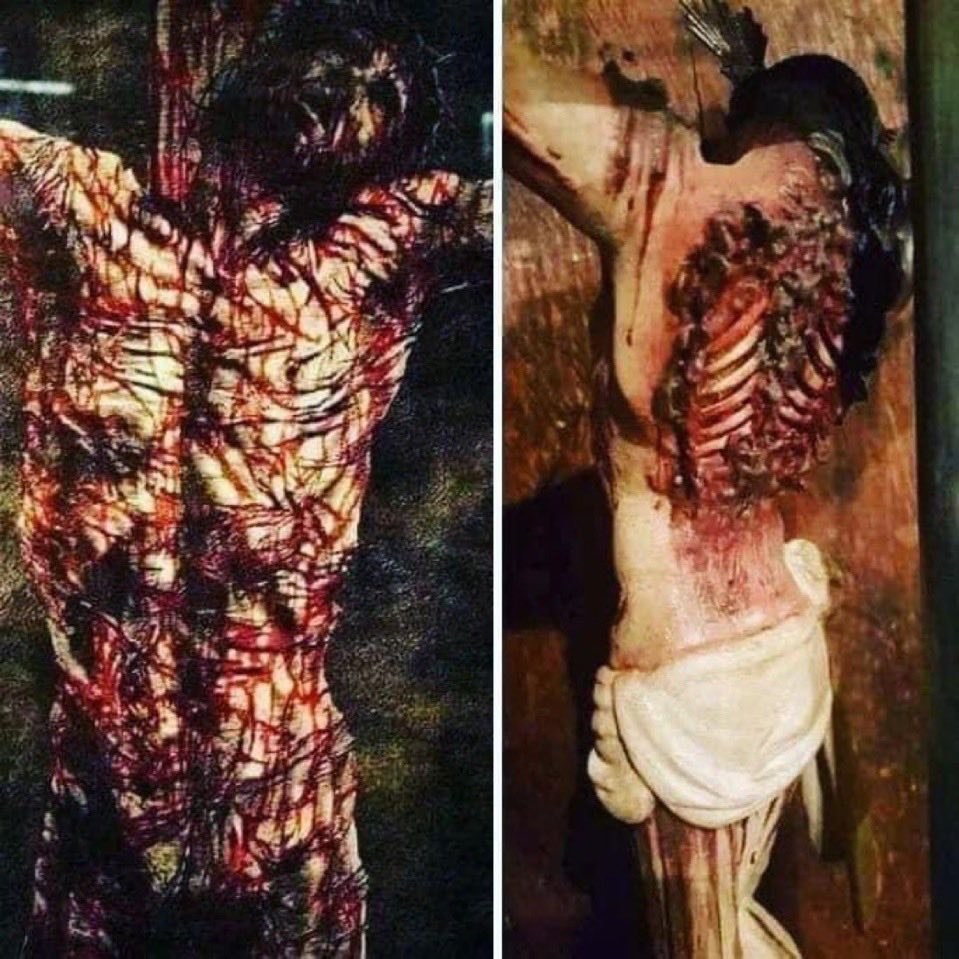
In 1986, the American Medical Association published an article titled "The Physical Death of Jesus Christ". It details the entire process of Jesus' trial to His death on the cross.
In Luke 22, before Jesus is arrested, it is written that He was in great distress & sweating blood. Although rare, it is recognized as Hematidrosis, a condition caused by high levels of stress.
At the time, the crucifixion was considered the worst death for the worst of criminals. But this is not all Jesus faced. He endured whipping so severe that it tore the flesh from His body. He was beaten so horribly that His face was torn & His beard ripped.
A crown of thorns, 2-3 inches long cut deeply into His scalp. The leather whip used to flog Him had tiny iron balls & sharp bones. The balls caused internal injuries while the sharp bones ripped open His flesh. His skeletal muscles, veins, & bowels are exposed, causing major blood loss. Most men do not survive this kind of torture. After Jesus was severely flogged, He was forced to carry His cross while people mocked & spat on Him.
Crucifixion was a process meant to instill excruciating pain, creating a slow & agonizing death. Nails as long as 8 inches were driven into Jesus' wrists & feet. The Roman soldiers knew the tendons in the wrists would tear & break, forcing Jesus to use His back muscles to support Himself to breathe. Imagine the struggle, the pain, the courage...Jesus endured this reality for 3 hours!
The Gospel of John writes that after Jesus' death, a Roman soldier pierced His side with a spear & blood & water came out. Scientists explain that from hypovolemic shock, the rapid heart rate causes fluid to gather in the sack around the lungs & heart. The accumulation of fluid in the membrane around the heart is called a Pericardial effusion & the lungs is called a pleural effusion.
To the world, Christianity is as foolish as it can get. They believe it's for the weak. But when you are confronted by the reality of the cross, it's clearly not a pretty sight. It is brutal & horrific.
This is the weight Jesus carried. The weight of the sins of the world, all so that we can live. God's wrath is fully satisfied in Jesus. This is what it took. Repent & believe! Jesus is “God among us” in the flesh. Jesus is our Savior. Jesus loves you so much that He went through this spiritual and physical punishment for your sins and mine.
Jesus is the LORD, Almighty God, Everlasting Father.
Thank You, Jesus.
🇵🇭 A Citizen’s Cry for Dignity in Healthcare
By Dr. Tony Leachon
Today, a concerned citizen shared with me a heartbreaking video from East Avenue Medical Center. Under the scorching heat, she waited over four hours just to access free medicine through the Yakap program. The lines were long, the process slow, and the suffering visible—especially among our seniors and persons with disabilities.
This is not an isolated case. This is the daily reality in many government hospitals.
We must speak truth to power:
• The Department of Health under Secretary Herbosa has failed to deliver dignified, efficient, and compassionate care.
• PhilHealth is being defunded while case rates for top killer diseases remain dangerously low.
• Ghost hospitals and alleged corruption continue to plague our system.
• The poor are left to endure misery while officials remain silent or dismissive.
This is not just incompetence—it is a betrayal of public trust.
We call on the President, lawmakers, and health advocates to act now:
• Streamline access to essential services in OPDs nationwide.
• Increase funding for PhilHealth and raise case rates for heart disease, cancer, stroke, pneumonia, and diabetes.
• Remove VAT on essential medications.
• Investigate and prosecute corruption in the health sector.
• Restore dignity to every Filipino seeking care.
Healthcare is not a privilege. It is a right. And when that right is denied, we must raise our voices—not just as doctors, but as citizens.
Let this message be heard. Let this video be seen. Let this injustice be corrected.
To celebrate Super Bowl week, we’re giving away the Legacy 13-Time Super Bowl Champs Photomint.
How to win:
1. Follow us
2. Like this post
3. Repost
This giveaway ends 2/7 at 11:59 PM CST.
The Middle Class as the New Poor in the Philippines
Dr. Tony Leachon
The middle class in the Philippines is increasingly called the “new poor” because stagnant incomes, rising costs, and heavy tax burdens are eroding their financial security, leaving them vulnerable to poverty despite being the backbone of the economy.
They shoulder most of the nation’s taxes, pay out-of-pocket for healthcare and education, and face housing and daily expenses that grow faster than their earnings.
📊 Key Reasons the Middle Class Is Becoming the “New Poor”
1. Stagnant Incomes vs. Rising Costs
• GDP growth slowed to around 3%, limiting wage increases.
• Inflation in food, transport, housing, and utilities outpaces salary growth, squeezing disposable income.
2. Heavy Tax Burden
• Middle-class families contribute the largest share of income and consumption taxes, unlike the poorest (who benefit from subsidies) or the richest (who can shield wealth through assets and tax planning).
• This leaves them with less net income to cover essential needs.
3. Healthcare Costs
• Out-of-pocket medical expenses are rising sharply.
• Unlike the poor, who benefit from zero-balance billing, middle-class families often pay directly for treatment of catastrophic illnesses like heart disease, cancer, and stroke.
4. Education Pressures
• Tuition fees and school-related costs are high, with limited scholarship aid for middle-income families.
• Parents often sacrifice savings or incur debt to keep children in private schools or universities.
5. Housing and Daily Living
• Urban housing prices and rents have surged, making ownership difficult.
• Daily commuting costs, utilities, and food expenses consume a disproportionate share of income.
6. Weak Social Safety Nets
• Government subsidies and assistance programs are targeted mainly at the poorest.
• The middle class is often excluded, leaving them exposed to financial shocks like job loss or medical emergencies.
⚖️ Why This Matters
• The middle class represents 40–45% of Filipino families and is the tax base, workforce, and stabilizer of society.
• If they slide into poverty, the state loses revenue, productivity, and social cohesion.
• Protecting them is not charity—it is economic preservation and nation-building.
🔑 Conclusion
The middle class is the “new poor” because they are squeezed from both ends: too rich to qualify for subsidies, too poor to afford rising costs without debt or sacrifice.
Without reforms in healthcare financing, taxation, education, and housing, many will continue to fall into poverty, destabilizing the nation’s economic backbone.
📚 References
• Eurasia Review. Philippines’ Middle Class at Risk Amid Rising Costs and Stagnant Growth.
• https://t.co/C5FT1Y3pq0. Tax Burden and the Struggles of the Middle Class.
• Eurasia Review. Weak Social Safety Nets and the Vulnerability of Middle-Income Families.