The so-called sense of ritual is not about pleasing others, but about reminding yourself every morning: life is worth looking forward to, and you deserve to be a better version of yourself🙂
This is truly amazing! Scientists have made such important discoveries in the study of heart cells, which not only reveal the mysteries of life but also make us cherish every heartbeat even more
Before a heart beats, life organizes itself in silence.🫀
Scientists captured the exact moment cardiac cells self-organize into a coordinated electrical rhythm, seconds before the first heartbeat begins.
⚠️ Don’t Drink Coffee on an Empty Stomach! Here’s Why
You love that morning coffee, right? But if you drink it before eating, it can actually stress out your body. Your body naturally makes a stress hormone called cortisol in the morning to wake you up. Coffee on an empty stomach can push it way higher, making your body think it’s under stress.
This can lead to anxiety, upset stomach, acid reflux, sugar spikes, and even tiredness later. Over time, it can mess with your sleep, make you more stressed during the day, and make you crave even more coffee.
The simple fix? Eat something first. Even a small breakfast or snack can stop your body from freaking out and help your coffee give you energy instead of stress. ☕💛
The potential health impacts of COVID-19 deserve our attention. We hope everyone continues to take precautions, care for themselves and those around them, and work together to protect our health
New MRI study shows COVID-19 can leave lasting brain changes—even after “full” recovery.
Researchers at Griffith University’s National Centre for Neuroimmunology and Emerging Disease used advanced, multimodal MRI to investigate the brains of people who had recovered from COVID-19, including those with and without ongoing Long COVID symptoms. By comparing these individuals with people who had never been infected, the team found clear differences in both gray and white matter regions that are critical for memory, cognition, and overall brain health. The scans revealed changes in brain neurochemicals, signal intensity, and tissue microstructure, indicating that COVID-19 can leave detectable alterations in brain tissue even when individuals consider themselves fully recovered and report no persistent symptoms.
In participants with Long COVID, the extent of these brain changes was associated with symptom severity, suggesting a biological basis for the cognitive complaints—such as problems with memory and concentration—reported after infection and sometimes persisting for months or years. The findings highlight that COVID-19 is not only a respiratory illness but also a condition with potential long-term effects on the central nervous system, raising concerns about “silent” neurological impacts that may go unnoticed without specialized imaging. The research underscores the need for ongoing monitoring of brain health after COVID-19 and supports further investigation into preventive and therapeutic strategies for post-COVID neurological symptoms.
References (APA style)
SciTechDaily. (2025, December 30). COVID-19 leaves lasting changes in the brain, even after full recovery. SciTechDaily.
Thapaliya, K., Marshall-Gradisnik, S., Inderyas, M., & Barnden, L. (2025). Altered brain tissue microstructure and neurochemical profiles in long COVID and recovered COVID-19 individuals: A multimodal MRI study. Brain, Behavior, & Immunity – Health.
It turns out that gratitude is not only a virtue, but it can also influence our brain structure! Starting today, let's learn to express gratitude more often and make life better together! 💖
🧠 Our brains are remarkable neural networks, designed to handle emotions, thoughts, and experiences. When we make gratitude a regular habit, we're doing more than just thinking positive thoughts – we're actually reshaping how our brain is wired.
Studies show that practicing gratitude triggers the release of dopamine and serotonin, which are the brain's natural "happiness chemicals." These neurotransmitters don't just make us feel better in the moment – they also improve our overall mental health. It's essentially giving our brain's pleasure centers a natural, powerful boost!
Blushing is a genuine emotional response that cannot be faked or concealed. Perhaps, true emotions are the most touching. ❤️ #AuthenticEmotions#BeYourself
Blushing is the only emotional response beyond conscious human control.
Human beings have mastered the art of the poker face, successfully masking tone, gestures, and expressions to hide their true feelings.
However, the phenomenon of blushing remains a defiant exception to this control. Governed by the autonomic nervous system, the sudden rush of blood to the cheeks is a physiological response that operates entirely outside of our voluntary influence. Unlike a forced smile or a calculated tone of voice, blushing cannot be rehearsed or suppressed on command, making it a unique biological indicator of our internal emotional state.
This involuntary reflex is most commonly triggered by self-conscious emotions such as embarrassment, shame, or even pride. Because it occurs spontaneously when we feel exposed or judged, it serves as a powerful signal of genuine social sensitivity. In social psychology, this honest signal can actually build trust, as it demonstrates a person's authentic concern for social norms and their awareness of others' perceptions. While often viewed as an awkward inconvenience, blushing is actually a profound testament to the inherent sincerity of the human connection.
Source: Crozier, W. R. (2006). Blushing and the Social Self: Psychological and Philosophical Perspectives. Palgrave Macmillan.
BREAKING🚨: Scientists fed the Fibonacci sequence into a quantum computer and something strange happened — the results were astounding — it manipulates the flow of time.
The mysteries of the universe always make one ponder the meaning of life and the infinite possibilities of existence; this perspective has given me a whole new outlook. 🙌✨
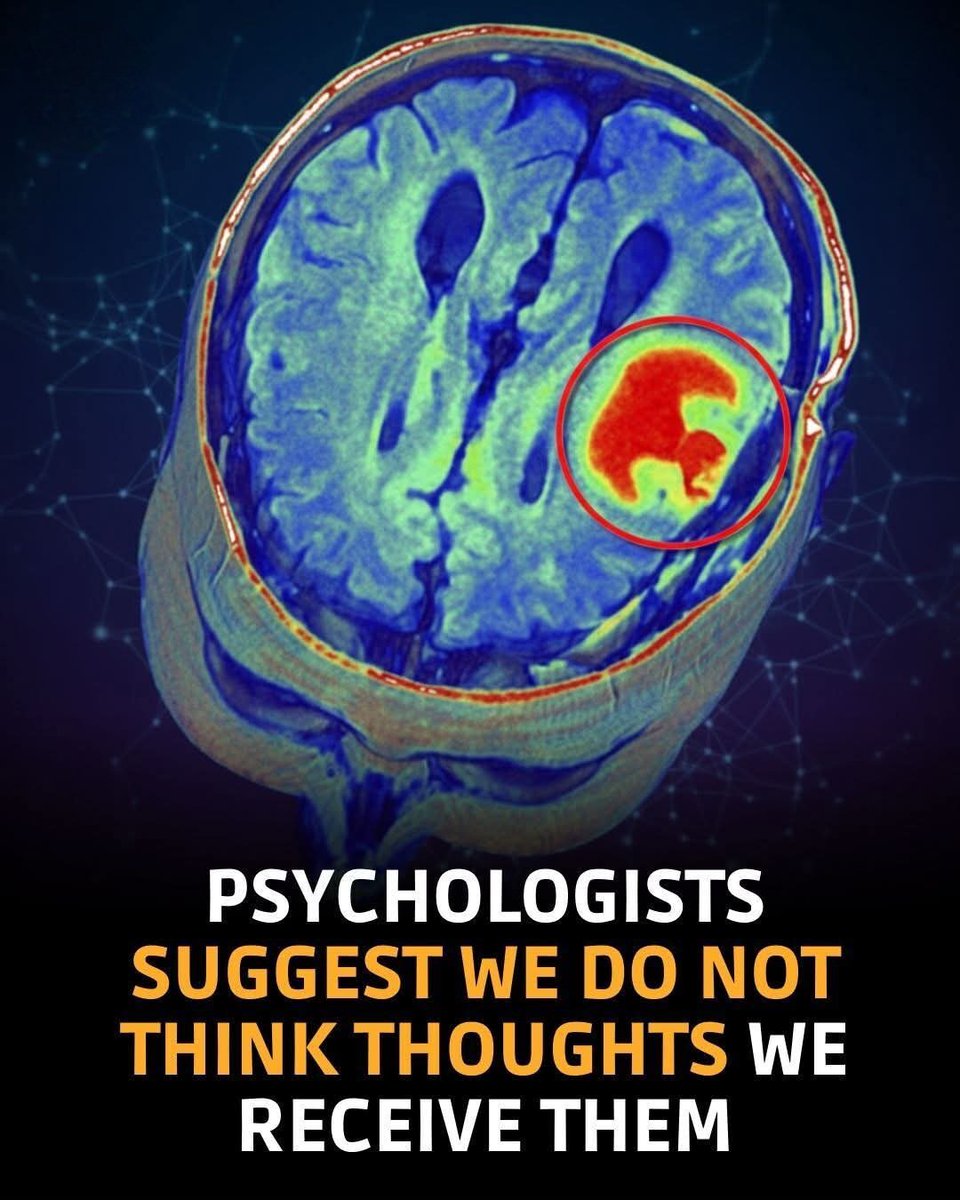
🧠 Mind as receiver, not creator.
Psychologists are exploring a fascinating idea that challenges how we understand the human mind. Thoughts may not be something we actively produce. Instead, they may arise, arrive, or surface from deeper subconscious processes beyond conscious control. Rather than being authored moment by moment, thoughts appear automatically, often without warning or intention.
Brain imaging studies show that neural activity linked to a thought begins milliseconds before a person becomes aware of it. This suggests awareness comes after the thought has already formed, not before. Meditation research supports this too, showing how thoughts emerge spontaneously when the mind is quiet, then fade when attention shifts.
This perspective changes how we relate to anxiety, creativity, and self-judgment. If thoughts are received rather than chosen, then observing them without attachment becomes easier. Mental clarity may come not from controlling the mind, but from listening to it with awareness.
The mind may be less like a writer and more like a radio, tuning into signals already in motion.
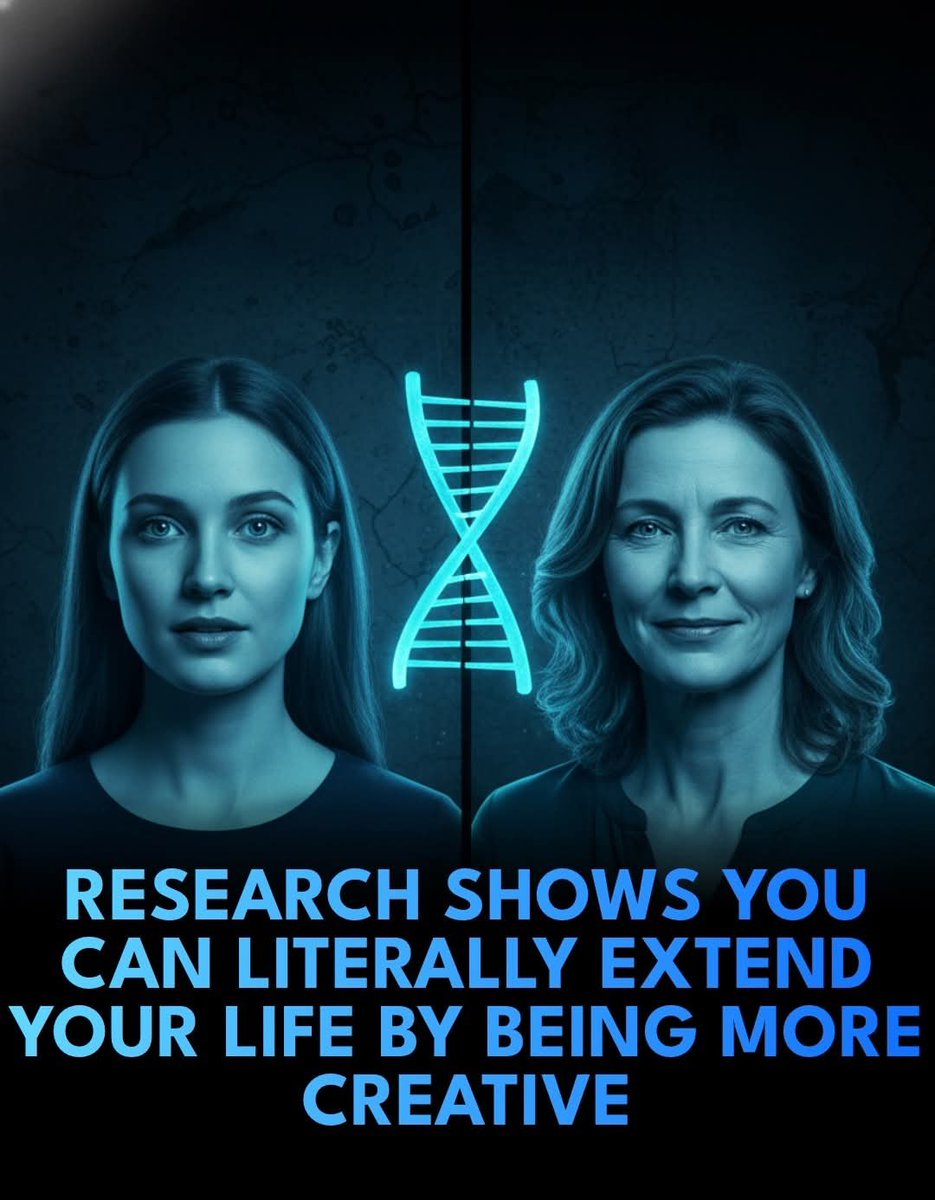
It turns out that creativity can actually prolong your life! ✨ Whether it's painting, writing, or simple crafts, use your brain every day and add more creativity to your life – for health and happiness! 🌈
Research shows creativity boosts happiness, slows ageing, and even lowers disease risk.
Engaging in creative arts is emerging as a powerful, evidence-based strategy for improving both mental and physical health across the lifespan.
Drawing on large cohort studies, Daisy Fancourt shows that people who frequently participate in activities such as music, dance, crafting, theatre, reading, and writing report greater happiness and life satisfaction, and have lower risks of depression, loneliness, antisocial behaviors, and even some physical conditions as they age. Arts engagement in childhood is linked with better prosocial skills and fewer behavioral problems in adolescence, while older adults who maintain hobbies and attend cultural events show better self-rated health, sleep, cognition, balance, less frailty, and even reduced risks of diseases like diabetes. Biological data suggest that regular artistic activity is associated with lower blood pressure, healthier immune and inflammatory profiles, lower body mass index, slower biological ageing, and brains that appear younger than a person’s chronological age.
Fancourt argues that the arts should be treated as a core “health behavior,” similar to exercise, nutrition, and sleep, rather than as a luxury or something reserved for illness. She recommends approaching creativity like a healthy diet: build small, regular “doses” of real-world, offline arts into daily life—such as 10 minutes of writing before work, a brief crafting session in the evening, or swapping a routine night out or workout for live music or a dance class. Variety and moderate novelty are key, as different creative experiences stimulate distinct sensory and psychological benefits, while heavily screen-based artistic consumption is likened to “ultra-processed foods.”
Reference:
Fancourt, D. (2025, December 23). How to extend and improve your life by getting more creative. New Scientist.
Weight loss in middle age requires a more scientific approach, and it's important to protect both your body and your brain. Let's encourage each other!
A study from Ben-Gurion University of the Negev found that weight loss during midlife can briefly increase inflammation in specific regions of the brain. These areas are responsible for regulating appetite, metabolism, and energy balance. Researchers observed that this inflammatory response appears temporary, emerging during the early weeks of weight reduction. While inflammation is often viewed negatively, it may reflect the brain adapting to sudden metabolic changes. The findings suggest that weight loss can momentarily influence brain health, highlighting the importance of understanding how the brain responds during major physiological shifts.
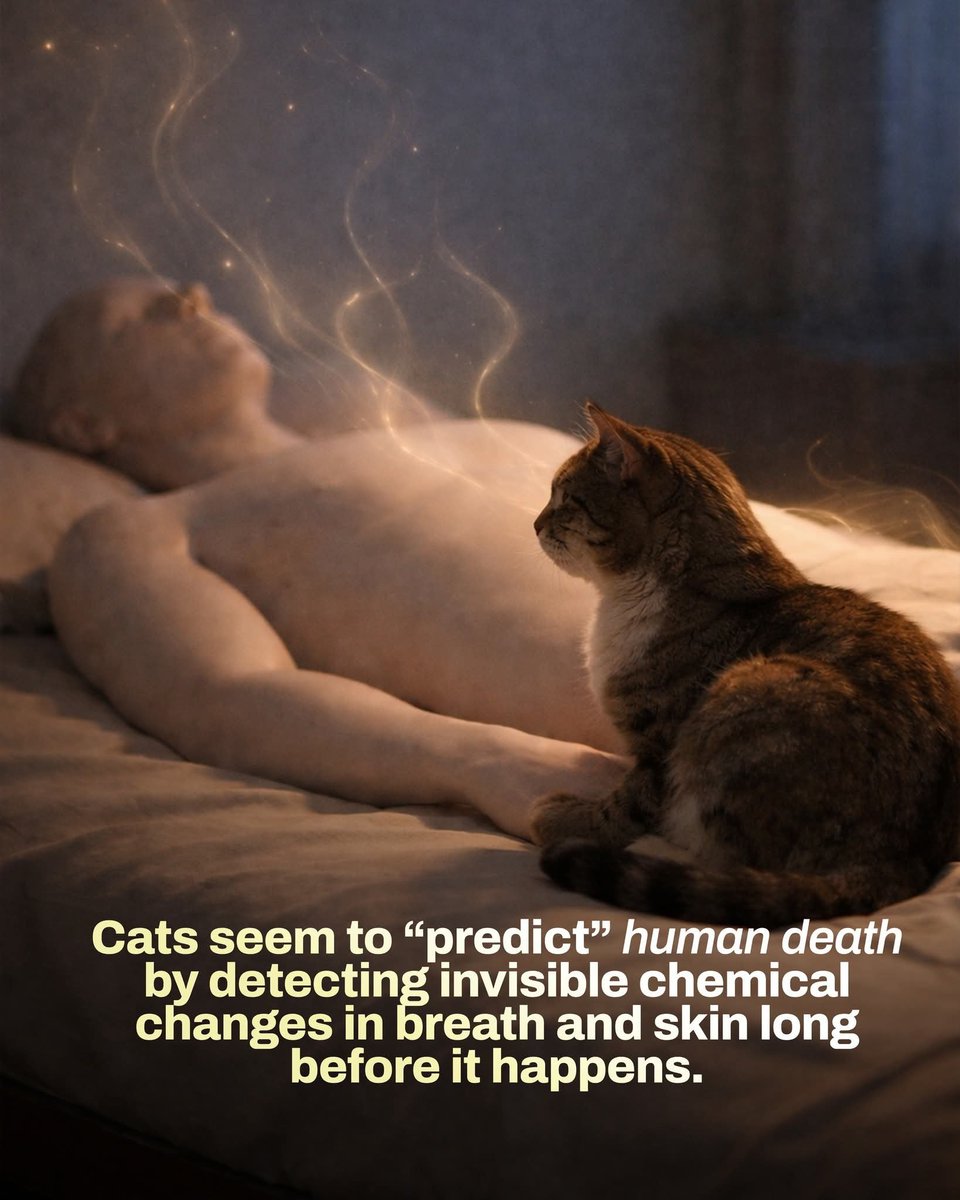
Cats are truly amazing creatures; their keen instincts are awe-inspiring. Perhaps they understand better than us how to cherish every moment of companionship
Cats sometimes appear to anticipate human death because they can sense subtle chemical changes released by the body as vital systems begin to fail. As organs weaken, the skin and breath emit altered odors caused by shifts in metabolism and the buildup of specific compounds. With an olfactory system far more sensitive than a human’s, cats can detect these changes long before they become noticeable to people. This may explain why some cats grow unusually attentive, calm, or withdrawn around individuals nearing the end of life. Rather than a supernatural ability, this behavior is likely a biological response to signals the body unknowingly gives off.
The applications of artificial intelligence in the medical field are exciting! In the future, there may be more and more such innovations to make our lives easier – what an imaginative era we live in!
🚨 Elon Musk: "You take a photograph of your blood work, the page, upload it from your phone to Grok. It will understand what all the data results are and tell you if there's something wrong
I haven't seen it be wrong yet
I think AI could actually be very helpful with medical stuff. AI can look at all the studies, look at all the data, cross-check everything, and give you good recommendations
Even as it is right now, you can upload your X-rays and MRI images to Grok, and it will give you a medical diagnosis. That diagnosis, from what I've seen, is at least as good. I've certainly seen cases where it's actually better than what the doctor told you"
🎗 Gut bacteria isolated from tree frogs have demonstrated a remarkable ability to eliminate cancer tumors in experimental models after just a single dose, revealing an unexpected therapeutic potential within animal microbiomes.
Researchers identified specific microbes, including Ewingella americana, that appear to produce compounds capable of selectively targeting cancer cells while sparing healthy tissue. The results were published in the scientific journal Gut Microbes, where the study details how these bacterial compounds interact with tumor cells at a molecular level.
These findings highlight how evolutionary adaptations in wildlife may offer novel biochemical tools for future cancer treatments. Although the results are highly promising, extensive research is still required to confirm safety, efficacy, and applicability in humans.