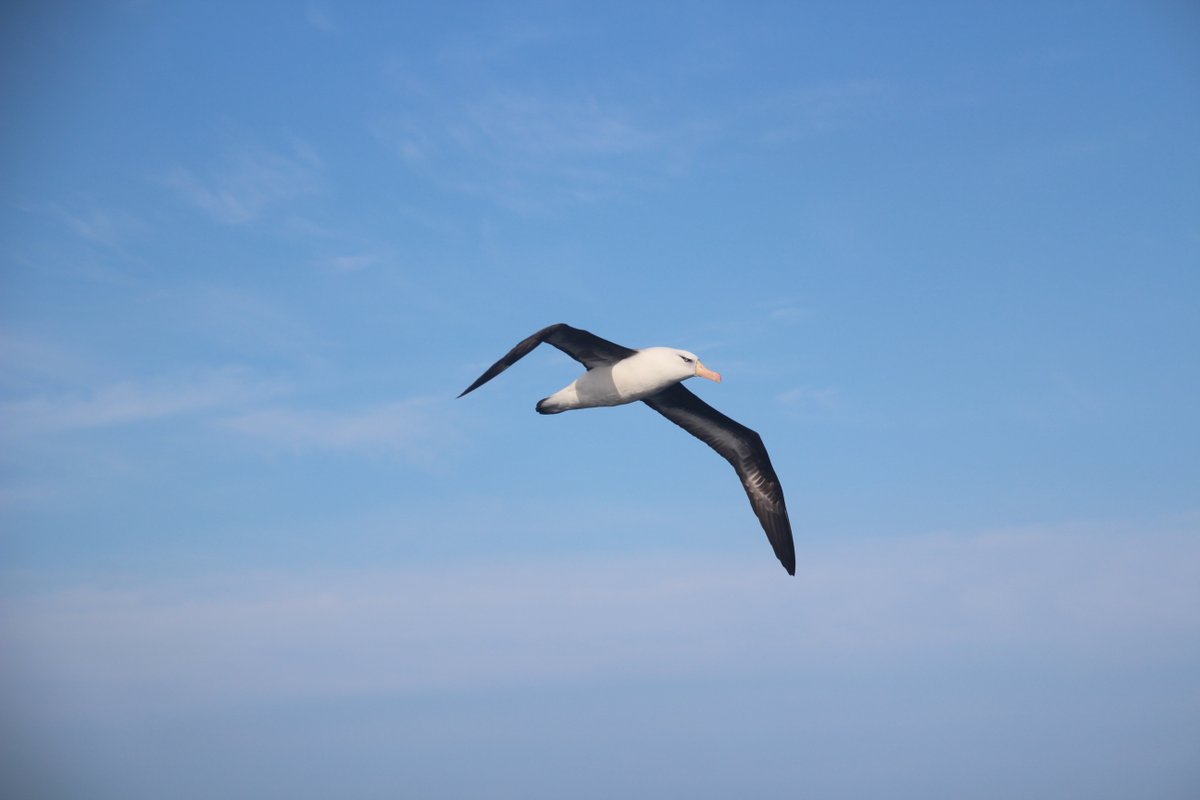
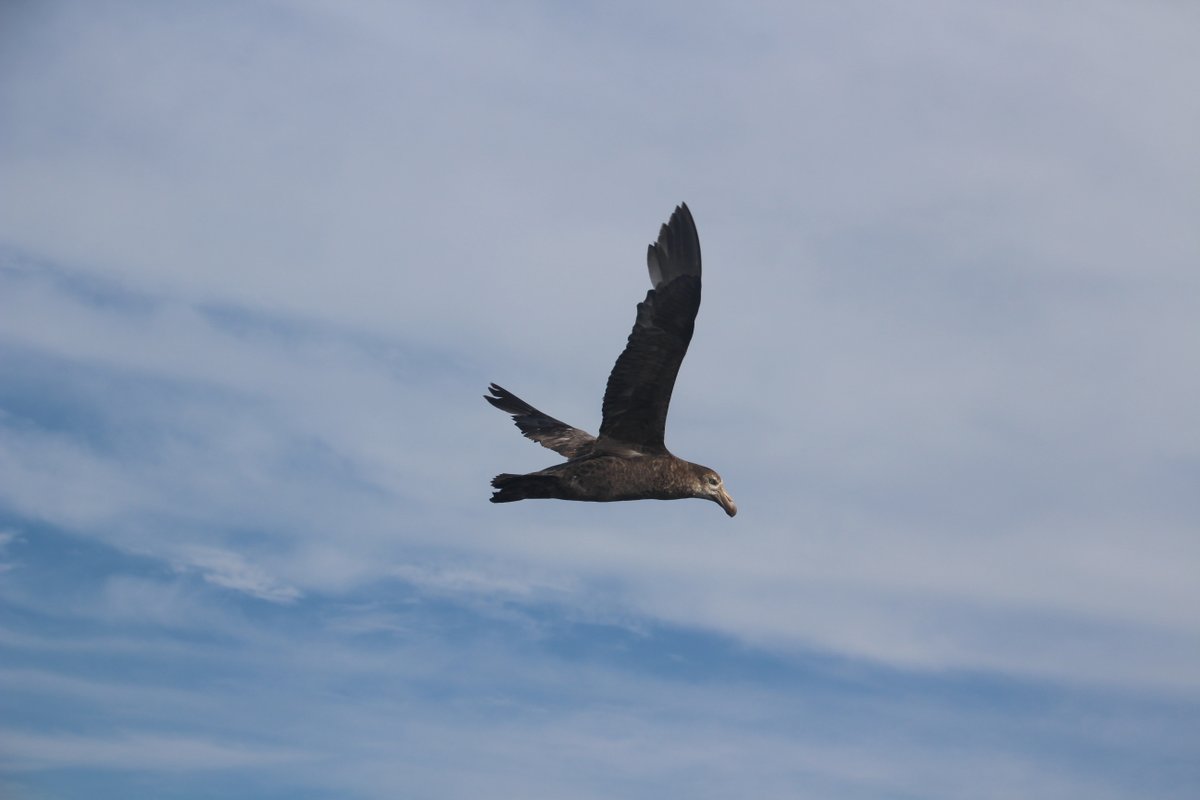
Just started a postdoc with @rohanclarke01 looking at seabird-OWF interactions in the southern hemisphere! Watch this space for updates on how understanding Australasian seabird ecology can reduce uncertainty for OWF impact assessment 😎
New paper alert⚠️
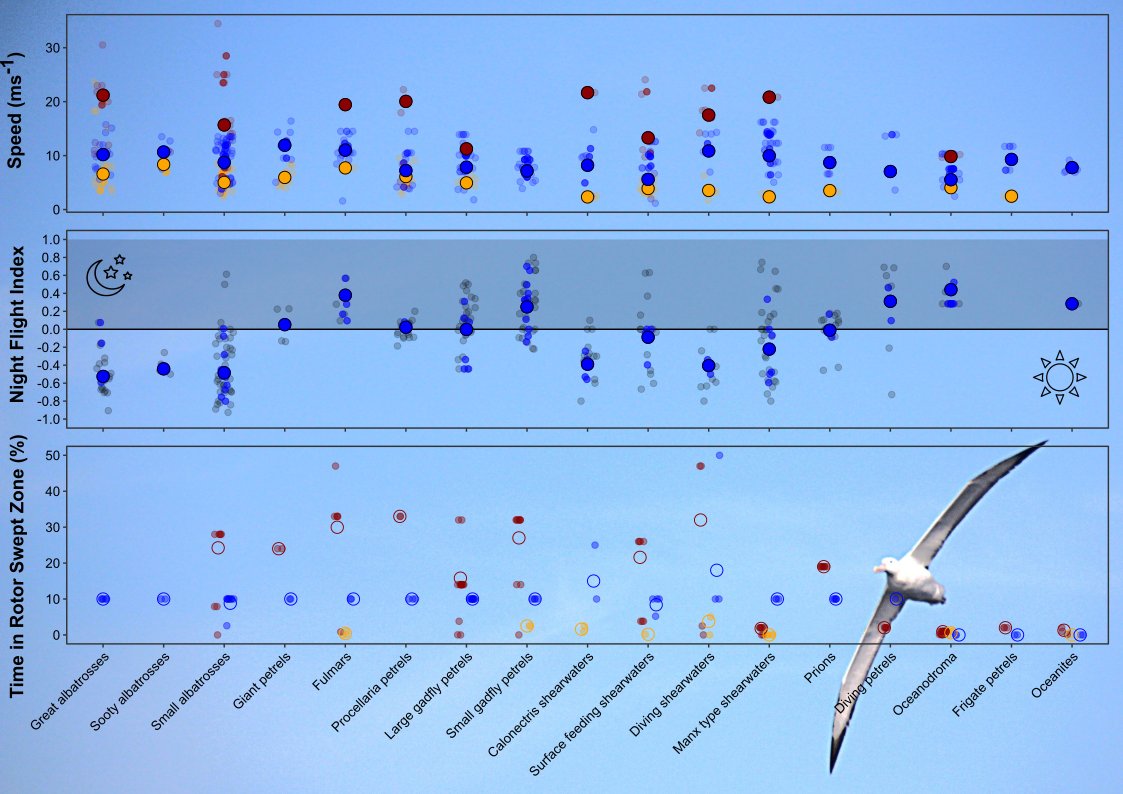
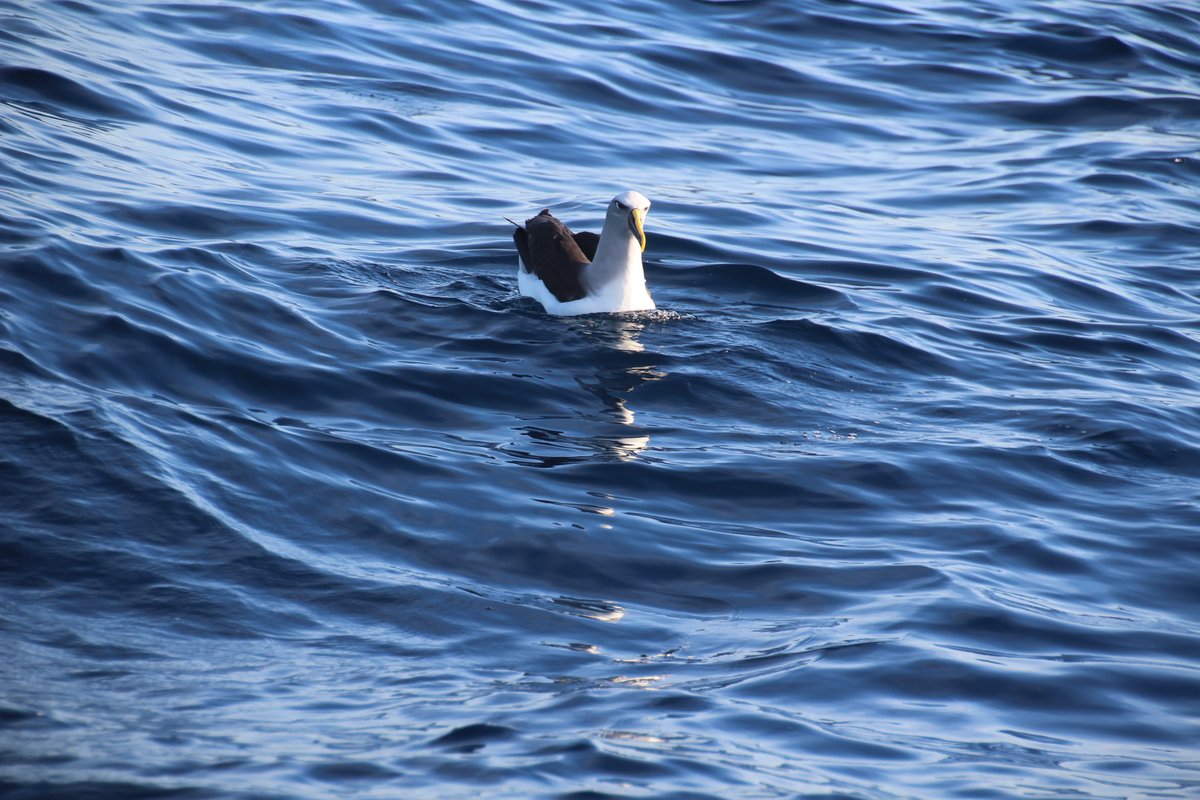
Want to run #offshorewind collision risk models for albatross, petrels, shearwaters and storm-petrels?
Our study, published today in @JAppliedEcology https://t.co/OcPLJL6ghg, has the numbers you need! Spoiler, we found virtually no flight height data!
Takins are native to the high-altitude regions of the Hengduan and Himalaya mountain ranges. All 4 subspecies are found in China.
The #takin prefers to inhabit cold, high-altitude areas above 2,500 meters and migrates vertically with changes in season and temperature.
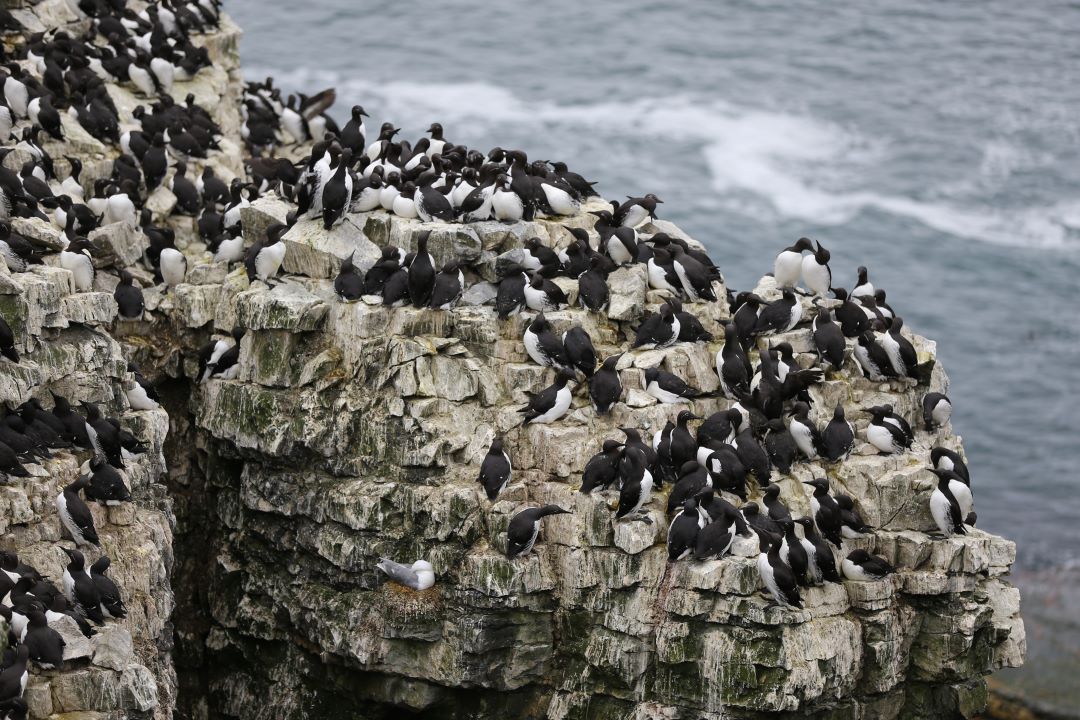
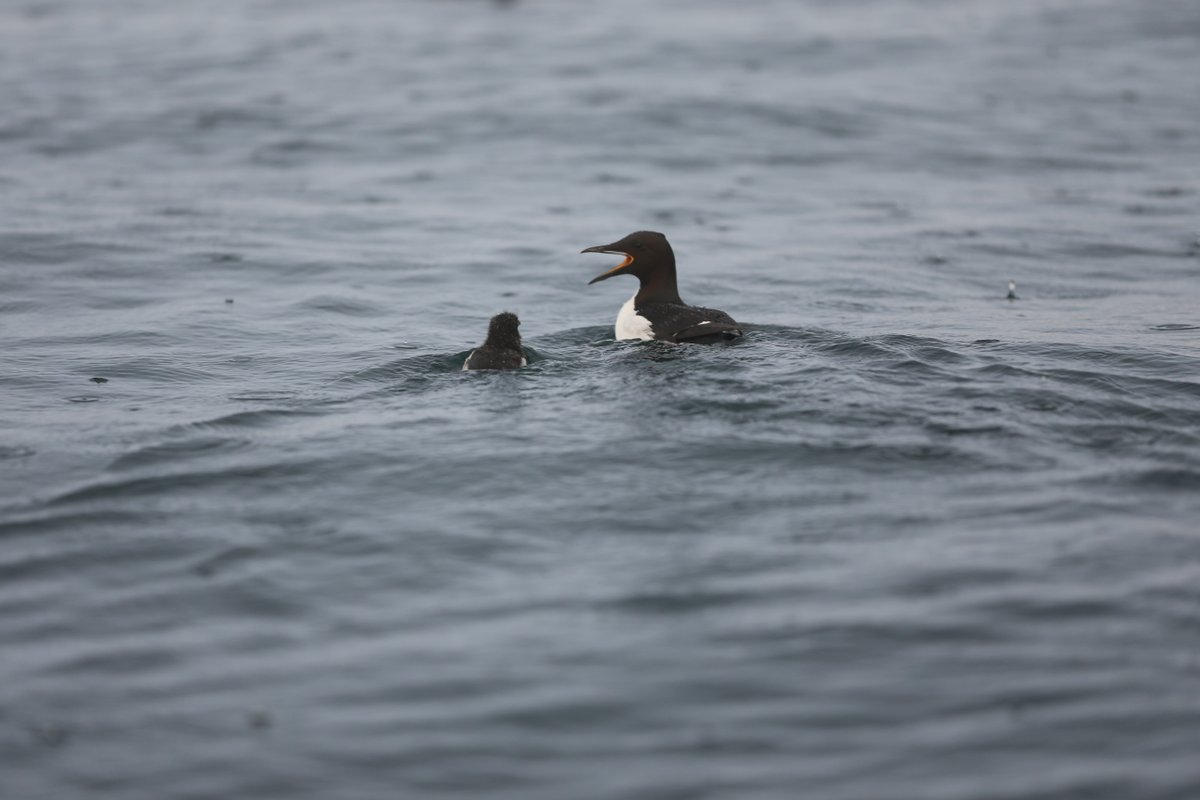
Rare footage of a Guillemot laying an egg, filmed at Sumburgh Head today at long-range by Will Miles. The female Guillemot is tended by her partner throughout the event, and both birds are of the less common 'bridled' plumage form - with a white ring around each eye.
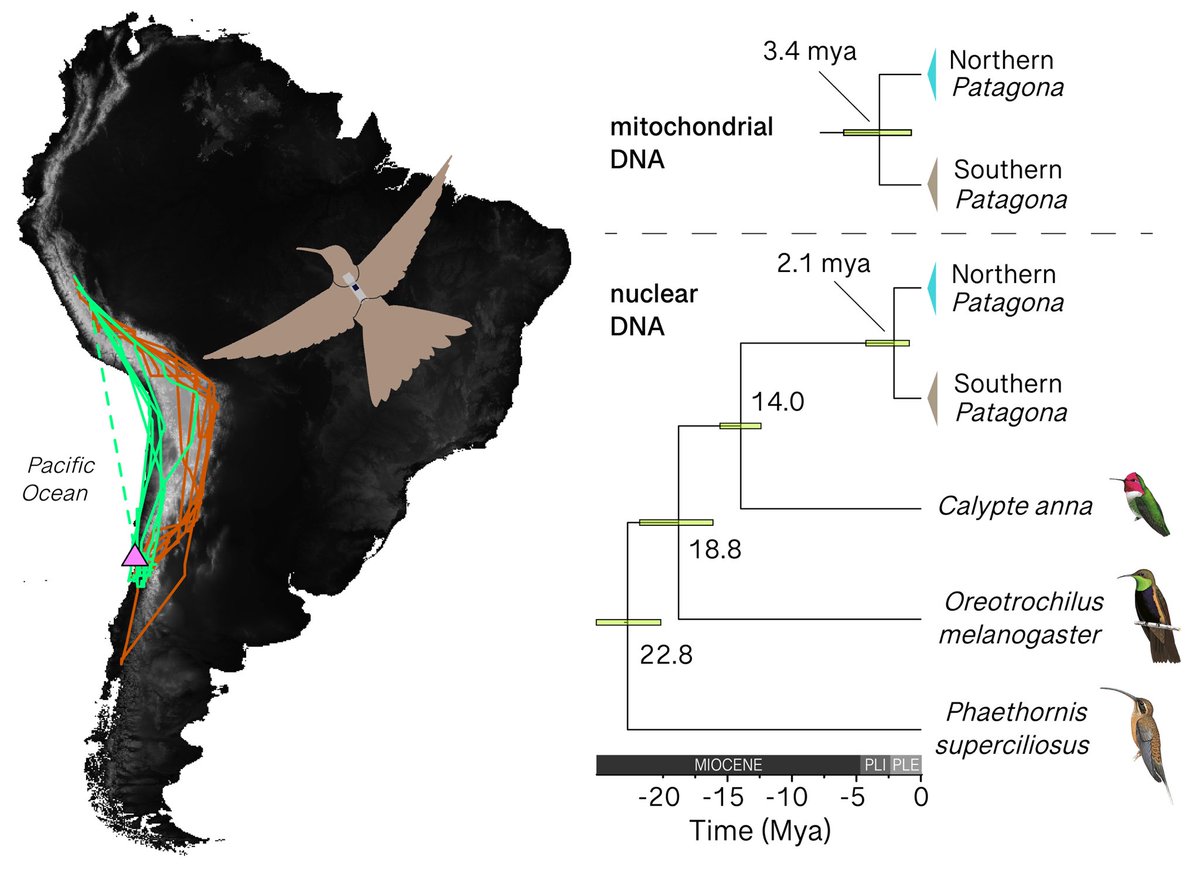
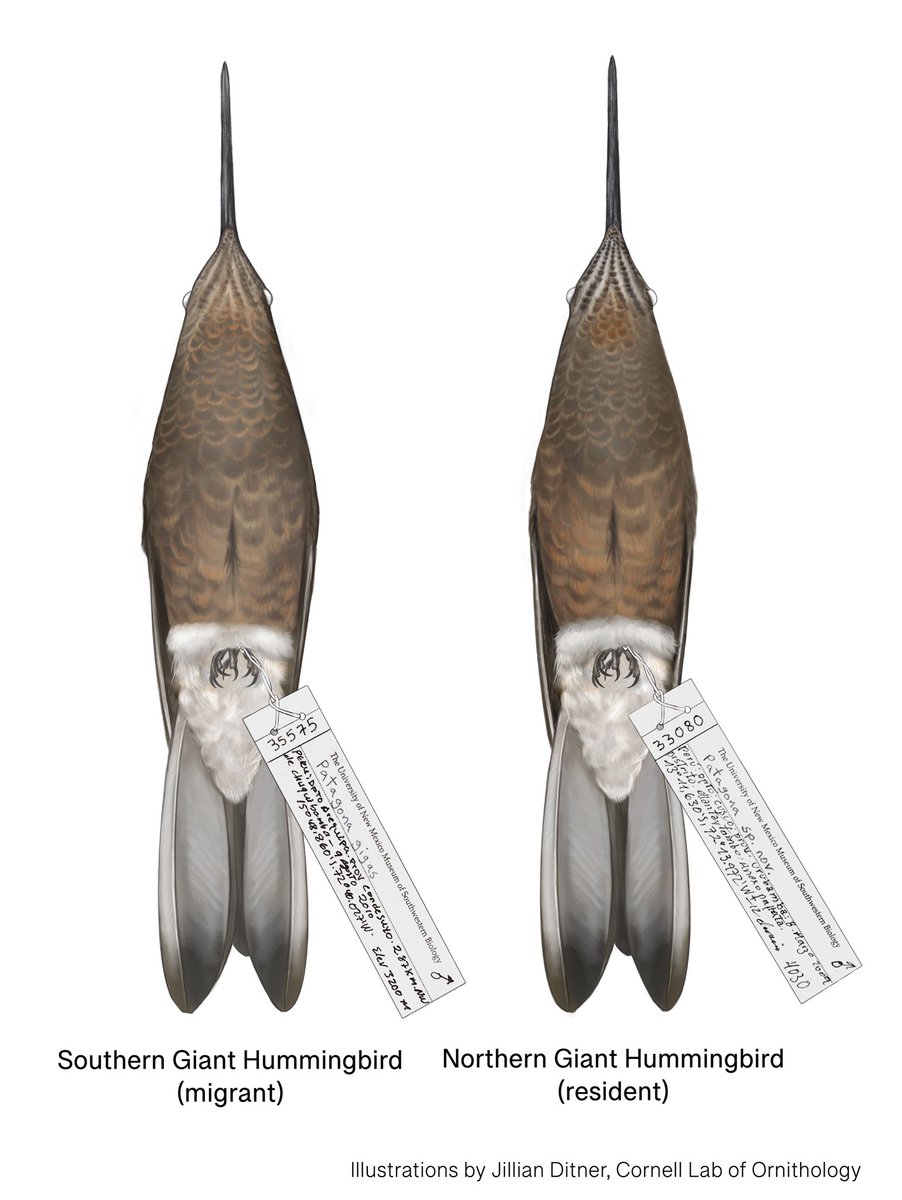
The biggest hummingbird in the world is a new species.
Now out in @PNASNews and 8 years in the making, here's how we figured it out with mini tracking devices, genomics, and a century and a half of museum specimens.👇
https://t.co/rVYRpWvGR3
🧵1/
Final Words ✨
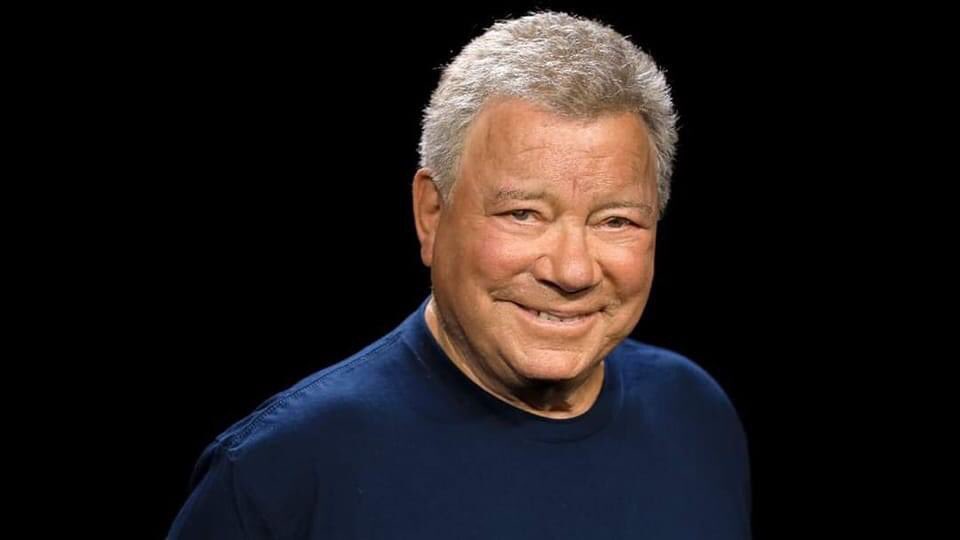
“Last year, I had a life-changing experience at 90 years old. I went to space, after decades of playing an iconic science-fiction character who was exploring the universe. I thought I would experience a deep connection with the immensity around us, a deep call for endless exploration.
“I was absolutely wrong. The strongest feeling, that dominated everything else by far, was the deepest grief that I had ever experienced.
“I understood, in the clearest possible way, that we were living on a tiny oasis of life, surrounded by an immensity of death. I didn’t see infinite possibilities of worlds to explore, of adventures to have, or living creatures to connect with. I saw the deepest darkness I could have ever imagined, contrasting so starkly with the welcoming warmth of our nurturing home planet.
“This was an immensely powerful awakening for me. It filled me with sadness. I realized that we had spent decades, if not centuries, being obsessed with looking away, with looking outside. I did my share in popularizing the idea that space was the final frontier. But I had to get to space to understand that Earth is and will stay our only home. And that we have been ravaging it, relentlessly, making it uninhabitable.”
— William Shatner, actor
The scale of the fires currently burning across northern Australia is pretty unfathomable.
This animation visualises just the last two months of fire captured by #DEAHotspots - for context, the map covers an area larger than France, Spain and Germany combined...
🔎 IN-DEPTH: Did you miss the recent paper about the elusive and unique swimming migration of youn guillemots?
➡️ Read the fascinating blogpost by Ben Merkel: https://t.co/rLk5Rygfmb
➡️ full paper here: https://t.co/9iQetQIH5W
@NordicOikos#ornithology#seabirds#migration
Using drones to count penguins is one thing. Counting cliff breeding Bounty Island shags is another one. Using 3D models rather than orthomosaics makes all the difference. Take Coronet Island, for example.
Our first paper from last year's expedition -> https://t.co/sTchYMFhxb
White-faced Storm-petrels in Bass Strait eat a lot of krill. Changes in sea surface temperature may alter where and when krill are available, leaving the #petrels vulnerable. #seabirds
Highly Pathogenic Avian Influenza (HPAI) has been confirmed in brown skua populations on Bird Island, South Georgia. These are the first confirmed cases of the disease in the Antarctic region.
A rollicking account from #fieldwork on the Vanuatu #Petrel several years ago. This species was the subject of the recent What the Duck podcast we posted about yesterday.