Every sheep in the UK has to be shorn for its welfare. There is no choice. Yet the heartbreaking reality is that it often costs more to shear a sheep than the fleece is worth.
So tonnes of beautiful British wool are treated as waste, burned, buried or composted, while we fill our wardrobes with synthetic fibres made from oil that shed microplastics into our rivers and seas.
It feels as though somewhere along the way we’ve forgotten the value of the things nature gives us so generously.
British wool is warm, breathable, biodegradable, renewable and grown every single year by animals already grazing our countryside. It deserves to be treasured, not thrown away.
Perhaps the answer isn’t to produce more. Perhaps it’s to remember what we’ve always had, and start valuing natural materials, skilled craftsmanship and the people who produce them once again.
£101.09. 1 Hour. No Seat. 8 Months Pregnant
£101.09 for a 1 hour 3 minute journey into London Paddington with @GWRHelp.
Only 4/5 carriages available during peak time, leaving passengers crammed in like sardines.
I’m 8 months pregnant and spent the journey standing alongside dozens of other commuters because there simply weren’t enough seats. To make matters worse, I was standing directly in front of a British Transport Police officer who never once looked up to notice I was heavily pregnant or offer any assistance. Where is the care?
How can Great Western Railway possibly justify charging £101.09 for a service where passengers are forced to stand for over an hour, despite paying some of the highest rail fares in Europe?
This isn’t a one-off either. Around 50% of my journeys are disrupted by overcrowding, signal failures, trains being cancelled because staff don’t turn up, or broken trains.
Passengers are paying premium prices for a service that is consistently failing them. We deserve better.
@GWRHelp@nationalrailenq – how do you justify this level of service for these fares?
#GWR #RailFail #PassengerRights #Pregnancy #LondonPaddington #commuterlife
Imagine two countries starting from where we are.
In one, IHT goes up to 50% along with the top rate of income tax, CGT goes up to the same rate and to stop capital flight they impose an exit tax so people are trapped in the UK tax net.
In another, IHT goes down by 10%, CGT for entrepreneurs is put back to 10% and extended up to £10m of relief again.
Which of these two countries would you want to build a business in? Which of them is more likely to flourish from
domestic and international investment? Which of them is attractive to the most exciting, innovative and inspiring of our youth?
If you have to trap people in your country to tax them, you’re probably doing it wrong.
BPPV is the most common cause of vertigo, and one of the most common things I see misdiagnosed. It can be diagnosed and treated in the office - but if you go to the hospital with “dizziness,” you’ll get a CT scan and a prescription for meclizine. Every ER doctor, neurologist and PCP needs to learn the Dix-hallpike and Epley maneuver!
In Germany, select supermarkets have introduced a thoughtful innovation for dog owners: pet parking pads.
These are modern, temperature-controlled and ventilated kennels installed near store entrances, allowing dogs to rest safely and comfortably while their owners shop inside. Developed by companies like DogSpot, the pods are designed to be secure, hygienic, and low-stress for pets. Owners can lock and unlock them conveniently via a smartphone app or a store-issued code.
The system helps prevent common risks such as dogs being tied up outside in bad weather or left in hot cars. The kennels maintain a pleasant climate year-round and feature transparent panels so dogs can see their surroundings, helping to reduce anxiety.
Brad Smith, the first person with ALS to receive a Neuralink brain implant, said something that stopped me cold.
He described feeling completely trapped inside a body that no longer obeyed his sharp, fully intact mind — speech, swallowing, breathing, everything slowly shutting down while he remained 100% aware.
Then Neuralink changed everything overnight.
Suddenly he could control a cursor with his thoughts, type messages, browse the internet, and communicate in real time again — without eye strain or waiting for help. He called it “getting his voice and dignity back.”
The difference between feeling locked in and being back in the driver’s seat of his own life was night and day.
It’s one of the most powerful real-world examples yet of what this technology can actually do for people whose minds are sharp but whose bodies have been disconnected.
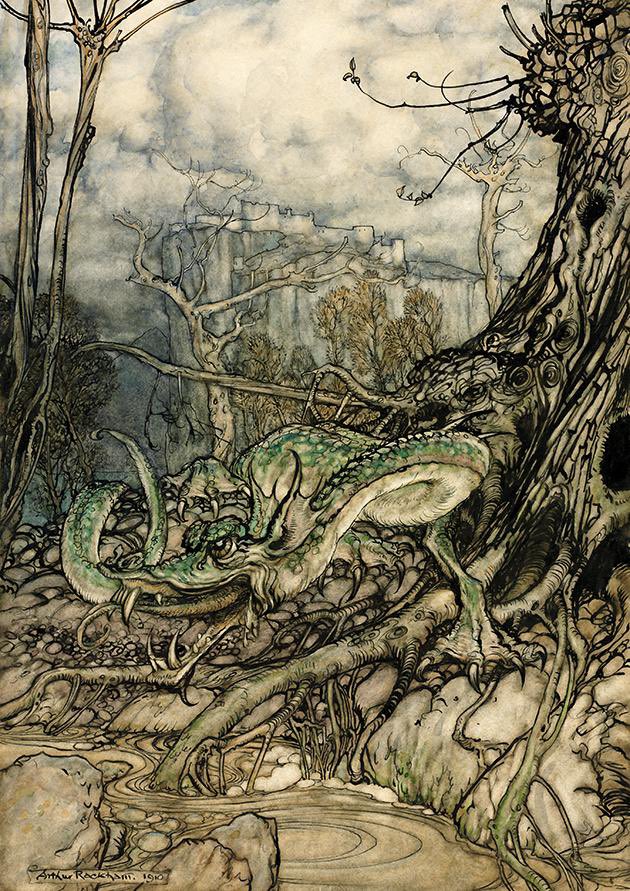
It baffles me why publishers don’t hire any of the scores of talented artists, instead of settling for rubbish. My son told me last night that this is his favourite picture in his story book. It’s by Arthur Rackham
@Interflora you delivered flowers to the wrong address for my mother's birthday today! DPD just left them on the wrong doorstep. Online chat isn't working. Emailed but automated response says it could take 5 days to reply. They need to be collected ASAP and redelivered!
In 2011, Japanese telecom company Docomo created one of the most beautiful adverts we've ever seen.
A giant xylophone in Kyushu playing Bach's "Jesu, Joy of Man's Desiring" with a wooden ball rolling down its keys.
The "Celtic curse"—a hereditary genetic disorder known as hemochromatosis—causes the body to absorb excessive iron from food, leading to dangerous buildup in organs like the liver, heart, and joints over decades. Untreated, it raises risks of liver disease, cirrhosis, arthritis, diabetes, heart problems, and even liver cancer.
The condition stems primarily from a variant in the HFE gene called C282Y. Individuals who inherit two copies (homozygous) face the highest risk of iron overload, though symptoms often appear late and can be subtle at first (fatigue, joint pain, etc.).
A groundbreaking 2026 study has, for the first time, mapped the prevalence of this high-risk C282Y variant across 29 regions of the British Isles and Ireland, using genetic data from over 400,000 participants in the UK Biobank and Viking Genes projects.
The results confirm striking geographic hotspots, strongest in areas tied to Celtic ancestry:
- Northwest Ireland: Highest risk, with about 1 in 54 people carrying the variant.
- Outer Hebrides (Scotland): Close behind at roughly 1 in 62.
- Northern Ireland: Around 1 in 71.
- Mainland Scotland (especially Glasgow and southwest regions): Elevated at about 1 in 117, supporting the "Celtic curse" label.
Risk drops significantly in southern England (around 1 in 212) and other areas.
Because the disorder develops slowly and is often underdiagnosed, many carriers live unaware for years—yet the good news is that it's highly treatable. Regular phlebotomy (blood removal, similar to donation) effectively lowers iron levels and prevents most complications if caught early via a simple blood test or genetic screening.
Researchers urge targeted screening in these high-prevalence zones to catch cases before irreversible damage occurs.
[Kerr, S. M., et al. (2026). The landscape of hereditary haemochromatosis risk and diagnosis across the British Isles and Ireland. Nature Communications, 17, 716. DOI: 10.1038/s41467-025-65511-7]
Musician Norm Oxman composed a song for his late cat, "Sympawny no.4 (Chubby Cat)."
It reflects the image of the cat.
A composer's musical portrait honoring deceased pets worldwide.
BREASTMILK
She thought she was studying milk.
What she uncovered was a conversation.
In 2008, evolutionary anthropologist Katie Hinde was working in a primate research lab in California, analyzing breast milk from rhesus macaque mothers. She had hundreds of samples and thousands of data points. Everything looked ordinary—until one pattern refused to go away.
Mothers raising sons produced milk richer in fat and protein.
Mothers raising daughters produced a larger volume with different nutrient balances.
It was consistent. Repeatable. And deeply uncomfortable for the scientific consensus.
Colleagues suggested error. Noise. Statistical coincidence.
But Katie trusted the data.
And the data pointed to a radical idea.
Milk is not just nutrition.
It is information.
For decades, biology treated breast milk as simple fuel. Calories in. Growth out. But if milk were only calories, why would it change depending on the sex of the baby?
Katie kept digging.
Across more than 250 mothers and over 700 sampling events, the story grew more complex. Younger, first-time mothers produced milk with fewer calories but significantly higher levels of cortisol—the stress hormone.
The babies who drank it grew faster.
They were also more alert, more cautious, more anxious.
Milk wasn’t just building bodies.
It was shaping behavior.
Then came the discovery that changed everything.
When a baby nurses, microscopic amounts of saliva flow back into the breast. That saliva carries biological signals about the infant’s immune system. If the baby is getting sick, the mother’s body detects it.
Within hours, the milk changes.
White blood cells surge.
Macrophages multiply.
Targeted antibodies appear.
When the baby recovers, the milk returns to baseline.
This was not coincidence.
It was call and response.
A biological dialogue refined over millions of years. Invisible—until someone thought to listen.
As Katie reviewed existing research, she noticed something unsettling. There were twice as many scientific studies on erectile dysfunction as on breast milk composition.
The first food every human consumes.
The substance that shaped our species.
Largely ignored.
So she did something bold.
She launched a blog with a deliberately provocative name: Mammals Suck Milk.
It exploded. Over a million readers in its first year. Parents. Doctors. Scientists. People asking questions research had skipped.
The discoveries kept coming.
Milk changes by time of day.
Foremilk differs from hindmilk.
Human milk contains over 200 oligosaccharides babies can’t digest—because they exist to feed beneficial gut bacteria.
Every mother’s milk is biologically unique.
In 2017, Katie brought this work to a TED stage. In 2020, it reached a global audience through Netflix’s Babies. Today, at Arizona State University’s Comparative Lactation Lab, she continues reshaping how medicine understands infant development, neonatal care, formula design, and public health.
The implications are staggering.
Milk has been evolving for more than 200 million years—longer than dinosaurs walked the Earth. What we once dismissed as simple nourishment is one of the most sophisticated communication systems biology has ever produced.
Katie Hinde didn’t just study milk.
She revealed that nourishment is intelligence.
A living, responsive system shaping who we become before we ever speak.
All because one scientist refused to accept that half the story was “measurement error.”
Sometimes the biggest revolutions begin by listening to what everyone else ignores.
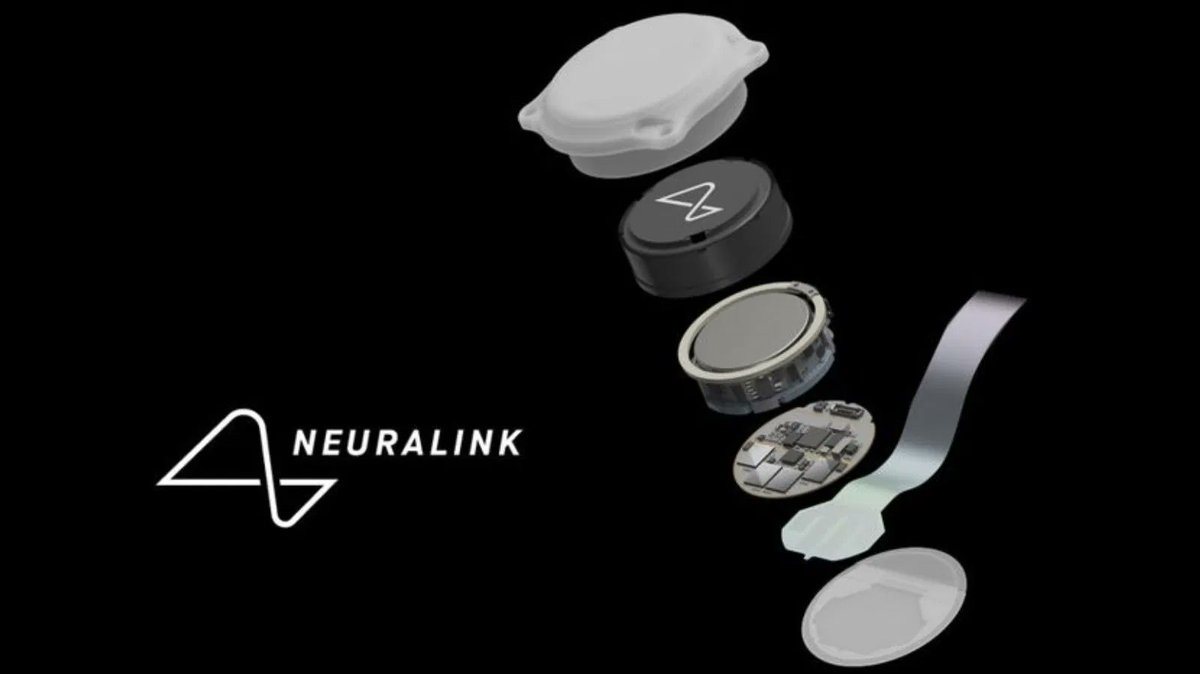
Neuralink is ready to implant its Blindsight vision-restoring device in a human for the first time, pending regulatory approval
• Blindsight bypasses damaged eyes and optic nerves, using a camera to wirelessly send visual data directly to the brain’s visual cortex
• Initial vision will be low-resolution, with the goal of improving quality over time as the technology advances
• Neuralink has expanded its brain-computer interface trials to 21 participants worldwide
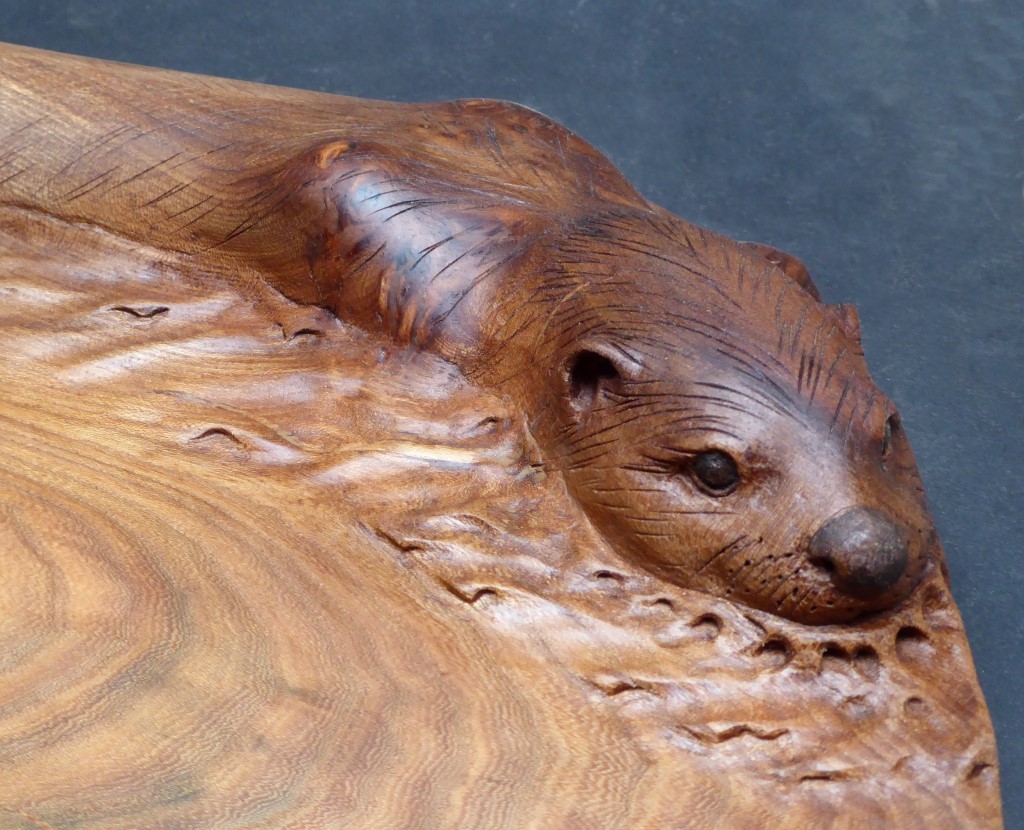
Something wonderful swimming out of the elm.
My father's first otter carving of the new year, smiling on a Saturday!
David Robinson, Scottish Elm, 2026
#handmade#otterman#woodcarving#otters







![Rainmaker1973's tweet photo. The "Celtic curse"—a hereditary genetic disorder known as hemochromatosis—causes the body to absorb excessive iron from food, leading to dangerous buildup in organs like the liver, heart, and joints over decades. Untreated, it raises risks of liver disease, cirrhosis, arthritis, diabetes, heart problems, and even liver cancer.
The condition stems primarily from a variant in the HFE gene called C282Y. Individuals who inherit two copies (homozygous) face the highest risk of iron overload, though symptoms often appear late and can be subtle at first (fatigue, joint pain, etc.).
A groundbreaking 2026 study has, for the first time, mapped the prevalence of this high-risk C282Y variant across 29 regions of the British Isles and Ireland, using genetic data from over 400,000 participants in the UK Biobank and Viking Genes projects.
The results confirm striking geographic hotspots, strongest in areas tied to Celtic ancestry:
- Northwest Ireland: Highest risk, with about 1 in 54 people carrying the variant.
- Outer Hebrides (Scotland): Close behind at roughly 1 in 62.
- Northern Ireland: Around 1 in 71.
- Mainland Scotland (especially Glasgow and southwest regions): Elevated at about 1 in 117, supporting the "Celtic curse" label.
Risk drops significantly in southern England (around 1 in 212) and other areas.
Because the disorder develops slowly and is often underdiagnosed, many carriers live unaware for years—yet the good news is that it's highly treatable. Regular phlebotomy (blood removal, similar to donation) effectively lowers iron levels and prevents most complications if caught early via a simple blood test or genetic screening.
Researchers urge targeted screening in these high-prevalence zones to catch cases before irreversible damage occurs.
[Kerr, S. M., et al. (2026). The landscape of hereditary haemochromatosis risk and diagnosis across the British Isles and Ireland. Nature Communications, 17, 716. DOI: 10.1038/s41467-025-65511-7]](https://pbs.twimg.com/media/HC0oLmJW8AAgmXK.jpg)