LeBron James just earned a new nickname. LeBond. Today reports came out that back in 2018 LeBron Borrowed nearly $300 million though a company he controls. The internet got this wrong right away. It’s nothing to do with debt. It’s a very LeSavy financial move by an athlete. Let’s explain how smart this really was by LeBron.
Here’s how smart this was. LeBron has a lifetime deal with Nike that pays him for decades. But instead of just sitting and waiting to collect that money over the 30 years he just borrowed against the contract. He’s taking $300 million in cash up front through bonds that pay the lenders back until 2049. Guggenheim arranged (we’ll visit that in a moment) and two life insurers bought it because his Nike contract is basically the safest bet a lender will see. So these institutions have no issues handing him a third of a billion against income he hasn’t seen yet.
But what makes this smart? LeBron had raised $300 million by selling pieces of his businesses, he'd have paid a massive capital gains tax and given up ownership of assets that keep climbing in value. A loan skips both. He got the cash immediately, owed no tax on it because loans aren't income, kept every share of everything he owns, and paid the interest with Nike money that was already coming. This is the same maneuver billionaires use when they borrow against their stock instead of selling it, the strategy the ultra-wealthy call "buy, borrow, die." Most athletes don’t get quite to this level. LeBron’s team made a great call here and taught him this at 33.
But for this to actually be pulled off he had to do something no player that I have heard of has done before. His future earnings were packaged into a bond, rated by a credit agency and sold to investors the same way a company raises money. LeBron James the PERSON is the asset that Wall Street could underwrite and insurers could hold in a portfolio. It wasn’t good accounting, it was a person operating as a company. As Jay-Z once said “I’m not a business man, I’m a BUSINESS man.”
This is a place LeBron doesn’t get enough credit for. People know the hoops, the media, the assets in sports teams like Liverpool. But behind it all he has a machine of generating wealth with the people behind him helping him steer the wheel. His NBA contracts are great and all, but every agent signs his players to good deals. The infrastructure LeBron’s team built is savvy. And has to be celebrated.
Now one thing we do have to keep in mind is who arranged the deal which we brought up earlier. And well that’s Guggenheim, they arranged the loan, led by Mark Walter, who later bought the Lakers and is now under a federal investigation into parts of his business. Bloomberg said directly there's no indication the loans to James have anything to do with those inquiries. It's the same small world of sports money overlapping again, nothing more. The real story is that the best player of his era has also been one of the shrewdest businessmen in the game the entire time, and we knew it, but we just didn’t know how sophisticated his money team was.
Thank you to the state of North Carolina for posting their benefits contracts. And again, to @claudeai for the simple summary of this and the next contracts.
Here it is, written for anyone.
The Aetna Contract, Explained
The State Health Plan covers about 740,000 North Carolina teachers, state employees, retirees, and their families. The state pays the medical bills itself — your tax dollars and employee premiums fund it. The state hires an insurance company not to insure anyone, but to run the plan: build the network of doctors and hospitals, negotiate the prices, and process the claims. That hired company is called a third-party administrator, or TPA.
In December 2022, the state took that job away from Blue Cross Blue Shield of NC — which had held it for over 40 years — and gave it to Aetna. Aetna’s contract runs from January 1, 2025 through December 31, 2027, with roughly $3.5 billion a year in medical claims flowing through it.
Here’s the part taxpayers should understand. Aetna gets paid about $91 million a year in fees to run the plan. In exchange, Aetna made promises: how big a discount it would get from hospitals, and how slowly costs would grow. But if Aetna breaks those promises, the fine print says it pays back only pennies on the dollar — roughly 8 to 20 cents penalty, for every dollar the overspending costs the plan — and never more than a cap of about $40 million a year total, no matter how large the overspend.
What’s worse, The fastest-growing costs, like specialty drugs and claims over $250,000, don’t count toward the overpayment penalties.
To make matters worse, Aetna’s parent company is CVS Health, which owns the plan’s pharmacy benefit manager. So one corporation sat on both sides of the plan’s medical and drug spending — including handling appeals when its own sister company denied a claim.
And, Aetna measures its own performance using its own data. Oops.
Did it work out? The state’s answer came this month: officials say switching administrators will save about $1 billion — which is another way of saying the current arrangement was costing that much more than it should. Members also felt the turbulence in 2025, when Duke Health nearly left the network in a payment dispute before a last-minute deal.
But wait. North Carolina seems to know it’s not the perfect deal.
On July 10, 2026, the plan’s board voted to hand the job back to Blue Cross Blue Shield of NC. The new contract starts January 1, 2028 and runs through December 31, 2031, with two optional one-year extensions. Until then, Aetna keeps running the plan through the end of 2027.
What we know: Blue Cross won both jobs this time — medical administrator and pharmacy benefit manager, replacing CVS Caremark. The state expects roughly $12 billion in costs over three years and claims about $1 billion in savings. The state also toughened the process: it canceled the first bidding round in April 2026 because no bid met its minimum requirements, and on the pharmacy side Blue Cross was the only bidder that met them all. Separately, new “preferred provider” deals with UNC Health and Novant Health start in 2027, steering members toward those systems with lower out-of-pocket costs.
What we don’t know yet — because the actual contract documents haven’t been made public: whether the new deal fixed the pennies-on-the-dollar problem, what Blue Cross actually promised on discounts and cost growth, what happens if it breaks those promises, and what the pharmacy pricing terms look like. We also don’t know what it means for one company to now hold the medical contract, the drug contract, and the network design all at once — less conflicted than the CVS arrangement, but a lot of eggs in one basket. Last time, the state posted every contract document publicly about seven weeks after the award. If it does that again, taxpayers will be able to check the fine print for themselves by early fall
The SpaceX IPO will be the watershed moment for Wall Street to open their doors to self-directed, retail investors.
The banks have been trying for years to figure out how to court this cohort of capital and SpaceX gives them the perfect asset to entice individuals to enter their ecosystem.
If the IPO goes well and individuals make money, there will be a bonanza for the banks in the next few years. Retail investors will pour capital into funds, IPOs, and various instruments.
If the IPO does not go well and individuals lose money, the relationship between the institutions and retail investors will be set back.
This is the first date between two groups who historically have been skeptical of each other.
Let’s see what happens.
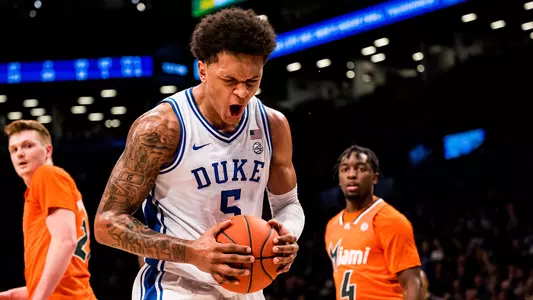
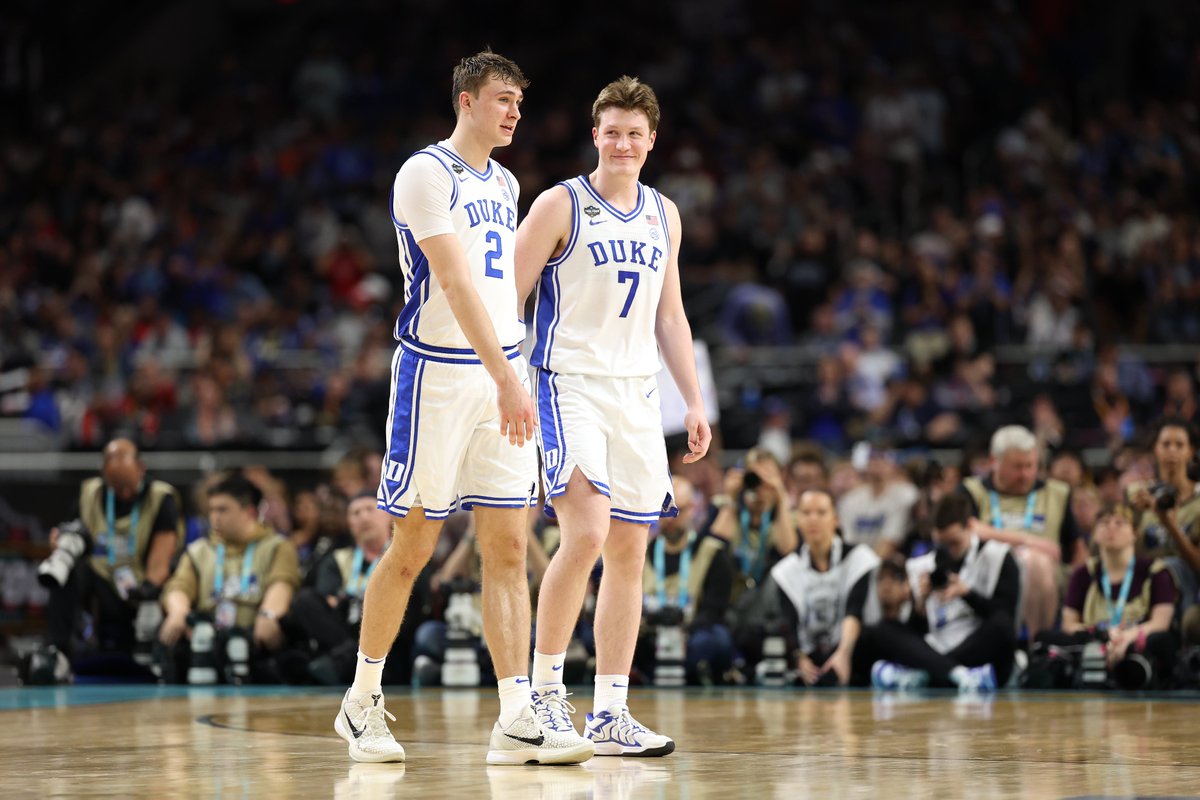
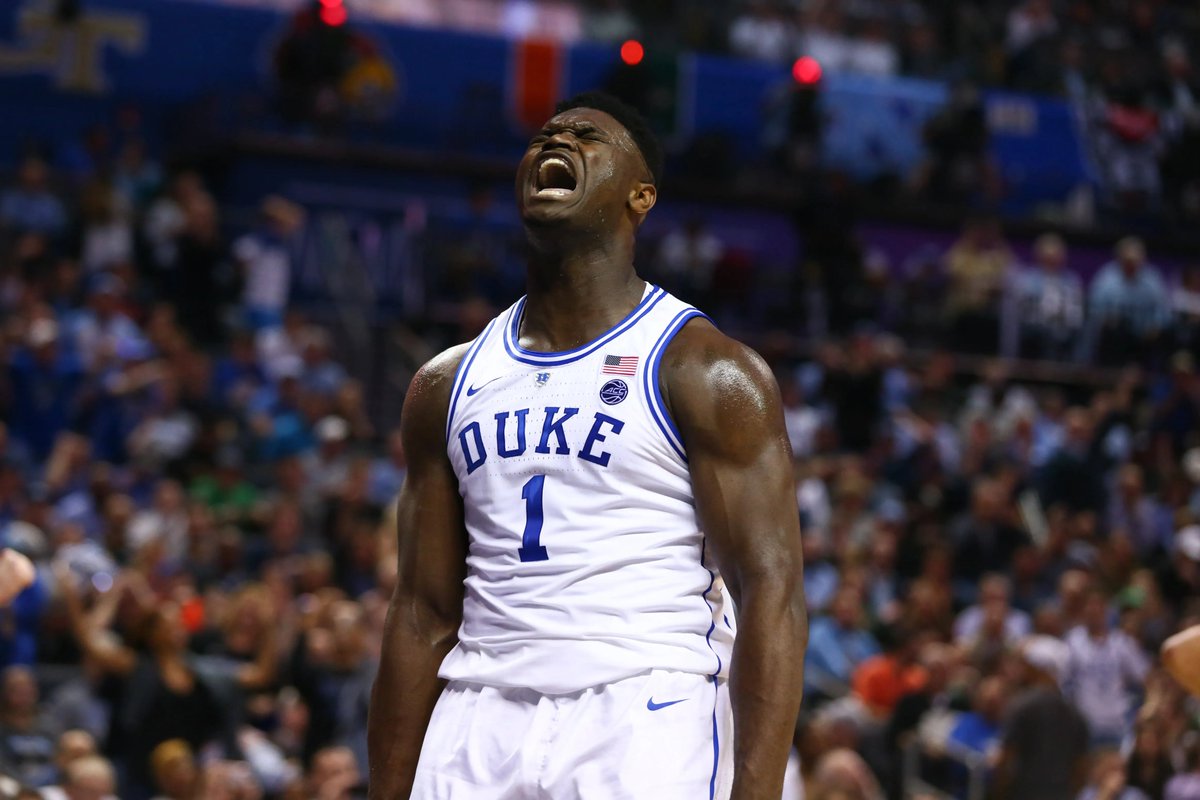
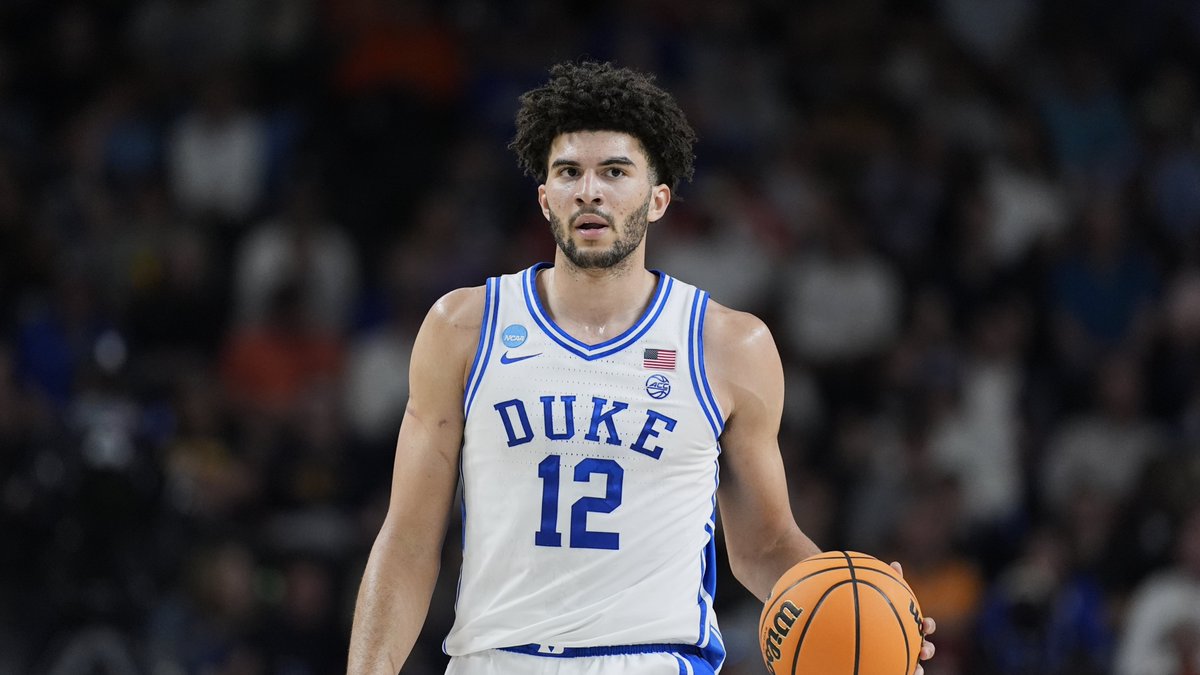
Since 2016 Duke has had:
Jayson Tatum
Zion Williamson
Cooper Flagg
Paolo Banchero
Cam Boozer
RJ Barrett
Cam Reddish
Kon Knueppel
Jared McCain
Derek Lively
Marvin Bagley
Wendell Carter Jr.
Gary Trent Jr.
Luke Kennard
They have 0 National Championships in that time.
Luke Kuechly's first words after he found out he was a Hall of Famer took me out 💀 💀 💀
Julius Peppers: Luke, welcome to the Pro Football Hall of Fame
Luke: Dang, Pep, you're so big, man
The officials flipped 42 yards of field position last night by calling Panthers WR Tetairoa McMillan for OPI. The pool-report explanation from referee Brad Allen defies common sense; McMillan wasn't "blocking" -- he was fending off a jam. https://t.co/cTqISsyb4h
Double Wow!
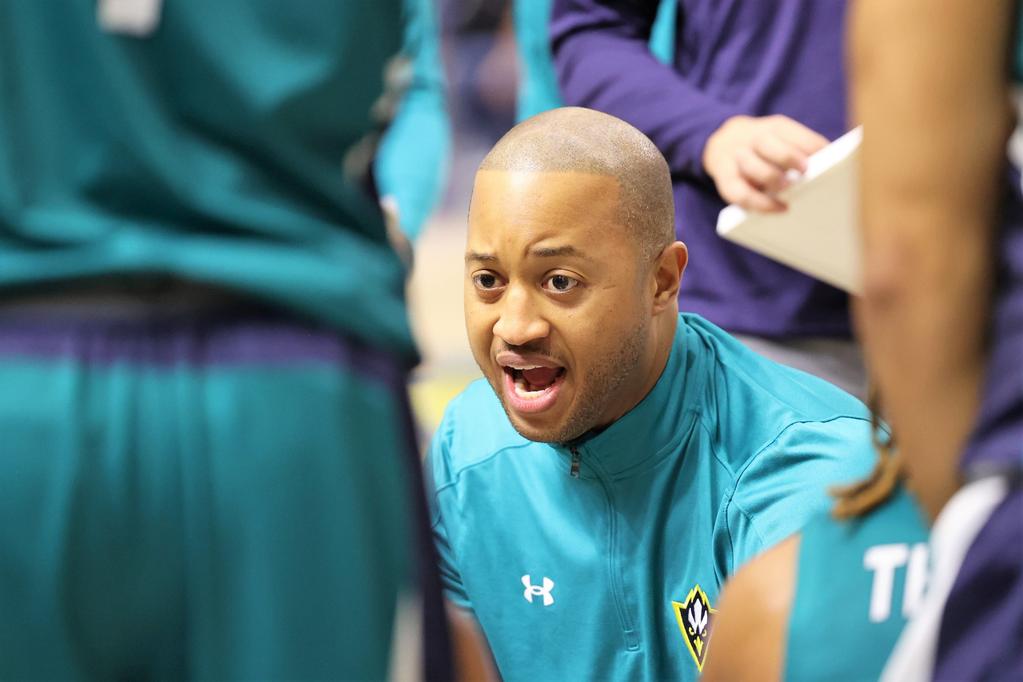
🏀2007: Takayo Siddle (player) helps Gardner-Webb to an 84-68 upset victory over #23 Kentucky at Rupp Arena.
🏀TODAY!: Takayo Siddle (head coach) leads UNCW to an 80-73 upset victory over #12 Kentucky at Rupp Arena!!
UK coach John Calipari played at UNCW (1978-80).
Bryce Young’s expression says it all.
This play call from Frank Reich is utterly spineless. I know Steve Wilks would never dial up something like this in this scenario.