Her studio practice is shaped by more than a decade at the forefront of spatial computing. Described in Dance Magazine as having “one of the most futuristic dance jobs out there,” Bedal developed novel interaction paradigms for radar based gesture systems at Google that moved beyond screen based interaction and advanced the concept of the body as interface for computational systems.
She now leads product design for Physical AI platforms at @PhysicalAI that translate multimodal sensor data into actionable insights.
Moving between studio and lab, Bedal brings choreographic thinking into the architecture of intelligent systems, positioning embodiment as foundational to the next generation of computing.
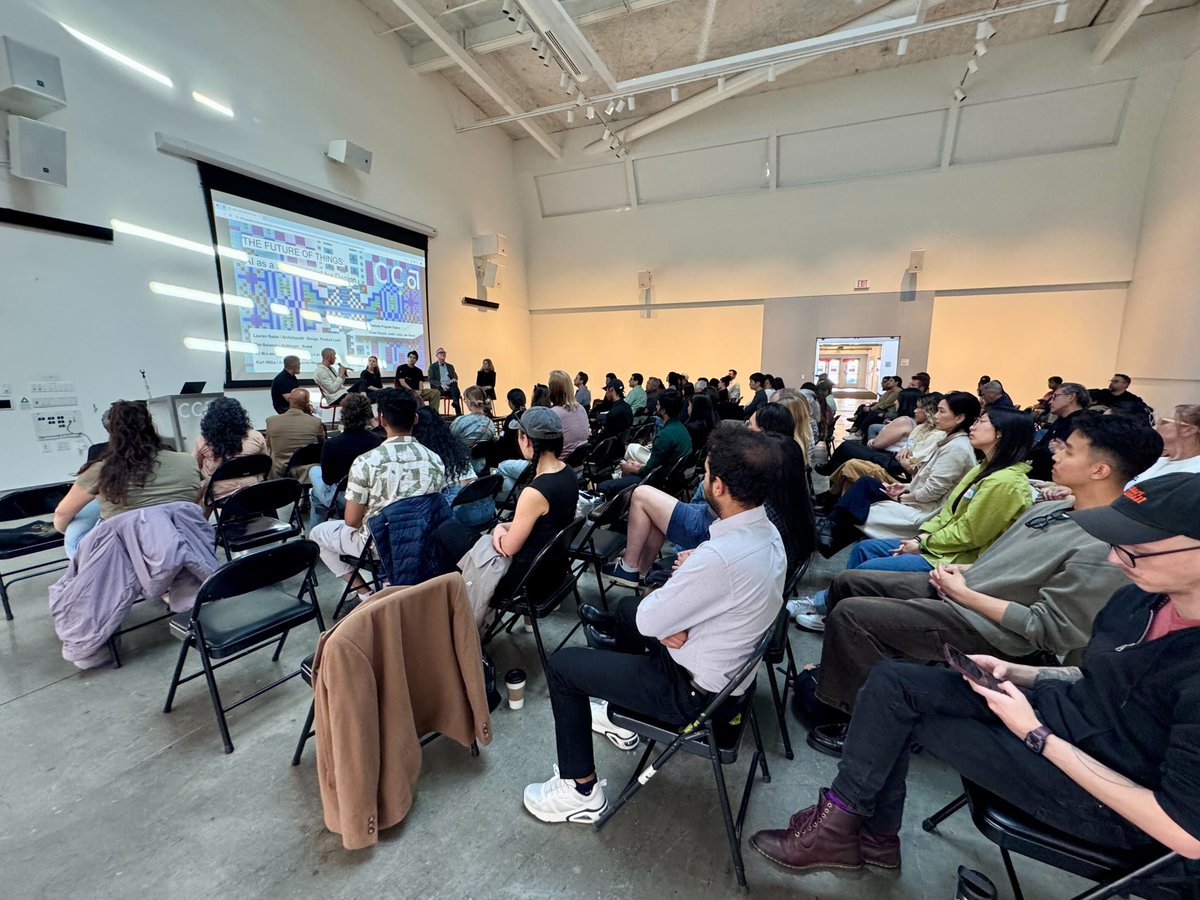
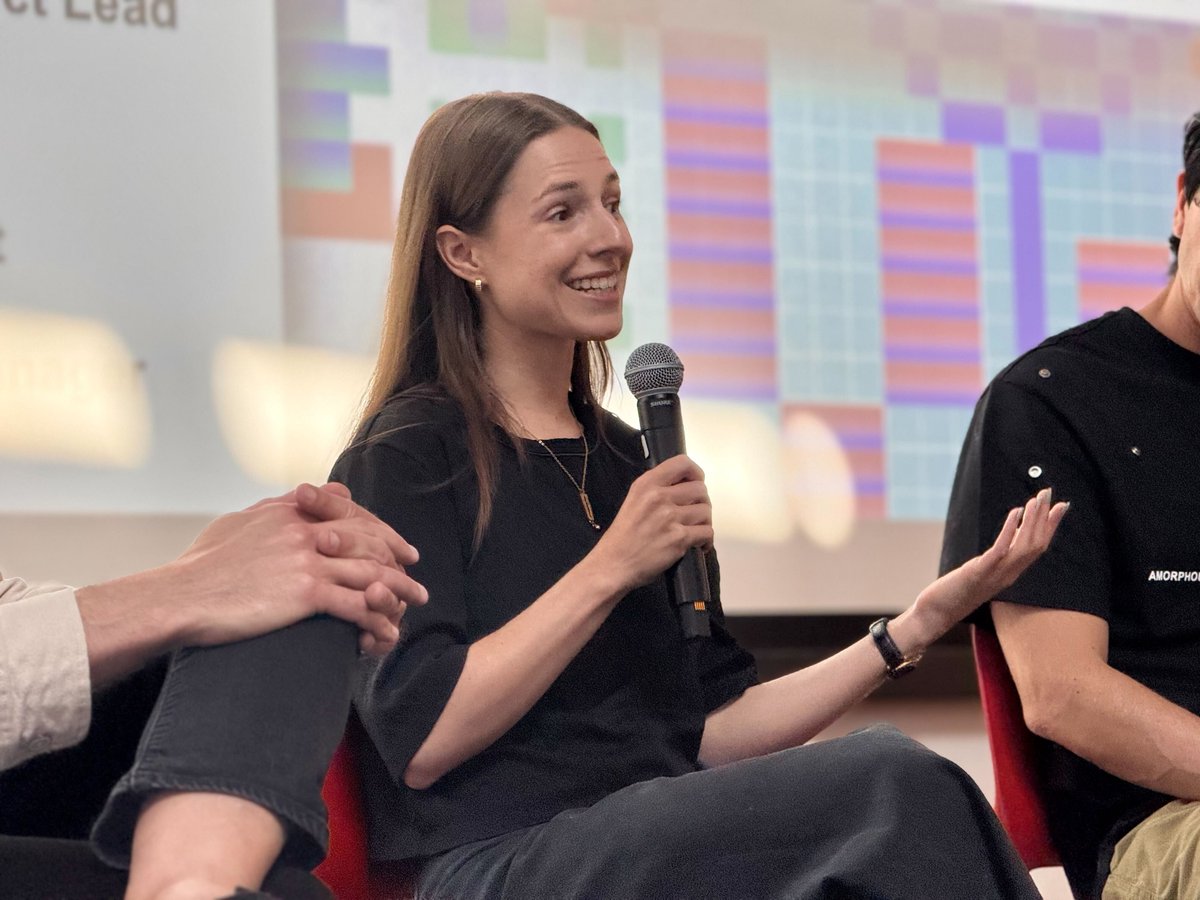
Thanks to @CACollegeofArts for inviting Lauren Bedal, Design Lead at Archetype AI, to join the panel on the future of AI and design.
"Now AI models can understand and generate across text, image, and audio, there is a foundation for new multimodal capabilities. At Archetype AI, we're using radars to understand if a person is approaching or leaving, stretching the capabilities of AI models to look at aspects of human body language or gestures."
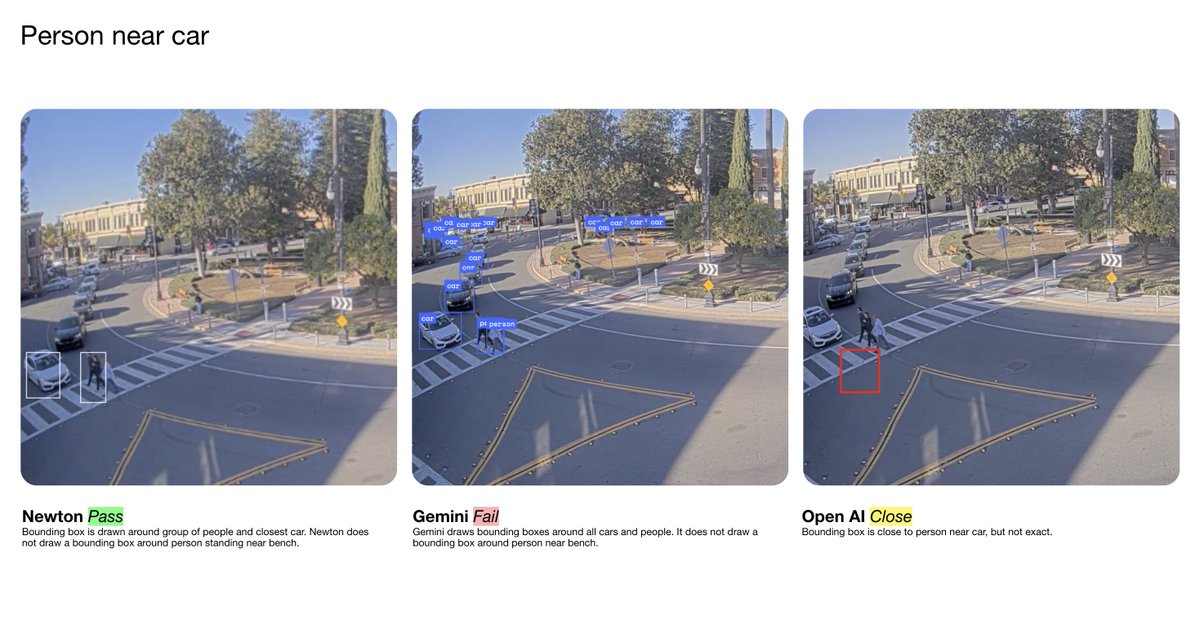
1/ We put Newton, our physical AI model, against @Google and @OpenAI to see how well they can grasp basic spatial concepts. Next up, we will compare them to @deepseek_ai! First things first: do these three models understand proximity, e.g., what "near" means? ✅ Newton passed.
Come see METHOD today! Our gallery is free and open to the public Thur-Sat, 10am to 5pm.
Learn more about this exhibition that centers technology, ecology, and embodiment: https://t.co/dGGaNLf9fQ
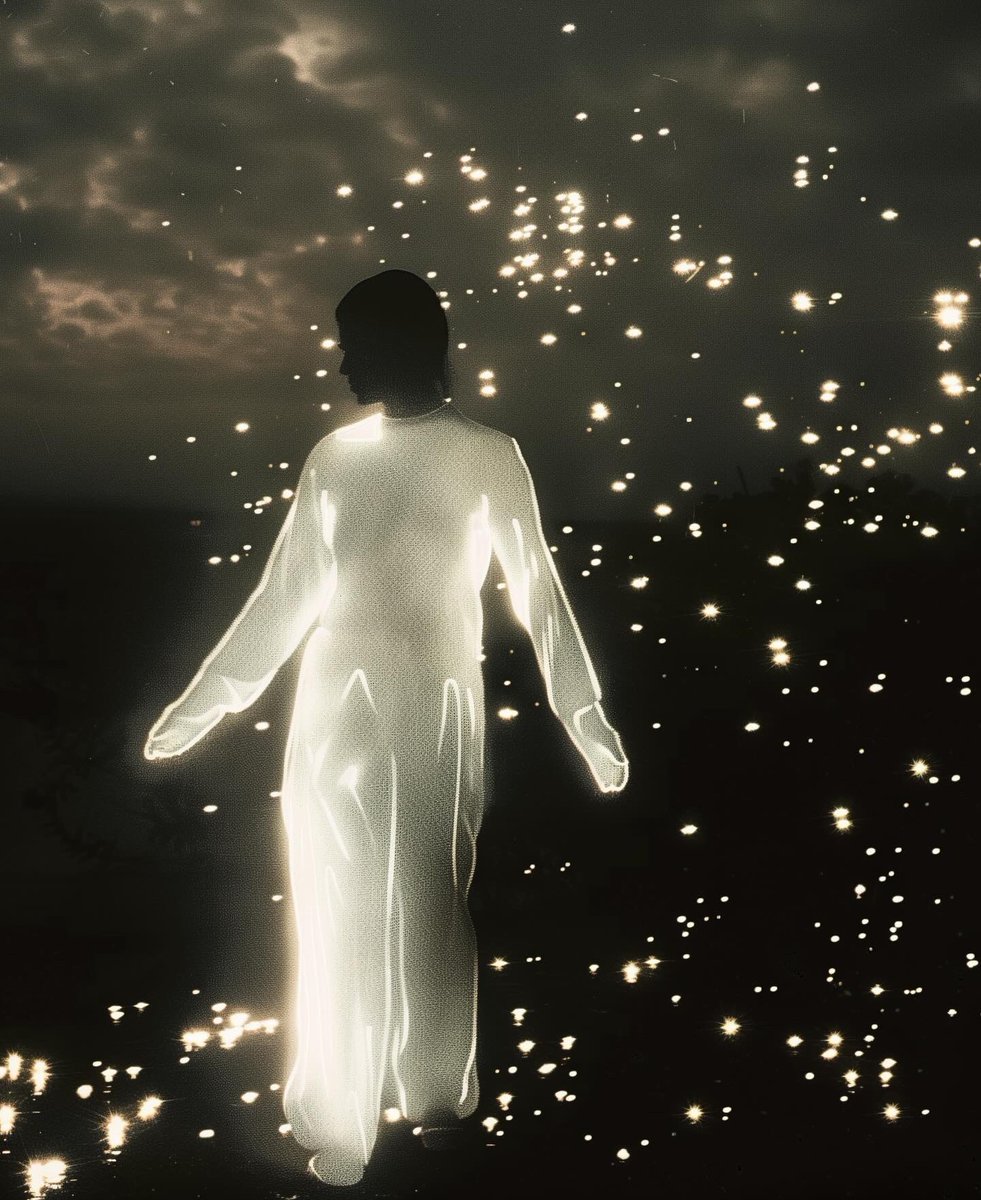
Lauren Bedal @lbedal2 Metallic Angel, 2023. Movement capture, digital filtering.
1/ We are excited to share a milestone in our journey toward developing a physical AI foundation model. In a recent paper by the Archetype AI team, "A Phenomenological AI Foundation Model for Physical Signals," we demonstrate how an AI foundation model can effectively encode and predict physical behaviors it has never encountered before, without being explicitly taught underlying physical principles.
Archetype AI published a new paper demonstrating how an AI model can encode and predict physical behaviours.
Newton, the startup's ‘Large Behavior Model’, can learn complex physics principles directly from raw sensor data, without any human guidance.
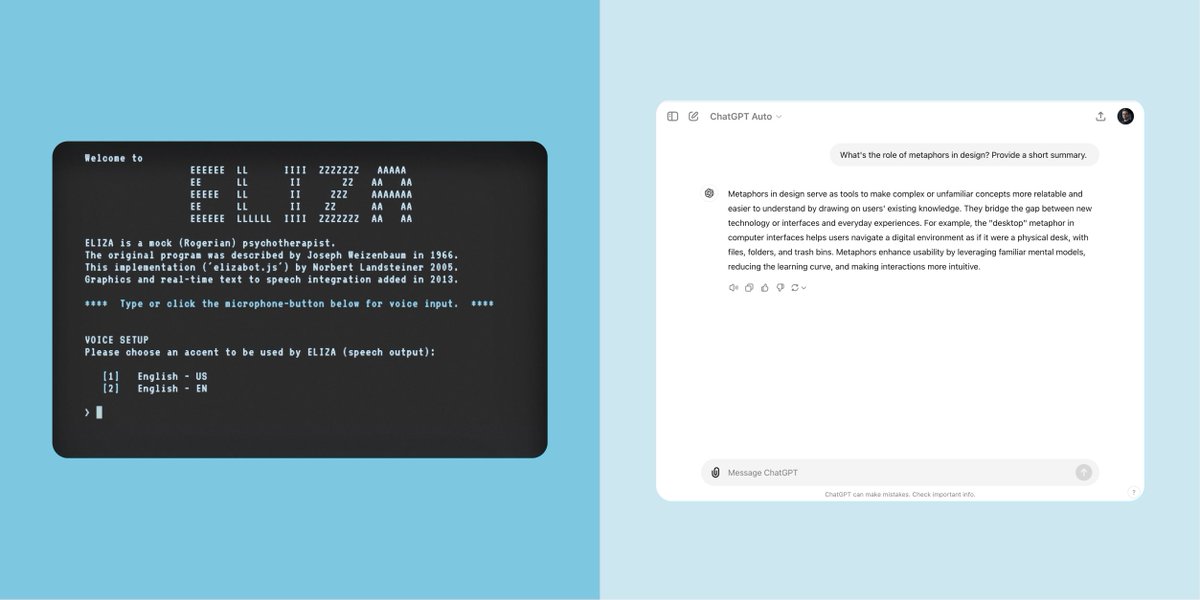
1/ "With AI, we're headed towards the emergence of something that we are all struggling to describe, and yet we cannot control what we don't understand," says @mustafasuleyman. Here is why metaphors for AI interaction matter:🧵
3/ The Fields framework applied to Physical AI enables intelligent devices and environments to respond to both physical proximity and nonverbal communication cues, creating more intuitive AI interfaces that better understand user intent.
1/ Research spotlight: When AI becomes part of our environment, how do we interact with it? In 2022, @PhysicalAI team members @leonardogiusti, @lbedal2, @ipoupyrev co-authored the paper "Fields: Towards Socially Intelligent Spatial Computing." Here are their top insights:
We are experimenting with predicting and recommending future actions by observing user activity. Here, Newton recommends the next steps for making coffee👇. We see many use cases for #PhysicalAI in guided maintenance, work order analysis, and other future predictive applications.
From the latest episode with @ipoupyrev from @PhysicalAI
The idea is simple but revolutionary:
-- using sensor data, similar to how humans observe the physical world through our biological sensors
-- to let machines 'talk' to the physical world.
In the case of packages, this means not just knowing where it is, but what's happening to it in real-time.
I loved sharing streamdiffusion at SXSW!
So cool seeing ppl explore realtime image gen for the first time ~
We co-discovered so many lovely pockets, tons of embodied play while I livetuned parameters
Fascinating how ppl responded to more-humanoid forms vs overall composition
Newton, a so-called large behavior model, integrates diverse data types to understand the physical world and solve complex problems. https://t.co/YvSQeLl1Er
Our vision is to encode the entire physical world using a variety of sensor data, to go beyond text and images to radars, accelerometers, and other sensors. This will allow us to transcend the limitations of human perception and help humanity to make sense of the world around us.