Chasing radar blips across the Solar System 🛰. Former Assistant Professor at University of Trento. Now working on Spaceborne Radar Concepts for Aresys.
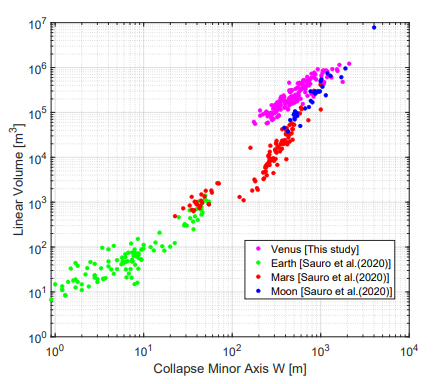
We found that pits on Venus are as large as those on the Moon, and both are very large. Fascinating, for many reasons.
@ThePlanetaryGuy@envisionvenus@RSLabUniTrento
https://t.co/tQQeQ2r3ST
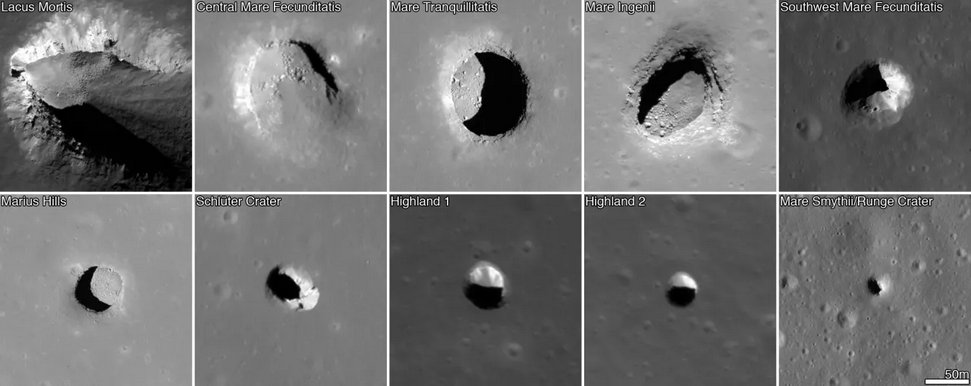
Thank you @AGU_Eos for this article. A big shout-out to Robert Wagner from @ASU for commenting on our results and for his fantastic 2022 paper with Mark Robinson on the morphology of the Mare Tranquillitatis pit, which greatly helped us in interpreting the pit radar data.
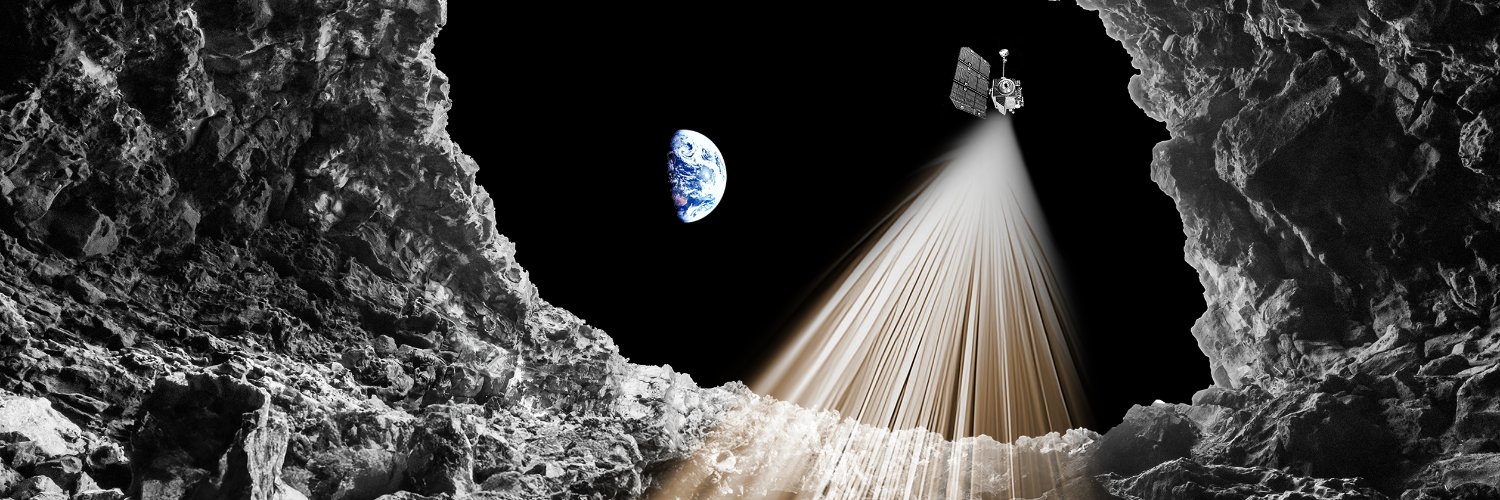
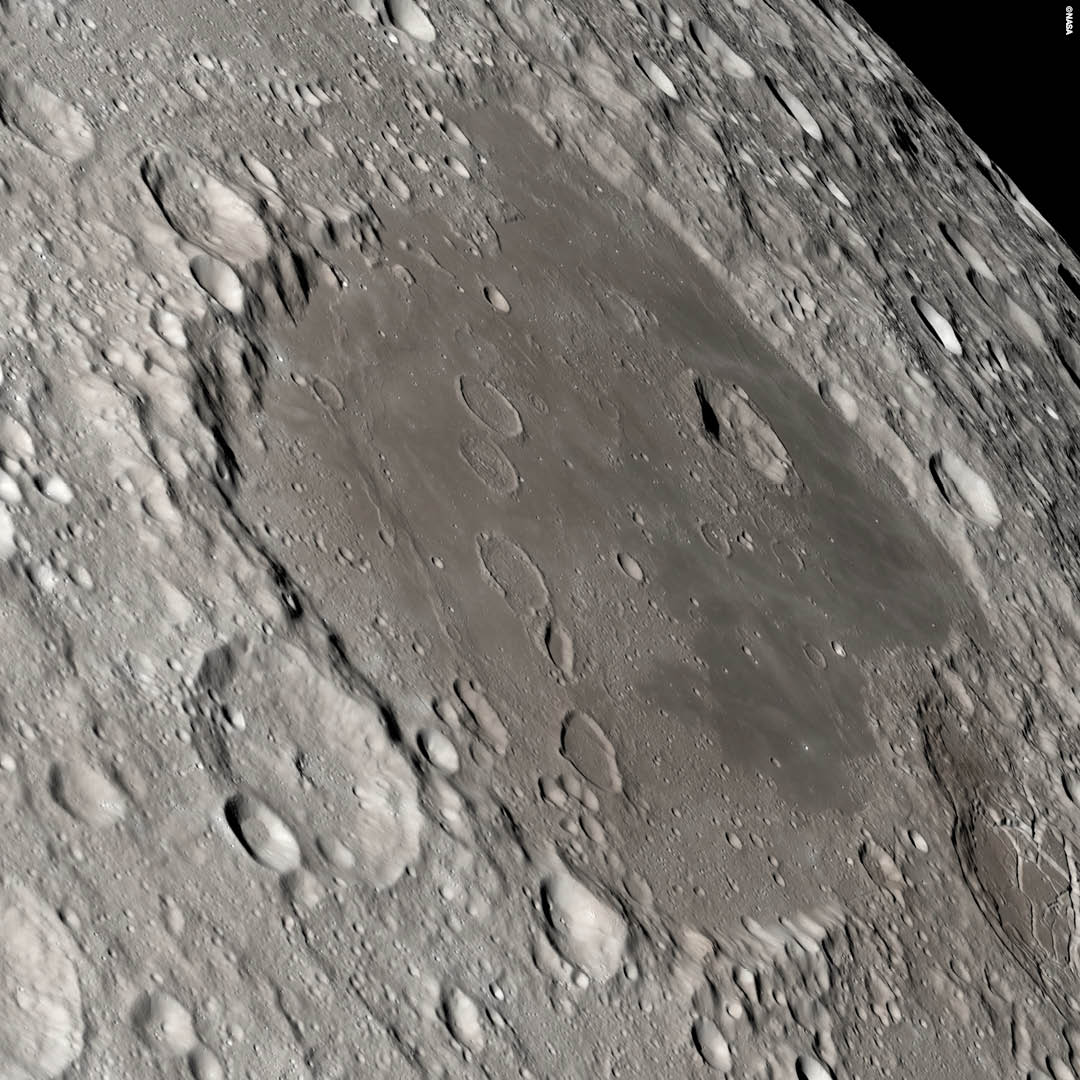
The Sea of Tranquility is home to at least one lunar lava tube, which could preserve a pristine and unweathered record of lunar volcanism.
https://t.co/0qPQFO8Wyp
L. Carrerらによる@NatureAstronomy#論文 Radar evidence of an accessible cave conduit on the Moon below the Mare Tranquillitatis pit: https://t.co/hHTcg0JA4g
【注目のハイライト】#惑星科学:#月 の地下に探索できそうな #洞窟 の通路を発見
https://t.co/mFbQPffNL8
Scientists have suspected for decades that there are subsurface caves on the Moon, just like on Earth.
Now, a team of scientists using data from #NASA’s Lunar Reconnaissance Orbiter has discovered evidence of caves beneath the Moon’s surface.
Learn more>>https://t.co/QCxTjnUEv0
"Crackers?" by Mark Graham
Scientists have spotted caves
In lunar surface pics
Reinforced by radar scans
And other clever tricks
The moon is mainly made of cheese
As children we’re taught this
So as it seems it’s full of holes
It surely must be Swiss
Have you heard the news about caves on the Moon?
Re-analyzed data from our Lunar Reconnaissance Orbiter found evidence for a cave extending hundreds of feet from a lunar pit—and it may not be the only one: https://t.co/jqkhQbXflf
@DJSnM@DJSnM Hi Scott! I am the first author of the study. It took us about 10 years to get to this discovery. It is an interesting story made of failures and successes. But you are right data was there just waiting for this analysis. If you want to chat in detail, I am available.
Dimostrata per la prima volta l’esistenza di un tunnel lunare: team internazionale, sotto la guida @UniTrento, ha pubblicato su Nature Astronomy lo studio di una scoperta che segna una pietra miliare nella conoscenza della Luna
https://t.co/gwuFzVa092