Buona #Befana a tutti , quella di una volta con piazza Navona ...di una volta, per fortuna ancora in quella attuale si trovano ancora le scopette scacciaguai, quelle da appendere sulla porta, bruciando prima quella dell'anno precedente...😎
A beautiful Hellenistic/#Roman-period glass pomegranate, which survives in amazing condition given that it is at least 2000 years old. A very lovely thing indeed! (Photo: Phoenix Ancient Arts)
Fantastic news as my dear friend and colleague, @AllisonEmmerson, is appointed interim Mellon Humanities Prof at @AmAcademyRome…!
https://t.co/JeoNkesflJ
XXL transport containers: Two huge #Roman wooden barrels in an outstanding state of preservation, found in Xanten. Both had a capacity of approx. 1250 l and were used to transport #wine from the Mediterranean region to the Lower Rhine. They were recycled for lining wells.1/2
Did you know that under the basement of the American Academy, there's a secret tunnel that was once part of Trajan's Aqueduct?
More photos on our IG. Photos by #RomePrize Fellow Emily Frank.
#FindsFriday
WOW, c. 9,500 year-old woven baskets from a Spanish bat cave! 🤯
Look like they were made yesterday rather than by hunter-gatherers during the Mesolithic period!
Recent analysis of the esparto grass used to make the baskets shows they’re about 2,000 years older than previously thought.
Discovered in the 19th-century at a burial site inside the Cueva de Los Murciélagos (Cave of Bats), southern Spain. Museo Arqueológico Nacional, Madrid. 📷 2021
Read more: https://t.co/uIlTe4IF3N
#Archaeology
The Academy is reopening for the 2023–24 fellowship year with a lecture in Rome from AAR President Peter N. Miller on Tuesday, September 12. His topic is “National Academy or Research Institute?” Register to watch on Zoom at https://t.co/hOAL5yf2fD.
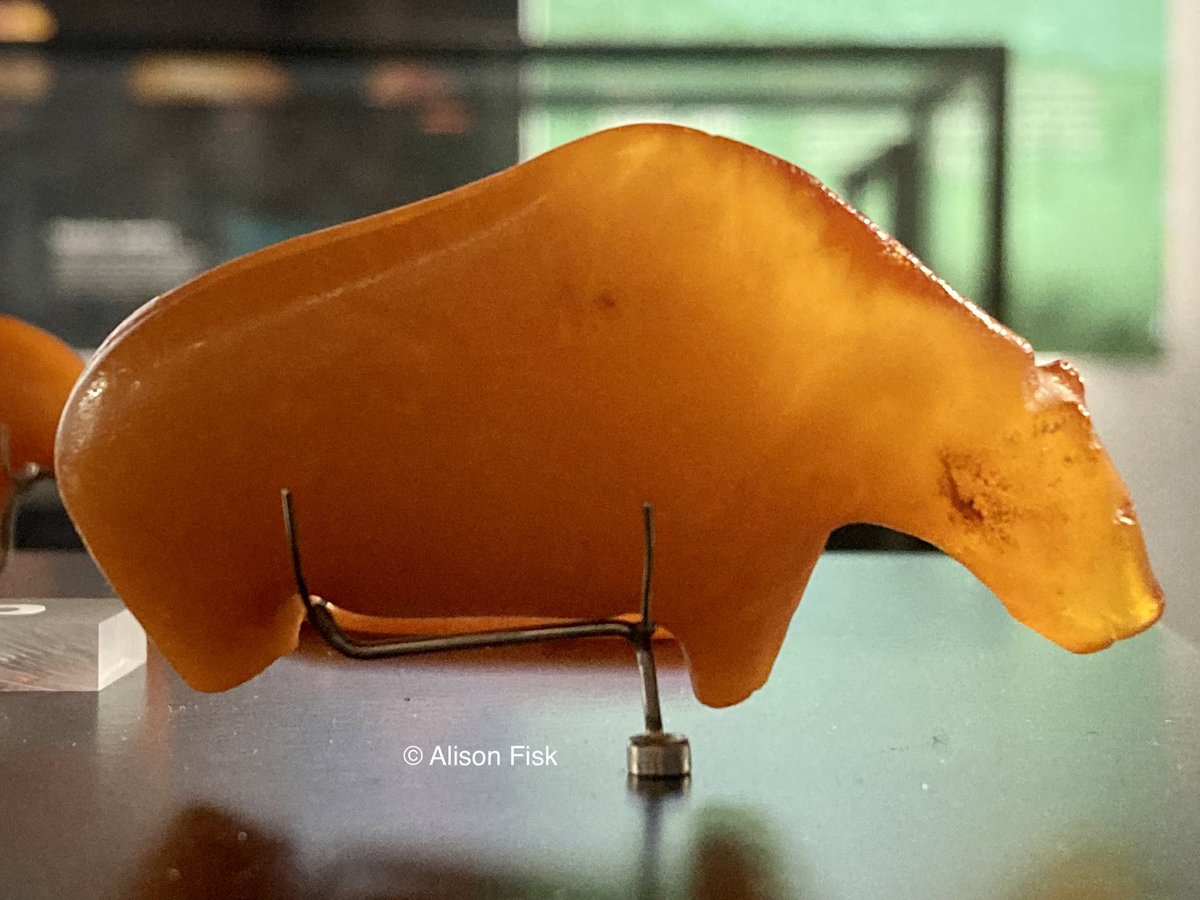
An ancient amber bear. Carved about 10,000 years ago, this magical find washed up on a beach at Fanø in Denmark from a submerged Mesolithic settlement under the North Sea. National Museum of Denmark. 📷 my own
#Archaeology
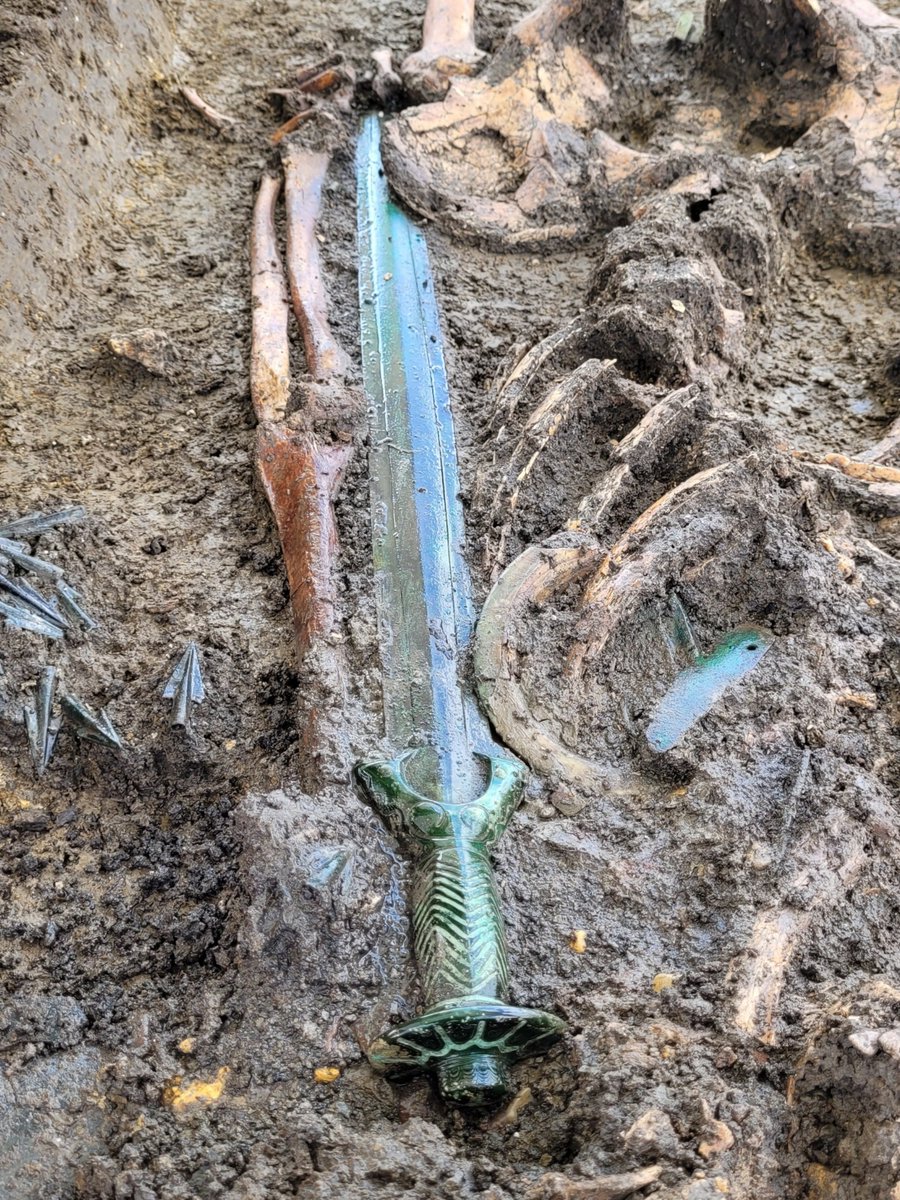
New discovery: an exceptionally well-preserved 3,000 years old bronze sword unearthed during excavations in Nördlingen.
The sword of the Achtkantschwert type ("octagonal sword" - due to the shape of the hilt) was found in a burial, dating late 14th c. BC
https://t.co/1rjkz4Ug7D
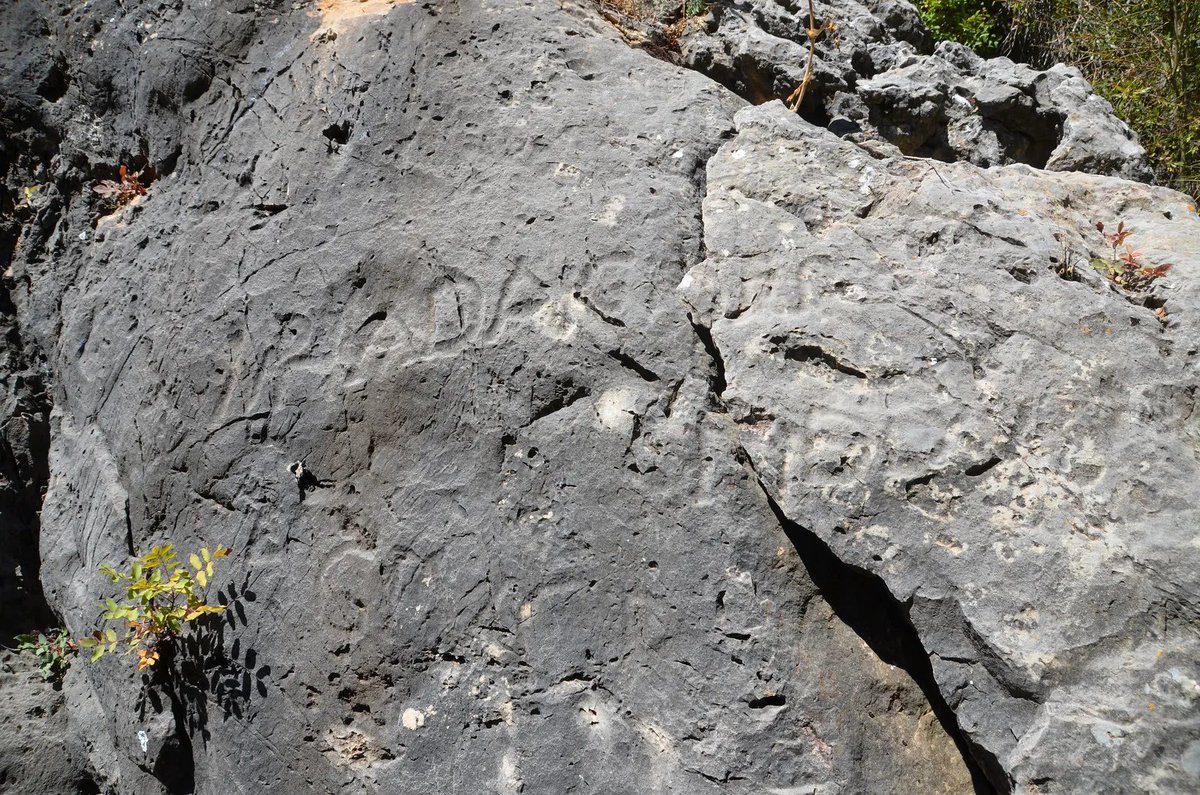
#EpigraphyTuesday - Boundary markers inscribed with warnings against timber thieves with the inscription “IMP HAD AVG DFS AGIV CP”, a Latin abbreviation for IMPeratoris HADriani AUGusti DeFinitio Siluarum Arborum Genera Quatuor Cetera Priuata (Boundary of the forests of emperor Hadrian Augustus: Four Species of trees reserved under imperial privilege).
In an attempt to prevent the deforestation of Phoenicia, Hadrian put up boundary markers around the remaining forests in Mount Lebanon. Some areas were declared "imperial domains". This is one of the earliest traces of environmental management and protection measures by forest registration.
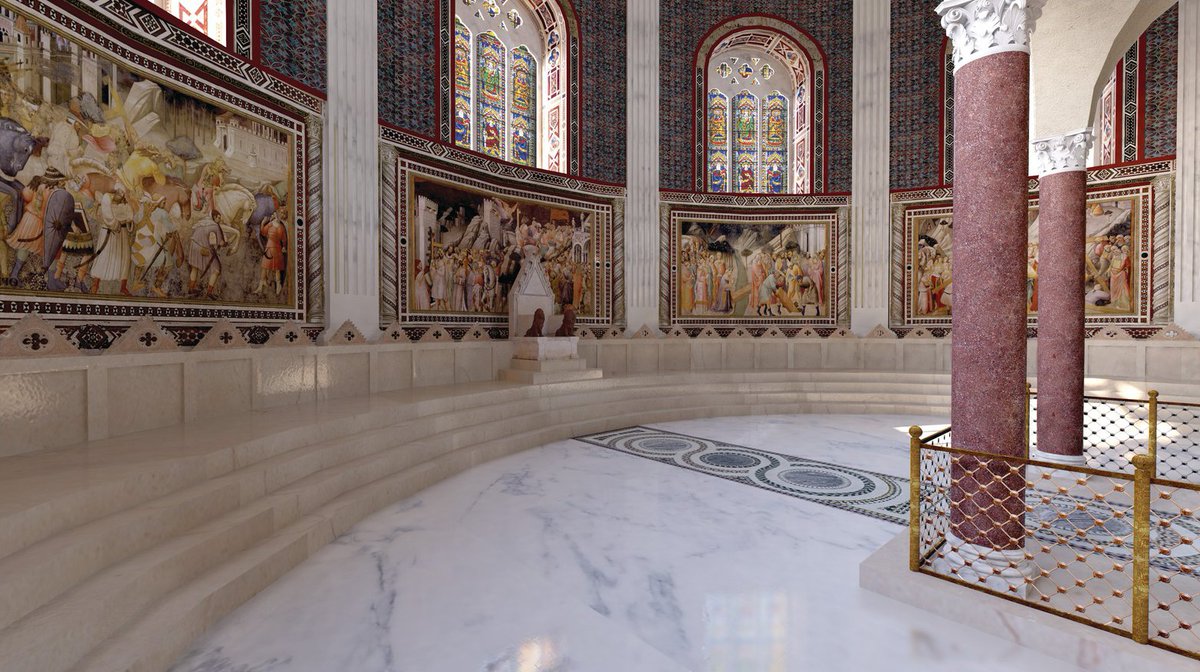
Amazing virtual reconstruction by Cambridge University of Old St. Peter's as it was in the year 1450 in all of its Constantinian glory and with its stunning Renaissance additions. I would give anything to visit.