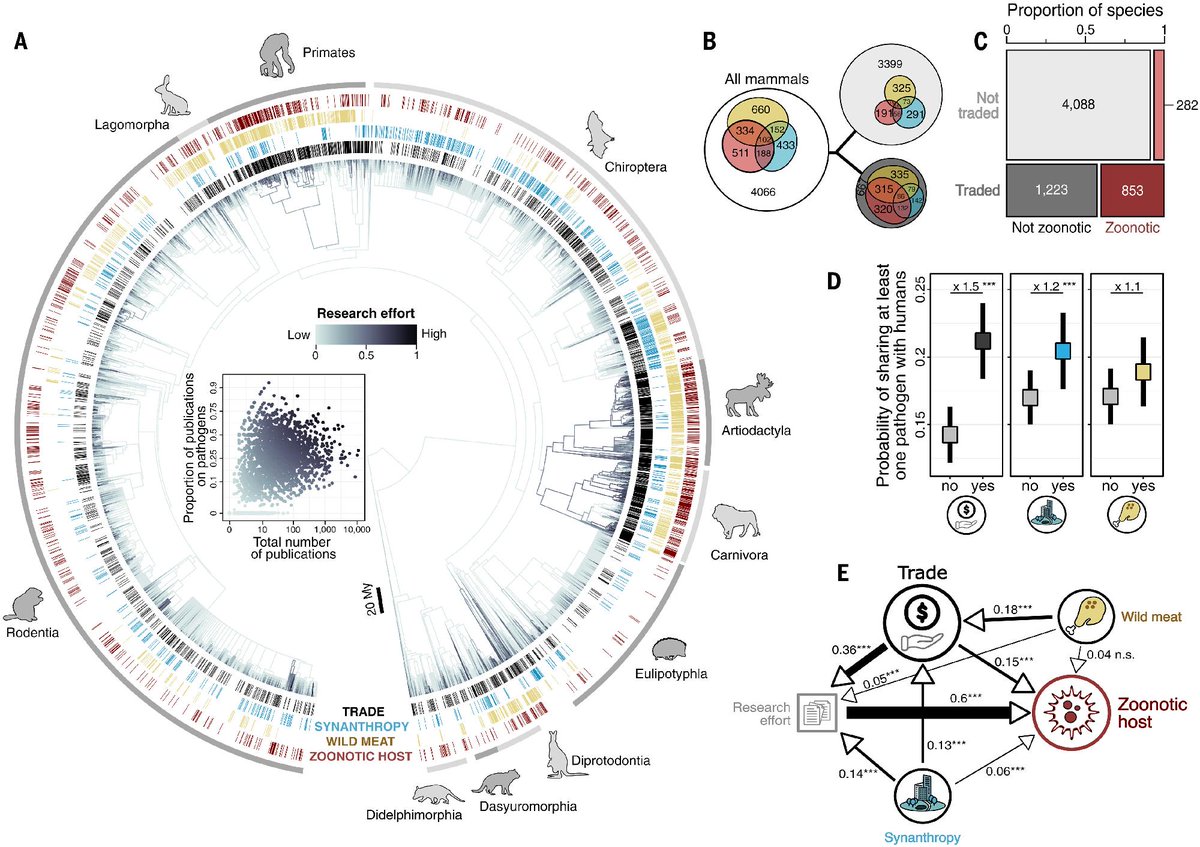
The global wildlife trade—especially in illegal and live-animal markets—is fueling the spread of diseases from animals to humans, according to a new study in Science.
The findings show that traded mammals are more than 40% more likely to harbor human-infecting pathogens, with species accumulating more shared pathogens the longer they remain in the trade.
Learn more: https://t.co/9GsERoW0We
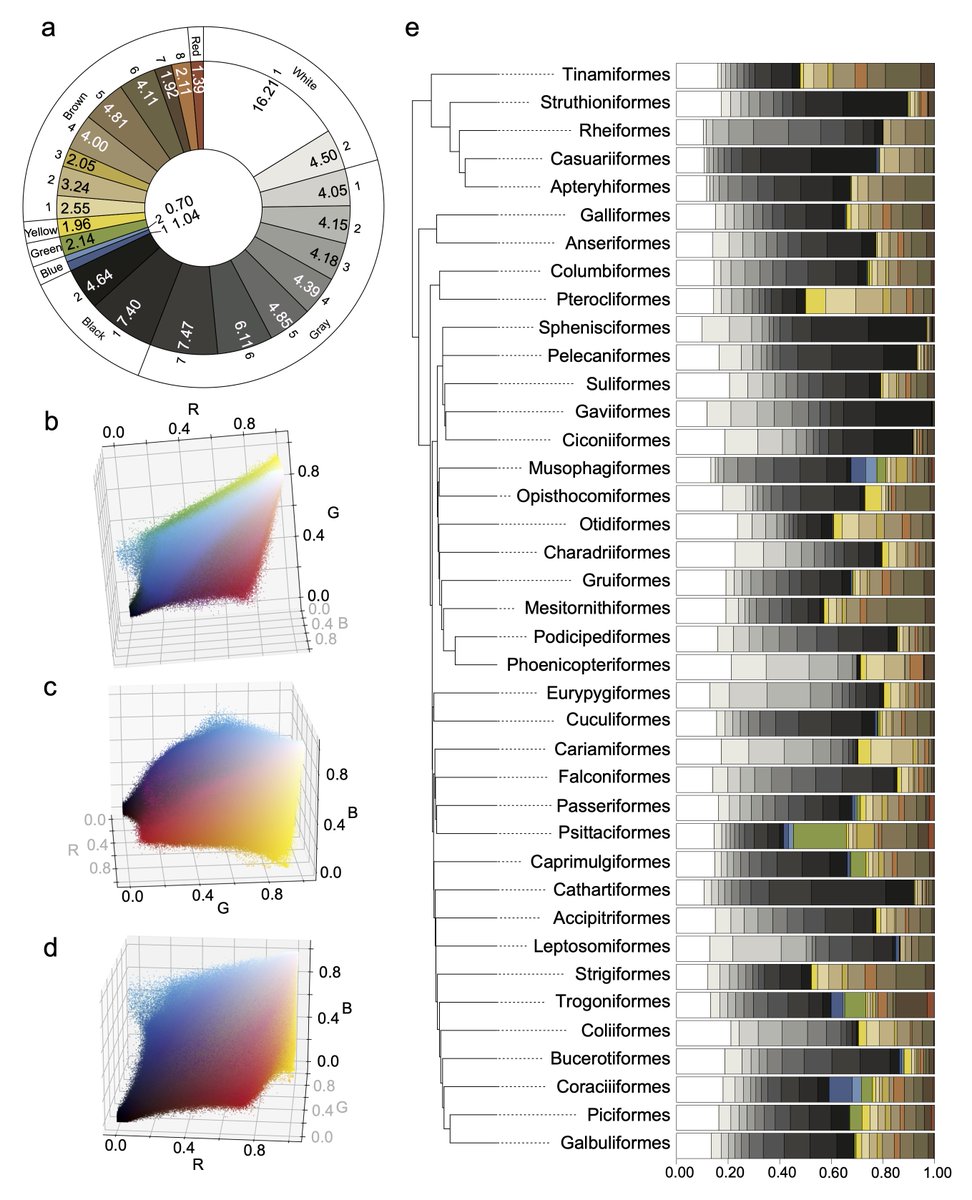
Excited to share our new paper in Ecology!
We compiled a global dataset of bird plumage colors based on illustrations from the 'Handbook of the Birds of the World'.
https://t.co/ZhAu5FSGBP
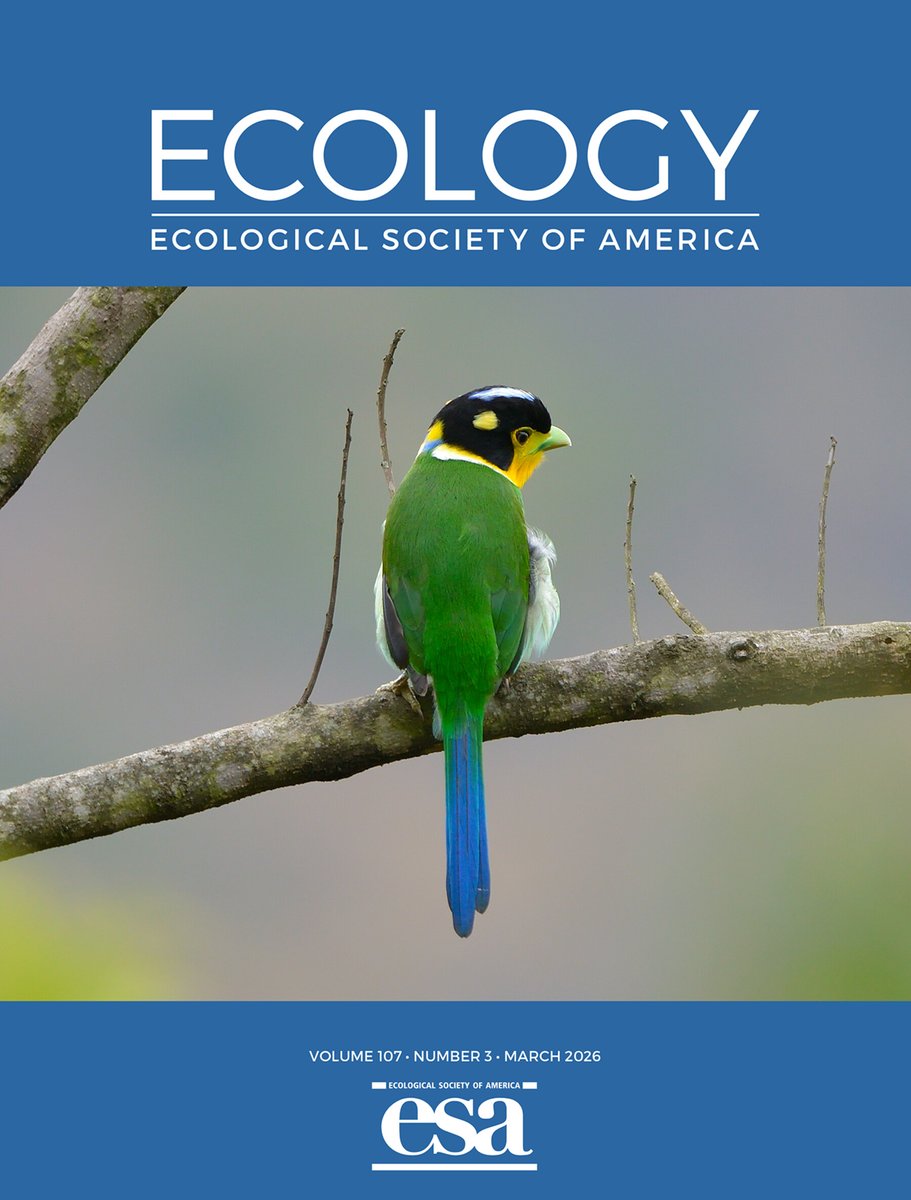
Honoured that my photo was also selected for the March cover of Ecology.
@ESAEcology
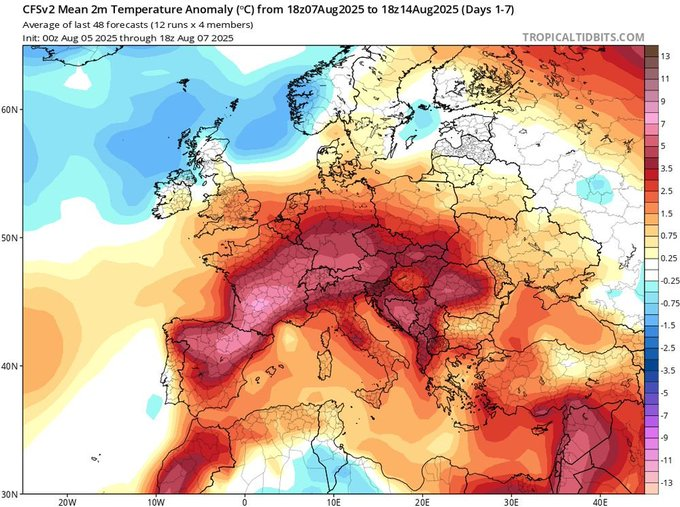
EXTRAORDINARY HEAT ALLOVER EUROPE
Thousands of records are being brutalized with margins never seen before allover Europe from West to East
In 3 centuries of climatic history there had never been anything remotely close to this.
Most extreme day in history BY FAR
Updates tbc
🚨Big news🚨
A Pocket Guide to Scientific Writing and Publishing is now out!
This is the book I wish I’d had 20 years ago — short, practical and designed to help researchers write & get their papers published
I hope it helps many♥️
Please share with anyone who might benefit!
New paper out about the likely futures of Iberian Northern Birds:
Land Cover Constrains Range Shifts in Northern Iberian Bird Species Under Climate Change Scenarios - Cardador - 2025 - Ecology and Evolution - Wiley Online Library https://t.co/vVOlEfyDH8
New paper out in @GlobalChangeBio !
Non-native species & income shape urban bird diversity & ecosystem services in Iberia 🐦🏙️
Surprising finding? Lower-income areas provide more bird-related services, thanks in part to non-native species like parakeets.
https://t.co/JUm9YHT4iV
Blind cuts in federal agencies can have tragic consequences: „As Floods Hit, Key Roles Were Vacant at Weather Service Offices in Texas“ @nytimes https://t.co/DfOMDGmrBV
A New Chapter and collaborative work: Energetic metabolism and condition indices in native versus invasive common waxbills https://t.co/V6rBBV3dlK via @neobiotajournal
Ecophysiology of an Avian Invader: Body Condition and Metabolic Rate Adjustments to Ambient Temperature - Sentís - Integrative Zoology - Wiley Online Library https://t.co/UI6VpZvInL
Ecological niche models using only #invasivespecies distribution data can effectively forecast the expansion of species like the common #waxbill, but require several decades of data for accurate predictions:
🔗 https://t.co/vDgyS4gkuv
@ the NEOBIOTA conference a new paper in NEOBIOTA journal:
Predicting the expansion of invasive species: how much data do we need? https://t.co/9OUb6yVXnB via @neobiotajournal
Out today, a major effort by dozens of authors writing about insect conservation for students and practitioners. Edited by Pryke, Samways, New, Gaigher and myself.
@CE3CResearch@libre_research