Last chance to register! Tomorrow at 1:00 p.m. ET, join @edwebnet and @WorthamDr, a distinguished leader and educator with over 35 years of experience transforming low-performing schools into successful ones.
Dr. Wortham will share how she sets the stage for learner success by allowing challenges to fuel the transformation. You'll gain insights into creating a culture of success that empowers students + teachers—as well as strategies for achieving high-impact results in reading and beyond.
Save your seat here 👉 https://t.co/d0yXY0FeSb
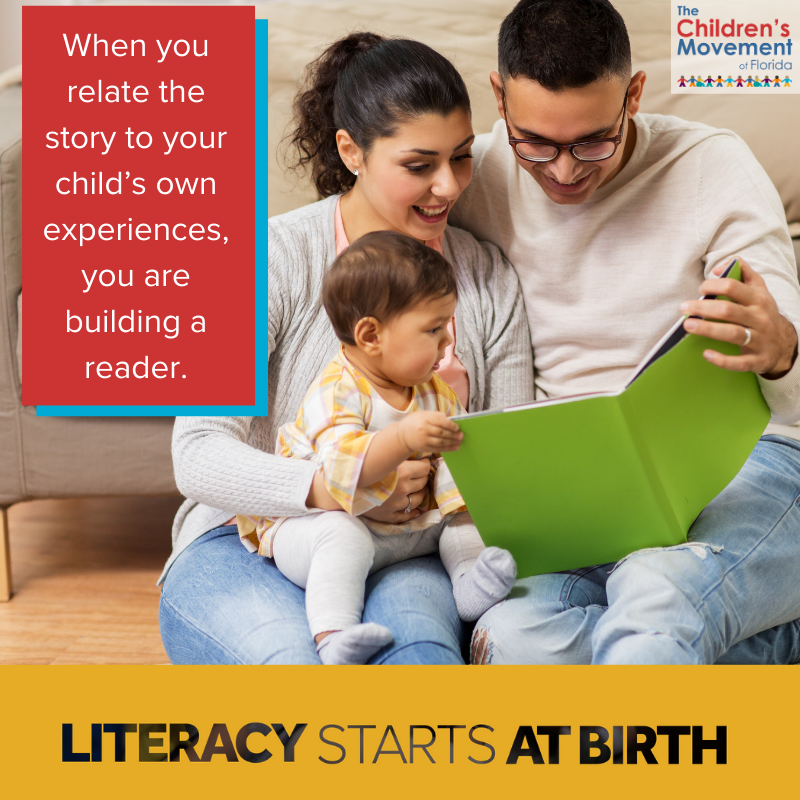
Relating your child’s own experiences to the story builds a reader because it is more likely that they will understand the story, remember it, and enjoy it when they relate to what they are reading. #EarlyLiteracy https://t.co/Ipw86Nfp2w
If you are interested in building a more equitable and empowering learning environment, be sure to explore the Equitable Learning Library. Find pages with specific activities/resources as well as sequenced playlists of pages around a single topic: https://t.co/HL9AdekwDQ #edchat
Word recognition is more than reading words quickly off a list, it’s the automatic understanding of the pronunciation of a word and it’s meaning in context which begins to build an understanding of other word patterns. #scienceofreading#earlyintervention#readingcommunity
“What if we realized the best way to ensure an effective educational system is not by standardizing our curricula and test but by standardizing the opportunities available to all students?” @DrIbram
We are excited to announce our Board of Directors is offering a $25,000 match challenge for the James T. “Tom” Russell Memorial Scholarship Fund! Click here for more information: https://t.co/HxEQvzFfmd
We surveyed educators from across the country about your biggest pain points in ELA & Math standards. Then we built a conference to address those specific needs. Mini sessions + full lesson plans + resources + assessments! Tickets now available: https://t.co/tH5pvrG4WM!
New report shows more instructional time in social studies—but not in English language arts—is associated with improved reading ability. Kids who benefit most? Children from lower-income and/or non-English-speaking families, and girls. https://t.co/ROpKpkQuuU
To follow up on my #dobetter post... we have to start implementing what cognitive brain science says about reading... we must shift away from balanced reading and focus on systematic phonics instruction and building knowledge through content rich text.
We can’t continue to waste time using instructional practices that do not follow proven research. I was once a big proponent for balanced literacy. I was wrong. Now I know better and am a better teacher because of what I’ve learned.
Drum roll..... it's here! The recording of the amazing presentation from Dr. Katie Pace Miles: Types of High Frequency Words- Implications for Instruction, for The Reading League PA can be found on this padlet: https://t.co/pesK50ZRtS @reading_league@ReadingLeaguePA