There are some fantastic (free) resources for change & great graphics in the Registered Nurses' Association of Ontario (@RNAO) "Leading Change Toolkit". I particularly like the content on the "social movement action framework", a people-led, grassroots approach to change that develops in response to an urgent shared concern or strongly desired change as well as a readiness for purposeful action by individuals, groups & organizations.
https://t.co/cZHg5h15Yh
One of the key graphics has been adapted by @TCI_ca: https://t.co/z8cKyTYVXZ. If we typically led more change this way (with & by people, rather than to or for people) we would make quicker progress.
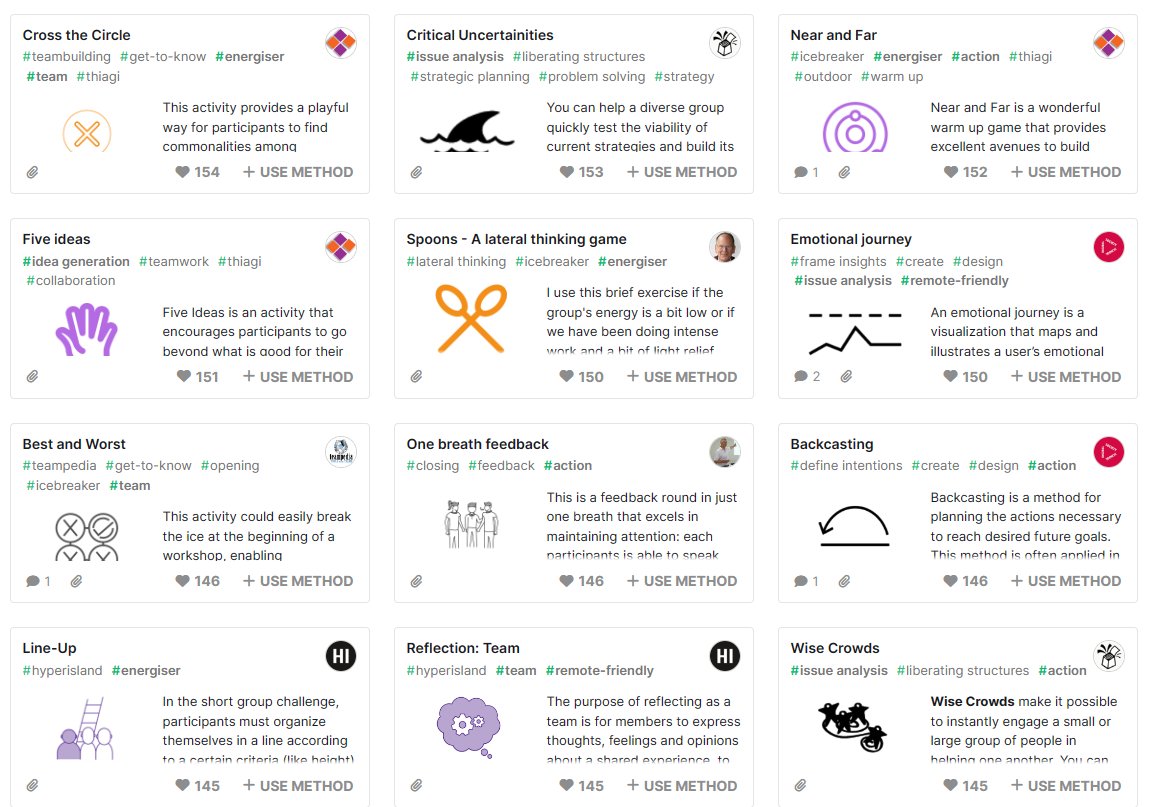
The most comprehensive set of facilitation techniques is available free to view on the @SessionLab library. There are 1,200 different techniques on there. You can sort/filter them by type (idea generation, issue analysis, issue resolution etc), by how many people & by duration. I get lots of ideas from this treasure trove: https://t.co/ZgyMtDLcEt
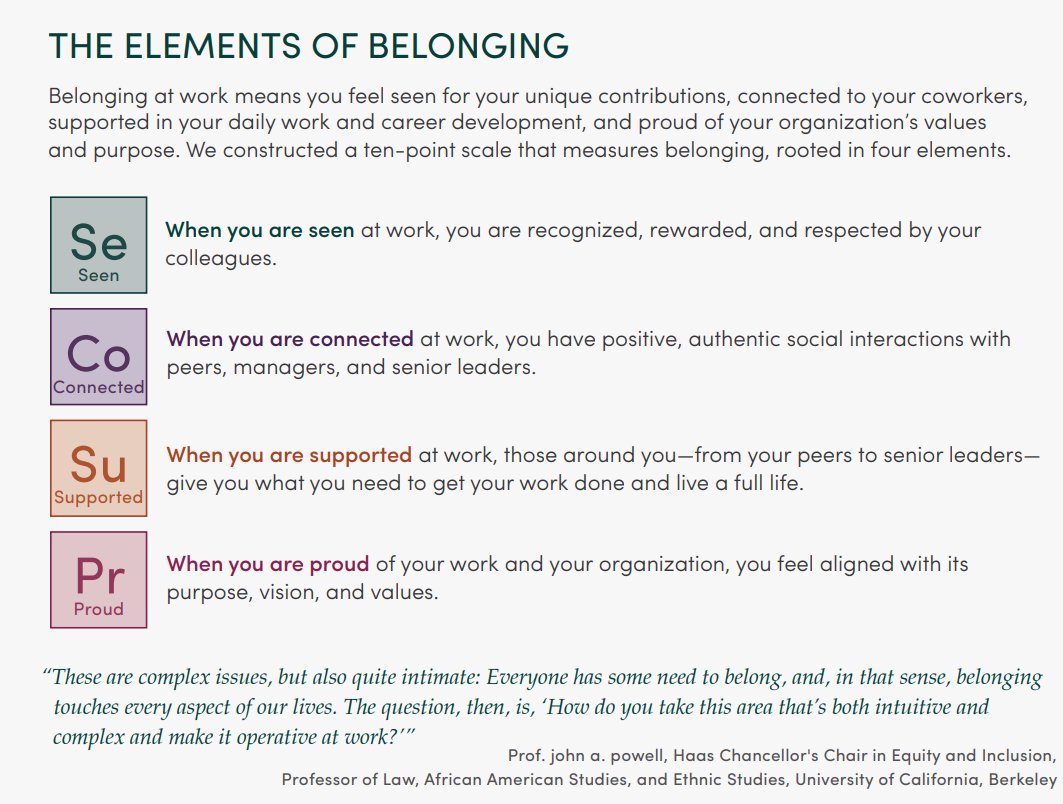
Earlier this week, I posted about the critical leadership role of building belonging at work. Several people asked me about how we measure belonging. So I wanted to highlight this study from @Coqual_ , USA. Using a ten point scale, based on four elements, they showed:
1) people who feel a strong sense of belonging are less likely to leave
2) race and gender make a significant difference to how much people feel a sense of belonging
3) people born in another country have some of the lowest belonging scores at work
4) extroverts have higher belonging scores than introverts
5) senior leaders have the highest belonging scores
https://t.co/hYMKbfCn7d
A big thank you to Neil Watterson from @PuslinchFRS, for his diligence, persistence and enthusiasm in placing Rescue 35 in service.
@TwpPuslinchON thank you for keeping us safe and on the move.
#firefighters#StaySafe
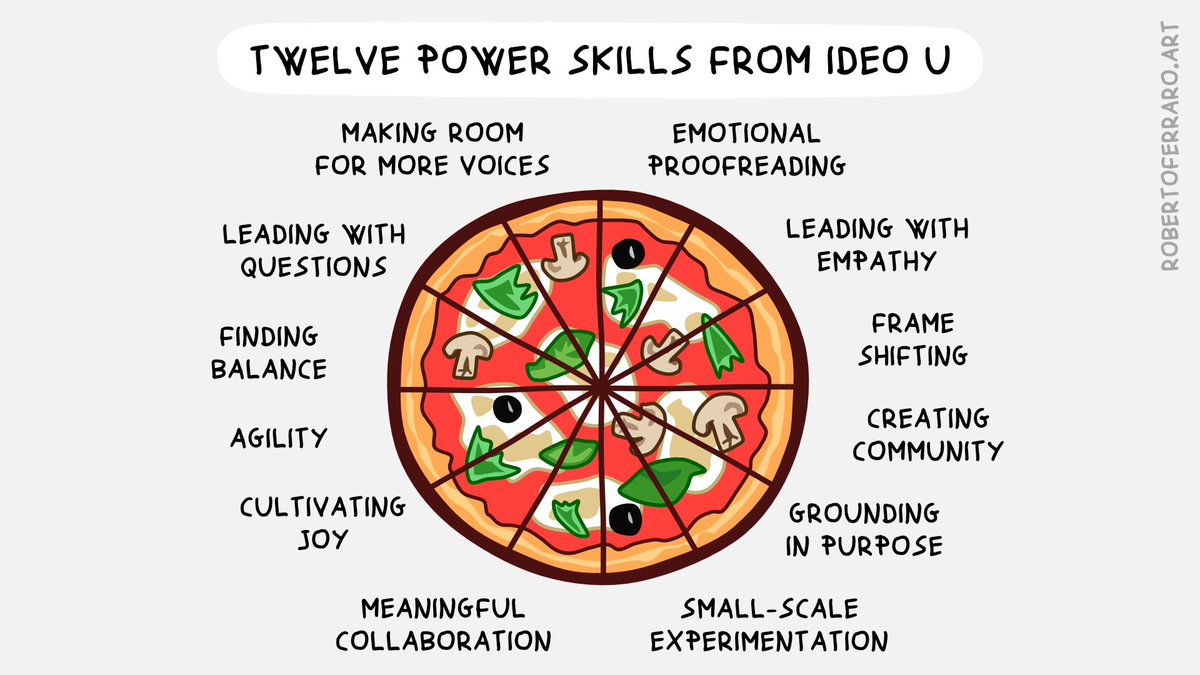
Many commentators talk about the importance of so-called "soft skills" for leadership into the future. @IDEOU has (so appropriately) rebranded them as "power skills". Here's their brilliant list of 12 key power skills:
1) Cultivating joy
2) Meaningful collaboration
3) Small-scale experimentation
4) Grounding in purpose
5) Creating community
6) Frame shifting
7) Leading with empathy
8) Emotional proofreading
9) Making room for more voices
10) Leading with questions
11) Finding balance
12) Agility
https://t.co/xosznr9fkc
Thank you @FerraroRoberto for the link & graphic
Leading a team is much like conducting an orchestra. Its about building team cohesion based on a collective vision & shared goals & ensuring each person is valued for the unique contribution they make. We seek a synchronised effort that leaves a lasting impact: https://t.co/GgEDh7ofyN By @MarianTemmen Graphic: @tnvora
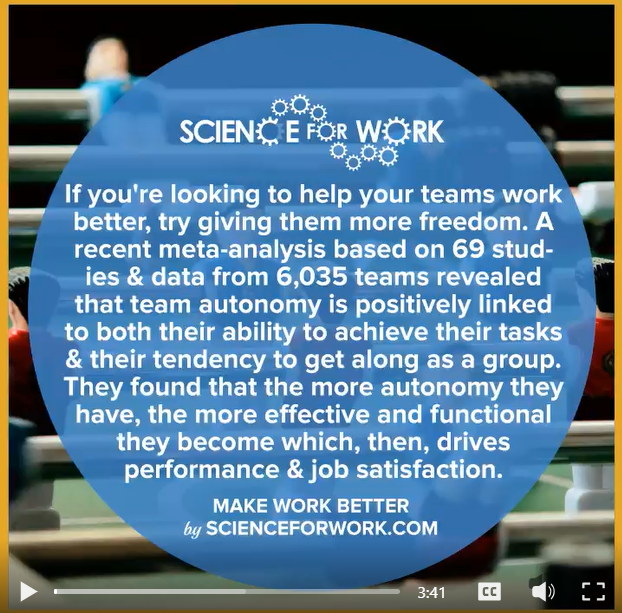
Meta-analysis shows that giving teams a sense of their own power & control leads to better performance & delivery. Autonomy allows people to perform their tasks better & develop more positive relationships with one another. This facilitates a team's overall effectiveness: https://t.co/CAeRHZHxOr By @A_J_Halliday
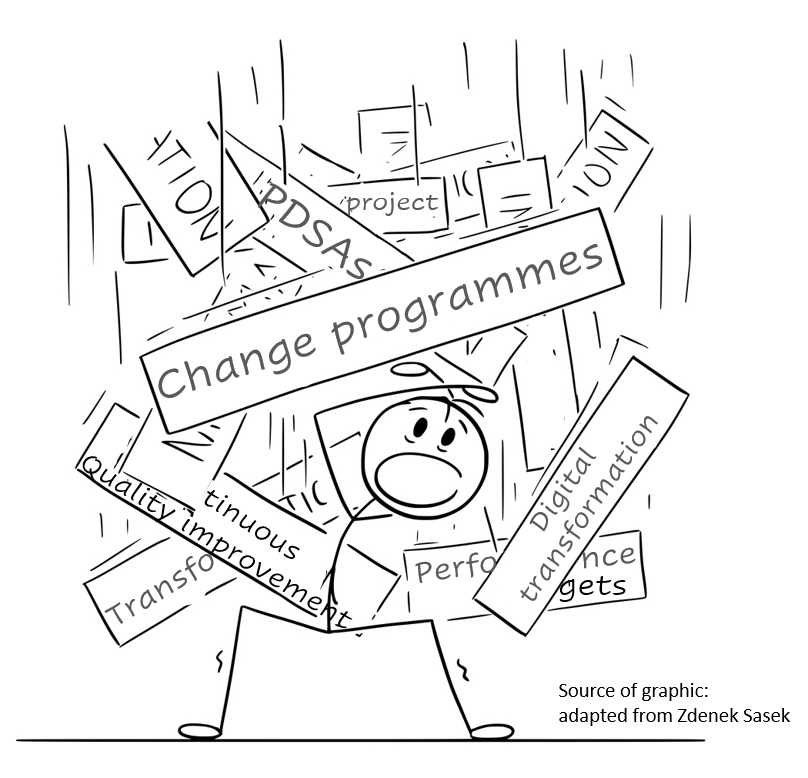
Research shows that employee's willingness to support organisation-wide change initiatives has fallen drastically since the pandemic, across all sectors. A key reason? At a time when people are still recovering, the change is too fast & too top down. 4 ways forward:
1) Clearly prioritise change
2) Build in periods of proactive rest to sustain change energy
3) Co-create change with people at all levels
4) Reimagine the role of managers in change
https://t.co/8kMbJ17qgX. By @Gartner_inc
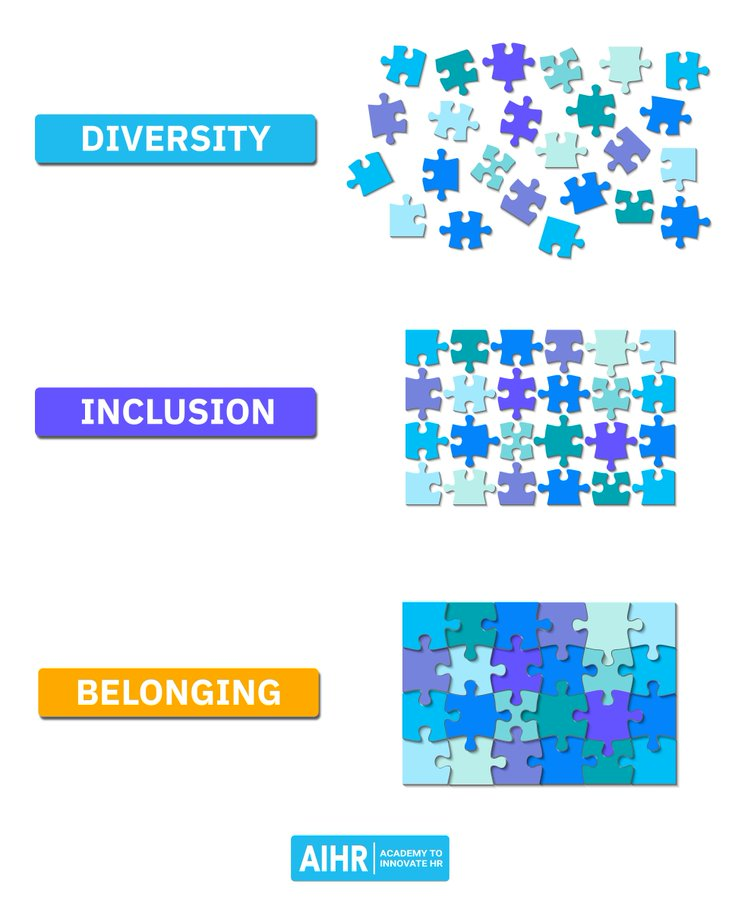
Building belonging is a critical task for leaders of change. How are we creating a sense of belonging in our teams so everyone is seen & valued for their own unique & authentic selves? Belonging counts more than diversity (the facts) or inclusion (a choice). When we feel we belong, we thrive, and so do the people around us: https://t.co/ZfLbXWs5r1 By @DrAnitaSands. Graphic @AIHR_Academy
Compassion is part of the (evidence-based) science of leadership. How to be a compassionate leader according to research:
1) Start small
2) Be thankful
3) Be purposeful
4) Find common ground
5) See it
6) Elevate
7) Know your power:
https://t.co/hLEURPfpCQ Via @StephenTrzeciak
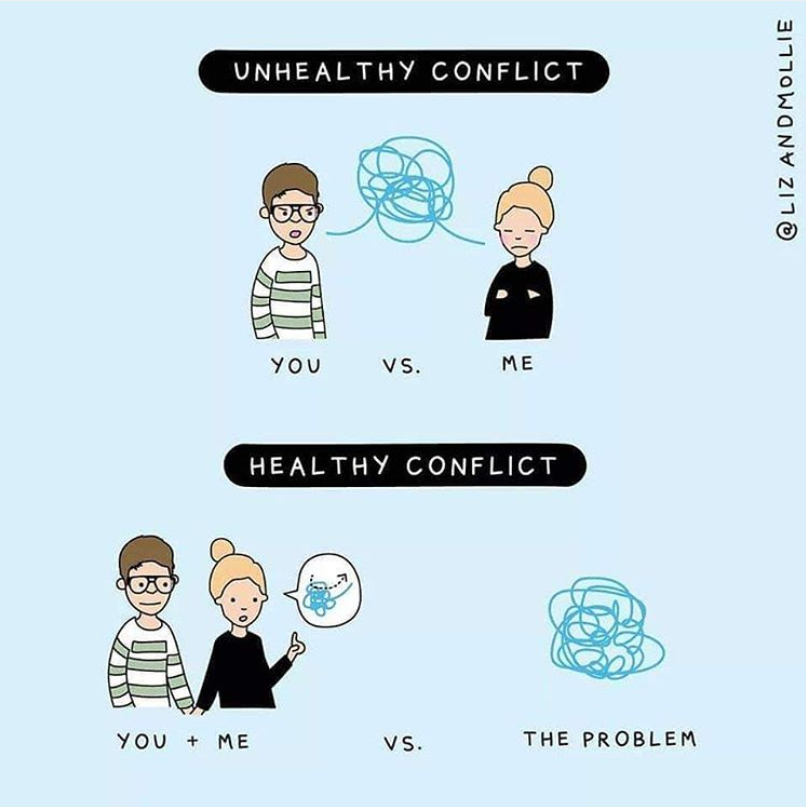
Building strong relationships is not about arguing less. It's about arguing more constructively.
The goal is not to reach consensus on all your opinions or share all your values.
It's to understand each other's opinions and respect each other's values.
https://t.co/7DCpmk9GBy
How can very busy people develop as leaders? @DarjaKragt suggests a 10:20:70 ratio: 10% structured learning, 20% self-discovery, 70% experimenting. Experimenting means testing new behaviours/practices, seeking to continuously improve as a leader: https://t.co/WzTnq5BfBd #IHIForum
In setting up a change initiative, we want to create A) ambition that excites people & B) openness so people feel it's being done "with" them & not "to" them. An ambitious project without openness creates suspicion; if it's open without ambition, no one cares. Tnx @WeAreOpenCoop
If we want to transform systems, we must become pattern learners. Changing processes & structures is insufficient. We should pay attention to the everyday patterns, behaviours, relationships & interactions underlying all parts of systems: https://t.co/AU4o3WFjub By @YunusGriffith
June’s #HPCDP Journal includes a study about healthcare workers and who they reached out to for emotional support during the #COVID19 pandemic.
Read more:
https://t.co/d52PVo96lD
At St. Joe's we compassionately care for each other. Let's raise awareness about PTSD in the caring professions. Wear teal on Monday to show your support. Check your stress and access the available supports. @SJHHPresident@_williamscheryl@STJOESHAMILTON#StressFirstAid
June 27 is PTSD Awareness Day, wear a teal ribbon to help raise awareness and show your support. Post-traumatic Stress Disorder can stem from experiences such as crime, severe weather or war. Contact us at 705-476-4088 for support and resources. https://t.co/5edJU6Ve3m
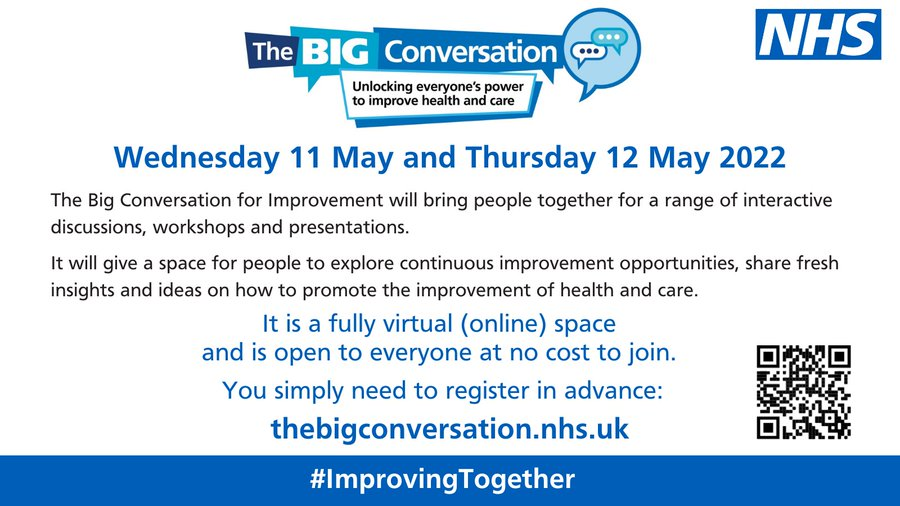
A brilliant free opportunity for everyone involved in improvement in health & care. The Big Conversation is happening 11-12 May. Thousands of participants, incredible speakers, come to as much or little of it as you can. Register here: https://t.co/otC8PpRGs8 #Improvingtogether