professor of philosophy of science, logic, experiment, statistical inference; now an independent philosopher & stock trader; split time in NYC & Va (and London)
I care about reproducibility, but I find it deeply problematic that the British ecological society is trying to extract free labour from academics (oh no, you get free membership for a year!) to work for them for 3 years on reproducibility checks.
https://t.co/t5Qjp9pPot
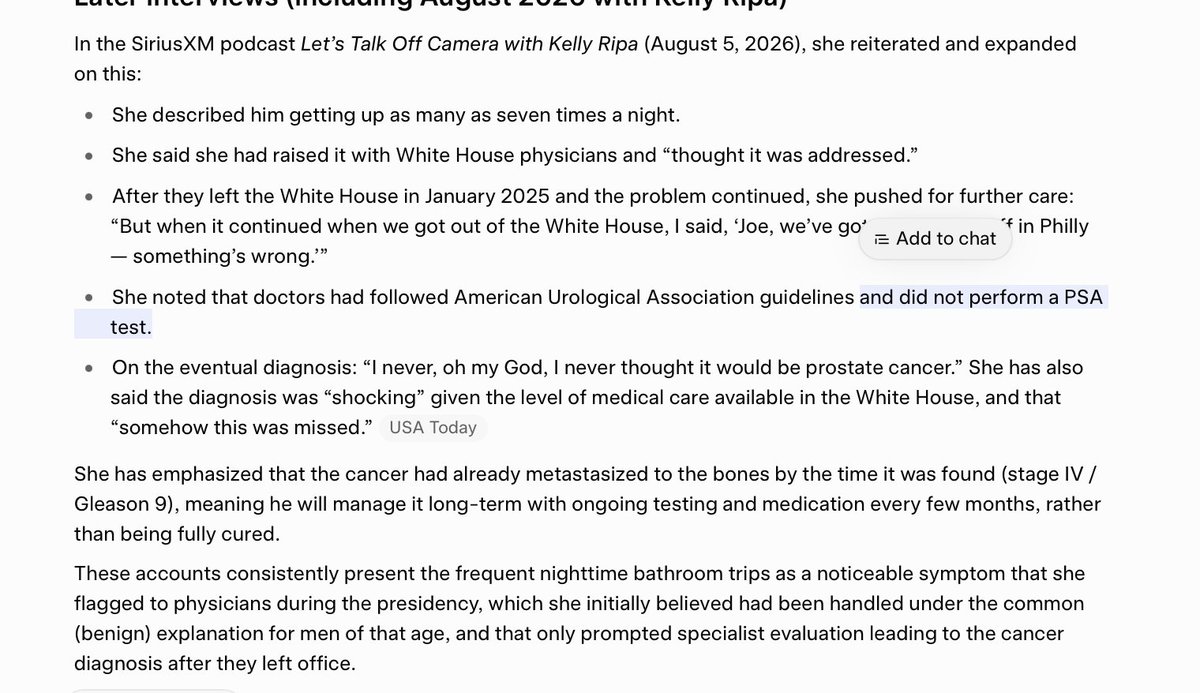
Can someone explain how a sitting president can have a prostate cancer metastasize without early detection when it had been symptomatic for a while --and how these moronic doctors can refrain from doing a PSA test!
"Can you make me more capable? Of art, astrophysics and AI" In this post I ponder wether we should benchmark AI according to how well it increases human capabilities. I consider the possibility of a personalized instructor who increaess my life-drawing ability in a few months time https://t.co/noqQVugs8H
@lakens Of course adversarial collaborators may use existing data (e.g., on salaries, hiring) to test competing views (e.g., of gender bias) where both sides preregister the planned analysis. Maybe you see that as different.
In the last 2 years I (and our lovely collaborators) have been rather obsessively working on Metacheck - a tool to automatically check best practices in papers. In this RIOTS summerschool talk, I walk you through what the tool can do, and future plans https://t.co/ngNtNflRQh
In my new blogpost I pull back the cover regarding claims that low powered tests "exaggerate" population effects: "low power and an all too standarderror: continuation of 'don't turn power on its head'. https://t.co/V0XOxKZgwF
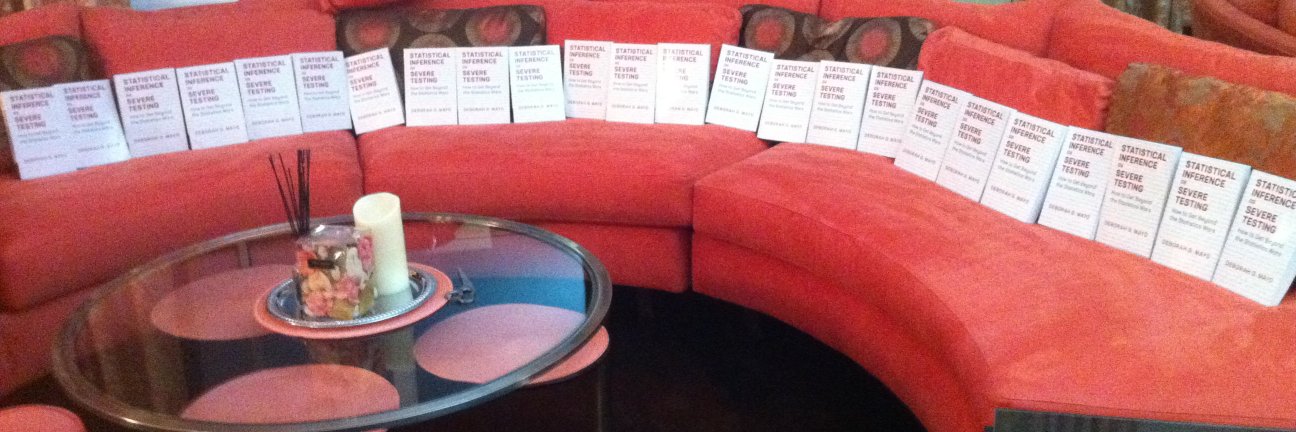
With Deborah Mayo, Kent Staley, and Wendy Parker we are editing a special issue of Synthese on "Severity and Learning from Error": https://t.co/6kYVDFlYxN Deadline for submissions is the 15th of December, 2026. If this is a topic that you are interested in, consider contributing!