Again, much of the conflict about math pedagogy is a disagreement about:
a) whether math is a set of secret codes or something accessible on a concrete, sensory level.
b) whether students have valuable knowledge to build on or not.
This all gets easier if you get that.
“The responsibility of a society is to reduce misery, not to increase happiness.”
RIP Danny Kahneman—a paragon of intellectual integrity, humility, and curiosity
https://t.co/aiLWAmK3mZ
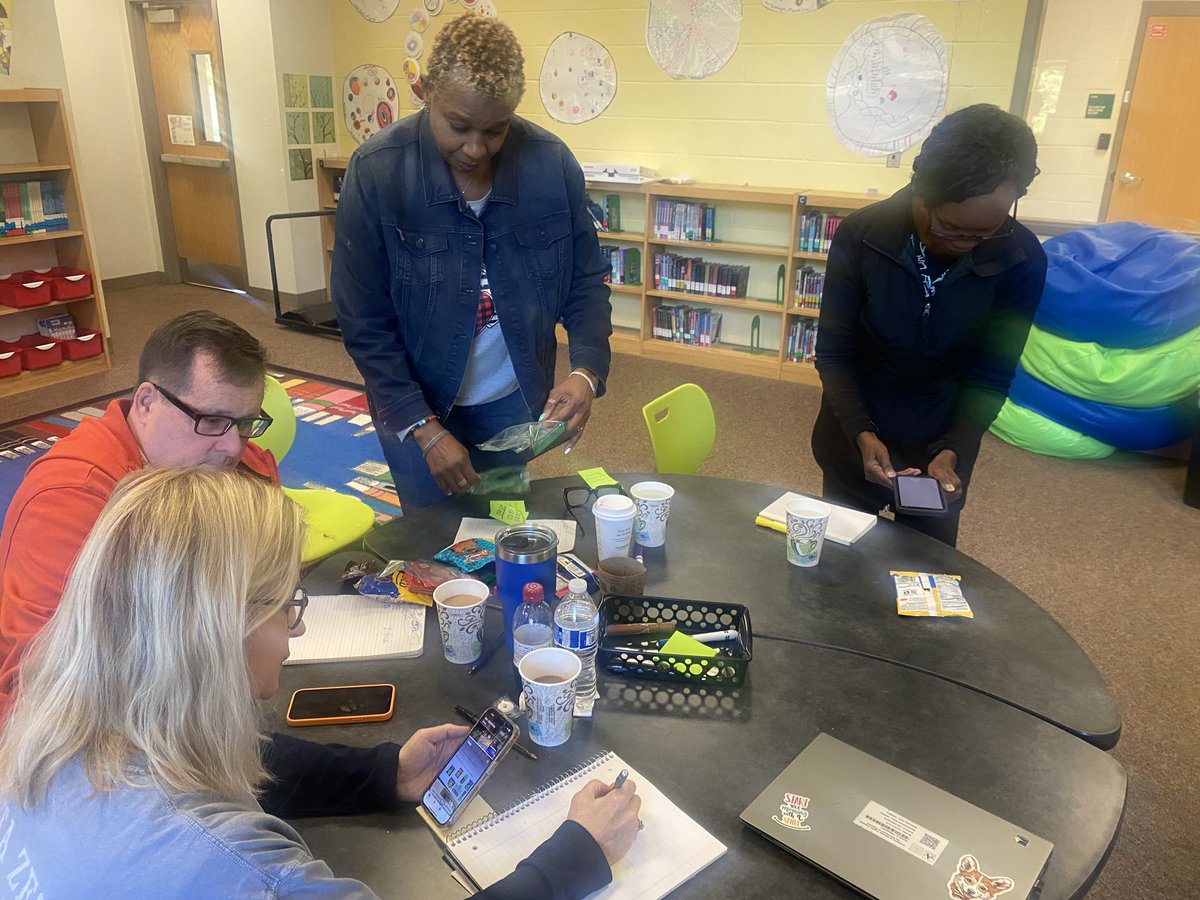
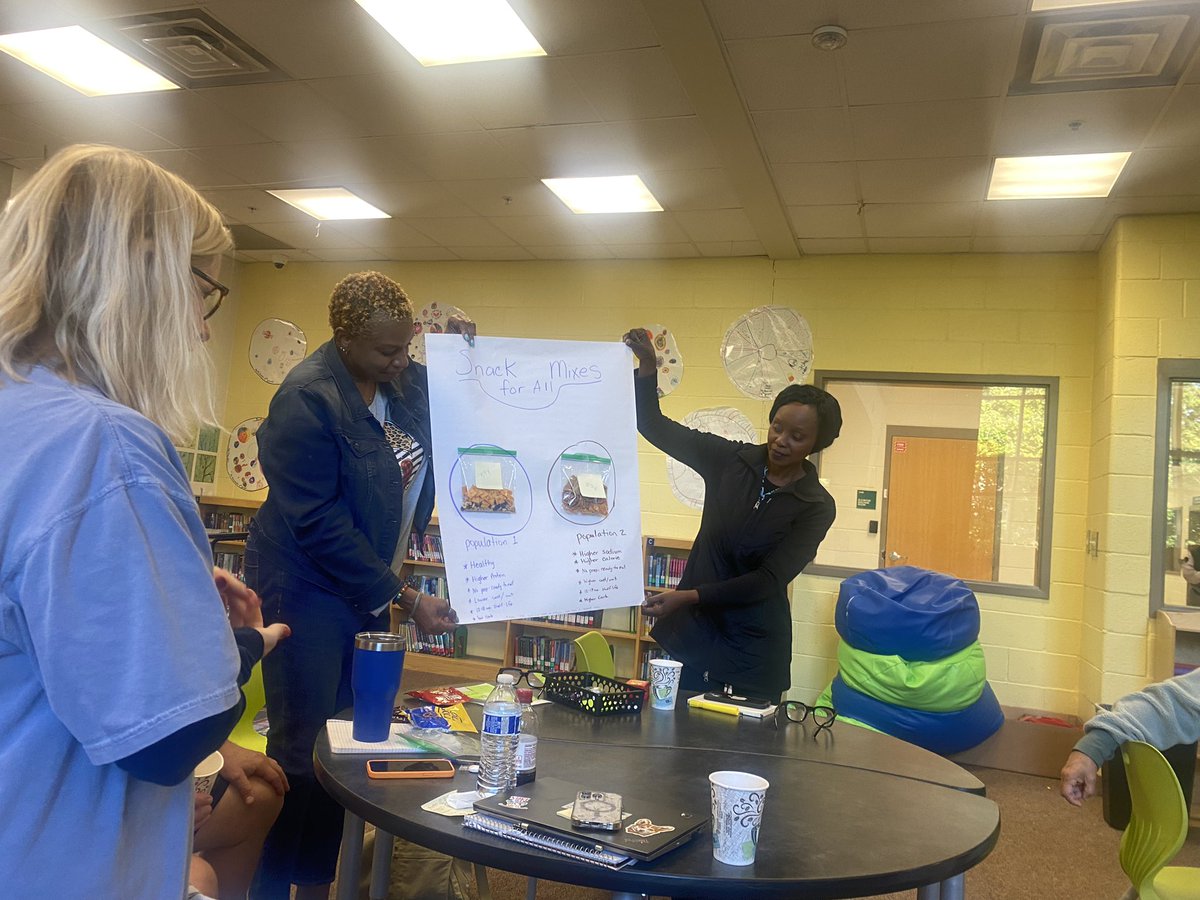
Our teachers learned that mathematical modeling involves investigating an authentic problem, is interdisciplinary, has multiple solution paths, and may involve statistical reasoning. Thank you SSEF and Miranda Westbrook!
@SarahSmithElem@dehutson7@MetroRESA
Sarah Smith teachers and staff engaged in mathematical modeling! @MetroRESA@SarahSmithElem@dehutson7
Thank you so much to Miranda Westbrook for facilitating and the SSEF for making this learning possible.
In GaDOE Inspire, the unit buttons in science contain the instructional resources for the grade or course. Resources here include instructional segments, phenomenon tasks, literacy-based science tasks, and more! https://t.co/DeIZj7kdEE
#AtlantaPublicSchools doing great things in the new math curriculum. @APS_SaraSmith first graders becoming human bundles of ten and Kinder experimenting with sink or float task!
Grateful to our students, families, and TEACHERS for making day 1 of our SRS Summer Math Institute such a meaningful professional learning experience. Problem-solvers persist and value mistakes as evidence of their learning growth. @SarahSmithElem@dehutson7
@ddmeyer@Amplify@lockhartedu@fawnpnguyen Thank you. I’ll check out the Shell Centre tasks. I support PK-5. We use the freely available Desmos tasks (and create some of our own)!