"Never been on a ride like this before!"
Dave Scott became the first to drive on the Moon OTD in 1971 after unfolding the Lunar Roving Vehicle (LRV). The Apollo 15 LRV allowed Scott and Irwin to venture farther from their landing spot, and collect more lunar material from a diversity of deposits!
POV: You're flying by the Moon.
This visualization is designed to show you what exactly the Artemis II astronauts will see outside their window during their lunar flyby.
Here, the seven-hour visualization is compressed into 28 seconds. ⬇ (1/4)
We're going around the Moon. Come watch with us. Artemis II's four-astronaut crew is lifting off from @NASAKennedy on an approximately 10-day mission that will bring us closer to living on the Moon and Mars. The launch window opens at 6:24pm ET (2224 UTC). https://t.co/X27QJejNDt
I don't want to work with engineers, collaborate with engineers, or consult engineers as a career. I don't want to work with engineers who design or build, or collaborate with engineers who engineered or designed, or consult engineers who built, designed, or engineered, or troubleshoot anything engineered, designed, or built by engineers.
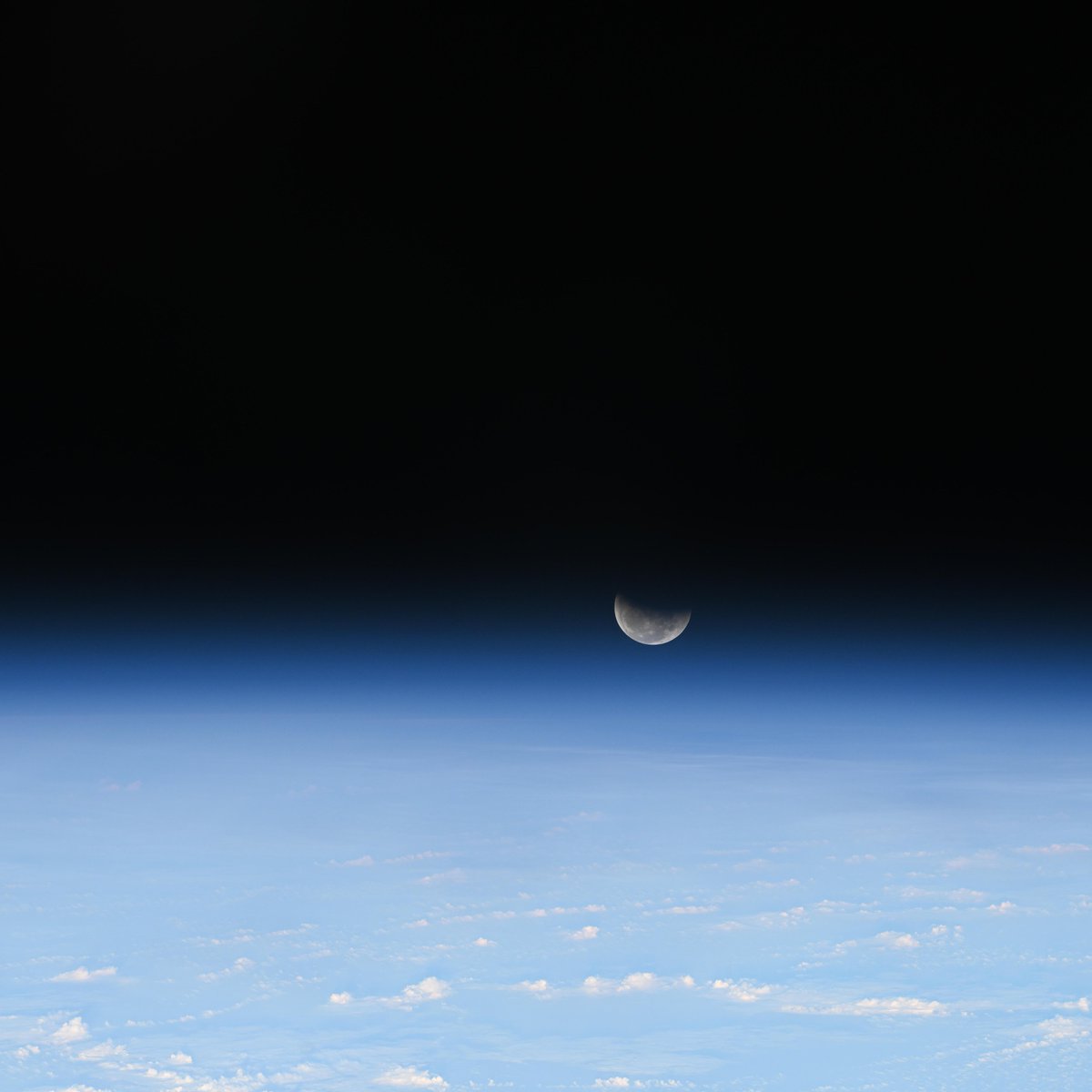
It's not every day you see a lunar eclipse from space! Taken on March 14, 2025, this image shows the lunar eclipse on the sunlit edge of Earth's atmosphere one orbit before the total phase.
I was waiting to photograph the totality phase on the next orbit but I could not see the moon! It took me awhile to figure out that the moon during totality had insufficient lighting to see in a daylight background.
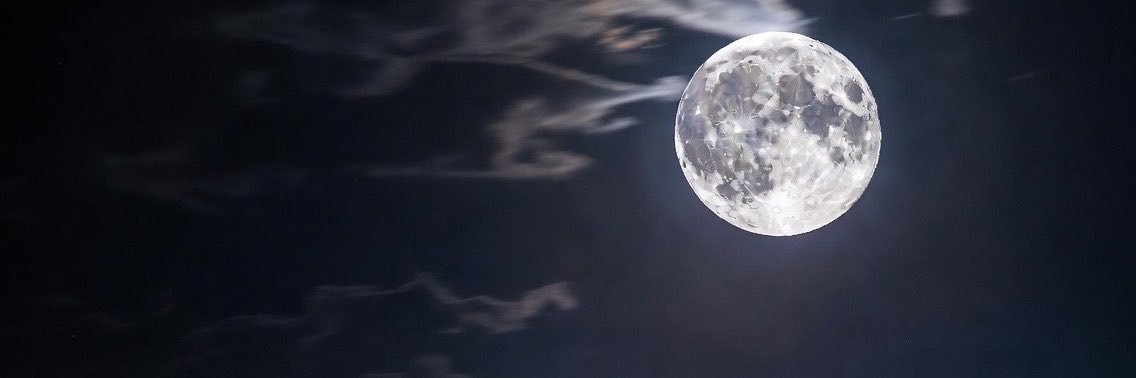
The “blood worm moon” may sound strange, but if clear skies prevail, we may be treated to an interesting astronomical sight later this week! This eclipse, in which the moon is projected to appear red, will start Thursday March 13th and peak Friday early in the dark morning hours around 3:00 AM. Though my expectations are high, I certainly won’t be viewing this one with “rose-colored glasses”…
https://t.co/gOO62BYcdX
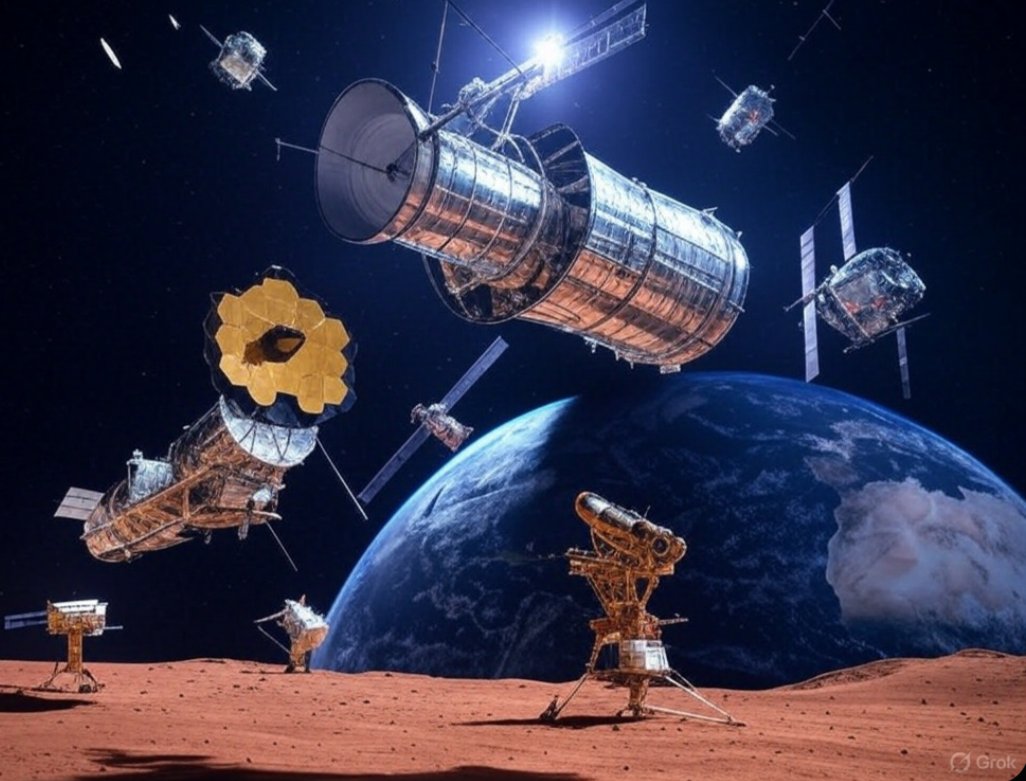
Thanks to all our NASA Chief Science Officers for your visionary and groundbreaking work over the years—guiding Hubble’s cosmic revelations and JWT’s deep-space wonders. Your leadership kept NASA exploring the unknown!
It’s total lunar eclipse week! The eclipse will take place late at night on March 13 or very early in the morning of March 14, depending on time zone. Here’s what you need to know. https://t.co/QVtAkNrf5q
It's a new dawn, it's a new day, and we're feeling good.
@fireflyspace's Blue Ghost lander witnessed lunar sunrise—the start of a new day on the Moon and two weeks of activities, including a lunar eclipse (from the Moon's perspective) and lunar sunset. Let's go!