#PAFI Veronese: sguardo basso e bareta fracà. Ovunque.Veronese, quindi Italiano, poi veneto. Creolo capoverdiano da tanti anni, ma penso ancora in dialetto.
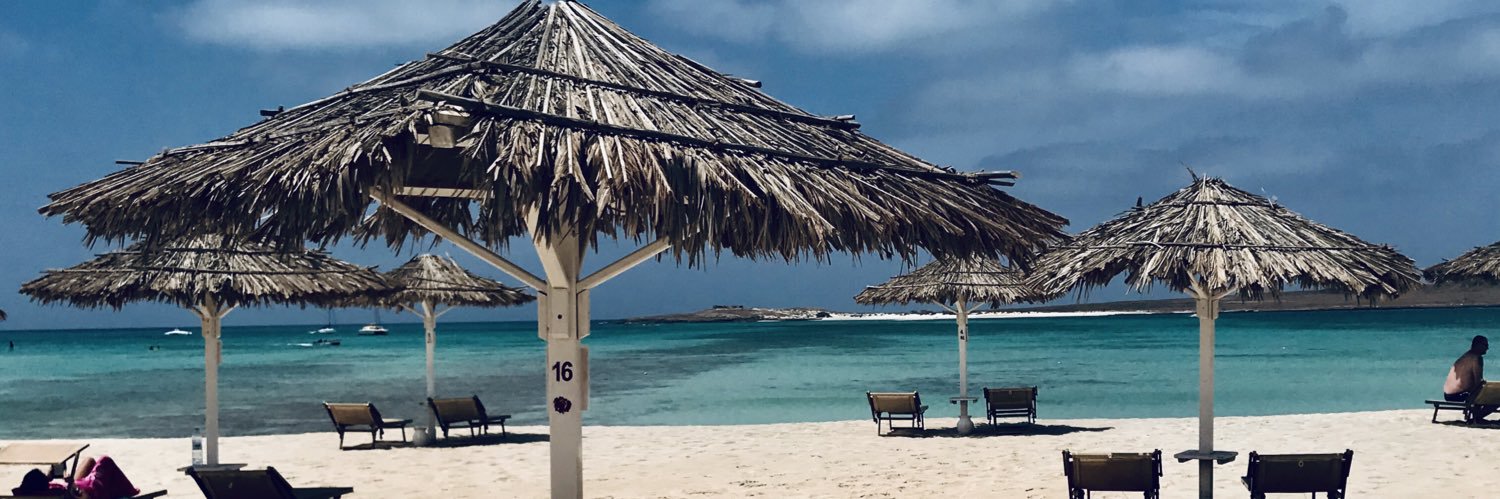
@pizzadifango Mmm... In posti turistici hai settecentomila cantieri intorno... Vivo a Cabo Verde, 22 anni fa avevo il deserto intorno a me. Adesso, cantieri su cantieri. Ah, lavorano sempre anche la domenica, ma fino alle 11.00...
Many people assume the Bible is packed with so many “Do Nots” that no human could have written it. There is a thread of wisdom in that thought—yet God never intended His Word to be a joyless list of prohibitions.
He designed us to be deeply loved, fully satisfied, and free to enjoy the good gifts of life, including the richness of fruitful labor and the beauty of sex within His perfect design.
Yes, men “carried along by the Holy Spirit” authored the Scriptures. Under God’s hand, instructions for living, songs, poems, letters, and no fewer than four biographies of Jesus Christ—God’s ultimate answer to life, death, and eternity—flowed onto the page.
Man’s deep longing to be loved and happy is exactly why the Bible exists. It is not a book that says, “Do not be happy, do not have sex, do not prosper.” Far from it.
God wants us to discover real love, lasting happiness, and true meaning—while protecting us from the currents that shipwreck the soul: the lie that money can buy joy, or that sex outside His design can fill the emptiness of the heart. These are the siren songs Scripture warns us against.
The Bible is best understood as a navigational chart—a guide to the highest form of life, living, and love—while steering us clear of the forces that ultimately empty the soul.
@MarcoDabizzi Dici che possa essere uno dei motivi per cui ci ciucciamo istintivamente le ferite? Potrebbe avere a che fare con un potenziale potere curativo che di riflesso ci fa mettere le mani su un punto dolente del nostro corpo? Affascinante ipotesi, almeno.
We grew up watching hand-drawn Disney, and now it's gone. We don't talk about this enough.
Most people have no idea what level of work went into these films...
To draw one cathedral, Disney's artists went and spent days inside the real one, climbing through the passageways and towers of Notre-Dame with a historian, so that a cartoon would get the stones right.
That was for The Hunchback of Notre Dame in 1996. The team made more than one trip to Paris, and the film was the first made at Disney's new animation studio in the city, a collaboration between American artists and Parisian ones led by the brothers Paul and Gaëtan Brizzi.
This is the thread that runs through Disney's Paris: the city keeps pulling the studio back. The Aristocats, in 1970, is a valentine to an older Paris of grand apartments and rooftop cats, though the animators packed the skyline so tightly that Notre-Dame ends up standing almost next to the Eiffel Tower.
It will never cease to amaze me: every single frame of the old Disney movies was put down by a human hand. Today everything chases realism, and somehow, the more real it looks, the less alive it feels…
🚨 Fare retweet di un contenuto di Russia Today viola il regolamento UE sulla censura! In Germania è addirittura REATO e Calenda ha proposto una legge simile pure per l'Italia.
Quindi mi raccomando: NON FATE RETWEET 😉
#censura#UE#EU
Nel continente nero
Alle falde del Kilimangiaro
Ci sta un popolo di negri
Che ha inventato tanti balli
Il più famoso è l'hully gully
Hully gully, hully gu-
Siamo i Watussi, siamo i Watussi
Gli altissimi negri
O-ogni tre passi, o-ogni tre passi
Facciamo sei metri
Noi siamo quelli che nell'Equatore
Vediamo per primi la luce del sole
Noi siamo i Watussi, ah-ah-ah
Siamo i Watussi, siamo i Watussi
Gli altissimi negri
Quello più basso, quello più basso
È alto due metri
Quando le donne stringiamo sul cuore
Noi con le stelle parliamo d'amore
Siamo i Watussi
Ah-ah-ah-ah-ah
Ah-ah-ah-ah-ah
Alle giraffe guardiamo negli occhi
Agli elefanti parliamo negli orecchi
Se non credete, venite quaggiù
Venite, venite quaggiù
Siamo i Watussi, siamo i Watussi
Gli altissimi negri
O-ogni tre passi, o-ogni tre passi
Facciamo sei metri
Ogni capanna del nostro villaggio
Ha perlomeno tre metri di raggio
Siamo i Watussi
Qui ci scambiamo l'amore profondo
Dandoci i baci più alti del mondo
Siamo i Watussi
Noi siamo quelli che nell'Equatore
Vediamo per primi la luce del sole
Noi siamo i Watussi, ah-ah-ah
Nel continente nero
Alle falde del Kilimangiaro
Ci sta un popolo di negri
Che ha inventato tanti balli
Il più famoso è l'hully gully
Hully gully, hully gu-
Ah-ah-ah-ah-ah
Pa-pa-pa
Pa-pa, pa-ra-pa-ra
Pa-pa-pa
Pa-pa, pa-ra-pa-ra-pa
Siamo i Watussi, siamo i Watussi
Gli altissimi negri
O-ogni tre passi, o-ogni tre passi
Facciamo sei metri
Quando le donne stringiamo sul cuore
Noi con le stelle parliamo d'amore
Siamo i Watussi
Noi siamo quelli che nell'Equatore
Vediamo per primi la luce del sole
Noi siamo i Watussi
Nel continente nero
Alle falde del Kilimangiaro
Ci sta un popolo di negri
Che ha inventato tanti balli
Il più famoso è l'hully gully
Hully gully, hully gu-
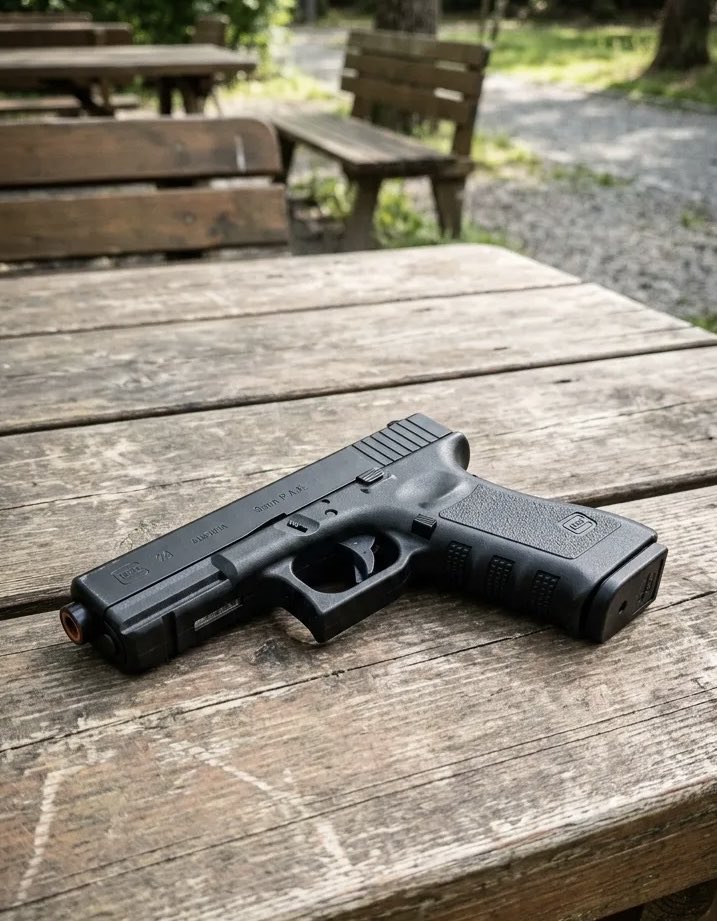
The gun is the most misunderstood object in Western civilization. Not a weapon. A technology. The technology that made the idea of equality physically real.
1. The longbow democratized warfare – a peasant could kill a knight with a stick and a string, and Agincourt proved it. The gun completed the process. The armored warrior class whose claim to social dominance rested on physical superiority became obsolete. The aristocratic monopoly on violence ended not with a philosophy but with a mechanism. The gun is the physical enforcement of the idea that all men are created equal. Which is why the American founders put it in the second amendment – not as an afterthought, but as the guarantee of everything else.
2. The Roman citizen had the right to bear arms. The Greek citizen had it. The English yeoman had it. The Swiss canton built its entire civilization on it. The disarming of the population has always been, in every civilization, in every century, the first act of the government that intends to stop being answerable to that population. Show me a disarmed population and I will show you a population that lost something else shortly after.
3. The Second Amendment is not about hunting. It is not about sport. It is about the relationship between the armed citizen and the state – the explicit constitutional acknowledgment that the citizen’s right to defend himself, his family, and his civilization against any threat, including the government itself, is not granted by the state and cannot be revoked by it. Power flows upward from the armed citizen, not downward from the armed state.
4. The gun defends the family. The woman alone with her children. The farmer on the edge of civilization. The shopkeeper in the neighborhood the police no longer patrol. The gun is the equalizer – the technology that makes the physical difference between a large man and a small woman irrelevant. Every argument for disarmament is, at its core, an argument that the state will protect you better than you can protect yourself. The evidence for this proposition is not encouraging.
5. In Europe, the disarmament is now nearly complete – and it happened precisely as the state’s ability and willingness to protect its citizens began to decline. The timing is not coincidental. A population that cannot defend itself must trust the state to defend it – which is a population that cannot effectively question whether the state is doing so. The dependency is the design.
6. The gun is a civilizational technology in the deepest sense: it requires responsibility, judgment, and the willingness to accept the consequences of your decisions. You cannot outsource it. You cannot have a committee fire it. It is the most anti-bureaucratic object ever invented – a direct, personal, consequential instrument that puts the full weight of the decision on the individual holding it. Which is precisely why the administrative state finds it intolerable. Not because it is dangerous. Because it is sovereign.
7. The family that can defend itself does not depend on the state for its most fundamental security. The civilization that can defend itself has not yet outsourced its survival to an institution that will negotiate the terms of that survival on its own behalf. The gun determines who controls violence – and therefore who controls everything that violence can threaten. Which is everything. The Sobieski who rode down the hill had a sword and sixty thousand horsemen. The equivalent today is the armed citizen who understands what he is defending and why. Every civilization that forgot this discovered it the hard way. The ones that remembered it are still here.