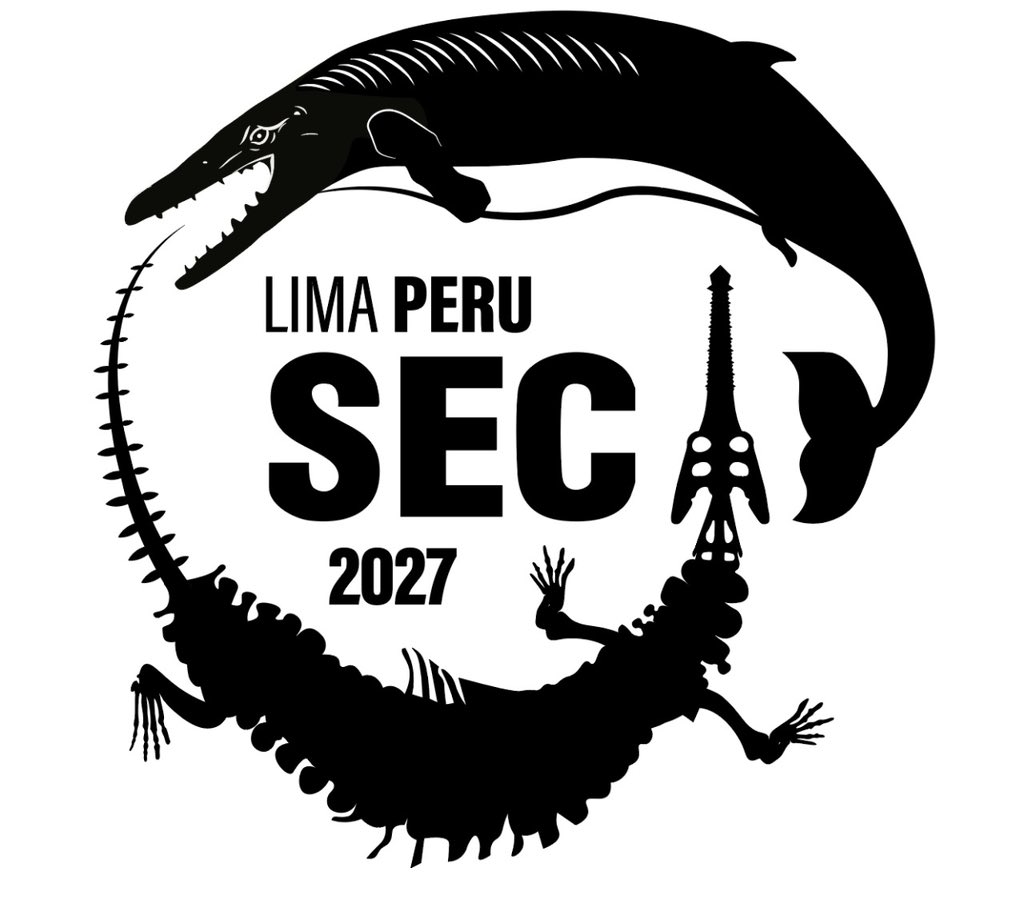
Its Live! Website and registrations are now open for #SECAD2027 !!!!
We look forward to meeting you next year in Lima and hosting in the gastronomic capital of the Americas! Join us for a few special days talking on Secondarily aquatic tetrapods!
https://t.co/blgv6mK8Xp
🔎🦭 ¡Perú vuelve a asombrar! Hallan fósiles de nueva especie de lobo marino https://t.co/tDobFfHwq3
📍Especie de 3 millones de años descubierta en Arequipa ayuda a entender su evolución en el hemisferio sur.
✍Por Jessica Olaechea
📹Video: Patricia Carrasco-Zúñiga
We are delighted to share the first circular of #SECAD2027, the meeting on Secondary Adaptations of Tetrapods to Life in Water, to be held in Lima, Peru, from 30 August to 3 September 2027. We look forward to welcoming you all!
Link:https://t.co/fKyywgvpHC
Honoured to share that we will host #SECAD2027 between 30.08 to 03.09 in Lima, Peru. More details soon!! Looking forward to catching up with friends and colleagues!!!
New paper about the functioning of saber teeth led by the amazing @TIPollock 🥳 combining 3DGM with biomechanical testing we identified functional optimality as a key driver underpinning the repeated evolution of extreme saber-tooth morphologies 🔪🦁 https://t.co/FmZYXaMwdM
Meet Ontocetus posti 🦭 a new species of odobenines we described in a new study led by @MathBoisville based on material from the UK & Belgium 🇬🇧🇧🇪 Want to know more about this new fossil walrus? Here is a thread 🧵1/7. 🎨by @BranArtworks https://t.co/qZvEZvZoCX
@secad2024 has been a wonderful experience for everyone around!!! Lots and lots of great scientists around. BUT THIS IS NOW OFFICIAL: We will be hosting #SECAD2027 at @MuseoHNUNMSM in the city of Lima Peru! #FossilFriday
Our review "The extinct marine megafauna of the Phanerozoic" is out!
This is a product of the block-course we teach each Autumn at @UZH_Science & includes the students of 2 cohorts, as well as our guest speakers & most of our research team.
https://t.co/qM6Kdwps6W
Sorpresas aumentan en el Primer Congreso Chileno de Zoología. Tendremos Reunión Chilena de Morfometría Geométrica!
Sin duda esta técnica ha sido ampliamente usada en muchísimos organismos que mejor que venir a mostrar tus resultados y ser parte de este primer encuentro! #zoologia
I feel extremely happy 😁 because this is my first publication as first author, and it is also the first product generated from my bachelor's thesis. More news will be coming soon! 👨🏻💻🌊
This week @SpringerNature published the first international book on the #MarineOtter (Lontra felina 🦦), an endemic and endangered species that inhabits the Pacific coasts of Peru and Chile.
https://t.co/U2hiz8pFRR
Within this effort, Dr. Juan Valqui and I contributed with a chapter where we comprehensively reviewed the trophic ecology of #Lontrafelina, addressing its diet composition, biogeographical patterns and its relationship with phenotypic variability.
Link: https://t.co/THnUeqVzxD
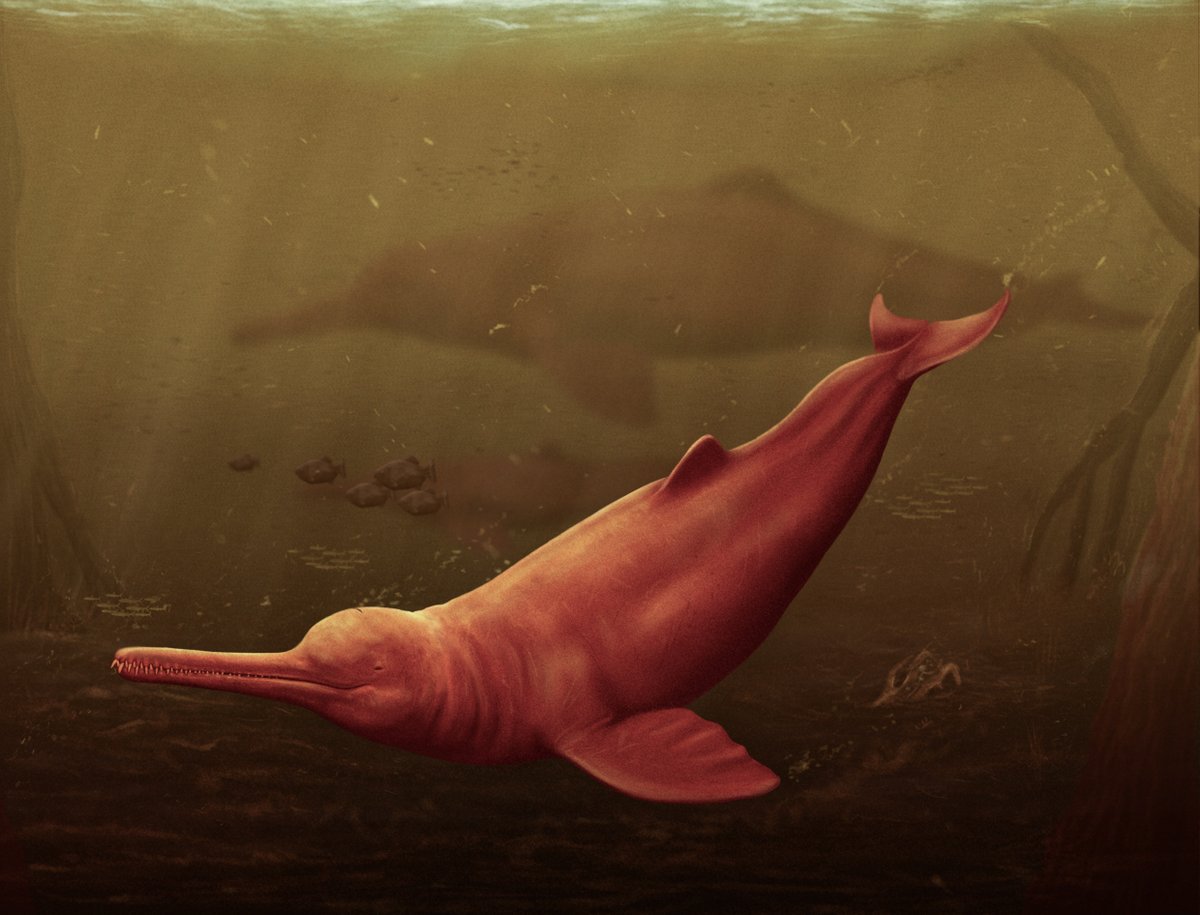
THE BIGGEST FRESHWATER DOLPHIN INHABITED THE PERUVIAN AMAZONIA 16 MILLION YEARS AGO.
Just published in @ScienceAdvances we introduce you to Pebanista yacuruna and a problem: Why? it is the closest relative of the South Asian river dolphins (g. Platanista).
https://t.co/uBeocLC61g
Confirmed after a long time... There are now 14 species of extant #otters around the world!!! 🦦🌎
The Neotropical otter splits into Lontra longicaudis (South America) and Lontra annectens (Mesoamerica)
#mammals#carnivora#taxonomy#JournalofMammalogy
https://t.co/Bka8XOEz7K
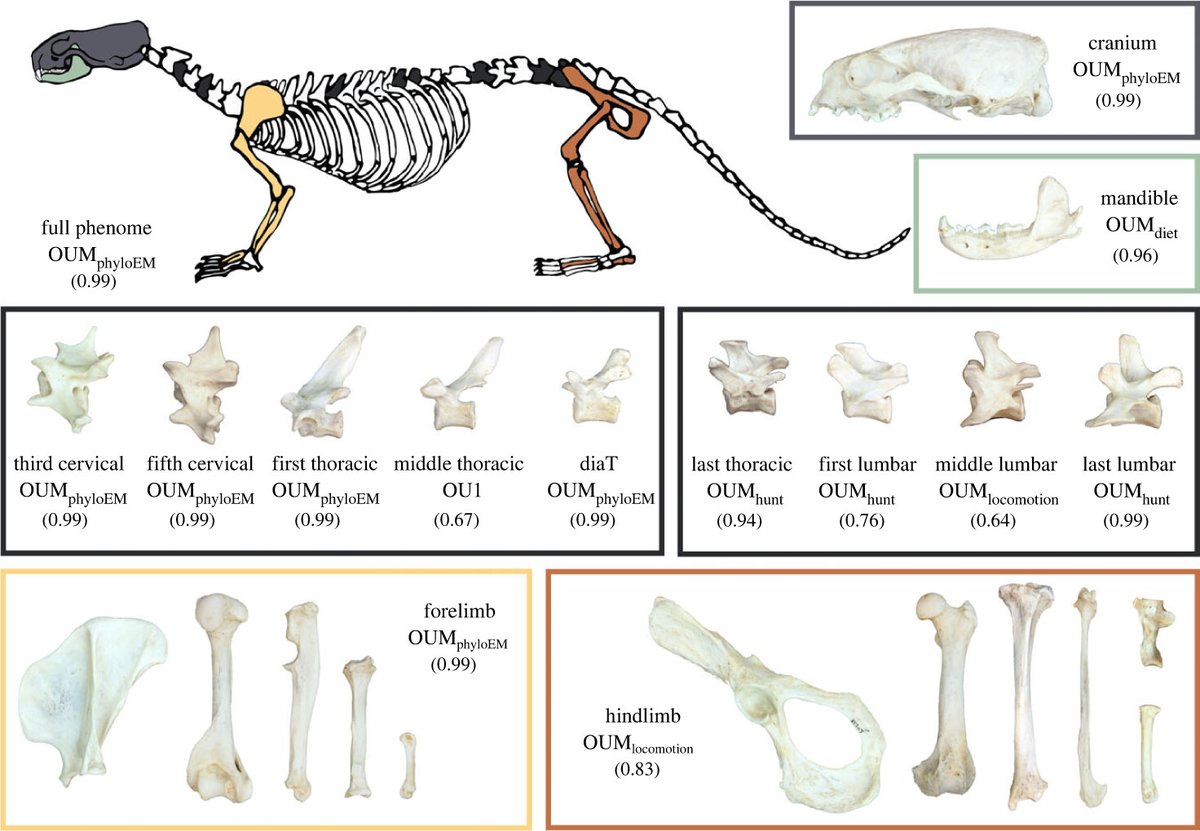
Different ecological and #phylogenetic effects led to distinct #evolutionary patterns among the different skeletal components in #carnivorans. Read the full #BiologyLetters paper ‘Uncovering the mosaic evolution of the carnivoran skeletal system’ https://t.co/0xIvXACApC
Collyer and Adams 2024 Evol Biol "argue that a formal hypothesis-testing framework for measurement error in morphometric data is lacking".
They develop formal methods to evaluate systematic and random error in morph!
https://t.co/uwJYa7DAvm
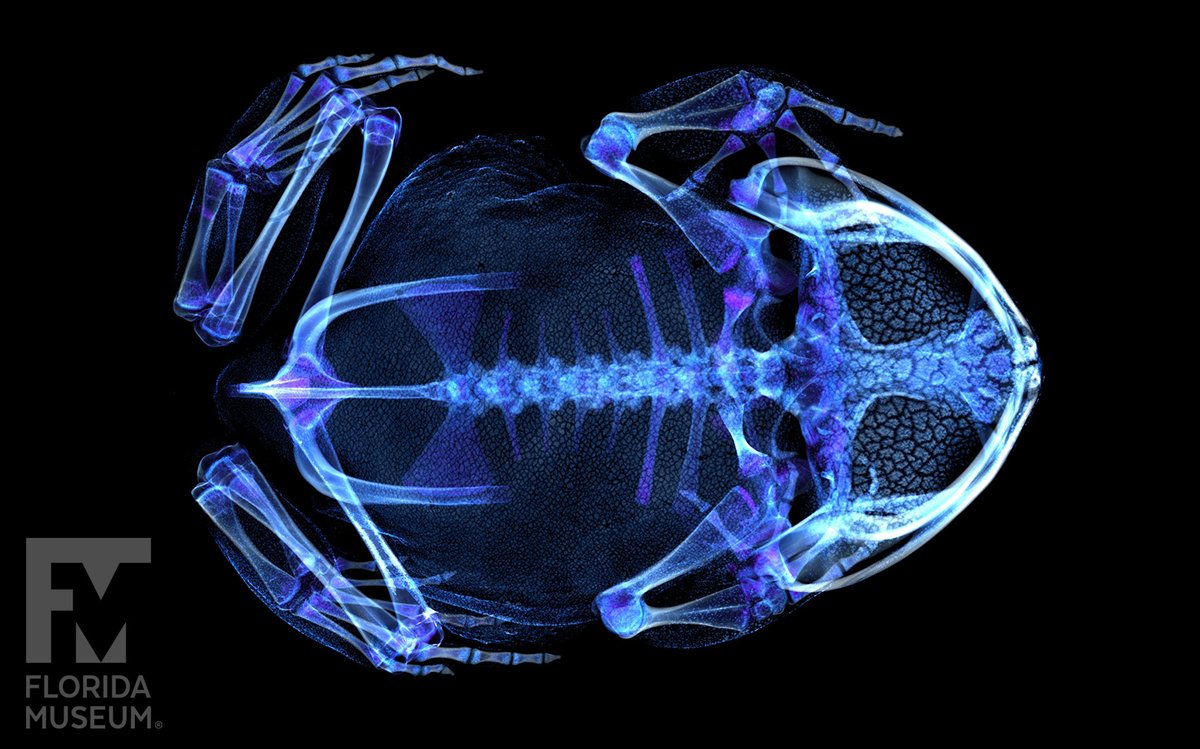
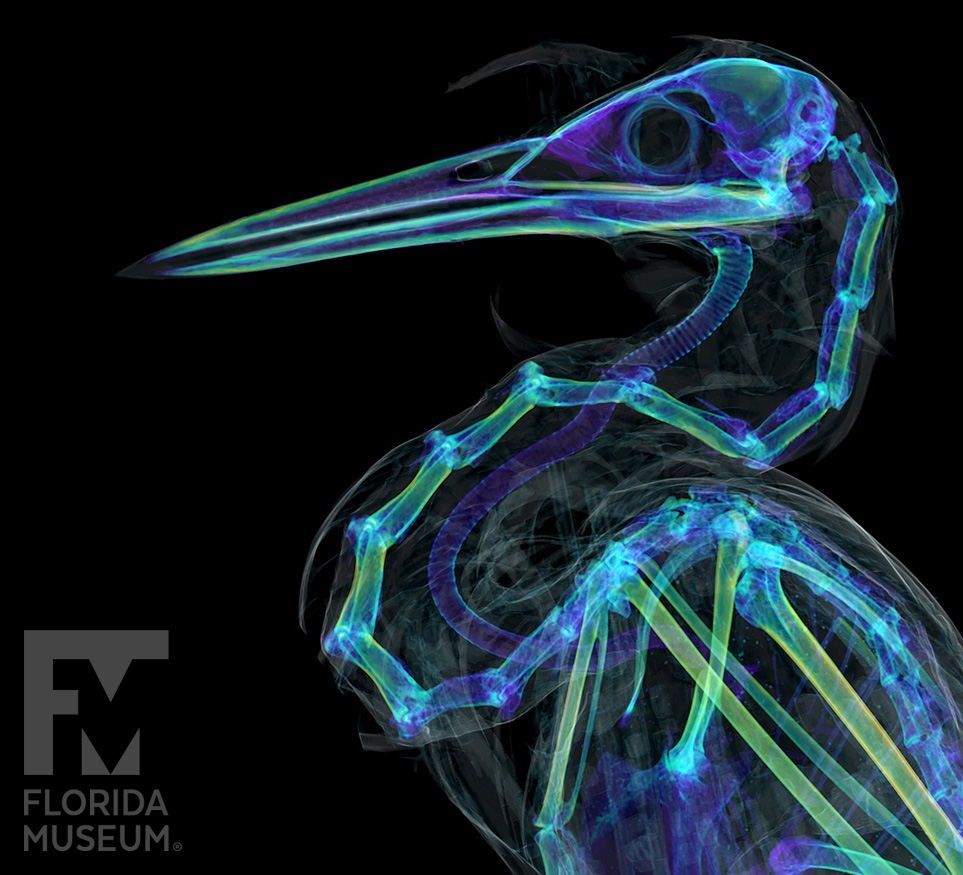
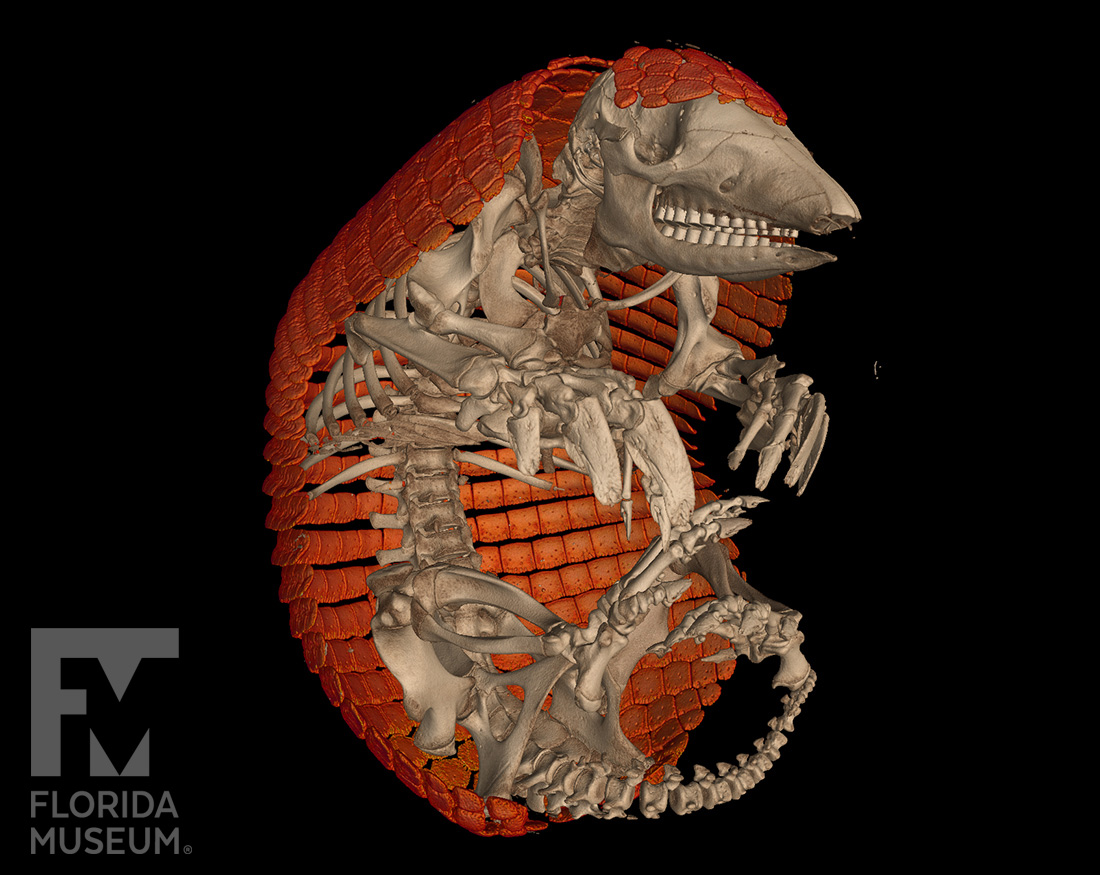
It's a wrap! 🎉🎉🎉 With the completion of #oVertTCN, the doors of natural history museum collections have been digitally unlocked allowing scientists, educators, artists & the public to interact with specimens in ways never before possible.
Story:
https://t.co/HaTp8GWB3D
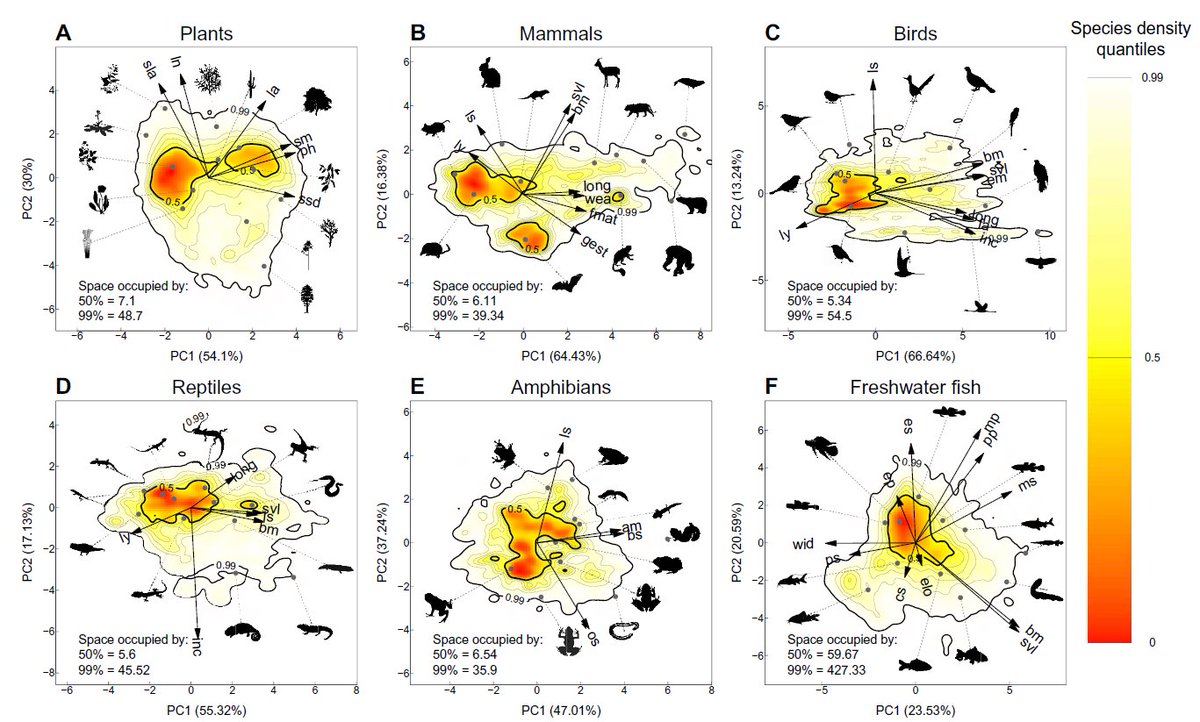
Do you work with traits? Would you like to create these fancy plots but they are too complex?
You can do them now (along with other analyses) with 'funspace', an R package created with @GiacomoPugliel1 and Nicola Pavanetto.